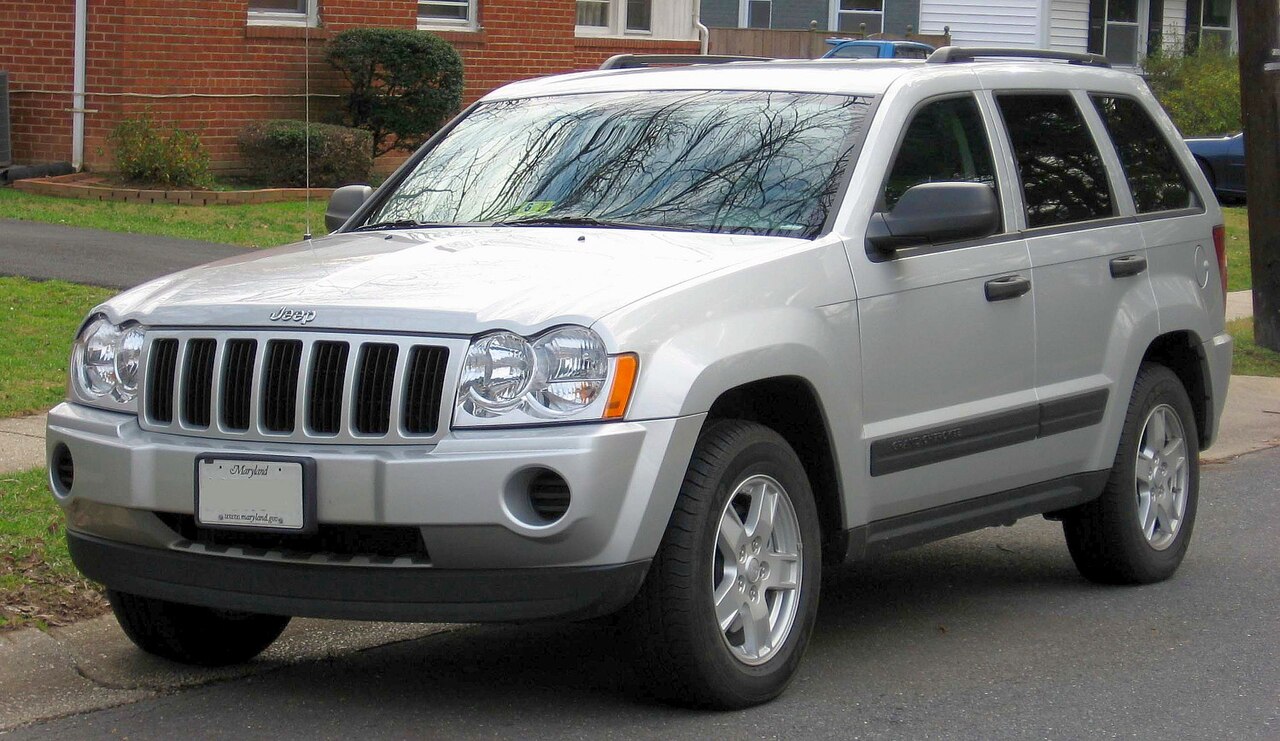
jeep grand 2005-2010 Maintenance Schedule
Grand Cherokee maintenance follows standard oil-change intervals, with transmission fluid service worth prioritizing given how often owners report shifting and heating-system faults.
Fluids
| Service | Interval | Notes |
|---|---|---|
| Engine Oil & Filter Change Critical | 5,000 km / 6 mo 5,000 km if severe use | Regular engine oil and filter changes are critical for engine longevity. Depending on your driving conditions and oil type, aim for every 5,000-12,000 km or 6-12 months. Neglecting this can lead to accelerated wear, sludge buildup, and potential lifter/cam damage. Listen for ticking noises or observe dark, burnt oil as warning signs. Cost: $45-110 / ₦67,500-165,000. |
Drivetrain
| Service | Interval | Notes |
|---|---|---|
| Transmission Fluid Service Critical | 48,000 km 30,000 km if severe use | Transmission fluid service, including a filter change, is recommended every 48,000-96,000 km, or sooner if towing or off-roading. Delayed service can cause harsh shifts, clutch wear, and heat damage. Warning signs include shuddering, delayed engagement, or a burnt fluid smell. Cost: $155-430 / ₦232,500-645,000. |
| Differential & Transfer Case Fluid Service Critical | 48,000 km 30,000 km if severe use | For models with 4x4 systems like Quadra-Trac II or Quadra-Drive II, differential and transfer case fluids should be serviced every 48,000-96,000 km, especially with towing or off-road use. This prevents premature wear, noise (like whining or chatter), and potential limited-slip differential damage. Cost: $60-180 / ₦90,000-270,000. |
Electrical
| Service | Interval | Notes |
|---|---|---|
| Spark Plug Replacement | 96,000 km | Spark plugs typically need replacement every 96,000-160,000 km, depending on the engine type (V6 vs. V8). Worn spark plugs can lead to engine misfires, a rough idle, reduced fuel economy, and stress on ignition coils. A check engine light (CEL) or poor acceleration are common indicators. Cost: $105-320 / ₦157,500-480,000. |
| Battery & Charging System Test Critical | 24 mo | Given the WK's sensitivity to electrical issues, a battery and charging system test should be part of routine maintenance every two years. This helps identify potential electrical drain or alternator problems before they lead to a random no-start condition. Maintaining voltage quality is crucial for module stability. Cost: $20-60 / ₦30,000-90,000 (labor for test). |
Cooling
| Service | Interval | Notes |
|---|---|---|
| Coolant Flush & Thermostat Inspection Critical | 160,000 km / 60 mo | A coolant flush and thermostat inspection should be performed approximately every 5 years or 160,000 km, more frequently in harsh climates. Neglecting the cooling system can lead to engine overheating, heater failure, and premature wear of the water pump and radiator. Watch for temperature swings or low cabin heat. Cost: $70-220 / ₦105,000-330,000. |
| Coolant Level Check Critical | 5,000 km / 6 mo | Regularly checking the coolant level is a simple but vital task. Low coolant levels can quickly lead to engine cooling/overheating issues, especially in the WK Grand Cherokee. Top up with the correct coolant type as needed and inspect for any visible leaks. This should be done at every oil change. Cost: $5-20 / ₦7,500-30,000 (for fluid top-up if needed). |
Brakes
| Service | Interval | Notes |
|---|---|---|
| Brake Fluid Flush Critical | 24 mo | Brake fluid should be flushed and replaced approximately every two years. Brake fluid absorbs moisture over time, which can lead to corrosion in the brake lines and a spongy pedal feel. This service helps maintain optimal braking performance and system integrity. Cost: $50-120 / ₦75,000-180,000. |
Belts
| Service | Interval | Notes |
|---|---|---|
| Serpentine Belt & Tensioner Inspection/Replacement Critical | 96,000 km | The serpentine belt and its tensioner should be inspected at every service and typically replaced around 96,000-160,000 km. A failing belt can lead to loss of power steering, alternator charging, and engine cooling, resulting in overheating. Listen for chirping or look for cracks and fraying. Cost: $80-250 / ₦120,000-375,000. |
Tyres
| Service | Interval | Notes |
|---|---|---|
| Tire Rotation & Brake Inspection | 5,000 km | Regular tire rotation helps ensure even wear and extends tire life. This service should be combined with a thorough brake inspection to check pad and rotor condition, especially given common brake/steering wear complaints. This is often recommended every 5,000-7,500 km. Cost: $20-60 / ₦30,000-90,000 (labor for rotation and inspection). |
Suspension
| Service | Interval | Notes |
|---|---|---|
| Full Suspension & Steering Inspection | 96,000 km | A comprehensive inspection of the suspension and steering components is vital around 96,000 km. This includes checking control arm bushings, tie rods, wheel bearings, and struts. Early detection of wear can prevent tire wear and steering shake, which are common issues reported by owners. Cost: $180-450 / ₦270,000-675,000 (labor for inspection/minor adjustments). |
Filters
| Service | Interval | Notes |
|---|---|---|
| Air Filter & Cabin Filter Replacement | 20,000 km / 12 mo | Replacing the engine air filter and cabin air filter annually or every 20,000 km ensures optimal engine performance and cabin air quality. A clogged air filter can reduce fuel economy and engine power, while a dirty cabin filter can impair HVAC system efficiency and air circulation. Cost: $20-60 / ₦30,000-90,000 (parts only for both). |
Upkeep Tips
Owning a 2005-2010 Jeep Grand Cherokee, whether it's the Jeep Grand Cherokee 2005, Jeep Grand Cherokee 2006, Jeep Grand Cherokee 2007, Jeep Grand Cherokee 2008, Jeep Grand Cherokee 2009, or Jeep Grand Cherokee 2010, can be a rewarding experience if you prioritize proactive maintenance. This WK-generation SUV is known for its capability but also for certain sensitivities that, if neglected, can lead to high-cost repairs. Regular routine maintenance is not merely about extending the vehicle's life; it's about preventing the escalation of minor issues into major system failures, thereby improving the vehicle's perceived reliability.
One of the most critical areas to monitor is the cooling system health. WK Grand Cherokees are particularly sensitive to heat management, and neglecting fluids and cooling-system health drives a disproportionate share of expensive failures. Ensure coolant flushes are performed ahead of schedule, especially if you live in a hot climate or frequently encounter stop-go traffic. Always use the correct coolant type to prevent internal corrosion and maintain system efficiency. Engine cooling/overheating is a frequently cited issue, so closely monitoring your temperature gauge and performing regular coolant level checks are essential. Addressing low cabin heat or persistent temperature swings quickly can prevent more severe damage to the water pump or radiator.
Another major area of concern is electrical faults. Do not ignore intermittent electrical faults; minor module or ground issues often escalate into frustrating random no-start problems that can leave you stranded. Issues like a parasitic draw can silently drain your battery. Regular battery maintenance, including cleaning terminals and testing the charging system and alternator, is crucial. The stability of the vehicle's modules is highly sensitive to voltage quality, so a healthy electrical system is paramount. Owners of the Jeep Grand Cherokee 2008, for example, frequently reported electrical no-start issues, often stemming from TIPM-related faults or ignition switch problems. Addressing these symptoms promptly can prevent dead accessory behavior and more severe electrical system failures. A check engine light (CEL) might also indicate electrical issues.
Front-end wear is also a common complaint across all model years. Refresh worn front suspension bushings/control arms early to prevent premature tire wear and persistent steering shake or vibration. Components like tie rods, wheel bearings, and struts should also be inspected regularly during a full suspension and steering inspection. Addressing these issues proactively will save you money on tires and improve the overall driving experience of your Jeep Grand Cherokee. For instance, addressing worn control arm bushings promptly in a Jeep Grand Cherokee 2007 can significantly improve ride quality and tire longevity. Pay attention to any whining or chatter, as this could indicate issues with the differential and transfer case fluids, especially in models equipped with Quadra-Trac II or Quadra-Drive II.
Expected component lifespans provide a good benchmark for planning. With good cooling and engine oil and filter changes discipline, the engine can last 240,000-400,000+ kilometers (150,000-250,000+ miles). However, neglected examples can fail much earlier due to sludge buildup or lifter/cam damage, often indicated by ticking noises or dark, burnt oil. The transmission, if serviced regularly with transmission fluid service, including a filter change, can achieve 190,000-320,000 kilometers (120,000-200,000 miles), but overheating or ignored fluid changes drastically reduce this, potentially causing harsh shifts, clutch wear, or a burnt fluid smell. Spark plugs typically need replacement around 96,000-160,000 km to avoid engine misfires, a rough idle, or reduced fuel economy. Suspension components like control arms and bushings often need attention around 96,000-160,000 kilometers (60,000-100,000 miles). Batteries typically last 3-5 years in hot climates or with heavy stop-go use. Electronics are highly variable, with voltage health and water intrusion being major predictors of their longevity. Don't forget regular tire rotation and brake inspection to monitor pad and rotor condition and prevent brake/steering wear complaints. Also, inspect the serpentine belt and tensioner for cracks and fraying to avoid loss of power steering or alternator charging.
When considering long-term ownership, remember that a complete service history materially improves perceived reliability and resale value. Buyers are aware that these vehicles punish deferred maintenance. For owners in regions with challenging climates, the combination of heat, dust, and stop-go traffic makes the WK’s electrical and cooling weaknesses even more visible, emphasizing the importance of a thorough pre-purchase inspection and a budget for routine maintenance. Frequently replaced parts include batteries, alternators, brake pads/rotors, spark plugs, control arms, and various sensors. Being prepared for these common wear items will help ensure a smoother ownership journey for your Jeep Grand Cherokee 2009 or any other model year in this generation. Also, replacing the engine air filter and cabin air filter annually contributes to fuel economy and HVAC system efficiency.
Add-ons & Upgrades
OBD-II Scanner
Diagnose check engine lights, retrieve trouble codes, and monitor various vehicle parameters to stay informed about your Jeep's health.
Shop on AmazonPremium Engine Oil
Ensure optimal lubrication and protection for your engine, crucial for engine longevity and preventing sludge buildup, especially for severe service conditions.
Shop on AmazonCoolant Test Strips
Easily check the condition and concentration of your engine's coolant, helping to maintain cooling system health and prevent engine overheating.
Shop on AmazonBrake Pad & Rotor Kit
Essential for maintaining optimal braking performance, safety, and addressing common brake/steering wear complaints. Ensures reliable stopping power.
Shop on AmazonBattery Tender/Charger
Keep your battery fully charged, especially if dealing with parasitic draws or to prevent random no-start conditions during periods of inactivity.
Shop on AmazonTire Pressure Gauge
Regularly check tire pressure for safety, even tire wear, and improved fuel economy, an important part of routine maintenance.
Shop on AmazonHeavy-Duty Floor Mats
Protect your interior from dirt, mud, and wear, especially useful for owners who take their Jeep Grand Cherokee off-road or in challenging climates.
Shop on AmazonWhere to Buy Parts
Frequently Asked Questions
How often should I change the engine oil in my 2005-2010 Jeep Grand Cherokee?+
For your Jeep Grand Cherokee 2005-2010, regular engine oil and filter changes are crucial for engine longevity. Depending on your driving conditions and the type of oil used, aim for every 5,000-12,000 km (3,000-7,500 miles) or 6-12 months. If you frequently tow, drive in extreme temperatures, or engage in stop-and-go traffic, severe service intervals around 5,000 km are recommended. Neglecting this can lead to sludge buildup, accelerated wear, and potential lifter/cam damage, often indicated by ticking noises or dark, burnt oil.
What are the most critical maintenance items for the WK Grand Cherokee?+
The most critical maintenance items for the 2005-2010 Jeep Grand Cherokee revolve around fluids and the cooling and electrical systems. Regular engine oil and filter changes, transmission fluid service, and differential and transfer case fluid services are paramount for drivetrain health. Given the WK's sensitivity, coolant flushes and consistent coolant level checks are vital to prevent engine overheating. Additionally, proactive battery and charging system tests are essential to avoid electrical faults and no-start conditions, which are common issues reported by owners of models like the Jeep Grand Cherokee 2008.
Can I perform some of the routine maintenance myself on my Jeep Grand Cherokee?+
Yes, many routine maintenance tasks on your Jeep Grand Cherokee 2005-2010 are suitable for DIY enthusiasts. Basic services like engine oil and filter changes, engine air filter and cabin air filter replacements, and coolant level checks are relatively straightforward. Tire rotation can also be done with the right equipment. However, for more complex tasks like transmission fluid service, brake fluid flush, spark plug replacement, or comprehensive suspension and steering inspections, professional service is often recommended due to the specialized tools and knowledge required to ensure optimal braking performance and component lifespan.
What happens if I delay or skip transmission fluid service?+
Delaying or skipping transmission fluid service, including a filter change, in your Jeep Grand Cherokee 2005-2010 can lead to severe and costly issues. The transmission fluid degrades over time, losing its lubricating and cooling properties. This can result in harsh shifts, accelerated clutch wear, and heat damage to internal components. Common warning signs of neglected service include shuddering, delayed engagement, or a burnt fluid smell. For models like the Jeep Grand Cherokee 2006, especially with towing or off-roading, premature failure of the transmission is a significant risk, leading to expensive repairs.
How much does routine maintenance typically cost annually for a Jeep Grand Cherokee from this generation?+
Annual routine maintenance costs for a 2005-2010 Jeep Grand Cherokee can vary, but owners should generally budget between $500 to $1,000 USD (₦750,000 to ₦1,500,000 NGN). This estimate covers common services like engine oil and filter changes, tire rotations, filter replacements, and regular inspections. More extensive services, such as spark plug replacement or a coolant flush, occur less frequently but will increase the cost in the years they are performed. Proactive maintenance helps keep these costs predictable and prevents more expensive repairs from issues like engine overheating or electrical system failures.
What are common warning signs of cooling system issues in these vehicles?+
Given the Jeep Grand Cherokee 2005-2010's sensitivity to heat management, it's crucial to recognize cooling system warning signs. Common indicators include persistent temperature swings on your gauge, a consistently low coolant level, or a lack of effective cabin heat. You might also notice visible leaks under the vehicle or a sweet, syrupy smell. Ignoring these signs can quickly lead to engine overheating, which can cause catastrophic engine damage, and premature wear of components like the water pump and radiator. Prompt coolant level checks and coolant flushes are vital.
Why is electrical system maintenance so important for the Jeep Grand Cherokee 2005-2010?+
Electrical system maintenance is critically important for the 2005-2010 Jeep Grand Cherokee due to its known sensitivity to electrical faults and voltage quality. Neglecting this can lead to frustrating intermittent electrical faults, parasitic draws that drain the battery, and ultimately, random no-start conditions. Issues like TIPM-related faults or ignition switch problems were not uncommon, particularly in the Jeep Grand Cherokee 2008. Regular battery and charging system tests, including the alternator, ensure module stability and prevent dead accessory behavior, saving you from inconvenient breakdowns and expensive electrical system failures.
When should I consider a full suspension and steering inspection?+
A comprehensive inspection of your Jeep Grand Cherokee 2005-2010's suspension and steering components is vital around 96,000 km (60,000 miles). This should include checking critical parts like control arm bushings, tie rods, wheel bearings, and struts. Early detection of front-end wear can prevent common issues such as premature tire wear, persistent steering shake or vibration, and overall reduced driving comfort. Proactively addressing these components, especially for a Jeep Grand Cherokee 2007 or any year in this range, will significantly improve the vehicle's ride quality, safety, and tire longevity, preventing more costly repairs down the line.