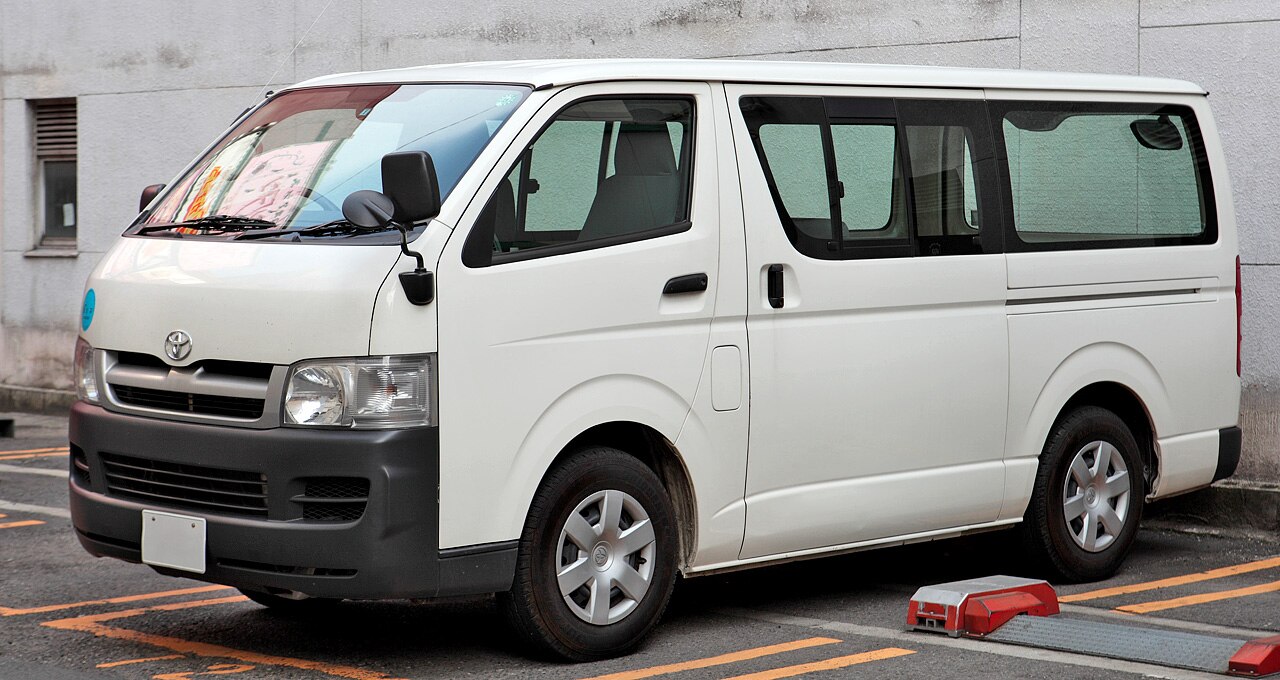
toyota hiace 2005-2015 Common Problems & Issues
The Toyota Hiace H200 generation, commonly referred to as the H200, represents the fifth iteration of Toyota's renowned light commercial van. Introduced globally in mid-2004 as a successor to the H100 series, the H200 was designed with a stronger emphasis on passenger and cargo utility. It was offered in various body lengths, including standard, long, and super-long configurations, and came in both van/commercial and wagon/passenger body types. Production for the H200 family spanned approximately from 2004 to 2015 across different markets and variants, with significant production runs continuing through the 2005 to 2015 model years in many regions. The Toyota Hiace H200 was equipped with a range of powertrain options to suit diverse market needs. Petrol engines included 2.0L and 2.7L variants, while diesel options featured 2.5L and 3.0L turbo-diesel engines, with power outputs varying by tune and market. Transmissions typically included 5-speed manuals, common with diesel engines, and 4-speed or 5-speed automatics. Rear-wheel drive was standard, with 4WD variants available in select trims and markets. The H200 utilizes a unique Toyota light commercial van chassis, distinct from passenger car platforms, but shares commercial components like engines and transmissions with other Toyota light commercial vehicles of its era. This generation, covering models from the Toyota Hiace 2005 through to the Toyota Hiace 2015, is known for its ruggedness and versatility, making it a popular choice for businesses and transport operators worldwide.
0
Critical
1
Moderate
0
Minor
Known Issues
Diesel Injector Issues and Rough Idling
MinorOwners of 2.5L and 3.0L diesel variants of the Toyota Hiace H200 may experience rough idling, reduced engine power, noticeable black smoke from the exhaust, and increased fuel consumption. These symptoms often stem from worn or clogged diesel injectors, a failing injection pump, or the use of poor-quality fuel. Diagnosis involves scanning for misfire codes, performing fuel pressure tests, injector balance testing, and inspecting the fuel system. Simple DIY fixes might include using fuel injector cleaner additives or replacing the fuel filter. However, professional repairs often involve injector reconditioning or replacement, and potentially fuel pump rebuilds or replacement. For a Toyota Hiace 2008, for example, injector replacement can range from $150 to $350 per cylinder, with fuel pumps costing $700 to $1,500. This issue is classified as widespread, particularly in diesels sensitive to fuel quality and maintenance, and is considered a high-severity problem affecting engine performance and emissions.
Rear Drum Brake Wear and Parking Brake Problems
MinorA frequent maintenance concern for the Toyota Hiace H200, particularly in commercial applications, involves the rear drum brake system. Symptoms can include decreased braking effectiveness, audible noise during braking, changes in brake pedal travel, and uneven braking performance, sometimes with rear drums binding. These issues are often attributed to the heavy loads these vans carry and the inherent wear characteristics of drum brakes, especially in commercial use. Diagnosis requires a thorough brake inspection, including measuring drum wear and checking for leaks from the wheel cylinders. DIY solutions can involve adjusting the parking brake or replacing brake shoes and wheel cylinders. Professional services include replacing brake shoes, resurfacing or replacing the drums, and hydraulic system repairs. A typical repair for rear brake shoes and associated labor can cost between $220 and $550. This is considered a medium-severity issue, classified as a frequent wear-and-tear complaint rather than a manufacturing defect.
Body Corrosion and Rust
ModerateIn regions with high humidity or coastal environments, the Toyota Hiace H200 can be susceptible to rust and body corrosion. Common areas affected include the underbody, wheel arches, and door sills, which can lead to surface rust and, in severe cases, weakening of body panels. This problem is primarily driven by environmental exposure and the age of the vehicle, as some commercial vans may have had less robust corrosion protection from the factory. Diagnosis involves visual inspection and probing suspect areas. Minor surface rust can be addressed with DIY methods like grinding, applying rust converters, and protective coatings or touch-up paint. More significant corrosion may require professional panel replacement, welding, and extensive underbody treatment. Costs for minor treatments can range from $50 to $200, while major structural repairs could be $400 to $1,200. This is a medium-to-high severity issue, often regional and environment-dependent, rather than a universal defect.
Automatic Transmission Rough Shifting and Overheating
MinorOlder automatic transmission variants in the Toyota Hiace H200, especially those subjected to heavy-duty use or commercial hauling, can develop issues such as harsh shifting, slipping between gears, delayed engagement, and transmission overheating. These problems are often caused by worn clutch packs, degraded transmission fluid, or torque converter issues. Diagnosis typically involves checking the transmission fluid condition and level, performing pressure tests, and scanning for diagnostic trouble codes if the vehicle is equipped. While DIY fixes might include a transmission fluid and filter change, professional repairs often necessitate a complete transmission rebuild or replacement, along with potential torque converter work. A transmission rebuild can cost between $1,200 and $3,500, with full replacements ranging from $2,000 to $5,000. This is a high-severity problem that can lead to significant downtime and expense for owners of a Toyota Hiace 2010 or similar year models.
What to Check Before Buying
The Toyota Hiace H200 generation, spanning from 2005 to 2015, is widely recognized for its durability and utility, making it a favored choice for commercial and passenger transport globally. Owners of a Toyota Hiace 2005 can expect a robust vehicle, but like any commercial van, consistent maintenance is key to longevity. For those considering a Toyota Hiace 2015, understanding its common issues and maintenance needs will ensure optimal performance and value retention.
Diesel variants, particularly the 2.5L and 3.0L engines found in models like the Toyota Hiace 2006 and Toyota Hiace 2007, are known for their fuel efficiency and torque but are sensitive to fuel quality. Owners should prioritize using high-quality diesel fuel and adhere to a strict fuel filter replacement schedule, typically every 20,000 to 30,000 kilometers. Neglecting this can lead to costly injector and fuel pump problems. Regular checks for rough idling, black smoke, or power loss should prompt an inspection of the fuel system.
The H200's braking system, often featuring rear drums, requires attention, especially when the van is used for heavy hauling. Frequent inspections of the rear brake shoes and drums are recommended, with replacement intervals dictated by usage. Owners of a Toyota Hiace 2008 should be particularly mindful of this, as worn brakes can compromise safety and lead to more extensive repairs. Adjusting the parking brake regularly also contributes to its proper function.
Rust and corrosion are concerns, particularly in humid or coastal environments. Owners in such regions, including those in Nigeria, should consider regular underbody inspections and periodic application of protective coatings or underseal treatments. Addressing minor rust spots early on can prevent them from developing into larger, structurally compromising issues. For example, a Toyota Hiace 2011 with visible rust on the wheel arches should be treated promptly.
If your Hiace H200 is equipped with an automatic transmission, especially in a Toyota Hiace 2009 or Toyota Hiace 2012, be attentive to its performance. Harsh shifts, slipping, or signs of overheating warrant immediate attention. Transmission fluid and filter changes at recommended intervals, or more frequently under heavy use, are crucial to prevent expensive rebuilds. For heavy-duty operations, consider servicing the automatic transmission every 40,000 to 60,000 kilometers.
Routine maintenance is the bedrock of H200 reliability. This includes regular oil and filter changes according to the manufacturer's schedule, typically every 5,000 to 10,000 miles. For petrol engines in models like the Toyota Hiace 2013, spark plug replacement and ignition system checks are part of standard upkeep. While many Hiace engines utilize long-life timing chains, some petrol variants may have belts; owners should verify their specific engine type and follow the recommended inspection and replacement schedules to avoid catastrophic engine failure. The Toyota Hiace 2014 is no exception to these general maintenance principles.
When purchasing a used H200, especially from 2005 to 2015, thoroughly inspect its maintenance history. Documented service records, particularly for the fuel system and transmission, significantly add to the vehicle's value and a buyer's confidence. Look for signs of rust, check the condition of the suspension components (which typically last 80,000-200,000 km depending on use), and verify the engine and transmission's operational health. A well-maintained Toyota Hiace 2015 can offer many more years of reliable service, while a neglected one may present immediate and costly challenges.
Where to Buy Parts
Frequently Asked Questions
Is the 2007 Toyota Hiace H200 reliable for daily commercial use?+
Yes, the diesel-powered Toyota Hiace H200 models, including the 2007 variant, are widely regarded as reliable commercial vehicles. Their durability is a key reason for their popularity. However, to ensure consistent reliability, regular servicing is essential. Before purchasing, always verify the complete service history, paying close attention to the fuel system and transmission maintenance records to avoid potential high-cost repairs.
How often does a 2010 Hiace H200 need fuel-filter service?+
For diesel variants of the Toyota Hiace H200, such as the 2010 model, fuel filter replacement is crucial. Under normal operating conditions, the fuel filter should be changed every 20,000 to 30,000 kilometers (approximately 12,000 to 18,000 miles). In areas with lower fuel quality or higher dust levels, more frequent replacement is advised to prevent damage to injectors and the fuel pump.
What is the most expensive repair for H200 owners?+
Among the most costly repairs for Toyota Hiace H200 owners are significant transmission issues, particularly automatic transmission rebuilds, and problems with the diesel injection pump. These repairs can easily run into thousands of US dollars, depending on the extent of the damage and whether components are replaced or rebuilt.
Do H200 Hiace models have rust problems in Nigeria?+
Yes, like many vehicles exposed to humid and coastal environments, the Toyota Hiace H200 can develop rust and corrosion issues on its body panels and underbody. This is particularly relevant for owners in Nigeria. Proactive measures such as regular underbody inspections and applying protective underseal treatments every two to three years are highly recommended to preserve the vehicle's integrity and value.
Are timing belts an owner maintenance item for H200 engines?+
Many Toyota Hiace H200 engines utilize durable timing chains, which typically do not require regular replacement. However, some petrol engine variants may be equipped with timing belts. It is essential for owners to verify their specific engine code to confirm whether it uses a belt or chain. If a belt is present, adhering to the manufacturer's recommended inspection and replacement intervals is critical to prevent severe engine damage, which could be catastrophic.