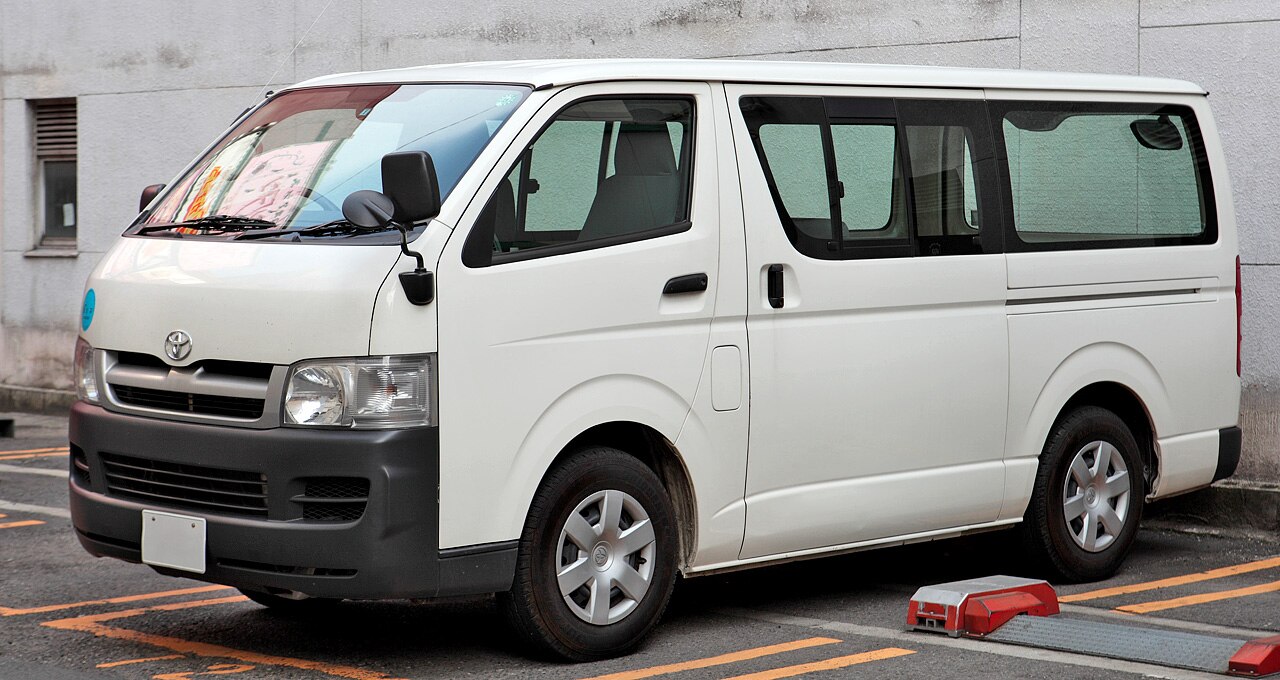
toyota hiace 2005-2015 Maintenance Schedule
The Toyota Hiace (H200 generation) has long been a staple in the light commercial vehicle segment, renowned for its unwavering reliability and practical design. Introduced globally in mid-2004, with model years starting from the 2005 Toyota Hiace (H200) in many markets, this fifth-generation van was engineered to cater to both commercial and passenger transport needs. It succeeded the H100 series, offering improved comfort and versatility across multiple body lengths, including standard, long, and super-long variants, as well as distinct van and wagon body types. Its robust construction and dependable performance quickly cemented its status as a workhorse across various industries worldwide. Throughout its production run, which extended significantly in certain markets, the Toyota Hiace (H200) maintained a strong reputation. The 2006 Toyota Hiace (H200) continued to build on the initial success, providing businesses with a durable and efficient transport solution. Engine options for these models included reliable petrol units, such as the 2.0L and 2.7L engines, offering approximately 133 hp and 151 hp respectively, alongside robust diesel variants. The 2.5L diesel engines, typically producing 102–109 hp, and the more powerful 3.0L turbo-diesel, with around 136 hp, were particularly popular for their fuel economy and torque, making them ideal for heavy-duty use. Transmission choices varied by market and year, with a common 5-speed manual for diesel and older petrol models, complemented by 4-speed and 5-speed automatic variants. Rear-wheel drive (RWD) was standard, with 4WD options available for specific trims and regions, enhancing its utility in diverse conditions. The 2007 Toyota Hiace (H200) continued this tradition of versatility, becoming a popular choice for fleet owners and individual operators alike. Subsequent models, including the 2008 Toyota Hiace (H200) and the 2010 Toyota Hiace (H200), upheld the model's core attributes of durability and low running costs, provided owners adhered to the recommended maintenance schedule. While the H200 chassis is unique to the Hiace family, it intelligently incorporates engines and transmissions shared with other Toyota light commercial vehicles of the era, benefiting from proven components. This strategic parts sharing contributes to the vehicle's overall reliability and the availability of parts. The 2015 Toyota Hiace (H200), representing the later end of this generation's widespread production, still embodies the Hiace legacy of being a dependable partner for businesses requiring a resilient and practical van. Understanding the specific maintenance needs of these vehicles, from the initial 2005 models to the 2015 versions, is crucial for maximizing their lifespan and ensuring optimal performance, particularly concerning common issues like diesel injector health, brake wear, and rust and body corrosion in challenging climates.
Fluids
| Service | Interval | Notes |
|---|---|---|
| Engine Oil & Filter Change Critical | 8,000 km / 6 mo 8,000 km if severe use | Regular engine oil and filter changes are critical for engine health. Skipping this service can lead to accelerated engine wear and the buildup of harmful sludge. Pay attention to your specific Hiace model and engine type, as intervals may vary slightly. This is a fundamental maintenance task. |
| Automatic Transmission Fluid (ATF) Change Critical | 40,000 km 40,000 km if severe use | Under commercial or heavy-load use, automatic transmission fluid replacement should be done more frequently. This helps prevent harsh shifts, slipping, and potential transmission overheating. Regular fluid changes can significantly extend the life of your transmission and avoid expensive rebuilds. |
Filters
| Service | Interval | Notes |
|---|---|---|
| Diesel Fuel Filter Replacement Critical | 20,000 km 15,000 km if severe use | For diesel variants, frequent fuel filter replacement is paramount to prevent costly diesel injector and fuel pump failures. Poor fuel quality can quickly clog the filter, leading to rough idle, low power, or black smoke. Replace more frequently in dusty environments or with questionable fuel sources. |
| Air Filter Replacement | 10,000 km / 12 mo 5,000 km if severe use | The engine air filter should be inspected regularly and replaced every 10,000 km or annually under normal conditions. In dusty environments, such as those found in many tropical regions, more frequent replacement (every 5,000 km) is recommended to ensure proper engine breathing and fuel efficiency. |
Brakes
| Service | Interval | Notes |
|---|---|---|
| Brake System Inspection & Service Critical | 10,000 km 10,000 km if severe use | Inspect front disc pads and rear drum shoes every 10,000-15,000 km, especially with heavy loads or commercial use, as brake wear can be accelerated. Check for reduced braking effectiveness, noise, or changes in pedal travel. Replace components as needed to ensure safe stopping power. |
| Parking Brake Adjustment | 10,000 km 10,000 km if severe use | The parking brake should be checked and adjusted as part of regular brake service. Issues can include excessive lever travel or reduced holding power. Proper adjustment ensures the parking brake functions effectively, which is important for safety, especially when parked on inclines or with heavy loads. |
Belts
| Service | Interval | Notes |
|---|---|---|
| Timing Chain/Belt Inspection Critical | — | Many H200 engines use timing chains, which are generally long-life components and only require inspection for noise. Some petrol variants, however, may have timing belts that require periodic replacement. Consult your owner's manual for specific intervals for your engine code to prevent catastrophic engine damage. |
Cooling
| Service | Interval | Notes |
|---|---|---|
| Cooling System Check & Coolant Replacement Critical | 24 mo | Regular cooling system checks, including hoses and radiator condition, are vital, particularly in tropical climates, to prevent overheating. Replace coolant every 2-4 years, depending on the coolant type, and maintain proper concentration for optimal performance and corrosion protection. |
Suspension
| Service | Interval | Notes |
|---|---|---|
| Suspension Component Inspection | 30,000 km 15,000 km if severe use | Regularly inspect suspension components like front strut assemblies and rear leaf springs for wear, especially if the vehicle is frequently subjected to heavy loads or rough roads. Signs of wear include unusual noises, poor handling, or uneven tire wear. Address issues promptly to maintain ride quality and safety. |
Electrical
| Service | Interval | Notes |
|---|---|---|
| Spark Plug Replacement (Petrol Engines) | 100,000 km 80,000 km if severe use | For petrol engine variants, spark plugs should be replaced at manufacturer-specified intervals, typically around 100,000 km. Worn spark plugs can lead to misfires, reduced fuel efficiency, and decreased engine performance. Inspect ignition coils for signs of wear at the same time. |
| Battery Health Check | 12 mo | Regularly check battery terminals for corrosion, ensure connections are tight, and test the battery's charge and health, especially before extreme weather conditions. A typical battery lifespan is 3-5 years, but heavy electrical loads or extreme temperatures can shorten this. Preventative checks avoid unexpected breakdowns. |
Inspection
| Service | Interval | Notes |
|---|---|---|
| Underbody & Body Corrosion Inspection | 12 mo | Conduct annual visual inspections of the underbody, wheel arches, and door sills for rust and body corrosion, especially in humid or saline climates. Early detection allows for localized grinding, rust converter application, or protective coating (underseal) to prevent widespread damage and maintain structural integrity. |
Engine
| Service | Interval | Notes |
|---|---|---|
| Valve Adjustments (Diesel Engines) | — | For certain diesel variants, valve adjustments may be required at specific intervals as per the manufacturer's recommendations. Incorrect valve clearance can lead to reduced engine efficiency, increased noise, and potential engine damage. Consult your owner's manual or a qualified technician for guidance. |
Upkeep Tips
Maintaining your Toyota Hiace (H200) from the 2005 Toyota Hiace (H200) to the 2015 Toyota Hiace (H200) models is key to its longevity and reliable performance, especially given its common commercial use. One of the most critical insights for owners of diesel variants, including the 2007 Toyota Hiace (H200) and 2008 Toyota Hiace (H200), is the absolute necessity of rigorous diesel fuel filtration and using high-quality fuel. Frequent fuel filter replacement is not just a recommendation; it's a preventative measure against costly diesel injector and fuel pump failures. Ignoring this can lead to symptoms like a rough idle, black smoke, and significant repair bills. Always prioritize clean fuel.
For any Toyota Hiace (H200) model, including the 2009 Toyota Hiace (H200) and 2011 Toyota Hiace (H200), the rear drum brakes, particularly under heavy loads or constant commercial use, tend to wear quickly. It is imperative to inspect these every 10,000–15,000 km. Regular inspection allows for timely replacement of brake shoes and drums, preventing reduced braking effectiveness or parking brake issues. Overlooking brake wear can compromise safety and lead to more extensive repairs.
Owners of automatic transmission Hiace vans, such as the 2012 Toyota Hiace (H200) and 2013 Toyota Hiace (H200) models, should consider more frequent transmission fluid replacement, especially if the vehicle is used for heavy-duty tasks or in stop-and-go traffic. Servicing the transmission every 40,000–60,000 km, rather than waiting for extended factory intervals, can significantly prolong the transmission's life and prevent expensive transmission rebuilds or torque converter issues. Look out for signs like automatic transmission shifting rough or delayed engagement.
In tropical conditions, such as those found in Nigeria, cooling system checks become even more important for the Toyota Hiace (H200). Regularly inspect all cooling hoses and the radiator for leaks or damage. Maintaining the correct coolant concentration and replacing coolant every 2–4 years helps prevent overheating, a common issue in higher ambient temperatures. This proactive approach ensures your 2014 Toyota Hiace (H200) or any other year model runs efficiently.
Furthermore, rust and body corrosion are significant concerns in humid or coastal regions. Proactive undersealing every 2–3 years is a cost-effective measure to protect the underbody, wheel arches, and door sills from environmental damage. Regular underbody inspections can catch surface rust early, preventing it from becoming a structural issue. Also, ensure air filters are checked more often, perhaps every 5,000–10,000 km in dusty areas, to maintain engine efficiency and prevent premature engine wear. Documenting all service history, especially for the fuel system and transmission, will greatly increase buyer confidence and resale value.
Add-ons & Upgrades
All-weather Rubber Floor Mats (Custom-fit Hiace H200)
These custom-fit mats provide superior protection for your Hiace's floor, guarding against dirt, spills, and wear from heavy commercial use. They are easy to clean and maintain, helping to preserve the interior condition of your van.
Shop on AmazonDual-Channel Dashcam
A dashcam offers crucial evidence in case of incidents or accidents, providing peace of mind for both commercial fleet owners and individual drivers. Dual-channel models record both front and rear views, enhancing overall vehicle security and monitoring capabilities.
Shop on AmazonOBD2 Bluetooth Scanner
This diagnostic tool allows for quick checks of check-engine lights and live sensor data directly from your smartphone via Bluetooth. It's an invaluable accessory for identifying minor issues before they become major problems, helping to maintain your Hiace's health.
Shop on AmazonHeavy-Duty Jump Starter Kit
A portable jump starter is an essential tool for any vehicle owner, especially those operating commercial vans like the Hiace. It provides peace of mind, ensuring you can start your vehicle even with a dead battery, avoiding delays and service calls.
Shop on AmazonWhere to Buy Parts
Frequently Asked Questions
Is the 2007 Toyota Hiace H200 reliable for daily commercial use?+
Yes, the Toyota Hiace H200, including the 2007 Toyota Hiace H200, is widely regarded as a robust and reliable commercial vehicle, especially the diesel variants, when maintained regularly. To ensure long-term reliability and avoid high-cost repairs, always confirm a complete fuel-system and transmission service history before purchase. Its durability makes it a favored choice for heavy-duty use globally.
How often does a 2010 Hiace H200 need fuel-filter service?+
For a 2010 Hiace H200 diesel, the fuel filter should typically be changed every 20,000–30,000 km (12,000–18,000 miles) under normal operating conditions. In areas with poor fuel quality or very dusty environments, more frequent replacement is highly recommended. Skipping this vital service significantly increases the risk of expensive diesel injector and fuel pump damage.
What is the most expensive repair for H200 owners?+
Among the most expensive repairs for Toyota Hiace H200 owners are automatic transmission rebuilds and diesel injection pump replacements or reconditioning. These complex services can often cost multiple thousands of USD (or millions of NGN), depending on the specific components involved and labor rates. Regular maintenance, especially transmission fluid changes and fuel filter replacements, can help mitigate these risks.
Do H200 Hiace models have rust problems in Nigeria?+
Yes, H200 Hiace models can develop rust and body corrosion on panels and underbodies, particularly in humid, coastal, or rainy environments like Nigeria, if not properly protected. Proactive measures such as regular undersealing every 2-3 years and frequent visual inspections are strongly recommended for Nigerian ownership to preserve the vehicle's structural integrity and appearance.
Are timing belts an owner maintenance item for H200 engines?+
Many Toyota Hiace H200 engines are equipped with timing chains, which are designed for long life and typically only require inspection for noise. However, some petrol variants may still utilize timing belts that have specific replacement intervals. It is crucial to verify your engine code and follow the manufacturer's recommended service schedule. Failing to replace a timing belt at the correct interval can lead to catastrophic engine damage.
What are the common signs of automatic transmission problems in the Hiace H200?+
Common signs of automatic transmission problems in the Hiace H200 include harsh shifts, slipping between gears, delayed engagement when shifting into drive or reverse, or a burning smell (transmission overheating). These symptoms often indicate worn clutch packs, old transmission fluid, or torque converter issues. Prompt diagnosis and professional repair, including fluid and filter changes, are essential to prevent further damage.