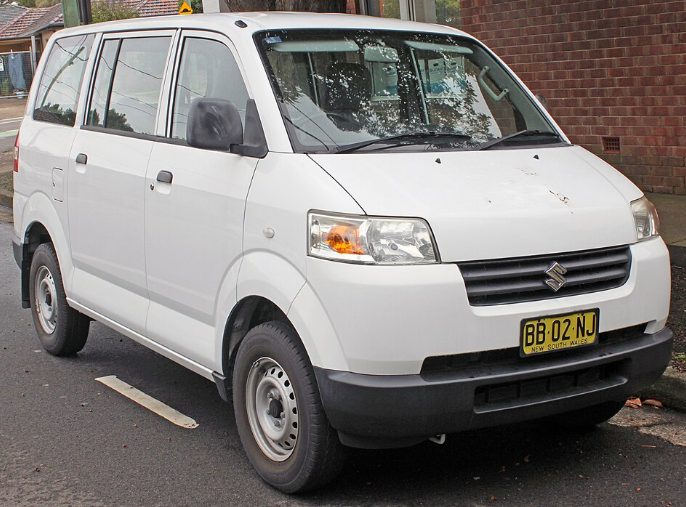
suzuki apv 2005-2015 Common Problems & Issues
Cooling system overheating and sagging, noisy rear leaf springs are the two most common APV complaints -- both tied to the heavy daily-use conditions these vans typically see.
1
Critical
3
Moderate
0
Minor
Known Issues
Rear Suspension Sag and Noisy Leaf Springs
ModerateA common issue with the Suzuki APV is the rear suspension's tendency to sag, particularly under load, and noisy leaf springs due to bushing wear. The vehicle's truck-style rear suspension, featuring a rigid axle and leaf springs, is robust but can fatigue over time. Symptoms include a noticeable drop in ride height when carrying cargo or passengers, clunking noises when driving over bumps, and potentially uneven tire wear. Causes are typically leaf spring fatigue, broken leaves, worn shackles, or deteriorated bushings at the spring eyes. Diagnosis involves a visual inspection for damage, checking ride height against specifications, and assessing shackle and bushing play. DIY fixes can include replacing worn bushings or shackles, while more severe issues may require replacing entire leaf spring packs. Professional repair, including replacement and alignment, typically takes 2-4 hours. Estimated repair costs range from $200 to $500 including parts and labor, with aftermarket leaf spring sections costing $90 and OEM packs around $180.
Cooling System Overheating
CriticalOverheating is a significant concern for the Suzuki APV, especially in hot climates or under heavy use. This can stem from various components within the cooling system. Common culprits include a failed thermostat that restricts coolant flow, a weak or failing water pump, a clogged radiator, collapsed or leaking hoses, or issues with the cooling fan or its switch. Symptoms range from a rising coolant temperature gauge and a heater that blows cold air to coolant loss and engine sputtering under load. Diagnosis requires pressure testing the system, checking thermostat operation, inspecting hoses and the radiator for blockages or leaks, and verifying fan function. DIY fixes can involve replacing the thermostat (around $10-$35) or hoses ($10-$40), and flushing the system. More involved repairs like water pump replacement can cost $120-$350, while a new radiator might range from $250-$600. If ignored, overheating can lead to severe engine damage, including head gasket failure.
Electrical Charging System Issues
ModerateOwners of the Suzuki APV frequently report problems with the electrical charging system, primarily concerning the alternator and battery. This is often exacerbated by the demands of powering various accessories, especially in commercial applications. Symptoms typically include a battery drain, dimming headlights or interior lights, the illumination of the charging warning lamp on the dashboard, and ultimately, a failure to start the engine. The root causes can be an aging alternator with worn brushes, corroded electrical connections, a parasitic drain on the battery, or simply an old, degraded battery. Diagnosis involves measuring the charging voltage at idle and when the engine is revved, performing a load test on the battery, and inspecting wiring for corrosion or damage. Simple DIY fixes include cleaning terminals and replacing the alternator belt. Battery replacement costs between $60-$150, while a professional alternator rebuild or replacement typically ranges from $150-$450.
Interior Water Ingress and Seal Deterioration
MinorThe design of the Suzuki APV, like many MPVs and vans, can be susceptible to water leaks, particularly around the doors and windows. Over time, the rubber seals can deteriorate, crack, or lose their flexibility, allowing water to seep into the cabin. Clogged drain holes in the doors or body can also contribute to water buildup. Symptoms of this issue include wet carpets, a persistent musty odor inside the vehicle, and potentially "electrical gremlins" affecting interior electronics like power windows or the radio. Diagnosis is straightforward, involving a visual inspection of the seals for wear or damage and performing a water test by spraying the exterior with a hose. DIY solutions focus on cleaning drain channels and applying seal conditioners or replacing worn seals, which can cost $10-$60 per seal depending on the type and source. Professional replacement of door seals and associated moldings might cost between $100-$300.
Automatic Transmission Shifting Issues
ModerateWhile manual transmission Suzuki APVs are generally reliable, the 4-speed automatic gearbox can exhibit age-related issues. Owners often report slower shift quality, delayed engagement, or harsh shifts, particularly as the vehicle accumulates mileage. In some cases, slipping between gears or a noticeable burning fluid smell can indicate more serious internal wear. The primary causes are typically aged and degraded transmission fluid, worn clutches or bands within the transmission, or problems with the valve body. Diagnosis involves checking for transmission diagnostic trouble codes, inspecting the condition and level of the transmission fluid, and performing a road test. A DIY fix involves changing the automatic transmission fluid (ATF) and filter, which costs around $40-$120. Professional servicing or repair can range significantly, from $600-$2,000 for repairs and services, with full rebuilds or replacements costing substantially more. Regular ATF and filter changes every 40,000 km are recommended to mitigate these issues.
What to Check Before Buying
The Suzuki APV, spanning model years from 2005 through 2015, is recognized for its utility and economic operation, making it a practical choice for both commercial ventures and family transport. Its rear-wheel-drive layout and straightforward mechanicals contribute to a generally robust and dependable platform, especially when routine maintenance is diligently performed. However, prospective and current owners should be aware of common wear points and potential issues to ensure the longevity and optimal performance of their APV.
One of the most frequently cited areas for attention is the rear suspension, specifically the leaf springs. Due to the APV's design and often commercial usage, these springs can sag under load or develop fatigue over time. Regular inspections of the leaf springs, shackles, and U-bolts are recommended, perhaps every 10,000 km, particularly in humid or dusty environments where corrosion can accelerate wear. Addressing sagging springs promptly is crucial for maintaining cargo capacity, handling stability, and ride comfort. Replacing worn bushings or entire spring packs are common remedies.
Cooling system health is another critical aspect. Overheating can lead to severe engine damage, including costly head gasket repairs. Owners should monitor coolant levels regularly and ensure the cooling fan operates correctly, especially during hot weather or heavy use. Proactive replacement of the thermostat and water pump around the 80,000–100,000 km mark is a wise preventive measure for heavily utilized vehicles. Flushing and replacing coolant at recommended intervals, typically every 40,000–60,000 km, is also vital.
Electrical systems, particularly the alternator and battery, require attention. Vehicles used for frequent short trips or those powering numerous accessories are more prone to battery drain and alternator wear. Annual testing of the charging system is advisable for such applications. Keeping battery terminals clean and ensuring the alternator belt is in good condition are basic but important checks.
Water ingress through door and window seals is a persistent nuisance that can lead to secondary problems like mold, musty odors, and damage to interior electronics. Regularly inspecting these seals and addressing any leaks promptly by cleaning drains or replacing worn seals will help maintain a dry and pleasant cabin environment.
For automatic transmission models, maintaining the fluid and filter is paramount. The 4-speed automatic can become sluggish or develop shifting issues if not properly serviced. Adhering to a more frequent ATF and filter change schedule, perhaps every 30,000–40,000 km, especially for vehicles used in stop-and-go traffic or under heavy loads, can significantly extend its life and prevent expensive repairs. Manual transmissions, while generally more durable, still benefit from regular fluid checks and changes.
When purchasing a used APV, especially one with a commercial history, a thorough inspection is essential. Look for signs of abuse, such as heavily worn suspension components, evidence of overheating (e.g., discolored engine components), or significant rust. A documented maintenance history, particularly detailing work on the cooling system, suspension, and drivetrain, can significantly increase buyer confidence and the vehicle's long-term value. Prioritizing manual transmission models can lead to lower long-term maintenance costs in markets where they are readily supported. For those in tropical climates, consider more frequent oil and filter changes, and ensure underbody protection against rust and corrosion. Overall, the Suzuki APV 2005, Suzuki APV 2006, Suzuki APV 2007, Suzuki APV 2008, Suzuki APV 2009, Suzuki APV 2010, Suzuki APV 2011, Suzuki APV 2012, Suzuki APV 2013, Suzuki APV 2014, and Suzuki APV 2015 offer a solid value proposition if common issues are managed proactively through diligent maintenance and timely repairs.
Where to Buy Parts
Frequently Asked Questions
Is the 2007 Suzuki APV reliable for commercial use?+
The 2007 APV is generally reliable for commercial use when properly maintained, due to a simple RWD layout and proven G-series engine. However, owners should inspect rear leaf springs, cooling system history, and gearbox condition because heavy load and hot climates accelerate wear. Documented service history materially improves reliability and resale.
How much does it cost to replace the APV radiator in 2010 models?+
Expect around $220 for an OEM radiator plus $100–$200 labor, totaling approximately $320–$420. Aftermarket units typically cost about $120 plus labor. Prices can vary by region and availability.
Do Suzuki APV models from 2005–2015 have common transmission problems?+
Manual APVs are robust. Automatic (4-speed) units can show aging symptoms like sluggish shifts or slipping, especially without regular ATF service. Frequent ATF and filter changes at approximately 40,000 km intervals can prevent many issues, though full rebuilds represent the most expensive repairs.
What are the best tips for APV ownership in hot/tropical climates?+
Increase the frequency of air filter and oil changes. Inspect and protect the underbody and leaf springs from rust and corrosion. Monitor the coolant and radiator fan closely during hot seasons. Proactive cooling system maintenance and using quality fluids can reduce wear and prevent overheating.
Can I find Suzuki APV spare parts easily?+
Common wear parts like filters, belts, brake pads, batteries, and alternators are generally available through dealers and aftermarket suppliers globally. More specialized components might require ordering from regional distributors or online marketplaces.
Also worth reading
suzuki apv 2005-2015 Spare Parts & Pricing