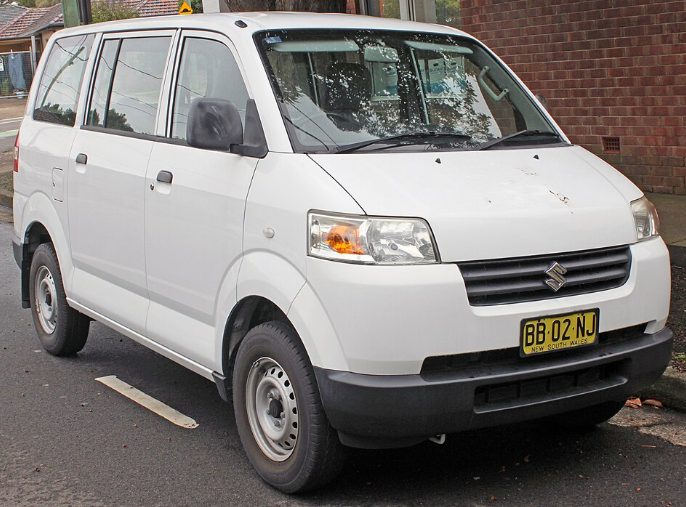
suzuki apv 2005-2015 Spare Parts & Pricing
The APV's popularity as a commercial minivan keeps most service parts affordable and easy to find. A full rear leaf spring pack replacement is the standout expensive job, driven by the heavy loads these vans typically carry.
Suspension
| Part | Price Range | Availability | Interval |
|---|---|---|---|
| Rear leaf spring (complete pack) The rear leaf springs are critical for carrying loads and maintaining ride height. Fatigue or breakage, especially under heavy use, is a common complaint. Replacement is recommended when sag is observed or leaves are cracked. Both OEM and aftermarket options are available, with aftermarket being significantly cheaper. | $90 – $180 | Widely available (OEM and aftermarket) | 80,000–150,000 km, depending on load |
| Leaf spring bushing kit These bushings are part of the leaf spring mounting hardware. Worn bushings can cause noise, clunking over bumps, and contribute to uneven tire wear. They are relatively inexpensive and can often be replaced as a kit. | $35 | Widely available | As needed, typically with leaf spring service |
Cooling System
| Part | Price Range | Availability | Interval |
|---|---|---|---|
| Water pump A failing water pump can lead to engine overheating, potentially causing severe damage. It's often replaced preventatively during other cooling system services or when symptoms like coolant leaks or bearing noise appear. Aftermarket options offer significant savings. | $30 – $75 | Widely available (OEM and aftermarket) | Approximately 80,000–100,000 km for proactive replacement |
| Thermostat A faulty thermostat can cause the engine to run too cool or too hot. Symptoms include poor heater performance or rising temperature gauge. It's an inexpensive part, and replacement is a common DIY task. | $15 – $35 | Widely available | As needed, or proactively with other cooling system components |
| Radiator The radiator is essential for dissipating engine heat. Clogs or leaks can lead to overheating. Replacement is a common repair, especially on older or heavily used vehicles. Aftermarket radiators are a more affordable option than OEM. | $120 – $220 | Widely available (OEM and aftermarket) | As needed, or after significant overheating events |
Electrical
| Part | Price Range | Availability | Interval |
|---|---|---|---|
| Alternator The alternator is responsible for charging the battery and powering the vehicle's electrical systems. Common failure points include worn brushes or bearings. Symptoms include a dimming battery light or a dead battery. Remanufactured OEM units offer a balance of quality and cost. | $90 – $160 | Widely available (OEM remanufactured and aftermarket) | As needed, typically between 100,000–200,000 km |
| Battery A reliable battery is crucial for starting and powering electronics. Given the APV's potential for accessory loads and hot climates, a heavy-duty or AGM battery might be beneficial. Replacement is straightforward for most owners. | $75 – $150 | Widely available | 2–4 years |
Body
| Part | Price Range | Availability | Interval |
|---|---|---|---|
| Door seal Worn or damaged door seals can lead to water ingress into the cabin, causing musty smells and potential electrical issues. Replacing them is a relatively simple DIY fix that can significantly improve interior comfort and prevent further problems. | $10 – $60 | Widely available (aftermarket) | As needed, when deterioration or leaks occur |
Drivetrain
| Part | Price Range | Availability | Interval |
|---|---|---|---|
| Automatic transmission fluid (ATF) Regular changes of automatic transmission fluid are vital for the longevity of the 4-speed automatic gearbox, which can be prone to sluggish shifts or slipping if not maintained. Using the correct type of ATF is essential. | $8 – $12 | Widely available | Every 40,000 km, or sooner for severe use |
| Automatic transmission filter kit This kit typically includes the filter and gasket needed for an automatic transmission fluid service. Changing the filter along with the fluid helps to remove accumulated debris and maintain smooth transmission operation. | $40 | Widely available | Every 40,000 km, with ATF change |
Brakes
| Part | Price Range | Availability | Interval |
|---|---|---|---|
| Front brake pads set Front brake pads are a common wear item. The APV uses disc brakes up front. Aftermarket pads offer a cost-effective solution for regular replacement, while OEM pads may offer slightly better initial performance. | $18 – $35 | Widely available (OEM and aftermarket) | Inspect every 10,000 km; replace as needed based on wear |
| Front brake disc Brake discs (rotors) should be inspected for wear, warping, or scoring when replacing brake pads. If they are significantly worn or damaged, replacement is necessary for optimal braking performance and safety. | $45 | Widely available (OEM) | As needed, often replaced with pads if worn/warped |
Filters
| Part | Price Range | Availability | Interval |
|---|---|---|---|
| Engine oil filter The oil filter is a critical component for engine health, removing contaminants from the lubricating oil. It should always be replaced during an oil change to ensure the engine receives clean oil. | $6 | Widely available (OEM) | Every 5,000–7,500 miles (8,000–12,000 km) with oil change |
| Engine air filter A clean air filter is essential for engine performance and fuel efficiency by ensuring proper airflow to the engine. Replacement is recommended more frequently in dusty conditions, common in many APV operating regions. | $8 – $25 | Widely available (OEM and aftermarket) | Every 15,000–30,000 km |
Engine
| Part | Price Range | Availability | Interval |
|---|---|---|---|
| Head gasket A blown head gasket is a serious engine issue, often resulting from severe overheating. Replacement is a labor-intensive and costly repair, but aftermarket gaskets can reduce parts expenses. It's crucial to address overheating promptly to prevent this. | $45 – $120 | Available (OEM and aftermarket) | As needed, typically after overheating |
| Timing chain kit The APV uses a timing chain on some variants, which generally lasts longer than a belt. However, tensioners and guides can wear over time. A complete kit replacement is recommended if noise or slack is detected. | $60 – $120 | Available | Check at 90,000 km, replace as needed |
Sensors
| Part | Price Range | Availability | Interval |
|---|---|---|---|
| Oxygen sensor The oxygen sensor helps regulate the air-fuel mixture for optimal emissions and fuel economy. A failing sensor can lead to poor performance, increased fuel consumption, and check engine light illumination. | $75 | Available (OEM) | As needed, typically 100,000+ km |
| Coolant temperature sensor This sensor informs the engine control unit (ECU) about the engine's operating temperature, affecting fuel injection and fan operation. A faulty sensor can lead to incorrect readings, impacting performance and potentially causing overheating. | $25 | Available (OEM) | As needed |
Buying Guide
When considering a used Suzuki APV from the 2005–2015 generation, prospective buyers should conduct a thorough inspection, paying close attention to the vehicle's intended use and maintenance history. These vans, particularly models like the Suzuki APV 2005 and Suzuki APV 2008, were often used for commercial purposes, meaning they might have experienced heavier loads and more demanding operating conditions than typical passenger cars. This heavy use directly impacts the wear on various parts, especially the rear suspension's rear leaf springs and the cooling system.
Start with a visual inspection of the exterior and interior. Look for signs of rust, especially around the wheel arches, sills, and underbody, as corrosion can compromise structural integrity. Check the paintwork for inconsistencies that might indicate accident repairs. Inside, inspect the condition of the seats, carpets, and headliner. Pay attention to any musty smells or visible water stains, which could indicate interior water ingress from worn door seals or a compromised cooling system. Ensure all electronics, from the radio to power windows, are functioning correctly; electrical charging system problems can sometimes manifest as intermittent electronic failures, often linked to the alternator.
Under the hood, examine the engine bay for any signs of leaks, such as coolant residue or oil drips. Check the condition of hoses and belts; they should be free from cracks or excessive wear. The coolant should be clean and at the proper level. Look at the battery terminals for corrosion, which can indicate a struggling battery or alternator. Listen for any unusual noises when the engine is running, such as ticking, knocking, or whining sounds, which might point to issues with the timing chain kit or water pump.
A critical area for the Suzuki APV is the rear suspension. Inspect the rear leaf springs for any signs of sagging, cracking, or broken leaves. This is a common issue, especially on vehicles used for hauling heavy loads, and is relevant for all model years, including the Suzuki APV 2006 and Suzuki APV 2007. Bounce each corner of the vehicle to check the responsiveness of the shock absorbers; they should not feel excessively soft or leaky. Also, check the leaf spring bushing kit for excessive wear, which can cause clunking noises over bumps.
Test drive the vehicle thoroughly. Pay attention to how the engine performs under acceleration. Does it pull smoothly without hesitation? Listen for any strange noises. Check the transmission: for manual versions, the clutch should engage smoothly, and gear changes should be precise. For automatic models, shifts should be reasonably smooth, without harshness, slipping, or significant delays. The Suzuki APV 2009 and Suzuki APV 2010, like other years in this range, can develop transmission issues if not maintained with regular automatic transmission fluid (ATF) and automatic transmission filter kit changes.
During the test drive, monitor the temperature gauge closely. Any tendency for the needle to climb towards the red zone, especially under load or on inclines, indicates potential cooling system inefficiencies or problems with the radiator, water pump, or thermostat. Test the brakes; they should feel firm and stop the vehicle effectively without pulling to one side or making grinding noises, which could suggest worn front brake pads set or warped front brake disc components.
Check the vehicle's service history if available. A well-documented maintenance record, particularly for cooling system flushes, automatic transmission fluid changes, and suspension component checks, significantly increases the value and reliability of a used Suzuki APV. For models like the Suzuki APV 2011 or Suzuki APV 2012, evidence of regular maintenance can mitigate concerns about common problems. This includes consistent replacement of the engine oil filter and engine air filter.
Consider the specific model year and its known issues. While the 1.5L and 1.6L G-series engines are generally robust, the cooling system, rear leaf springs, alternator, and door seals are recurring points of concern across the 2005-2015 production run. For example, owners of the Suzuki APV 2014 might be more concerned about potential alternator wear, while those looking at a Suzuki APV 2015 might focus more on the condition of the leaf springs and possible interior water ingress. A blown head gasket is a serious but less common issue, usually a result of prolonged overheating.
It is highly recommended to have a pre-purchase inspection performed by a qualified mechanic who is familiar with the Suzuki APV. They can identify potential issues that might not be apparent to an average buyer, such as worn suspension bushings, a weak water pump, a faulty oxygen sensor, or early signs of electrical problems indicated by a failing coolant temperature sensor. This inspection can save you significant repair costs down the line and provide peace of mind.
Common Accessories
Heavy-Duty Floor Mats
Protect your Suzuki APV's interior from dirt, spills, and wear, especially useful for commercial or family use. These mats are durable and easy to clean.
Shop on AmazonCargo Organizer
Keep tools, groceries, or commercial supplies neatly organized in the APV's spacious cargo area. Prevents items from shifting during transit.
Shop on AmazonDash Cam
Record your journeys for security, insurance purposes, or capturing scenic drives. A dash cam provides an extra layer of protection on the road.
Shop on AmazonJump Starter Kit
A portable jump starter is an essential emergency tool for a dead battery, offering peace of mind for any Suzuki APV owner.
Shop on AmazonSeat Covers
Protect your seats from spills, stains, and daily wear and tear, especially important for vehicles used for work or with children. They also offer a chance for customization.
Shop on AmazonOBD-II Scanner
Diagnose engine codes and monitor vehicle performance, helping you identify potential issues with your Suzuki APV early. Essential for proactive maintenance.
Shop on AmazonWhere to Buy Parts
Frequently Asked Questions
How much does it cost to replace the APV radiator for 2010 models?+
For a Suzuki APV 2010, expect to pay approximately $220 for an OEM radiator, plus $100–$200 for labor, totaling around $320–$420. Aftermarket radiators are more affordable, often costing about $120 for the part, with similar labor costs. Prices can vary based on your location and the specific repair shop. Always factor in the cost of new coolant as well.
Can I find Suzuki APV spare parts easily?+
Common wear-and-tear parts like filters, brake pads, batteries, and belts are generally available through local Suzuki dealers and aftermarket parts stores in many regions. More specialized components, such as rear leaf springs or specific engine parts for models like the Suzuki APV 2008, might require ordering from regional suppliers or dedicated importers. Availability can vary significantly by country and specific part.
What is the typical cost difference between OEM and aftermarket rear leaf springs for the Suzuki APV?+
For a Suzuki APV, OEM rear leaf springs can range from $90-$180 per complete pack. Aftermarket options, while potentially offering significant savings, typically start from $90 and can go up to $150, depending on the brand and quality. While aftermarket can be cheaper, it's vital to choose reputable brands to ensure durability and proper load-carrying capacity, especially for models like the Suzuki APV 2013.
Where is the best place to source genuine Suzuki APV electrical parts like the alternator?+
For critical electrical parts like the alternator for your Suzuki APV 2011, sourcing from an authorized Suzuki dealership or a trusted parts distributor specializing in genuine OEM or high-quality remanufactured OEM units is recommended. While aftermarket alternators are available and often cheaper, ensuring reliability and compatibility is paramount to avoid recurring electrical charging system problems.
Are there common issues with aftermarket automatic transmission fluid and filter kits for the Suzuki APV?+
When using aftermarket automatic transmission fluid (ATF) and filter kits for your Suzuki APV, the primary concern is ensuring the fluid meets the correct specifications for the 4-speed automatic transmission. Using the wrong ATF or a low-quality filter can lead to sluggish shifts, slipping, or premature transmission wear. Always verify compatibility and choose reputable brands to maintain the longevity of your transmission, particularly for older models like the Suzuki APV 2005.
How can I identify counterfeit Suzuki APV parts, especially for critical components like brake pads?+
Identifying counterfeit Suzuki APV parts, especially critical ones like front brake pads set, involves checking for genuine packaging, holograms, proper branding, and consistent quality. Counterfeit parts often have poor finish, incorrect weight, or suspicious pricing that is significantly lower than average. Always purchase from authorized dealers or reputable parts suppliers to minimize the risk, as fake parts can compromise safety and vehicle performance for any Suzuki APV model, including the Suzuki APV 2015.
What is the availability of cooling system components like the water pump and thermostat for older Suzuki APV models like the 2005 Suzuki APV or 2006 Suzuki APV?+
Cooling system components such as the water pump and thermostat for older Suzuki APV models, including the Suzuki APV 2005 and Suzuki APV 2006, are generally widely available. Both OEM and aftermarket options can be found through Suzuki dealerships, independent auto parts stores, and online retailers. Due to the APV's popularity, these parts remain in good supply, offering owners flexibility in choosing between original equipment quality and more budget-friendly aftermarket alternatives.
Also worth reading
suzuki apv 2005-2015 Common Issues