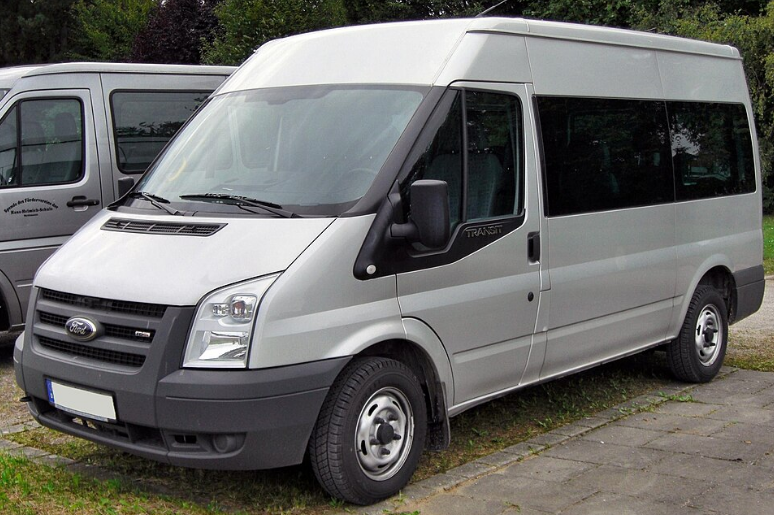
ford transit 2006-2013 Common Problems & Issues
The Ford Transit Mk7, produced from 2006 to 2013, is a robust and widely utilized mid-to-large commercial van. It is crucial to clarify that this generation is officially the 7th generation, not the 5th generation, which was produced much earlier. This distinction is important for accurately identifying parts and understanding specific model characteristics. The Ford Transit Mk7 replaced the Mk6 series (1998–2006) and was succeeded by the 'All-New Transit' (Mk8) in 2014. Throughout its production, models such as the Ford Transit 2006, Ford Transit 2007, and Ford Transit 2008 became mainstays in Europe, Africa, the Middle East, Asia, and South America, serving diverse roles from cargo transport to passenger services. This vehicle is a common sight in logistics and public service sectors globally. The engine options for the Ford Transit Mk7 were predominantly diesel, featuring the reliable Duratorq TDCi family. These included various power outputs of the 2.2L Duratorq TDCi (90/100/115/130/140 hp), the 2.4L Duratorq TDCi (100/115/140 hp), and a more powerful 3.2L Duratorq TDCi (200 hp) for higher-spec models. While petrol engines like the 2.3L and 2.5L were available in some markets, diesel variants were the dominant choice for their efficiency and torque, especially in commercial applications. Most Ford Transit models from 2006 to 2013 were equipped with a durable 6-speed manual transmission, with some earlier or lower-power variants featuring a 5-speed manual. No automatic transmission was offered for the Transit van in this generation. Body types were extensive, catering to various commercial needs. These included the versatile panel van, available in multiple wheelbases and roof heights (S, M, L, XL), as well as crew van, chassis cab, minibus (up to 17+1 seats), and Kombi (mixed cargo/passenger) configurations. Specialized utility variants like tippers were also available regionally. The Ford Transit Mk7, including the Ford Transit 2009, Ford Transit 2010, Ford Transit 2011, Ford Transit 2012, and Ford Transit 2013 models, utilized a dedicated Ford commercial platform, sharing some components like engine and transmission families with other Ford and Mazda commercial vehicles, such as the Ford Super Duty trucks and Ford Ranger. Understanding the common problems and maintenance requirements of this generation is vital for owners to ensure the longevity and cost-effective operation of their Ford Transit.
1
Critical
4
Moderate
0
Minor
Known Issues
DPF (Diesel Particulate Filter) Contamination & Oil Level Rise
CriticalThe Ford Transit Mk7, particularly models like the Ford Transit 2006 and Ford Transit 2007, often experiences DPF (Diesel Particulate Filter) contamination. Symptoms typically include an excessive oil level rise due to fuel dilution, noticeable black smoke from the exhaust, reduced power, or the vehicle entering limp mode, accompanied by a DPF warning light. The primary causes are incomplete DPF cleaning cycles, the use of low-quality fuel, especially with over 5% biodiesel content, and frequent short trips that prevent the filter from regenerating effectively. A faulty EGR valve or fuel flow solenoid can also contribute to this issue. Diagnosis involves checking the oil level and condition for fuel contamination, inspecting the DPF for soot buildup, and scanning for EGR and fuel system fault codes. Owners can mitigate this by using high-quality diesel and driving longer stretches at highway speeds. Professional repairs range from DPF cleaning, costing $250–$400 (₦412,000–₦660,000), to a full DPF replacement, which can be $1,200–$2,200 (₦2,000,000–₦3,600,000). EGR valve replacement may cost $150–$300 (₦250,000–₦495,000), alongside an oil change and system flush.
Injection System & Idle Fluctuation (2.2 TDCi 115)
ModerateOwners of the Ford Transit Mk7, particularly the Ford Transit 2008, Ford Transit 2009, and Ford Transit 2010 models equipped with the 2.2 TDCi 115 engine, frequently report issues with the injection system and idle fluctuation. Common symptoms include an erratic or fluctuating idle speed, rough running at low RPMs, and occasional power loss, often without immediate fault codes. The root causes are typically faulty injectors, problems with the fuel flow regulator, or issues with the EGR valve. Diagnosing these problems involves performing an injector balance test, a fuel system pressure test, and an OBD2 scan to check for any pending codes. DIY fixes are limited but include using high-quality fuel and ensuring regular fuel filter replacement. Professional repairs often involve replacing individual injectors, costing $180–$350 (₦297,000–₦577,000) per injector, or a full set of four for $720–$1,400 (₦1,200,000–₦2,300,000). Replacement of the fuel flow regulator or EGR valve may also be necessary to resolve the issue.
Cooling System & Hose Failures (2.4 TDCi)
ModerateThe cooling system in the Ford Transit Mk7, especially the Ford Transit 2011 models fitted with the 2.4 TDCi engine, is prone to specific hose failures. Owners may observe symptoms such as persistent coolant loss, overheating under load, and visible coolant leaks, particularly around the EGR or cooler area. The primary cause is often a damaged hose connecting the coolant pump to the EGR system, exacerbated by weak hose material due to aging and thermal stress on the EGR cooling circuit. Diagnosis requires a thorough visual inspection of all coolant hoses, a pressure test of the entire cooling system, and a check for coolant presence in the exhaust, which could indicate an internal EGR issue. DIY solutions involve replacing worn hoses with OEM or high-quality aftermarket parts and flushing and refilling the coolant. Professional repairs focus on hose replacement, costing $30–$80 (₦50,000–₦132,000), and inspecting or replacing the EGR cooler if it has sustained damage. A full coolant system service can range from $120–$250 (₦200,000–₦412,000).
Propshaft Centre Bearing Noise & Vibration
ModerateA common issue reported by owners of the Ford Transit Mk7, including the Ford Transit 2012, is noise and vibration emanating from the propshaft centre bearing. Symptoms manifest as a knocking or clunking sound from underneath the vehicle, noticeable vibration at certain speeds, and increased noise when the vehicle is under load. The primary cause is a worn or damaged propshaft centre bearing, or potential misalignment and excessive wear within the driveline components. Diagnosis involves a visual and physical inspection of the propshaft, checking for any play in the centre bearing, and conducting a road test to pinpoint the specific speed range where vibration occurs. DIY fixes are limited for this issue as centre bearing replacement typically requires specialized tools and expertise. Professional repairs focus on propshaft centre bearing replacement, which costs $60–$150 (₦100,000–₦250,000). In cases of more extensive damage or wear, a full propshaft replacement may be necessary, with costs ranging from $300–$600 (₦500,000–₦990,000).
Steering & Suspension Issues (General)
ModerateGeneral steering and suspension issues are frequently observed in the Ford Transit Mk7, particularly in the Ford Transit 2013 models and those with high mileage or heavy usage. Common symptoms include steering wander or a feeling of looseness, uneven tire wear patterns, and clunking noises when driving over bumps. These problems are typically caused by worn steering rack components or tie rods, deteriorated bushings in the front suspension, or fatigue in the rear leaf springs. Diagnosis involves a thorough inspection of all steering components, a detailed assessment of suspension bushings and shock absorbers, and an analysis of tire wear patterns. DIY repairs for these issues are generally limited, as most require professional tools and expertise for safe and effective replacement. Professional repairs may include tie rod replacement, costing $80–$180 (₦132,000–₦297,000), or a more extensive steering rack replacement, which can range from $450–$900 (₦750,000–₦1,500,000). Suspension bushing replacement and rear leaf spring or shock absorber replacement, costing $200–$400 (₦330,000–₦660,000) for a leaf spring, are also common.
What to Check Before Buying
For anyone owning or considering a Ford Transit Mk7 from 2006 to 2013, understanding the vehicle's unique characteristics and maintenance requirements is paramount for long-term reliability. The Ford Transit Mk7, including the Ford Transit 2006, Ford Transit 2007, and Ford Transit 2008 models, has earned a reputation as a durable and reliable commercial van, especially when properly maintained. Its diesel engines, such as the 2.2L Duratorq TDCi and 2.4L Duratorq TDCi, are robust workhorses, but they demand attention to fuel quality and the DPF (Diesel Particulate Filter) and EGR (Exhaust Gas Recirculation) systems. Owners of the Ford Transit 2009, Ford Transit 2010, and Ford Transit 2011 often highlight the importance of adhering to service schedules to prevent common issues.
High-cost repairs are a significant consideration for any Ford Transit from 2006 to 2013. The most substantial expenses typically revolve around DPF replacement or major cleaning, which can run into thousands of dollars. Similarly, addressing injector set replacement, especially for the 2.2 TDCi 115 engine, can be costly. Steering rack replacement is another major expenditure, as are full propshaft or driveline repairs in vehicles subjected to heavy use. For the Ford Transit 2012 and Ford Transit 2013, clutch kit replacement, particularly on high-mileage vans, also represents a significant investment. These repairs underscore the importance of proactive maintenance and early diagnosis.
On a more routine basis, owners should expect to frequently replace items like oil and fuel filters, front brake discs and pads, and suspension bushings and shocks. The battery and alternator, along with cooling hoses and the water pump, are also common replacement items over the vehicle's lifespan. These are generally considered standard wear-and-tear components for any commercial vehicle operating under load. While some 2.2/2.4 TDCi engines use a timing chain that doesn't require scheduled replacement, owners of models with a timing belt should adhere to the 100,000–120,000 miles or 10-year interval.
Long-term ownership of a Ford Transit Mk7 necessitates a keen eye on maintenance history. Neglected DPF and EGR systems can quickly escalate into very expensive failures, impacting the vehicle's operational capacity and resale value. High-load or fleet use naturally accelerates wear on components such as the suspension, brakes, and driveline, requiring more frequent inspection and replacement. Vehicles with comprehensive service records and documented DPF care command significantly higher resale value, sometimes 10–20% more than comparable models with an unknown history. Visible neglect, such as persistent oil issues, DPF warnings, or coolant leaks, will drastically reduce buyer confidence and price.
For global owners, especially those in regions with challenging conditions, specific longevity best practices are crucial. Always use high-quality diesel with low biodiesel content to protect the DPF and injectors. In dusty environments, increasing service frequency for air filter and oil changes is highly recommended. Ensuring the cooling system is fully functional and avoiding overloading the vehicle, especially in extreme heat, will prevent overheating and related damage. Regular underbody washing can mitigate corrosion from road salt or dust. Finally, avoiding prolonged idling is vital, as it exacerbates DPF and EGR issues. By following these guidelines, owners of any Ford Transit from 2006 to 2013 can maximize their vehicle's lifespan and minimize unexpected repair costs.
Where to Buy Parts
Frequently Asked Questions
Is the 2007 Ford Transit reliable for long-term commercial use?+
The 2007 Ford Transit (Mk7) is generally considered reliable for commercial use, provided it receives regular maintenance and uses high-quality diesel fuel. Early Mk7 models (2006–2008) can experience DPF contamination issues if the vehicle is used predominantly for short trips or with low-quality, high-biodiesel fuel. Owners who follow the factory service schedule, monitor oil levels, and avoid constant short-distance driving typically report trouble-free operation up to 200,000+ miles. However, neglecting DPF and EGR maintenance can lead to expensive repairs, so a well-documented maintenance history is crucial when evaluating a 2007 Transit for long-term use.
What are the most common problems with the 2010 Ford Transit 2.2 TDCi?+
The 2010 Ford Transit with the 2.2 TDCi engine commonly suffers from DPF contamination, leading to oil level rise, black smoke, and power loss. Injector-related issues can cause fluctuating idle speed and rough running, sometimes without immediate fault codes. Cooling system hoses, particularly those connecting the coolant pump to the EGR system, may degrade and cause coolant loss. Additionally, some owners report propshaft centre bearing noise and vibration under load. These problems are well-documented in owner forums and mechanic reports; addressing them early with quality fuel, regular fuel filter changes, and periodic DPF inspections can prevent major failures.
How often should the Ford Transit 2013 have its DPF cleaned or serviced?+
There is no fixed mileage interval for DPF cleaning on the 2013 Ford Transit; instead, it depends on usage pattern and fuel quality. In ideal conditions (mixed driving, good fuel), the DPF may last 100,000–150,000 miles before needing attention. However, in urban-only, short-trip, or high-biodiesel fuel scenarios, DPF issues can appear as early as 40,000–60,000 miles. Owners should monitor DPF warning lights, exhaust smoke, and oil level changes, and consider professional DPF diagnostics every 60,000 miles if the vehicle is used heavily. Regular fuel filter changes and using low-biodiesel diesel are the best preventive measures.
Are Ford Transit 2006–2013 parts expensive in Nigeria compared to Europe?+
Ford Transit 2006–2013 parts in Nigeria are generally more expensive than in Europe due to import costs, limited local stock, and logistics. In Europe, common items like brake discs, filters, and suspension parts are often available at competitive prices from multiple suppliers. In Nigeria, most parts are imported from Europe or Asia, and prices can be 30–60% higher, especially for specialized components like DPF units, injectors, and steering racks. However, for generic items (filters, brakes, bulbs), local wholesalers and used-parts markets can offer more affordable options. Buyers should compare OEM, aftermarket, and used options and consider total cost including delivery and potential delays.
What maintenance mistakes most quickly reduce the lifespan of a Ford Transit Mk7?+
The fastest ways to reduce a Ford Transit Mk7's lifespan are: using low-quality or high-biodiesel diesel (causing DPF and injector damage), neglecting regular oil and filter changes, ignoring cooling system hose deterioration, and overloading the vehicle beyond its rated capacity. Short-trip, city-only driving without occasional longer runs prevents DPF cleaning cycles, leading to blockages and costly replacements. Failing to address early warning signs like oil level rise, black smoke, or coolant leaks can cause cascading engine and exhaust system damage. Consistent, model-specific maintenance and proper loading are essential for long-term reliability.