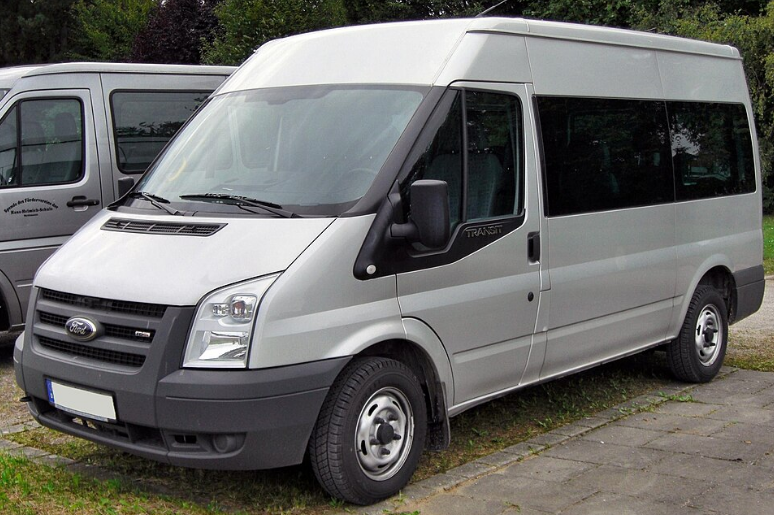
ford transit 2006-2013 Maintenance Schedule
The Ford Transit Mk7, produced from 2006 to 2013, stands as a highly regarded mid-to-large commercial van, widely utilized globally for a variety of roles including cargo transport, passenger services, and specialized utility. It succeeded the Mk6 generation and preceded the Mk8, often referred to as the 'All-New Transit'. While some regional listings might mistakenly label it as the '5th Gen', it is officially the 7th generation Ford Transit, a crucial distinction for owners seeking accurate information and parts. This guide focuses on the Ford Transit Mk7 (2006–2013), covering all model years from the Ford Transit 2006 to the Ford Transit 2013. This generation of the Ford Transit is particularly prevalent in European, African, Middle Eastern, Asian, and South American markets, proving its adaptability and robustness. The Ford Transit 2007, Ford Transit 2008, and Ford Transit 2009 models, like their counterparts, are known for their workhorse capabilities. Owners of the Ford Transit 2010, Ford Transit 2011, and Ford Transit 2012 models appreciate the range of powerful diesel engines, primarily the 2.2L Duratorq TDCi (available in 90, 100, 115, 130, and 140 hp variants), 2.4L Duratorq TDCi (100, 115, 140 hp), and a potent 3.2L Duratorq TDCi (200 hp) for higher-spec models. While petrol engines were offered in some regions, diesel powerplants dominate, especially in key export markets. Most Ford Transit Mk7s come equipped with a reliable 6-speed manual transmission, with some earlier or lower-power variants featuring a 5-speed manual, and notably, no automatic transmission was offered for Transit vans in this generation. The Ford Transit 2013 models continued this tradition of manual transmissions. The Ford Transit Mk7 is built on a dedicated Ford commercial platform, ensuring its suitability for heavy-duty applications. Common body types include the versatile panel van (available in various wheelbases and roof heights), crew van, chassis cab, minibus (up to 17+1 seats), and Kombi variants for mixed cargo and passenger use. Specialized utility versions like tippers were also available. While a robust vehicle, understanding potential Ford Transit 2006-2013 problems is key. Recurring issues often involve DPF contamination, excessive oil level rise, and injector faults, particularly in the 2.2 TDCi engine. The cooling system, especially EGR coolant hoses, and the propshaft centre bearing are also known areas of concern. Steering and suspension issues, such as worn steering rack or tie rods and suspension bushings, can also arise, especially with heavy use. Regular Ford Transit 2006-2013 maintenance and sourcing quality Ford Transit 2006-2013 parts are essential for maximizing the longevity and reliability of your commercial van.
Fluids
| Service | Interval | Notes |
|---|---|---|
| Engine Oil & Filter Change Critical | 16,000 km / 12 mo | Regular engine oil and oil filter replacement is crucial for engine longevity. Old, contaminated oil leads to increased friction and wear. Warning signs include dark, sludgy oil, increased engine noise, or higher oil consumption. This is a critical service for all Ford Transit Mk7 models, including the Ford Transit 2006 and Ford Transit 2013. |
| Brake Fluid Replacement Critical | 24 mo | Brake fluid absorbs moisture over time, which can reduce braking performance and corrode internal components. Replacing it every two years ensures a firm brake pedal and prevents costly repairs to the braking system. Warning signs include a spongy brake pedal or a brake warning light. |
| Coolant Flush & Replacement Critical | 64,000 km / 48 mo | Coolant degrades over time, losing its anticorrosive properties. A coolant flush and replacement every 64,000-80,000 km or four years prevents overheating and protects engine components from corrosion, especially the EGR cooler. High engine temperature readings or a sweet smell can indicate issues, crucial for the Ford Transit 2009 and Ford Transit 2012. |
| Transmission Fluid Check/Change | 64,000 km / 48 mo | For manual transmissions, checking and changing the gearbox oil as recommended ensures smooth gear shifts and prolongs the lifespan of the transmission components. While some Ford Transit Mk7 models may have sealed units, regular inspection is advised, particularly for high-mileage or heavy-duty use. This keeps your 6-speed manual operating optimally. |
Inspection
| Service | Interval | Notes |
|---|---|---|
| Visual Inspection (Brakes, Suspension, Tires, Lights, Fluids) | 16,000 km / 12 mo | A comprehensive visual inspection helps identify early signs of wear or damage to critical components. This includes checking brake pads and discs, suspension components, tire tread depth and pressure, all exterior lights, and topping up essential fluid levels like coolant and brake fluid. This routine check is important for your Ford Transit 2007 and Ford Transit 2010. |
| Full Inspection (Exhaust, DPF, EGR System) Critical | 32,000 km / 24 mo | A thorough inspection of the exhaust system, Diesel Particulate Filter (DPF), and Exhaust Gas Recirculation (EGR) valve is vital for diesel Ford Transit Mk7s. This helps to detect soot buildup, leaks, or malfunctions that can lead to power loss, black smoke, or DPF warning lights. Early detection can prevent expensive DPF cleaning or replacement. |
| Full Suspension & Steering Component Inspection | 64,000 km / 48 mo | With commercial use, suspension bushings, shocks, tie rods, and the steering rack endure significant stress. A detailed inspection every 64,000-80,000 km identifies worn parts causing steering wander, uneven tire wear, or clunking over bumps. Addressing these early improves handling and safety for all Ford Transit Mk7s. |
Filters
| Service | Interval | Notes |
|---|---|---|
| Air Filter Inspection/Replacement | 32,000 km / 24 mo | The air filter prevents dirt and debris from entering the engine, ensuring optimal air-fuel mixture. Inspect the air filter every 32,000 km or 2 years, replacing it if it appears dirty or clogged. A dirty air filter can lead to reduced engine performance and fuel efficiency, affecting your Ford Transit 2008 or Ford Transit 2011. |
| Fuel Filter Replacement (Diesel) Critical | 32,000 km / 24 mo | Crucial for diesel engines, the fuel filter removes impurities from the fuel, protecting the injectors and fuel pump. Replacement every 32,000-40,000 km or 2 years is recommended. Neglecting this can lead to poor engine performance, injector damage, and rough idle. This service is vital for all Ford Transit 2.2 TDCi and 2.4 TDCi engines. |
Belts
| Service | Interval | Notes |
|---|---|---|
| Timing Belt Replacement (if applicable) Critical | 160,000 km / 120 mo | Some 2.2L and 2.4L Duratorq TDCi engines in the Ford Transit Mk7 use a timing chain which generally does not require replacement. However, if your specific engine variant has a timing belt, it is a critical component that must be replaced every 160,000-190,000 km or 10 years to prevent catastrophic engine failure. Check your owner's manual for specifics for your Ford Transit 2010 or Ford Transit 2013. |
Brakes
| Service | Interval | Notes |
|---|---|---|
| Front Brake Discs & Pads Replacement Critical | 60,000 km 40,000 km if severe use | Front brakes are subjected to immense forces, especially in a commercial van like the Ford Transit Mk7. Replace front brake discs and pads every 40,000-60,000 miles (64,000-96,000 km) depending on usage and load. Warning signs include squealing, grinding noises, or reduced braking efficiency. |
| Rear Brake Pads/Shoes Replacement | 96,000 km 60,000 km if severe use | Rear brakes, whether pads or shoes, typically last longer than front brakes but still require regular inspection and replacement. Expect replacement around 60,000-80,000 miles (96,000-128,000 km). Listen for scraping sounds or check for reduced effectiveness. |
Upkeep Tips
Maintaining your Ford Transit Mk7 (2006–2013) is crucial for its longevity and reliability, especially given its role as a commercial vehicle. Owners of the Ford Transit 2006, Ford Transit 2007, Ford Transit 2008, Ford Transit 2009, Ford Transit 2010, Ford Transit 2011, Ford Transit 2012, and Ford Transit 2013 models should pay particular attention to several key areas to prevent common Ford Transit 2006-2013 problems and ensure cost-effective operation.
One of the most critical aspects for diesel Ford Transit Mk7s is DPF care. The Diesel Particulate Filter can become contaminated, leading to excessive oil level rise, black smoke, reduced power, or a DPF warning light. To avoid incomplete DPF cleaning cycles, limit very frequent short trips. When possible, drive longer stretches at highway speeds to allow the DPF to self-clean. Always use high-quality diesel with low biodiesel content (preferably <5%), as low-quality fuel is a major contributor to DPF issues and accelerates injector and pump wear. Regularly monitoring your oil level for a sudden rise can indicate fuel contamination, a symptom of DPF problems.
The cooling system, particularly the EGR coolant hoses, is another area needing vigilance. Inspect these hoses every 32,000 km (20,000 miles) and replace them if you notice any cracks or swelling. Using the correct Ford-approved coolant type is essential to prevent EGR cooler corrosion and ensure efficient engine cooling, especially under heavy cargo loads or in hot climates. Coolant loss or overheating under load are clear warning signs. The water pump should also be checked during major services.
Fuel system maintenance is paramount for the 2.2L Duratorq TDCi and 2.4L Duratorq TDCi engines. Replace the fuel filter every 32,000-48,000 km (20,000-30,000 miles). Contaminated fuel is a direct cause of injector faults and can lead to fluctuating idle speed, rough running at low RPM, or occasional power loss. Early intervention can prevent expensive injector replacement or fuel pump repairs. The fuel flow regulator is also a component to monitor.
For suspension and steering, inspect bushings, shocks, and tie rods every 32,000 km (20,000 miles). Heavy cargo loads accelerate wear on these components, as well as on the rear leaf spring fatigue. Steering wander or looseness, uneven tire wear, and clunking over bumps are common symptoms of worn parts like the steering rack or suspension bushings. Addressing these issues promptly not only improves driving comfort but also ensures safety and prevents further damage to the driveline and engine mounts.
Brake components, including front brake discs and pads and rear brake pads/shoes, need regular attention. Front brakes typically last 64,000-96,000 km (40,000-60,000 miles), while rear brakes might last longer, 96,000-128,000 km (60,000-80,000 miles), depending on usage. Always use quality replacement parts to maintain optimal braking performance.
Long-term ownership considerations for your Ford Transit Mk7 include understanding the expected lifespan of major components. With proper Ford Transit 2006-2013 maintenance, the 2.2L Duratorq TDCi, 2.4L Duratorq TDCi, and 3.2L Duratorq TDCi engines can last 320,000-480,000+ km (200,000-300,000+ miles). The 6-speed manual transmission can also achieve 240,000-400,000+ km (150,000-250,000+ miles). Suspension components like shocks and bushings may need replacement between 96,000-192,000 km (60,000-120,000 miles), and the battery typically lasts 3-6 years. Failures of electrical parts like the MAF sensor or RPM sensor usually occur after 160,000+ km (100,000+ miles).
In tropical conditions or dusty environments, such as those found in Nigeria, increase service frequency for items like air filters and oil changes. Avoid overloading the Ford Transit beyond its rated capacity, as this severely impacts suspension, brakes, and driveline components like the propshaft centre bearing. Prolonged idling should also be avoided, as it exacerbates DPF and EGR issues. The most expensive single repairs often involve DPF replacement, injector set replacement, steering rack replacement, or clutch kit replacement. Neglected DPF/EGR systems can lead to very costly failures, making regular DPF maintenance crucial.
Finally, maintenance history significantly impacts resale value. Ford Transit Mk7s with full service records and documented DPF care can command a 10-20% higher resale value compared to vehicles with unknown histories. Visible neglect, such as persistent oil issues, DPF warnings, or coolant leaks, drastically reduces buyer confidence. Investing in consistent Ford Transit 2006-2013 maintenance is not just about reliability; it's also about preserving the value of your asset.
Add-ons & Upgrades
All-Weather Floor Mats (full set)
These mats protect your Ford Transit Mk7's interior from dirt, water, and oil. They are easy to clean and provide essential cab protection for commercial use.
Shop on Amazon3D Rubber Floor Mats
Offering heavy-duty protection with raised edges, these rubber mats are designed to contain liquids and debris. They provide a perfect fit for the Ford Transit Mk7 (2006–2013) cab.
Shop on AmazonRoof Rack (cargo)
A robust roof rack significantly increases your Ford Transit's external cargo capacity, ideal for transporting ladders, equipment, or large boxes. Ensure it matches your specific wheelbase and roof height.
Shop on AmazonCargo Organizer / Divider
Keep your cargo neatly separated and prevent shifting during transit with a durable cargo organizer or divider. These universal solutions can be adjusted to fit your van's width.
Shop on AmazonDash Cam (front)
A dash cam records driving footage, which can be invaluable for dispute resolution in accidents or for fleet monitoring. Many options offer 1080p or 4K resolution.
Shop on AmazonOBD2 Scanner (Bluetooth)
Diagnose engine, DPF, and EGR issues, and monitor critical parameters like fuel levels and temperatures with an OBD2 scanner. ELM327-based or dedicated diesel scanners are available.
Shop on AmazonSunshades (windscreen + side)
Reduce cabin heat and protect your interior from harmful UV rays with custom-fit sunshades. These are available for the windscreen and side windows of your Ford Transit Mk7.
Shop on AmazonPhone Mount (dashboard/windshield)
Ensure safe navigation and hands-free phone use with a stable phone mount. Choose from universal magnetic or clamp mounts designed to secure your device in a van environment.
Shop on AmazonWhere to Buy Parts
Frequently Asked Questions
Is the 2007 Ford Transit reliable for long-term commercial use?+
The 2007 Ford Transit (Mk7) is generally considered reliable for commercial use, provided it receives regular maintenance and uses high-quality diesel fuel. Early Mk7 models (2006–2008) can experience DPF contamination if the vehicle is used predominantly for short trips or with low-quality, high-biodiesel fuel. Owners who follow the factory service schedule, monitor oil levels, and avoid constant short-distance driving typically report trouble-free operation up to 320,000+ km (200,000+ miles). However, neglecting DPF and EGR maintenance can lead to expensive repairs, so a well-documented maintenance history is crucial when evaluating a 2007 Transit for long-term use.
What are the most common problems with the 2010 Ford Transit 2.2 TDCi?+
The 2010 Ford Transit with the 2.2 TDCi engine commonly suffers from DPF contamination, leading to oil level rise, black smoke, and power loss. Injector-related issues can cause fluctuating idle speed and rough running, sometimes without immediate fault codes. Cooling system hoses, particularly those connecting the coolant pump to the EGR system, may degrade and cause coolant loss. Additionally, some owners report propshaft centre bearing noise and vibration under load. These problems are well-documented in owner forums and mechanic reports; addressing them early with quality fuel, regular filter changes, and periodic DPF inspections can prevent major failures.
How often should the Ford Transit 2013 have its DPF cleaned or serviced?+
There is no fixed mileage interval for DPF cleaning on the 2013 Ford Transit; instead, it depends on usage pattern and fuel quality. In ideal conditions (mixed driving, good fuel), the DPF may last 160,000–240,000 km (100,000–150,000 miles) before needing attention. However, in urban-only, short-trip, or high-biodiesel fuel scenarios, DPF issues can appear as early as 64,000–96,000 km (40,000–60,000 miles). Owners should monitor DPF warning lights, exhaust smoke, and oil level changes, and consider professional DPF diagnostics every 96,000 km (60,000 miles) if the vehicle is used heavily. Regular fuel filter changes and using low-biodiesel diesel are the best preventive measures.
Are Ford Transit 2006–2013 parts expensive in Nigeria compared to Europe?+
Ford Transit 2006–2013 parts in Nigeria are generally more expensive than in Europe due to import costs, limited local stock, and logistics. In Europe, common items like brake discs, filters, and suspension parts are often available at competitive prices from multiple suppliers. In Nigeria, most parts are imported from Europe or Asia, and prices can be 30–60% higher, especially for specialized components like DPF units, injectors, and steering racks. However, for generic items (filters, brakes, bulbs), local wholesalers and used-parts markets can offer more affordable options. Buyers should compare OEM, aftermarket, and used options and consider total cost including delivery and potential delays.
What maintenance mistakes most quickly reduce the lifespan of a Ford Transit Mk7?+
The fastest ways to reduce a Ford Transit Mk7's lifespan are: using low-quality or high-biodiesel diesel (causing DPF and injector damage), neglecting regular oil and filter changes, ignoring cooling system hose deterioration, and overloading the vehicle beyond its rated capacity. Short-trip, city-only driving without occasional longer runs prevents DPF cleaning cycles, leading to blockages and costly replacements. Failing to address early warning signs like oil level rise, black smoke, or coolant leaks can cause cascading engine and exhaust system damage. Consistent, model-specific maintenance and proper loading are essential for long-term reliability.