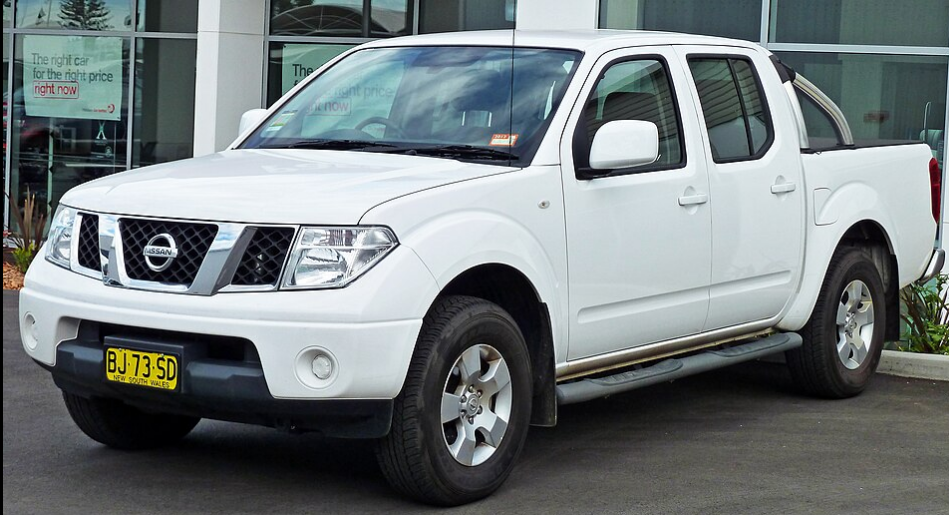
nissan navara 2005-2014 Common Problems & Issues
The Nissan Navara (D40) generation, sold globally as a versatile mid-size pickup, was produced from 2005 through 2014 in its primary markets, though global production extended beyond this in some regions. This rugged truck shares its underlying architecture with the Nissan Frontier, Xterra, and Pathfinder models, and even some Titan-era structural and steering components, which can simplify parts sourcing and cross-referencing for owners. The Nissan Navara (D40) 2005 model year marked the beginning of this generation, establishing its reputation for utility, albeit with mixed reliability reports concerning specific components. Built on a robust body-on-frame chassis, the Nissan Navara (D40) features a double-wishbone front suspension and a live rear axle with leaf springs, making it well-suited for towing and a variety of on-road and off-road uses. Throughout its production run, including the Nissan Navara (D40) 2006, Nissan Navara (D40) 2007, and Nissan Navara (D40) 2008 models, core powertrains included the widely popular 2.5 dCi/YD25DDTi 4-cylinder turbo-diesel engine, offering around 171–174 hp and 350–403 Nm of torque, depending on tune and market. Certain markets also saw a more powerful 3.0 V6 turbo-diesel option, while the 2.5 QR25DE petrol engine was available where diesel was less dominant, notably in models like the Nissan Navara (D40) 2009 and Nissan Navara (D40) 2010. Transmission choices varied by market and year, encompassing 5-speed and 6-speed manuals, alongside 4-speed and 5-speed automatic options. While praised for its durability as a workhorse, common owner complaints for the Nissan Navara (D40) 2011, Nissan Navara (D40) 2012, Nissan Navara (D40) 2013, and Nissan Navara (D40) 2014 often cluster around specific diesel-related wear items, clutch shudder, power steering rack leaks, and front suspension wear. Understanding these common problems and proactive maintenance strategies is key to maximizing the lifespan and enjoyment of a D40 Navara.
0
Critical
4
Moderate
1
Minor
Known Issues
Clutch Shudder / High-Engagement Clutch
ModerateOwners of manual transmission Nissan Navara (D40) models, including the Nissan Navara (D40) 2005 and subsequent years like the Nissan Navara (D40) 2009, frequently report issues with clutch shudder or a high-engagement clutch. Symptoms manifest as shudder on takeoff, a grabby clutch pedal, a clunking noise during gear changes, and noticeable drivetrain vibration under load. The root causes often point to a worn clutch disc or pressure plate, contaminated friction surfaces, or wear in the dual-mass flywheel where fitted. Hydraulic issues with the clutch slave or master cylinder can also contribute, as can aggressive driving styles or heavy towing that generate excessive heat. Diagnosis involves inspecting the clutch slip point, testing the vehicle under load in a higher gear, and checking for hydraulic fluid leaks or contamination. DIY fixes include bleeding the hydraulics and ensuring correct pedal free play. Professional repair typically requires a full clutch kit replacement, and potentially flywheel replacement if significant wear is present, along with hydraulic component repair if leaks are found.
Power Steering Rack Leak / False Rack Diagnosis
ModerateA common concern for Nissan Navara (D40) owners, including those with the Nissan Navara (D40) 2011, is power steering fluid loss, often accompanied by wet rack boots, heavier steering feel, or noise. Fluid might also be visible around hose fittings or the pump area. While actual leaks from hoses, the pump, or worn rack seals are possible, Nissan has issued service guidance warning against premature power steering rack replacement. Often, what appears to be a leak is normal assembly lubricant or minor condensation. Diagnosis requires careful inspection of the reservoir level, hose fittings, and the steering rack boots. Squeezing the boot can reveal if actual fluid is present internally. DIY remedies include tightening hose clamps, replacing hoses, and regular fluid top-ups. Professional repair focuses on replacing only genuinely leaking components; if fluid is truly inside the boot, a rack replacement may be needed, but otherwise, the actual source of the fluid loss should be addressed.
Front Suspension Wear
ModerateFront suspension wear is a widespread complaint across the Nissan Navara (D40) range, from the Nissan Navara (D40) 2006 to the Nissan Navara (D40) 2014. Owners often report clunking noises over bumps, a wandering sensation while driving, uneven tire wear, and a general loose steering feel. Squeaks from the control arm and bushing areas are also common. The primary causes include worn ball joints, deteriorated bushings, failed shock absorbers, and general wear of the torsion-bar front end, often exacerbated by heavy-load use or rough road conditions. Diagnosis involves a pry-bar inspection of joints, a bounce test to assess shock absorber effectiveness, and a tire wear scan to check for alignment issues. While some experienced owners might tackle shocks or bushings, most ball-joint work is best left to professionals. Repairs typically involve replacing control arms, bushings, and shock absorbers, followed by a wheel alignment.
Diesel Fuel Filter / Injector Noise and Rough Running
ModerateDiesel-powered Nissan Navara (D40) models, particularly the 2.5 dCi/YD25DDTi engines, can develop issues related to the fuel system, leading to injector noise and rough running. Symptoms include ticking or thwacking sounds under acceleration, hard starting, an unstable rough idle, noticeable power loss, excessive smoke, and poor fuel economy. The root causes are often a clogged fuel filter, air ingress into the fuel system, wear in the fuel injectors, contamination within the common-rail system, or general fuel quality issues. For the Nissan Navara (D40) 2014, these symptoms might be more pronounced due to accumulated wear. Diagnosis involves a fuel pressure scan, an injector balance test, a leak-off test, and a review of service history, along with checking for water contamination in the fuel. DIY fixes include replacing the fuel filter and draining the sedimentor if equipped. Professional repair may involve injector testing, rebuilding, or replacement, alongside comprehensive rail pressure diagnostics.
Rear Leaf-Spring / Rear Axle Wear Under Load
MinorThe rear suspension of the Nissan Navara (D40), which utilizes leaf springs and a live rear axle, is prone to wear, especially on trucks consistently subjected to heavy payloads or frequent towing. This can lead to a sagging rear end, a poor ride quality, clunking noises, and reduced load-carrying stability. Owners of models like the Nissan Navara (D40) 2007 or Nissan Navara (D40) 2013 might also observe cracked bushes in the leaf spring assembly. Causes include the natural aging of springs and bushes, corrosion, and consistent overloading. Diagnosis involves a visual check for sagging, inspection of bushes for tears, and measuring ride height. For experienced owners, replacing shackles and bushes can be a DIY task, along with anti-corrosion treatment. Professional repair usually involves replacement of the entire leaf-spring pack and an alignment check if necessary.
What to Check Before Buying
Owning a Nissan Navara (D40) from the 2005 to 2014 model years means investing in a capable workhorse, but it's crucial to approach ownership with a mindset of proactive maintenance rather than a 'fit-and-forget' expectation. The D40 Navara, including the Nissan Navara (D40) 2006 and Nissan Navara (D40) 2008, has a reputation for durability, but certain areas require vigilance to prevent expensive ownership events. The most significant financial outlays typically revolve around clutch, steering, injector, turbo, and suspension overhauls, impacting models like the Nissan Navara (D40) 2010 and Nissan Navara (D40) 2012.
For manual trucks, clutches and their associated hydraulics are among the most frequent failure points. Owners can extend clutch life materially by avoiding holding the truck on the clutch on hills and not overloading it beyond its intended use. Steering racks, hoses, and power steering pump-related leaks are also common. Nissan has even issued service guidance to prevent false rack replacements, emphasizing the importance of correctly diagnosing a power steering rack leak. Regular inspection of steering fluid levels and rack boots is essential.
Diesel fuel system hygiene is paramount for the 2.5 dCi/YD25DDTi engines, as injector noise and common-rail issues are repeated owner complaints. Using quality fuel, replacing fuel filters early, and regularly draining any sedimentor if fitted are critical practices. Cooling-system vigilance is equally important for older diesel pickups, as excessive heat can accelerate wear on the turbocharger, hoses, and seals. For the Nissan Navara (D40) 2014, these accumulated wear factors become even more relevant.
Suspension bushes, shocks, and ball joints frequently wear out, especially on vehicles used for heavy loads or on rough roads. Routine inspections during maintenance intervals, such as those recommended for the Nissan Navara (D40) 2007, can help catch these issues early. In environments with high dust and humidity, such as tropical regions, shorter intervals for air cleaner and fuel filter replacements, along with regular battery checks and corrosion control, including underbody cleaning, are highly justified. Neglecting these can lead to accelerated wear and unexpected repair bills.
A documented service history significantly improves resale value for any Nissan Navara (D40), including the Nissan Navara (D40) 2005, because potential buyers are rightly concerned about diesel system wear, clutch condition, and steering integrity. In markets with challenging road conditions, evidence of early filter changes and thorough cooling-system maintenance often matters more than superficial cosmetic condition. Always budget for immediate baseline servicing if a used D40 Navara comes with absent service records, as this can mitigate risks associated with neglected wear items. A pre-purchase inspection is strongly recommended for any used D40, regardless of year, to assess its true condition.
Where to Buy Parts
Frequently Asked Questions
Is the 2007 Nissan Navara D40 reliable?+
The 2007 Nissan Navara D40 can offer good reliability, but it heavily depends on its service history, particularly concerning the fuel system, clutch, and steering components. The main risk isn't necessarily catastrophic engine failure, but rather the accumulation of neglected wear items that can become quite expensive if addressed all at once. A comprehensive maintenance record is a stronger indicator of reliability than just low mileage alone for this model year.
What are the most common 2011 Nissan Navara D40 problems?+
For the 2011 Nissan Navara D40 trucks, common complaints frequently involve clutch shudder, power steering fluid leaks, or misdiagnosis of steering rack issues. Diesel-system problems, such as rough running or injector noise, are also prevalent. Additionally, suspension wear is a common concern for trucks that have been used for heavy load-carrying or on rough terrain. Prospective buyers should thoroughly test the vehicle under load, not just during a brief city drive, to identify these issues.
How expensive is Navara D40 ownership?+
Routine ownership costs for the Nissan Navara (D40) are moderate, but significant repairs can quickly escalate expenses. A major clutch or injector issue, for instance, can transform an otherwise affordable daily driver into a vehicle requiring a substantial four-digit repair bill. This is especially true if multiple age-related systems are overdue for maintenance. Consequently, a detailed service history often serves as a primary factor influencing its value in the used market.
Should I buy a D40 with no service records?+
Purchasing a Nissan Navara (D40) with no service records should be approached with caution. The diesel fuel system, clutch, cooling system, and steering components of the D40 significantly benefit from consistent maintenance and can suffer from neglect. Without records, there's considerable uncertainty regarding the condition of these expensive wear points. It is highly advisable to budget for immediate, comprehensive baseline servicing if a vehicle lacks a service history to mitigate potential risks.
What should I check on a 2014 Navara before buying?+
Before buying a 2014 Navara, thoroughly check the clutch feel, the power steering fluid level, and the condition of the steering rack boots. Listen for any diesel smoke or injector noise, assess the cooling-system health, and inspect the front suspension for tightness. For a 2014 truck, wear accumulated over its lifespan can often be more impactful than its relative recency, as the platform would be well into its wear phase. A professional pre-purchase inspection is strongly recommended.