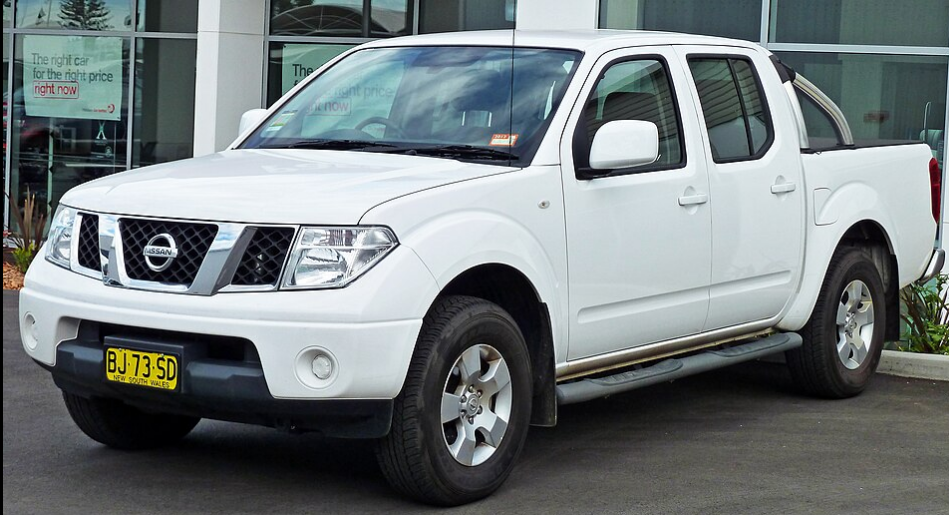
nissan navara 2005-2014 Maintenance Schedule
The Nissan Navara (D40) generation, produced from 2005 through 2014, established itself globally as a robust mid-size pickup truck. Sharing its body-on-frame architecture with other Nissan family members like the Frontier, Xterra, and Pathfinder, the D40 Navara was designed for utility, towing, and a mix of on-road and off-road use. Owners of the Nissan Navara (D40) 2005 found it to be a capable workhorse, a reputation that carried through to the Nissan Navara (D40) 2006 and later models. Throughout its production run, including the Nissan Navara (D40) 2007 and Nissan Navara (D40) 2008, the D40 offered diverse powertrain options, primarily featuring the durable 2.5 dCi/YD25DDTi 4-cylinder turbo-diesel engine, which typically produced between 171–174 hp and 350–403 Nm of torque. Some markets also saw a potent 3.0 V6 turbo-diesel, while a 2.5 QR25DE petrol engine was available where diesel was less prevalent. Transmission options for the Nissan Navara (D40) 2009 and Nissan Navara (D40) 2010 included both 5-speed manuals and 6-speed manuals, alongside 4-speed automatic and 5-speed automatic units, catering to various driving preferences and needs. Despite its strong utility, the Nissan Navara (D40) 2011 and its predecessors, including the Nissan Navara (D40) 2012, were known for mixed reliability, particularly concerning certain wear items. Common owner complaints often centered around clutch wear and shudder, issues with the steering rack and fluid leaks, general suspension wear, and diesel fuel-system and injector noise. These concerns were consistent across the range, including the Nissan Navara (D40) 2013 and the final Nissan Navara (D40) 2014 models. For instance, power steering diagnosis was a documented Nissan service topic, sometimes leading to false rack diagnosis. Understanding these recurring issues is crucial for D40 owners and prospective buyers, as proactive maintenance can significantly extend the life and improve the reliability of these vehicles, ensuring the mid-size pickup continues to perform its duties effectively.
Fluids
| Service | Interval | Notes |
|---|---|---|
| Engine Oil & Filter Service Critical | 15,000 km / 12 mo 7,500 km if severe use | Regularly changing the engine oil and oil filter is critical for engine longevity, especially for the 2.5 dCi/YD25DDTi diesel. Fresh oil lubricates moving parts, reduces friction, and helps dissipate heat. A clogged oil filter can restrict oil flow, leading to premature engine wear. Warning signs include reduced engine performance or the oil pressure warning light. Frequent servicing is vital for any Nissan Navara (D40) used for towing or in dusty conditions. |
| Brake Fluid Replacement Critical | 15,000 km / 12 mo | Brake fluid is hygroscopic, meaning it absorbs moisture over time, which can reduce its boiling point and lead to a spongy pedal feel or brake fade. Regular replacement ensures optimal braking performance and prevents corrosion in the brake lines and calipers. This is a crucial safety item for all Nissan Navara (D40) models, ensuring reliable stopping power. |
| Steering Fluid Level Check & Inspection | 15,000 km / 12 mo | Verify the power steering fluid level and inspect for any power steering rack leak or fluid at hose fittings. Nissan issued service guidance to prevent false rack diagnosis, so proper inspection is key. Low fluid can lead to heavier steering or noise. Addressing leaks early can prevent the need for a full steering rack replacement on your Nissan Navara (D40). |
Filters
| Service | Interval | Notes |
|---|---|---|
| Fuel Filter Replacement Critical | 15,000 km / 12 mo 7,500 km if severe use | The fuel filter prevents contaminants from reaching the fuel injectors and common-rail system, which is particularly important for diesel engines. A clogged fuel filter can lead to injector noise, rough running, power loss, and poor fuel economy. Replacing it on schedule, or more often in areas with poor fuel quality, prevents expensive diesel fuel-system repairs. This is a common weak point for the Nissan Navara (D40) and requires vigilance. |
| Air Cleaner (Air Filter) Inspection & Replacement | 30,000 km / 24 mo 15,000 km if severe use | The air cleaner prevents dust and debris from entering the engine, protecting internal components. A dirty air filter can restrict airflow, reducing engine performance and fuel efficiency. Inspect the air filter regularly, especially if driving in dusty environments or off-road, and replace as needed. This simple maintenance helps maintain the health of both diesel and gasoline options in the Nissan Navara (D40). |
Belts
| Service | Interval | Notes |
|---|---|---|
| Drive Belt Replacement Critical | 120,000 km / 60 mo | The serpentine drive belt powers essential accessories like the alternator, power steering pump, and air conditioning compressor. Over time, it can crack, fray, or stretch. Failure can lead to a loss of power steering, charging issues, or overheating. Inspect for wear regularly and replace at the specified interval, or sooner if signs of degradation are present. This ensures continuous operation of critical components on your Nissan Navara (D40). |
Brakes
| Service | Interval | Notes |
|---|---|---|
| Brake System Inspection Critical | 15,000 km / 12 mo | Regular inspection of brake pads, brake discs/rotors, calipers, and brake lines is essential for safety. Check for wear, leaks, and proper operation. Early detection of issues like worn brake pads or damaged brake discs can prevent more costly repairs and ensure consistent stopping power. This is a vital check for any Nissan Navara (D40) owner. |
Inspection
| Service | Interval | Notes |
|---|---|---|
| Underbody & Suspension Inspection | 30,000 km / 24 mo 15,000 km if severe use | Inspect the underbody for corrosion, especially the rear leaf-spring and rear axle wear areas. Check suspension components like ball joints, bushings, and shocks for wear, clunks, or squeaks. Heavy payloads and towing can accelerate wear. Regular inspection helps identify front suspension wear or sagging rear issues early, preventing more significant problems for the Nissan Navara (D40). |
Cooling
| Service | Interval | Notes |
|---|---|---|
| Coolant Service (Flush & Replace) Critical | 60,000 km / 48 mo | Coolant protects the engine from overheating and freezing, and its additives prevent corrosion. Over time, coolant degrades and becomes less effective. A coolant flush and replacement ensures proper engine temperature regulation, which is critical for older diesel pickups like the Nissan Navara (D40) to prevent turbo, hose, and seal wear. Cooling-system vigilance is key. |
Electrical
| Service | Interval | Notes |
|---|---|---|
| Battery Test & Terminal Cleaning | 60,000 km / 48 mo | Test the battery's charge and health, especially in hot climates where battery life is shortened. Clean battery terminals to prevent corrosion, which can interfere with electrical connections and starting performance. A healthy battery is crucial for reliable starting and powering the electrical systems of your Nissan Navara (D40). |
Drivetrain
| Service | Interval | Notes |
|---|---|---|
| Clutch Wear Inspection (Manual Transmissions) Critical | 90,000 km / 72 mo 45,000 km if severe use | For manual transmission Nissan Navara (D40) models, inspect the clutch for signs of shudder on takeoff, high pedal engagement, or drivetrain vibration. This involves checking the clutch disc, pressure plate, and dual-mass flywheel where equipped. Early detection of clutch wear can prevent being stranded and allow for timely clutch kit replacement. Proper driving style significantly extends clutch life. |
| Transmission Fluid Service (Automatic & Manual) Critical | 120,000 km / 96 mo 60,000 km if severe use | Transmission fluid lubricates and cools the transmission components. Over time, it can break down and lose effectiveness, leading to rough shifting or transmission damage. Consult your owner's manual for specific intervals, but a service around 120,000 km, or sooner for severe use, helps maintain smooth operation and extend the life of your Nissan Navara (D40)'s 5-speed manuals, 6-speed manuals, or automatic transmissions. |
Engine
| Service | Interval | Notes |
|---|---|---|
| Injector/Timing Components Inspection Critical | 90,000 km / 72 mo | For diesel engines, inspect injectors and timing components based on symptoms like ticking, rough idle, or power loss. This often involves diagnostic tests to assess injector balance and rail pressure. Proactive inspection, especially with a history of injector noise or rough running, can prevent major diesel fuel-system issues for the Nissan Navara (D40). |
Upkeep Tips
Owning a Nissan Navara (D40) from the 2005 to 2014 model years means investing in a capable mid-size pickup, but also understanding its specific maintenance needs to ensure long-term reliability. For instance, the Nissan Navara (D40) 2005 and subsequent models, up to the Nissan Navara (D40) 2014, are known to benefit greatly from meticulous fuel system hygiene. Given the common complaints of injector noise and common-rail contamination, always use quality fuel and replace fuel filters early. If your D40 has a sedimentor, make sure to drain it regularly to prevent issues with the diesel fuel-system.
Cooling-system vigilance is another critical area, especially for the diesel options found in the Nissan Navara (D40) 2006, Nissan Navara (D40) 2007, and later. Heat can accelerate turbo, hose, and seal wear, so ensuring your cooling system is in top condition will protect components like the turbocharger and water pump, extending the overall engine life. Regular coolant checks and flushes are essential.
Steering fluid and rack boots should be inspected regularly on your Nissan Navara (D40) 2008 or any D40 model. Nissan itself issued service guidance to prevent false rack diagnosis, highlighting the importance of thorough inspection before considering a steering rack replacement. Check for power steering rack leak symptoms, such as fluid loss or wet boots, and address any hose or pump issues promptly to avoid a costly repair.
For manual transmission Nissan Navara (D40) 2009 and Nissan Navara (D40) 2010 models, clutch life is heavily influenced by driving habits. Avoid holding the truck on the clutch on hills or overloading it beyond its intended use to mitigate clutch shudder and extend the life of the clutch kit. The dual-mass flywheel, where equipped, also benefits from careful operation.
Owners in dusty environments or tropical ownership conditions, such as those with a Nissan Navara (D40) 2011 or Nissan Navara (D40) 2012, should consider shorter intervals for air cleaner and fuel filter replacements. Dust and humidity can also necessitate more frequent battery checks, corrosion control measures, and underbody cleaning to protect against wear and tear on suspension components like ball joints and bushings, and prevent rear leaf-spring or rear axle wear.
Understanding the typical component lifespan can help with planning maintenance. Engines, with good fuel and cooling maintenance, can often exceed 250,000 km. Manual transmission/clutch assemblies typically last 120,000–220,000 km depending on load use. Shocks may need replacement between 60,000–120,000 km, while bushings and ball joints vary widely with road quality. Batteries in hot climates often last 2–4 years. While electronics are generally durable, corrosion and water ingress in older Nissan Navara (D40) 2013 and Nissan Navara (D40) 2014 models can become an issue. A documented service history significantly improves resale value, as buyers are often wary of potential diesel fuel-system, clutch, and steering integrity issues. Prioritize these areas for inspections and maintenance.
Add-ons & Upgrades
Hood Gas Strut Kit
This kit replaces the manual prop rod with gas struts, making engine-bay access easier and safer. It's a convenient upgrade for routine checks and maintenance on your Nissan Navara (D40).
Shop on AmazonD40-Specific Mirror Glass
If your side mirror glass is cracked or damaged, a specific replacement ensures proper fit and function. Verify if your vehicle is left-hand drive (LHD) or right-hand drive (RHD) and if it has heated mirrors.
Shop on AmazonOBD2 Scanner
An OBD2 scanner is an invaluable tool for diagnostics, allowing you to read and clear engine fault codes. It's particularly useful for troubleshooting diesel issues or checking engine lights on your D40 Navara.
Shop on AmazonAll-Weather Floor Mats
Protect your Nissan Navara (D40)'s cabin from dirt, mud, and spills with durable, all-weather floor mats. They are easy to clean and help preserve your vehicle's interior.
Shop on AmazonDash Cam
A dash cam provides security and records trip evidence, which can be useful in case of accidents or incidents. Choose a heat-rated unit for reliability in various climates.
Shop on AmazonSeat Covers
Protect your seats from wear, tear, and stains, especially if your Nissan Navara (D40) sees heavy use or off-road adventures. Ensure compatibility with your cab type and airbags.
Shop on AmazonWhere to Buy Parts
Frequently Asked Questions
Is the 2007 Nissan Navara D40 reliable?+
The 2007 Nissan Navara D40 can be reliable if it has a strong service history, especially for the diesel fuel-system, clutch, and steering components. The biggest risk isn't catastrophic engine failure, but rather neglected wear items that can become expensive when they accumulate. A clean maintenance record, showing attention to common D40 issues, matters more than low mileage alone when assessing reliability for this mid-size pickup.
What are the most common 2011 Nissan Navara D40 problems?+
For 2011 D40 trucks, the most common complaints still center on clutch shudder, power steering fluid leaks or misdiagnosis of the steering rack, and diesel-system rough running or injector noise. Front suspension wear is also common on trucks used for heavy load-carrying or rough roads. Buyers should thoroughly test the Nissan Navara (D40) 2011 under load, not just during a short city drive, to identify these potential issues.
How expensive is Navara D40 ownership?+
Routine ownership costs for the Nissan Navara (D40) are moderate, but large-ticket repairs can add up quickly. An issue with the clutch, an injector, or the steering rack can quickly escalate the cost from inexpensive daily use to a significant repair bill. This is especially true if multiple age-related systems are overdue for maintenance. Consequently, a comprehensive service history is a major factor influencing the used market value and overall ownership expense.
Should I buy a D40 with no service records?+
You should only consider buying a Nissan Navara (D40) with no service records with extreme caution. The diesel fuel-system, clutch, cooling system, and steering components of the D40 reward diligent maintenance and severely punish neglect. Missing records create significant uncertainty around the most expensive wear points. If you do proceed, budget for immediate baseline servicing to address potential deferred maintenance from the Nissan Navara (D40) 2005 through 2014 range.
What should I check on a 2014 Navara before buying?+
Before buying a Nissan Navara (D40) 2014, thoroughly check the clutch feel, steering fluid level and rack boot condition, diesel smoke and injector noise, cooling-system health, and front suspension tightness. On a 2014 truck, age-related wear can be more significant than model-year freshness, as the D40 platform was well into its wear phase by then. A professional pre-purchase inspection is strongly recommended to identify any potential problems for this mid-size pickup.