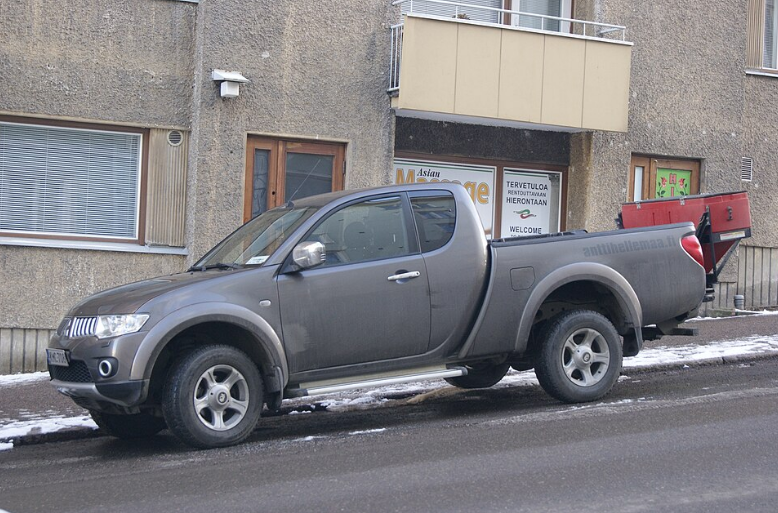
mitsubishi l200 2012-2020 Spare Parts & Pricing
The Mitsubishi L200, also known as the Mitsubishi Triton in several global markets, is a robust mid-size pickup truck celebrated for its versatility and durability. This comprehensive guide focuses on the 4th Generation models produced between 2012 and 2020, encompassing a range of significant updates and engine configurations. Whether you own a Mitsubishi L200 2012, a Mitsubishi L200 2013, or a later model like the Mitsubishi L200 2019 or Mitsubishi L200 2020, understanding its common issues, maintenance needs, and part costs is crucial for long-term ownership. This generation of the Mitsubishi L200 is built on the KJ/KK/KL chassis, with the initial 4th Generation introduced in 2005 and receiving major facelifts and updates in 2010 and again from 2015 to 2016. These trucks are designed for demanding work and off-road use, making them popular choices for commercial and recreational purposes worldwide. Key engine options for the Mitsubishi L200 2014 and earlier include the reliable 2.5L 4D56 turbo diesel, known for its strong performance and torque. Later models, such as the Mitsubishi L200 2015, Mitsubishi L200 2016, Mitsubishi L200 2017, and Mitsubishi L200 2018, often feature the more advanced 2.4L 4N15 MIVEC diesel engines, offering improved efficiency and power output. Owners of the Mitsubishi L200 2012 through the Mitsubishi L200 2020 models will find valuable insights here on maintaining their vehicle's cooling system, addressing common suspension issues like leaf spring cracking, and understanding the importance of proper fuel system care. This guide also covers essential parts pricing, from routine items like oil filters and brake pads to more significant components such as head gasket sets and alternators. With proper care and attention to the specific needs of the 4th Generation L200, these trucks can reliably exceed 300,000 to 500,000 kilometers, proving their worth as dependable workhorses across various global conditions.
Engine Components
| Part | Price Range | Availability | Interval |
|---|---|---|---|
| Oil Filter Essential for removing contaminants from engine oil, ensuring the longevity and performance of the 2.5L 4D56 and 2.4L 4N15 diesel engines. Regular replacement is crucial to prevent premature wear and maintain oil cleanliness. | $8 – $12 | Readily available | Every 6,000 km or 3 months |
| Air Filter Protects the engine from dust and debris, especially important in dusty or challenging environments. A clean air filter ensures optimal engine performance and fuel efficiency for your Mitsubishi L200. | $20 – $35 | Readily available | Every 12,000 km or 6 months |
| Fuel Filter Crucial for diesel engines like the 4D56 and 4N15, filtering impurities from the fuel to protect the injection system. Regular replacement helps prevent issues like the P1272 error code related to fuel pressure. | $15 – $25 | Readily available | Every 24,000 km or 2 years |
| Thermostat Regulates engine temperature, vital for preventing overheating, a common problem for the Mitsubishi L200 2012-2020. A failing thermostat can lead to serious engine damage, including head gasket failure. | $25 – $40 | Readily available | Inspect every 48,000 km, replace as needed |
| Water Pump Circulates coolant throughout the engine, a key component of the cooling system. A faulty water pump can cause overheating and potential engine damage for your Mitsubishi L200 2014 or any other model year. | $70 – $120 | Readily available | Typically 96,000 km or with timing chain service |
| Head Gasket Set Seals the combustion chambers and coolant passages. Head gasket failure is a severe issue often caused by persistent overheating in the Mitsubishi L200, requiring prompt professional repair to prevent engine destruction. | $120 – $200 | Readily available | As needed (typically due to overheating) |
Suspension & Steering
| Part | Price Range | Availability | Interval |
|---|---|---|---|
| Leaf Spring (pair) Supports the rear axle and load, crucial for the L200's utility. Leaf spring cracking or sagging is a common problem, especially with heavy loads or frequent towing, affecting handling and safety for models like the Mitsubishi L200 2016. | $250 – $500 | Readily available | As needed (inspect regularly) |
| Front Shock (pair) Absorbs road impacts and controls suspension movement, ensuring a stable and comfortable ride. Worn shocks can lead to poor handling and increased tire wear for your Mitsubishi L200 2018. | $150 – $300 | Readily available | 150,000–250,000 km (inspect regularly) |
| Ball Joint (pair) Connects the control arm to the steering knuckle, allowing for steering and suspension articulation. Worn ball joints can cause clunking noises, erratic steering, and compromise safety for any Mitsubishi L200 model. | $60 – $100 | Readily available | Inspect every 12,000 km |
| Tie Rod End Part of the steering linkage, connecting the steering rack to the wheel hub. A worn tie rod end can lead to loose steering, uneven tire wear, and a knocking sensation, requiring immediate attention for your Mitsubishi L200 2017. | $40 – $70 | Readily available | Inspect every 12,000 km |
| Wheel Bearing Allows the wheel to spin freely with minimal friction. A failing wheel bearing typically produces a humming or grinding noise that worsens with speed, indicating a need for replacement in your Mitsubishi L200 2013. | $70 – $120 | Readily available | Inspect every 12,000 km |
Brake Components
| Part | Price Range | Availability | Interval |
|---|---|---|---|
| Brake Pads (front) Friction material that presses against the brake rotors to slow the vehicle. Regular inspection and replacement are vital for safe braking performance, especially for a workhorse like the Mitsubishi L200 2015. | $50 – $90 | Readily available | Inspect every 12,000 km, replace as needed |
| Brake Rotors (front, pair) The disc that the brake pads clamp onto. Worn or warped brake rotors can cause vibrations during braking and reduce stopping power, necessitating replacement for optimal safety in your Mitsubishi L200 2019. | $120 – $220 | Readily available | Inspect every 12,000 km, replace as needed |
Electrical & Sensors
| Part | Price Range | Availability | Interval |
|---|---|---|---|
| Alternator Generates electrical power to run the vehicle's systems and recharge the battery. A failing alternator can lead to battery drain and electrical system malfunctions, impacting the reliability of your Mitsubishi L200 2020. | $200 – $350 | Readily available | As needed (expected lifespan 200,000+ km) |
| Glow Plugs (set) Essential for starting diesel engines like the 4D56 and 4N15, especially in cold weather. Faulty glow plugs can cause difficult starting or rough idling in your Mitsubishi L200 2012. | $60 – $100 | Readily available | As needed (inspect valve clearance every 120,000 km) |
Transmission & Fuel System
| Part | Price Range | Availability | Interval |
|---|---|---|---|
| Clutch Kit Includes the pressure plate, clutch disc, and release bearing for manual transmission models. Heavy use, frequent towing, or off-road driving can accelerate wear, requiring earlier replacement for your Mitsubishi L200. | $200 – $350 | Readily available | 150,000–200,000 km (heavy use shortens life) |
Buying Guide
The 2012–2020 Mitsubishi L200, including models like the Mitsubishi L200 2014 and Mitsubishi L200 2016, is renowned for its robust build and capabilities as a mid-size pickup truck. However, like any vehicle, specific common problems can arise during ownership. Understanding these issues and their remedies is key to maintaining your L200's reliability and ensuring a long lifespan, especially when used for heavy work or off-road adventures.
One of the most widespread complaints among owners of the 4th Generation L200 is overheating and potential head gasket failure. Symptoms often include bubbling in the radiator, noticeable coolant loss, white smoke from the exhaust, and a reduction in engine power. This problem can stem from a weak radiator cap, a failing thermostat, or a clogged EGR valve. Poor cooling system maintenance is a major contributor. Diagnosing these issues involves checking for coolant leaks, performing a radiator pressure test, and inspecting the EGR valve for carbon buildup. While replacing the thermostat or cleaning the EGR can be a DIY fix, a professional repair might be necessary for a head gasket replacement, which can cost between $800 and $1,500 USD (or ₦1,200,000 to ₦2,250,000 NGN) if ignored, potentially leading to severe engine damage. Owners of the Mitsubishi L200 2012 and Mitsubishi L200 2013 should be particularly vigilant about their cooling system.
Another significant concern, especially for vehicles subjected to heavy loads or frequent towing, is leaf spring cracking or sagging. This manifests as knocking from the rear, an uneven ride height, or visibly broken leaf spring leaves. Corrosion also plays a role. Regular visual inspection of the rear leaf springs is essential. Aftermarket leaf spring pairs typically cost $200–$400 USD (₦300,000–₦600,000 NGN), while OEM pairs can range from $400–$700 USD (₦600,000–₦1,050,000 NGN), plus labor. Replacing both sides is recommended for balance and safety, a critical consideration for the Mitsubishi L200 2015 and Mitsubishi L200 2017 models that see commercial use.
Diesel engine variants, including the 2.5L 4D56 and 2.4L 4N15 MIVEC diesel engines found in models like the Mitsubishi L200 2018 and Mitsubishi L200 2019, can experience issues with the suction control valve, often triggering a P1272 error code. This leads to the management light illuminating, poor performance, and rough running. Replacement of the suction control valve and subsequent calibration (SQL) is usually required, with total costs around $450–$650 USD (₦675,000–₦975,000 NGN) for parts and labor. Similarly, the EGR valve is prone to carbon buildup, causing rough idle, loss of power, and increased emissions. Cleaning or replacing the EGR valve, along with intake maintenance, is a common service item to prevent consequential damage.
Heater matrix leakage is another problem that owners of the Mitsubishi L200 2020 might encounter, characterized by the smell of antifreeze in the cabin, foggy windows, and coolant loss. Due to the complexity of dashboard disassembly, replacement is labor-intensive, costing $300–$650 USD (₦450,000–₦975,000 NGN) in total. Beyond these specific issues, the L200 generally boasts a strong reliability reputation, thanks to its Japanese build quality. However, high-cost repairs can include a full engine overhaul if head gasket failure is severe, or major fuel pump replacement. Frequently replaced parts, aside from routine filters and brake components, often include leaf springs, clutch kits, and alternators.
For long-term ownership, especially in challenging environments or tropical climates, consistent maintenance is paramount. This includes regular engine oil and oil filter changes every 6,000 km (or shorter intervals in dusty regions), timely fuel filter replacement, and diligent cooling system care. The 4D56 and 4N15 diesel engines utilize a timing chain, which reduces one major maintenance cost compared to belt-driven systems. Full service records, detailing cooling system and clutch replacements, significantly enhance the resale value and buyer confidence for any Mitsubishi L200.
Common Accessories
Floor Mats (rubber, 4-piece)
Protect your L200's interior from dirt and spills with durable, all-weather rubber floor mats. They are easy to clean and provide excellent protection for daily use or rugged adventures.
Shop on AmazonRoof Rack (aluminum)
Expand your Mitsubishi L200's cargo capacity with a sturdy aluminum roof rack. Ideal for carrying extra gear, camping equipment, or off-road accessories, ensuring you have space for everything you need.
Shop on AmazonDash Cam (1080p+)
Enhance your safety and provide evidence in case of an accident with a high-definition dash camera. A universal fit, it offers peace of mind and can monitor your vehicle even when parked.
Shop on AmazonOBD2 Scanner (Bluetooth)
Diagnose engine error codes and monitor your vehicle's performance with a universal Bluetooth OBD2 scanner. This tool is invaluable for quickly identifying issues like the P1272 error code or checking engine health.
Shop on AmazonCargo Organizer / Dividers
Keep your L200's truck bed organized and secure with cargo organizers or dividers. Prevent items from shifting during transport, making your cargo area more functional and tidy.
Shop on AmazonSide Steps / Nerf Bars
Improve entry and exit convenience while adding a layer of side protection to your Mitsubishi L200. These model-specific accessories enhance both functionality and the rugged aesthetic of your truck.
Shop on AmazonWhere to Buy Parts
Frequently Asked Questions
Is the 2014 Mitsubishi L200 reliable for long-term ownership?+
The Mitsubishi L200 2014, equipped with the 2.5L 4D56 diesel engine, is generally very reliable for long-term ownership if the cooling system receives diligent maintenance. Overheating and potential head gasket issues are the primary risks, especially in hot, dusty climates or under heavy loads. Regular engine oil changes, coolant flushes, and EGR cleaning are crucial for extending engine life. With proper care, these robust trucks can often achieve 300,000–400,000 km before requiring major engine work, making them a dependable choice for demanding conditions.
What are the most common problems on the 2016 Mitsubishi L200?+
Owners of the Mitsubishi L200 2016 frequently report several common issues. These include leaf spring cracking or sagging, particularly with heavy loads or frequent towing, and overheating due to issues like EGR blockage or a weak radiator cap. The P1272 suction control valve error is also a known diesel management problem. Additionally, heater matrix leaks and EGR-related rough running can occur. Most of these issues are manageable with regular inspection and preventive maintenance, but neglecting overheating can lead to expensive head gasket or extensive engine damage.
How much does it cost to replace leaf springs on a Mitsubishi L200?+
Replacing leaf springs on a Mitsubishi L200 can vary in cost depending on the part quality. Aftermarket leaf spring pairs typically cost between $250 and $400 USD (₦375,000–₦600,000 NGN), while OEM pairs can range from $400 to $700 USD (₦600,000–₦1,050,000 NGN). Labor adds approximately $150–$250 USD (₦225,000–₦375,000 NGN) to the total, bringing the overall estimated cost to between $400 and $950 USD (₦600,000 to ₦1,425,000 NGN). It is strongly recommended to replace both sides simultaneously for optimal vehicle balance and safety.
What is the recommended maintenance interval for the Mitsubishi L200 2019 in hot climates?+
For the Mitsubishi L200 2019, often equipped with the 2.4L 4N15 engine, the base maintenance schedule suggests engine oil and filter changes every 6,000 km or 3 months. However, in hot, dusty climates, shortening these intervals to 4,000–5,000 km is often recommended by experts. Coolant should be flushed every 96,000 km initially, then every 144,000 km, but more frequent inspections (every 24,000 km) are advisable in extreme heat. Air filters and the EGR valve should be checked every 12,000–24,000 km to prevent carbon buildup and maintain performance.
Are there any major recalls for the 2012–2020 Mitsubishi L200?+
There have been no widespread, model-specific recalls for the 2012–2020 Mitsubishi L200 related to core mechanical issues like the common overheating or leaf spring problems. While some region-specific recalls may exist for items such as airbag deployment risks or side-step corrosion, these are not universal across all markets. Owners should always verify the recall status of their specific Mitsubishi L200 model year via its VIN on official Mitsubishi or national automotive safety websites for the most accurate and up-to-date information regarding any potential safety campaigns.