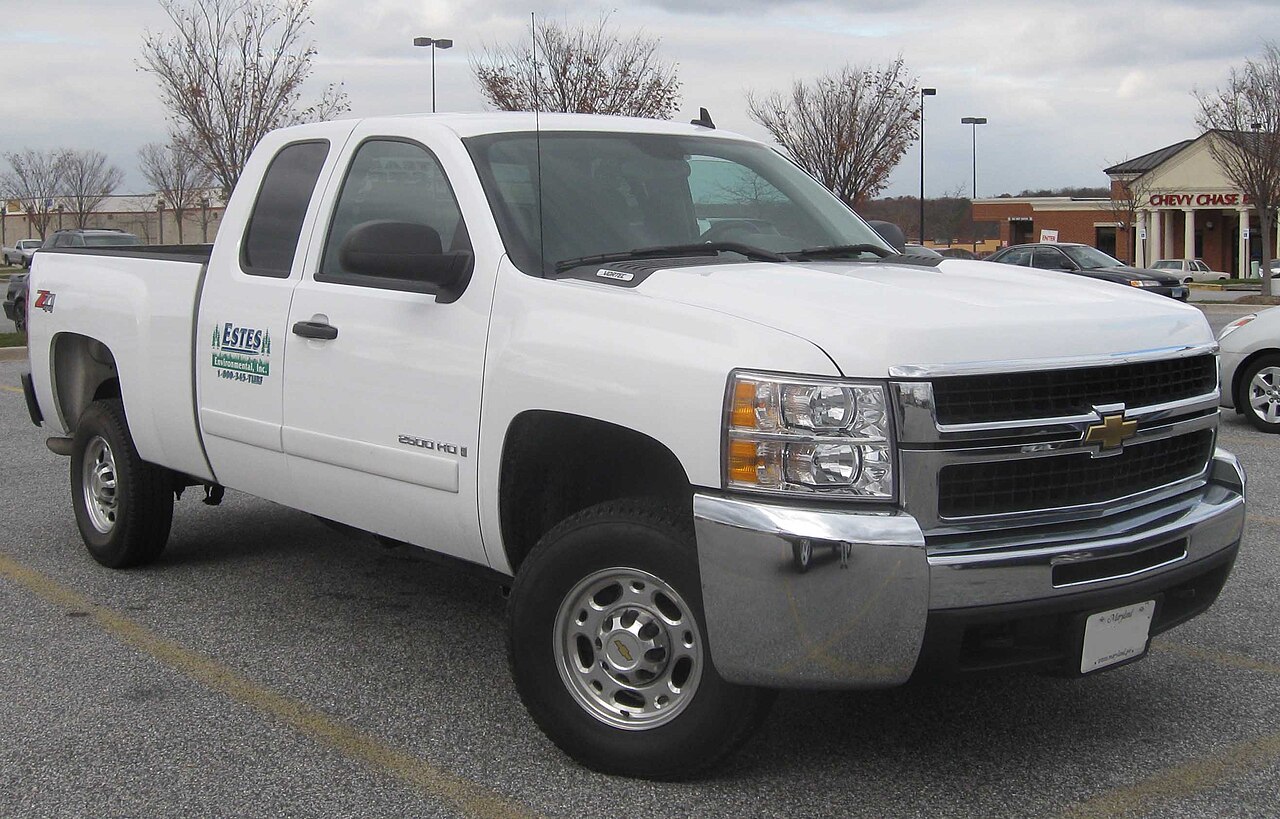
chevrolet silverado 2007-2013 Common Problems & Issues
The 2007-2013 Chevrolet Silverado 1500, part of GM's GMT900-series, represents a significant redesign in the full-size pickup segment, replacing the earlier GMT800 trucks. This generation, spanning model years 2007 through 2013, cemented its reputation as a robust and versatile workhorse, popular globally for its blend of capability and comfort. Available in regular, extended (Crew/Double) cab bodies and various bed lengths, the Silverado 1500 caters to a wide array of needs, from daily commuting to heavy-duty towing and hauling. Under the hood, common gasoline engine options included the 4.3L V6, 4.8L V8, 5.3L V8 (which was the most common and widely used), and the more powerful 6.0L V8. Many V8 engines featured Active Fuel Management (AFM), also known as displacement on demand, designed to improve fuel economy by deactivating cylinders during light-load cruising. Early models often came with 4L60/4L65 4-speed automatic transmissions, while later variants, especially with larger V8s, were equipped with more advanced 6-speed 6L80 automatic transmissions. Trim levels ranged from the utilitarian WT (Work Truck) to the luxurious LTZ, with specialized editions like the Z71 off-road package. The GMT900 platform was shared with its sister model, the GMC Sierra, as well as other GM full-size trucks and SUVs of the era, showcasing a common engineering backbone. As these trucks age, owners and prospective buyers frequently seek information on 2007 2013 chevrolet silverado parts and silverado common problems. Understanding these issues is crucial for maintaining the truck's longevity and performance. This guide aims to provide a comprehensive overview of the most prevalent challenges faced by this generation of trucks, along with insights into maintenance and repair costs. Whether you are looking for chevrolet silverado parts, considering 07 13 silverado aftermarket parts, or simply want to learn about potential chevy silverado engine problems, this resource will help you make informed decisions about your Silverado.
1
Critical
4
Moderate
0
Minor
Known Issues
Oil Pressure, Oil Pump, and AFM Lifter Issues (especially 5.3L, 6.0L)
CriticalOwners of 2007-2013 Chevrolet Silverado 1500 trucks, particularly those with the 5.3L and 6.0L V8 engines, frequently report problems related to low oil pressure, noisy lifters, and engine knocking. These symptoms often point to a worn oil pump, a clogged oil pump pickup screen, or, most commonly, collapsed Active Fuel Management (AFM) lifters. Neglecting oil changes or using incorrect oil specifications can accelerate these issues. Diagnosis involves checking oil levels and quality, reading OBD-II codes for misfires or low oil pressure, and performing an oil pressure gauge test. DIY fixes may include replacing the PCV valve and valve-cover gaskets to address oil consumption, or cleaning the oil pickup screen if accessible. Professional repairs typically involve replacing the oil pump and pickup, which requires removing the oil pan and front cover, or replacing collapsed AFM lifters. Some owners opt for an AFM delete to prevent future issues. Untreated, these problems can lead to severe engine damage.
Throttle/Pedal Position Sensor and Electronic Throttle Body Problems (P2135)
ModerateA common electronic issue in the 2007-2013 Silverado 1500 is related to the throttle and pedal position sensors or the electronic throttle body itself. Symptoms include the illumination of the check engine light, often with a P2135 diagnostic trouble code, reduced engine power, or the truck entering 'limp mode.' Drivers may also experience inconsistent throttle response. The root causes are typically faulty throttle position or pedal position sensors, wiring harness issues, or a malfunctioning throttle body module. Diagnosis involves retrieving specific OBD-II codes, inspecting wiring and connectors for damage, and monitoring live data for discrepancies between pedal input and throttle position. DIY remedies can include cleaning the throttle body and inspecting/cleaning electrical connectors. Professional repairs range from replacing individual sensors or the entire throttle body module to repairing wiring harnesses and potentially requiring ECM/TCM reprogramming or updates. This issue can significantly impact drivability and safety.
Brake Light Switch, Cruise Control, and ABS/Stability Electrical Faults
ModerateOwners of the 2007-2013 Silverado 1500 may encounter electrical problems affecting the brake lights, cruise control, and stability control systems. Common symptoms include brake lights remaining on after the ignition is off, cruise control failing to engage, or the ABS, StabiliTrak, and traction control warning lights illuminating on the dashboard. These issues are frequently caused by a faulty brake light switch, damaged wiring, or problems with the body control module (BCM) or grounding points. Diagnosis involves checking the brake light switch operation at the pedal, conducting continuity tests on the wiring, and scanning for relevant ABS or BCM trouble codes. A straightforward DIY fix is often the replacement of the inexpensive brake light switch located near the brake pedal, along with cleaning connectors and ensuring proper grounds. Professional repairs might involve replacing the switch, repairing associated wiring, or addressing BCM issues. While not always critical, these problems can affect safety and vehicle functionality.
Steering Intermediate Shaft / Universal Joint Clunking or Vibration
ModerateA common complaint among 2007-2013 Chevrolet Silverado 1500 owners is a clunking noise or vibration felt through the steering wheel, often accompanied by positional play. This issue typically becomes noticeable over bumps or when turning the steering wheel at low speeds. The primary cause is wear in the steering intermediate shaft's universal joint (U-joint) or the shaft coupling itself. Misalignment or worn steering rack mount bushings can also contribute. Diagnosis involves a physical inspection of the steering shaft U-joints for play and replicating the noise under specific conditions, often with the wheels off the ground. DIY solutions can include lubricating the universal joint, tightening mounts, or using silicone spray for temporary relief. However, long-term resolution usually requires professional replacement of the intermediate shaft or the U-joint. Neglecting this problem can lead to worsening noise, increased steering play, and potentially more extensive damage to the steering rack over time, impacting both comfort and safety.
Electrical, Charging, and Battery Grounding Problems
Moderate2007-2013 Silverado 1500 trucks can suffer from various electrical gremlins, including random electronic malfunctions, hard starting, radio/onboard electronics resetting, and unexplained battery drain (parasitic draws). These issues often stem from corroded battery terminals, poor or loose ground connections, faulty body control modules (BCM), or other devices causing a parasitic draw. Diagnosing these problems typically involves performing a parasitic draw test with an ammeter, checking battery voltage under load, and visually inspecting battery cables and all ground connections for corrosion or looseness. Simple DIY fixes include cleaning battery terminals, replacing old or corroded battery cables, and ensuring all ground points are secure. For more complex issues, professional repairs might involve replacing or repairing wiring harnesses or comprehensive BCM diagnostics. The severity of these problems can range from minor annoyances to significant drivability issues, making prompt attention important for overall vehicle reliability.
What to Check Before Buying
Owning a 2007-2013 Chevrolet Silverado 1500 can be a rewarding experience, as these trucks are known for their durability and capability. However, like any aging vehicle, they benefit immensely from diligent maintenance and attention to known issues. Understanding silverado maintenance and following a silverado scheduled maintenance plan is key to maximizing its lifespan and preventing costly repairs. For instance, the 5.3L V8 engines, common in this generation, are prone to Active Fuel Management (AFM) related oil consumption and lifter issues. Regular oil changes with the correct weight synthetic oil are absolutely crucial to prevent lifter and oil pump wear. Low or dirty oil significantly accelerates AFM lifter collapse, so do not skip this vital service. Consider shortening your oil-change intervals, especially if you drive in dusty or demanding conditions, or if your truck is equipped with the AFM system. Updating the valve cover and PCV elements on AFM-equipped V8s can also help reduce oil ingestion and related misfires.
Addressing early warning signs is vital. If you notice any irregularities with the throttle or pedal response, such as a P2135 code, cleaning the harness and throttle body can often prevent the truck from entering limp mode. Similarly, regular inspection of the steering intermediate shaft U-joints can prevent the escalation of clunking noises. A quick lubrication or replacement of the U-joint can save you from more expensive steering rack damage down the line. Electrical grounds and battery terminals should be cleaned periodically to avoid parasitic draws and intermittent electronics faults; this simple maintenance step can yield significant benefits in preventing random electrical gremlins.
For those considering a 100 000 mile tune up chevy silverado, or just general silverado tune up cost, it is wise to prioritize spark plug replacement around the 90,000 to 100,000-mile mark, especially with iridium plugs. Inspecting belts, hoses, and suspension components like shocks and struts is also important as these trucks accumulate mileage. Transmission fluid and filter service should be performed every 45,000 to 60,000 miles, or sooner if you frequently tow or haul heavy loads. Neglecting transmission service can lead to overheating, clutch pack wear, and eventual transmission failure. The silverado transmission oil change is a critical service for longevity.
In hot, humid, or dusty climates, such as those found in many parts of the world, additional preventive measures are highly recommended. Shorten your oil-change and air-filter intervals, perhaps to 5,000-7,500 miles for oil and 7,500-15,000 miles for the air filter, to combat accelerated wear. Frequently inspect the cooling system, as radiators and hoses endure extra stress in tropical heat; consider upgrading to a heavier-duty radiator and fan if towing is a regular activity. Using corrosion-inhibiting treatments for the underbody and electrical contacts can prevent accelerated corrosion in humid coastal regions. Furthermore, expect to replace your battery more frequently, perhaps every 3-4 years, due to heat-related reduced lifespan.
While the GMT900 Silverado 1500 is generally reliable, some high-cost repairs to anticipate include major engine rebuilds or replacements due to catastrophic AFM failure or oil starvation, and full transmission replacements. These can easily run into several thousand dollars. The cheapest routine maintenance items, like an oil filter replacement, are very affordable. When buying a used model, always check the service history for regular chevy silverado oil change records and documented AFM mitigations. Trucks with complete service records and documented fixes for common issues command higher prices and generally offer better long-term reliability.
Where to Buy Parts
Frequently Asked Questions
Is the 2007 Chevrolet Silverado 1500 reliable for daily use and long trips?+
The 2007 Silverado is generally durable for daily use and long trips when maintained properly. However, buyers should confirm service history for oil-change regularity and AFM/PCV maintenance. 2007–2009 models commonly show early AFM-related oil consumption if maintenance was neglected. Prior remediation, such as updated valve covers/PCV or an AFM delete, substantially improves reliability and resale value, making it a dependable truck for many years.
What are the typical repair costs for a 2010 Silverado with a P2135 throttle code?+
For a 2010 Silverado showing a P2135 code, expect diagnostic plus repair costs ranging from $80–$200 for cleaning/harness repair to $200–$900 for a replacement throttle/pedal position module or throttle body. The final cost depends on whether OEM or aftermarket parts are used and local labor rates. Always scan for related codes to ensure the root cause is addressed and avoid repeat failures, ensuring lasting repair.
How much oil does a 5.3L used in 2011 Silverado consume before being a concern?+
Occasional minor oil top-ups between changes are not unusual for the 5.3L V8. However, frequent needs to add more than a quart between services or visible blue smoke from the exhaust, along with low oil pressure warnings, are signs of a problem. These often point to issues like AFM lifters, PCV/valve-cover leaks, or other internal wear. Investigate if more than one quart per 1,000 miles is required.
Are replacement parts and accessories for a 2012 Silverado expensive?+
Imported OEM parts for a 2012 Silverado can carry significant markups due to shipping, import duties, and local distribution. Commonly replaced items like brake pads and filters remain relatively affordable. However, major engine or transmission components can be substantially costlier. Always compare global aftermarket options with local OEM sourcing to find the best value for your replacement parts and silverado accessories.
Should I avoid AFM-equipped V8 models when sourcing a used 2007–2013 Silverado?+
Not necessarily. AFM engines can be reliable if previous owners adhered to strict oil-change intervals and installed updated valve covers/PCV fixes. It is crucial to verify maintenance records and oil-consumption history. Inspect for AFM lifter symptoms, such as ticking noises or low oil pressure, before purchasing. A well-maintained AFM-equipped Silverado can still offer excellent service and longevity for its next owner.