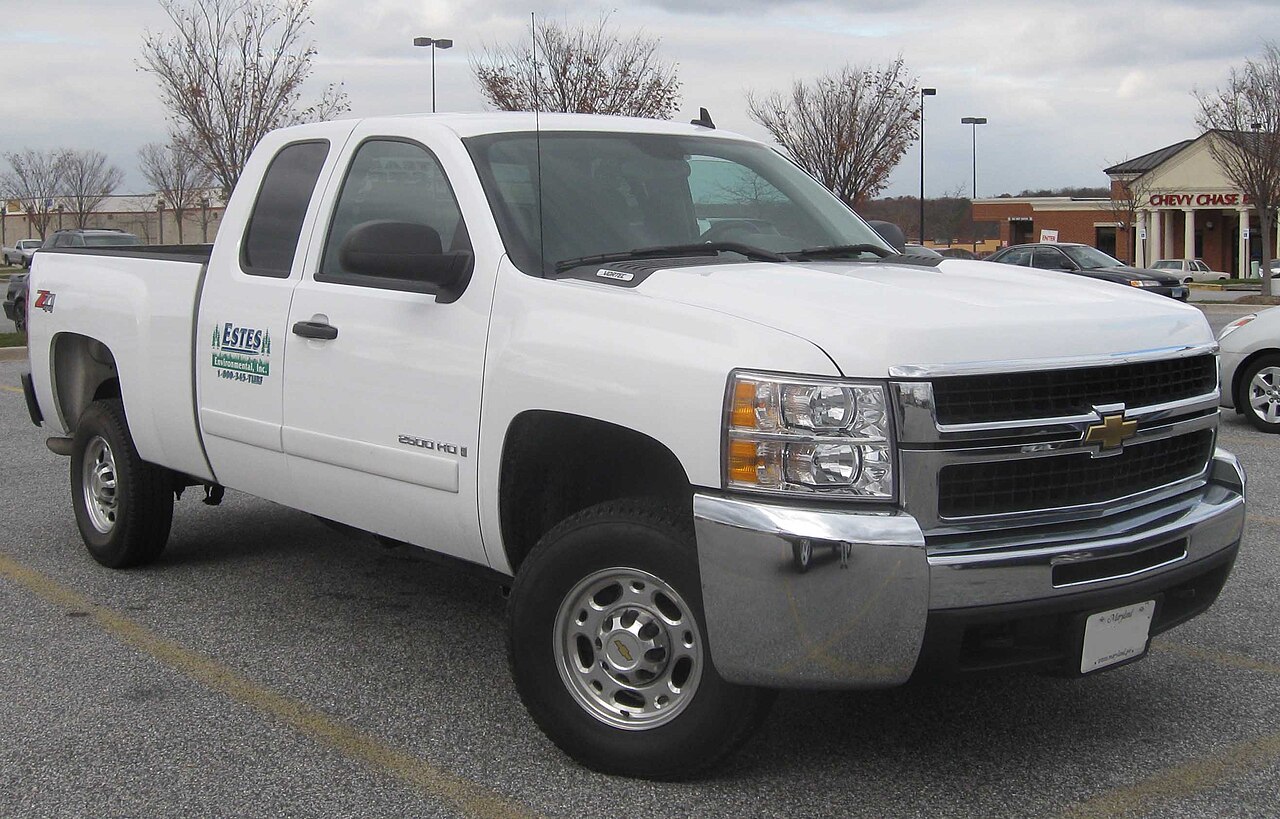
chevrolet silverado 2007-2013 Maintenance Schedule
The 2007–2013 Chevrolet Silverado 1500, part of the GMT900 generation, represents a robust full-size pickup truck known for its capability and broad appeal. This generation introduced significant updates over its predecessor, offering a blend of updated styling, improved interior comfort, and a range of powertrain options designed to meet diverse owner needs. Common engine choices included the 4.3L V6, 4.8L V8, the popular 5.3L V8 (often featuring Active Fuel Management or AFM), and the potent 6.0L V8. Transmissions varied, with earlier models seeing 4-speed automatics and later ones adopting more efficient 6-speed automatics like the 6L80. Trim levels spanned from the utilitarian WT (Work Truck) to the more feature-rich LS, LT, and the premium LTZ, alongside specialized packages like the Z71 off-road variant. The GMT900 platform was shared with its GMC Sierra sibling and other GM full-size trucks and SUVs of the era, solidifying its place as a workhorse and family vehicle. While generally reliable, this generation is not immune to common issues, particularly those related to the AFM system, throttle control, and certain electrical components. Understanding these potential pitfalls and adhering to a diligent maintenance schedule is key to maximizing the lifespan and performance of your Silverado 1500. This guide aims to provide comprehensive information on maintenance, common problems, parts pricing, and ownership insights for owners of the 2007 to 2013 Chevrolet Silverado 1500.
Fluids
| Service | Interval | Notes |
|---|---|---|
| Engine Oil and Filter Change Critical | 12,000 km / 6 mo 7,500 km if severe use | Regular engine oil and filter changes are crucial for lubricating engine components, preventing wear, and removing contaminants. For the 5.3L V8 with Active Fuel Management (AFM), using a quality synthetic oil and adhering to a strict schedule is vital to prevent oil consumption and lifter issues. Signs of needing service include a low oil level warning, ticking noises from the engine, or the oil appearing dark and gritty. Skipping this service can lead to accelerated engine wear and potential component failure. |
| Transmission Fluid and Filter Service Critical | 80,000 km 64,000 km if severe use | Regular transmission fluid changes and filter replacement are vital for the longevity of the automatic transmission. Neglecting this can lead to overheating, clutch wear, and eventual transmission failure. If you tow frequently or operate in severe conditions, consider servicing it sooner. Signs of a problem include slipping gears, harsh shifting, or delayed engagement. |
| Brake Fluid Replacement Critical | 72,000 km 48,000 km if severe use | Brake fluid absorbs moisture over time, which can reduce its boiling point and lead to corrosion in the brake system. Replacing it ensures optimal braking performance and prevents damage to brake components. If the brake fluid appears dark or murky, or if you experience a spongy brake pedal, it's time for a change. |
Tyres
| Service | Interval | Notes |
|---|---|---|
| Tire Rotation and Brake Inspection Critical | 12,000 km / 6 mo 7,500 km if severe use | Rotating tires promotes even wear, extending their lifespan and maintaining balanced handling. Simultaneously inspecting brakes is essential for safety. Worn brake pads can lead to rotor damage and reduced stopping power. Look for squealing noises, longer stopping distances, or a spongy brake pedal as indicators of potential issues. |
Filters
| Service | Interval | Notes |
|---|---|---|
| Engine Air Filter Replacement | 24,000 km / 12 mo 16,000 km if severe use | The engine air filter prevents dust, debris, and insects from entering the engine. A clogged filter restricts airflow, reducing engine performance and fuel efficiency. In dusty conditions, replacement intervals should be shortened. Signs of a dirty filter include reduced power, poor acceleration, or a noticeable drop in fuel economy. |
| Cabin Air Filter Replacement | 32,000 km / 12 mo | The cabin air filter cleans the air entering the passenger compartment, removing allergens, dust, and pollutants. A dirty filter can reduce airflow from the HVAC system and lead to musty odors. Replace it annually or more often if you notice reduced airflow or poor air quality inside the truck. |
Electrical
| Service | Interval | Notes |
|---|---|---|
| Spark Plug Replacement | 144,000 km 120,000 km if severe use | Spark plugs ignite the fuel-air mixture in the engine cylinders. Worn spark plugs can cause misfires, rough idling, reduced fuel economy, and increased emissions. For the 2007-2013 Silverado, iridium plugs typically last around 100,000 miles. Symptoms of failing plugs include check engine lights, poor acceleration, or a noticeable decrease in MPG. |
| Check Electrical Grounds and Battery Terminals | 24,000 km / 12 mo | Corroded battery terminals or loose ground connections can cause a myriad of electrical issues, from hard starting to intermittent electronic glitches. Periodically cleaning and tightening these connections is a simple yet effective preventative maintenance step. Look for white or bluish powdery residue on the terminals or signs of looseness. |
Cooling
| Service | Interval | Notes |
|---|---|---|
| Coolant Replacement | 240,000 km | The engine coolant prevents overheating and corrosion. While modern long-life coolants can last for many miles, it's essential to follow the manufacturer's recommended interval or inspect the coolant condition periodically. Old or contaminated coolant can lead to overheating and internal engine damage. Check for leaks, rust particles, or a drop in coolant level. |
Suspension
| Service | Interval | Notes |
|---|---|---|
| Inspect Steering Intermediate Shaft | 48,000 km | The steering intermediate shaft's universal joints can wear over time, causing clunking noises or play in the steering wheel, especially over bumps. Regular inspection and lubrication can prevent this common issue from worsening and potentially causing more significant steering component damage. Listen for knocking sounds when turning or driving over uneven surfaces. |
| Inspect Suspension Components | 48,000 km | Check control arms, ball joints, tie rods, and shocks/struts for wear. Worn suspension parts can affect alignment, tire wear, handling, and ride comfort. Clunking noises, excessive body roll, or uneven tire wear are signs that these components may need attention. |
Belts
| Service | Interval | Notes |
|---|---|---|
| Inspect Drive Belts Critical | 48,000 km | The serpentine belt drives essential accessories like the alternator, power steering pump, and air conditioning compressor. Cracks, fraying, or excessive noise from the belt indicate it needs replacement. A broken belt will cause a loss of power to these systems, potentially leaving you stranded. Listen for squealing noises, especially on startup or under load. |
Upkeep Tips
Owning a 2007-2013 Chevrolet Silverado 1500 (GMT900) offers a capable and versatile driving experience, but like any vehicle, consistent maintenance and awareness of common issues are key to long-term satisfaction. One of the most critical aspects for these trucks, especially those equipped with the 5.3L V8 featuring Active Fuel Management (AFM), is diligent oil maintenance. AFM engines are known for potential oil consumption issues if not properly cared for. Always use a high-quality synthetic oil of the correct viscosity (typically 5W-30 or 5W-20, consult your owner's manual) and adhere to a shortened oil change interval, especially if you drive in severe conditions. Aim for changes every 5,000 to 7,500 miles, or more frequently if your driving involves short trips, heavy towing, or dusty environments. Paying attention to the PCV system and the updated valve covers can also mitigate oil consumption problems. Beyond oil, regular transmission fluid and filter services are paramount. The automatic transmissions in these Silverados can be durable, but they require clean fluid to prevent wear and overheating. Follow the recommended service intervals, which are typically around 45,000-60,000 miles, and consider doing it sooner if the truck is used for towing or heavy hauling. Ignoring transmission maintenance is a fast track to costly repairs. The steering intermediate shaft is another common wear item that can lead to annoying clunks and play in the steering. Inspecting the universal joints on this shaft periodically and lubricating them, or replacing the shaft if necessary, can resolve this and prevent more expensive damage to the steering rack. Electrical gremlins can also plague these trucks. Ensure battery terminals are clean and tight, and that all ground connections are secure. This simple practice can prevent a host of seemingly unrelated issues, from dimming lights to hard starting. For those in hotter climates or areas with high humidity, consider more frequent battery checks and replacements, as heat can significantly shorten battery life. When it comes to parts, the Silverado 1500 has a wide availability of both OEM and aftermarket options. For critical components like engine parts, brakes, and suspension, using quality aftermarket parts from reputable brands can offer significant cost savings without sacrificing reliability. However, for certain sensors or complex electronic modules, OEM parts might be preferred for guaranteed compatibility and performance. Always research parts before purchasing and consider using online resources that compare prices and reviews. If you're buying a used GMT900 Silverado, pay close attention to its maintenance history. Look for evidence of regular oil changes, particularly for AFM-equipped models, and transmission service records. A vehicle history report can also reveal significant issues or accidents. Be aware of common problem areas like the P2135 throttle position sensor code, which can put the truck into limp mode, and check for any signs of oil consumption or excessive exhaust smoke. Addressing these potential issues early through diligent maintenance and timely repairs will ensure your Silverado 1500 remains a reliable companion for years to come, whether for work, family, or adventure.
Add-ons & Upgrades
WeatherTech All-Weather Floor Liners
Custom-fit floor liners designed to protect your truck's carpet from spills, mud, and debris, offering excellent durability and easy cleaning.
Shop on AmazonK&N Engine Air Filter
A high-flow, reusable air filter that can improve engine performance and fuel efficiency over time, designed for a direct fit in your Silverado.
Shop on AmazonDash Cam (e.g., BlackVue or Nextbase)
Record your drives for safety and evidence purposes with a high-definition dash cam, featuring options for front and rear recording.
Shop on AmazonOBD2 Bluetooth Scanner (e.g., BlueDriver)
A portable diagnostic tool that connects to your smartphone, allowing you to read trouble codes, view live data, and perform basic diagnostics.
Shop on AmazonBed Liner (Drop-in or Spray-in)
Protect your truck bed from scratches, dents, and cargo damage with a durable bed liner, available in easy-to-install drop-in or professional spray-in options.
Shop on AmazonTonneau Cover
Secure your cargo and improve aerodynamics with a tonneau cover, available in various styles like roll-up, folding, or hard-shell designs.
Shop on AmazonWhere to Buy Parts
Frequently Asked Questions
Is the 2007 Chevrolet Silverado 1500 reliable for daily use and long trips?+
The 2007 Silverado is generally durable for daily use and long trips when maintained properly, but buyers should confirm service history for oil-change regularity and AFM/PCV maintenance, as 2007–2009 models commonly show early AFM-related oil consumption if maintenance was neglected; prior remediation (updated valve covers/PCV or AFM delete) substantially improves reliability and resale value.
What are the typical repair costs for a 2010 Silverado with a P2135 throttle code?+
For a 2010 Silverado showing P2135, expect diagnostic plus repair ranging from a cleaning/harness repair ($80–$200) to a replacement throttle/pedal position module or throttle body ($200–$900) depending on OEM vs aftermarket parts and labor rates; always scan for related codes to avoid repeat failures.
How much oil does a 5.3L used in a 2011 Silverado consume before being a concern?+
Occasional minor oil top-ups between changes are not unusual, but frequent needs to add more than a quart between services or visible smoke/low oil pressure are signs of a problem (AFM lifters, PCV/valve-cover leaks); investigate if more than 1 qt/1,000 miles is required.
Are replacement parts and accessories for a 2012 Silverado expensive in Nigeria?+
Imported OEM parts often carry significant markups in Nigeria (estimate used here: about 2.5–3× USD retail) due to shipping, import duties and local distribution; commonly replaced items like brake pads/filters remain affordable, but engine or transmission parts can be substantially costlier locally — always compare global aftermarket vs local OEM sourcing.
Should I avoid AFM-equipped V8 models when sourcing a used 2007–2013 Silverado?+
Not necessarily — AFM engines can be reliable if previous owners followed strict oil-change intervals and installed updated valve covers/PCV fixes; verify maintenance records and oil-consumption history, and inspect for AFM lifter symptoms before purchase.