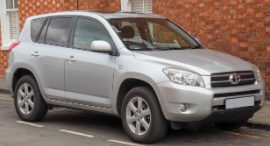
toyota rav4 2006-2012 Common Problems & Issues
Rear suspension arm corrosion -- serious enough that it can separate entirely -- is this RAV4 generation's most safety-relevant issue, alongside the familiar 2AZ-FE engine's oil consumption problem shared with other Toyota models of the era.
3
Critical
2
Moderate
0
Minor
Known Issues
2AZ-FE Engine Excessive Oil Consumption
CriticalModels equipped with the 2.4L 2AZ-FE engine, primarily from 2006 to 2008, are prone to excessive oil consumption. Symptoms include a noticeable drop in the oil level between changes, potentially requiring up to a liter of oil every 1,000 to 1,500 kilometers (about 1 quart per 1,200 miles). In severe cases, blue smoke may be visible under heavy acceleration, and the low oil warning light could illuminate if not monitored. The root cause is often attributed to the original one-piece oil control piston rings, which had sealing issues, allowing oil to enter the combustion chamber. Carbon buildup can exacerbate this problem by causing the rings to stick. Diagnosis involves performing Toyota's official oil consumption test. If consumption exceeds the specified limit, it's classified as excessive. Simple DIY fixes include frequent oil level checks and using high-quality synthetic oil. Professional repair typically involves removing the engine to replace the pistons and piston rings with an updated multi-piece design. This is a significant repair, with costs ranging from $2,000 to $4,000 USD, or approximately ₦3.2 million to ₦6.4 million. This issue is considered critical due to the potential for engine bearing damage and seizure if left unaddressed. Toyota offered warranty enhancements for this issue in some markets.
Rear Suspension Arm Corrosion and Separation
CriticalPrimarily affecting 2006-2008 models, particularly in regions with high humidity or road salt usage, the adjustable rear suspension arms can suffer from significant corrosion. This can lead to a clunking noise over bumps, instability in the rear end, and compromised wheel alignment. In the most severe instances, it poses a safety risk, potentially leading to a loss of control. The cause is corrosion of the metal components, especially where adjustment bolts are located, and sometimes insufficient torque applied during previous alignment services. Visual inspection of the rear suspension arms for rust and thread damage, along with checking bolt torque, is the primary diagnostic method. Owners should avoid attempting DIY replacement of suspension arms without proper equipment and safety knowledge. Professional repair involves replacing the corroded arm(s) and performing a full wheel alignment. The estimated cost for replacing one arm and labor is typically $300-$600 USD (approximately ₦480k–₦960k), with a full set potentially costing $500-$900 USD. This is considered a high-severity issue due to the potential impact on vehicle control. Some markets saw recalls or safety investigations related to this component.
Steering Intermediate Shaft Clunk
ModerateA common issue across all XA30 RAV4 models, particularly noticeable on 2008-2012 vehicles, is a clunking or knocking sound originating from the steering column area. This noise typically occurs when turning the steering wheel at low speeds, especially when encountering bumps or uneven surfaces. It often appears after the vehicle has accumulated between 70,000 and 100,000 kilometers (43,000-62,000 miles). The cause is usually attributed to play developing in the splined joint of the intermediate steering shaft, often due to the lubricant drying out or wear on the spline surfaces. Diagnosis involves listening for the distinct clunk while turning the wheel slowly over bumps and checking for excessive play in the steering shaft when the vehicle is stationary. While some owners might attempt temporary fixes like injecting grease, the recommended solution is to replace the intermediate steering shaft with an updated part. This repair typically takes about 1.5 hours of labor. The estimated cost for parts and labor ranges from $325 to $650 USD (approximately ₦520k–₦1.04M). This issue is classified as moderate severity, as it affects steering feel and driver confidence but is not immediately critical for safety if addressed promptly.
AWD Rear Differential Coupling Noise
ModerateFor RAV4 models equipped with all-wheel drive (AWD) produced between 2006 and 2012, a growling or whining noise emanating from the rear of the vehicle is a known concern. This noise is most often heard at steady cruising speeds, typically between 50-80 km/h (30-50 mph), and may change in pitch or intensity with throttle application. The primary cause is wear or contamination within the front bearing of the rear electromagnetic coupling unit, or general wear within the coupling itself. Diagnosis involves a road test to identify the specific noise and inspecting the coupling unit for leaks or bearing play. While some specialized shops might offer bearing replacement, the common professional repair involves replacing the entire rear differential coupling assembly or, if possible, just the bearing. Costs vary significantly: a bearing-only repair might range from $217-$325 USD (₦347k–₦520k), while a full coupling replacement can cost $435-$1,304 USD (₦696k–₦2.09M). This issue is rated moderate to high in severity, as it impacts drivability and could lead to further damage if ignored. Toyota issued technical service bulletins and warranty enhancements for this problem in the past.
Power Window Master Switch Overheating/Fire Risk
CriticalA potentially serious issue affecting the power window master switch on the driver's door affects models from 2006 to 2010. Symptoms can range from sticky or erratic operation of the power windows to, in rarer but critical cases, overheating of the switch assembly. This overheating can lead to melting of the plastic around the switch and, in extreme situations, smoke or even a fire hazard. The problem is typically caused by non-uniform application or degradation of lubricant on the electrical contacts within the switch, or wear residue leading to short circuits. Diagnosis involves inspecting the switch for signs of heat damage and testing its operation. Owners should avoid applying commercial lubricants, as this can worsen the issue. The only recommended fix is to replace the entire power window master switch assembly. This repair is relatively straightforward and costs approximately $150-$300 USD (₦240k–₦480k), including parts and labor. Due to the fire risk, this is classified as a high-severity problem and was subject to recalls in various regions.
What to Check Before Buying
The third-generation Toyota RAV4 (XA30, 2006-2012) is widely regarded as a reliable and practical compact crossover, often praised for its versatility and Toyota's reputation for durability. However, like any vehicle, it has its specific quirks and potential issues that owners should be aware of to ensure long-term satisfaction and avoid unexpected repair bills. Understanding these common problems and adopting a proactive maintenance approach is key to owning a well-performing XA30 RAV4. One of the most significant concerns, particularly for early models (2006-2008) equipped with the 2.4L 2AZ-FE engine, is excessive oil consumption. This issue stems from a design flaw in the piston rings, leading to oil burning in the combustion chamber. If you are considering purchasing or already own one of these models, regular oil level checks are paramount – perhaps even weekly. If oil consumption is noted, prompt diagnosis and potential repair are crucial, as severe oil burning can lead to catastrophic engine failure. The repair involves replacing the pistons and rings, which is a costly undertaking, typically ranging from $2,000 to $4,000 USD. Later models, particularly those with the 2.5L 2AR-FE engine introduced around 2009, generally do not suffer from this particular oil consumption problem and are considered a more robust choice in this regard. Another common issue, especially prevalent in the 2006-2008 models and in areas with harsh climates (like those using road salt or experiencing high humidity), involves corrosion of the rear suspension adjustable arms. This can lead to clunking noises, alignment problems, and in extreme cases, compromise vehicle stability. Regular washing of the undercarriage, especially after driving in salty conditions, and applying anti-corrosion treatments can help mitigate this. If corrosion is severe, replacement of the affected arms and a subsequent wheel alignment are necessary, costing several hundred dollars. For all XA30 models, a common complaint is a clunking sound from the steering system, particularly when turning at low speeds over bumps. This is usually traced to the intermediate steering shaft. While not an immediate safety hazard if caught early, it can affect steering feel and confidence. Replacement of the shaft is the standard fix, costing a few hundred dollars. Addressing this early is advisable. If you opt for an all-wheel-drive (AWD) model, be aware of potential noises from the rear differential coupling. A whining or growling sound at steady speeds can indicate wear in the coupling's bearing or the unit itself. Repairs can range from bearing replacement to a full coupling unit swap, with costs varying significantly. For everyday urban driving in most conditions, a front-wheel-drive (FWD) RAV4 will avoid this specific concern and might be a simpler choice, especially in markets where AWD complexity might lead to more expensive repairs. The power window master switch on the driver's door is another point of attention for models from 2006-2010. Issues can range from sticky operation to overheating, posing a potential fire risk. This was a recallable item in many markets, so ensuring any relevant recalls have been addressed is wise. Replacement of the switch is generally straightforward and relatively affordable. Maintenance is key to longevity. Follow the recommended service schedule diligently. Key intervals include oil and filter changes every 5,000 miles (or 6 months), tire rotations, and inspections of brakes and suspension. Spark plugs typically need replacement around 60,000-90,000 miles, and automatic transmission fluid should be changed periodically (around 60,000-90,000 miles) to ensure smooth shifting and prevent overheating. Coolant flushes are also important, usually around every 60,000 miles, to prevent corrosion and maintain cooling efficiency. Given the often hot and humid conditions in places like Nigeria, it might be prudent to shorten oil change intervals slightly and ensure the cooling system is always in top condition. When buying a used XA30 RAV4, pay close attention to the maintenance history. A well-documented service record is a strong indicator of a well-cared-for vehicle. Specifically inquire about any repairs related to the oil consumption issue (for 2.4L engines), rear suspension work, or rear differential coupling issues (for AWD models). A pre-purchase inspection by a trusted mechanic is highly recommended, focusing on these known problem areas. Overall, the XA30 RAV4 remains a solid choice for those seeking a dependable and practical compact SUV, provided potential issues are understood and addressed.
Where to Buy Parts
Frequently Asked Questions
Is the 2007 Toyota RAV4 2.4L (2AZ-FE) reliable for long-term ownership?+
The 2007 RAV4 2.4L is mechanically robust but has a well-documented tendency for excessive oil consumption due to defective piston rings. If the engine has not been addressed under Toyota’s warranty enhancement (if applicable) or repaired with revised pistons/rings, owners should expect to monitor oil closely and possibly face a costly repair ($2,000–$4,000) at higher mileages. With proper maintenance and if the oil consumption issue is corrected, it remains a reliable compact SUV with strong longevity.
What are the main differences between the 2007 and 2009 Toyota RAV4 models?+
The 2009 model year introduced a facelift with revised exterior styling, improved interior quality, and better noise insulation. Mechanically, the 2009+ US models often use the newer 2.5L 2AR-FE engine instead of the 2.4L 2AZ-FE, which reduces oil consumption risk and improves efficiency. The 2009+ models also gained access to a 6-speed automatic on higher trims, compared to the 4- or 5-speed autos on earlier 2006–2008 models. For Nigerian buyers, 2009–2012 models are generally preferable due to the more robust engine and updated transmission.
How serious is the steering clunk on the Toyota RAV4 XA30, and how much does it cost to fix?+
The steering intermediate shaft clunk is a common but not immediately dangerous issue. It usually starts as an audible clunk when turning over bumps and can worsen to affect steering feel. The fix is replacement of the intermediate steering shaft, with total costs around $325–$650 USD (approximately ₦520k–₦1.04M) including parts and labor. Early repair is recommended to avoid progressive wear and potential steering feedback issues.
Should I buy an AWD RAV4 XA30 in Nigeria, considering the rear differential coupling issue?+
AWD RAV4 XA30s can be suitable in Nigeria if the rear coupling has been inspected or replaced and the vehicle has a good maintenance history. The rear coupling whine is a known issue, but Toyota addressed it with a warranty enhancement (now expired) and a TSB. If the noise is present, the repair can cost $435–$1,304 USD (₦696k–₦2.09M). For most Nigerian urban use, FWD is simpler and avoids this risk, but AWD can be worthwhile if the coupling is in good condition and you occasionally need extra traction.
What maintenance intervals should I follow for a 2011 Toyota RAV4 in hot, humid Nigerian conditions?+
In hot, humid, and dusty conditions, it is advisable to follow more aggressive intervals than the factory minimum: oil and filter every 5,000 mi or 6 months, coolant checks every 6 months with flush at 60,000 mi, and transmission fluid every 60,000–90,000 mi. Monitor oil level frequently on any 2AZ‑FE engine, and inspect suspension arms and underbody for corrosion regularly. Adhering to these intervals helps preserve engine and transmission life and reduces the risk of common XA30 issues over time.
Also worth reading
toyota rav4 2006-2012 Spare Parts & Pricing