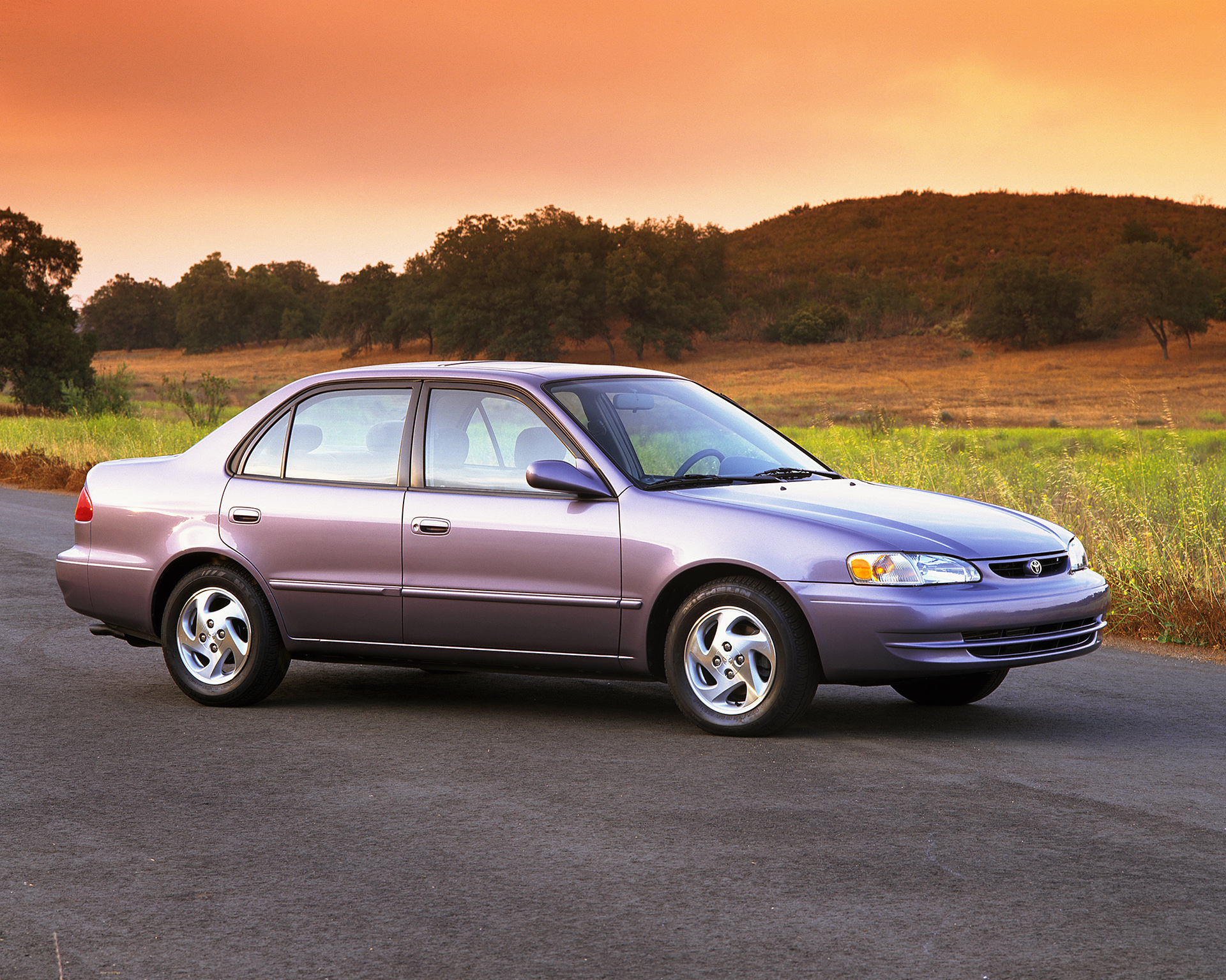
Toyota corolla 1998-2002 Common Problems & Issues
## The Enduring 1998–2002 Toyota Corolla: A Global Workhorse For many motorists around the globe, the 1998–2002 Toyota Corolla represents the pinnacle of compact car reliability and value. This generation, often overlapping between the late 8th (E110) and early 9th (E120) generations depending on the market, cemented the Corolla's reputation for durability, fuel efficiency, and straightforward mechanics. While North American markets primarily received a sedan variant with incremental model-year updates, regions like Japan and Europe also enjoyed hatchback and estate body styles, along with a wider array of engine choices. This era saw Toyota emphasize lighter, all-aluminum engines and improved fuel economy, setting a new benchmark for its class. For those interested in the full spectrum of Toyota's compact offerings, exploring the wider range of [Toyota Corolla models](https://naira.autos/vehicles/toyota/corolla) provides a comprehensive view. Produced from the 1998 through 2002 model years in most export markets, with some regions seeing the full E120 redesign later, this Corolla generation featured a range of powertrains designed for efficiency and longevity. The most widely encountered engine, particularly in North America, was the 1.8L 1ZZ-FE inline-4. This aluminum-block engine, featuring a timing chain and producing around 120–125 horsepower (depending on the year of VVT-i introduction), was lauded for its light weight and economy. In other markets, particularly those prioritizing budget-friendly trims, older-style iron-block engines like the 1.6L 4A/4A-FE variants and the 1.3L 4E-FE were common. Additionally, the 1.5L 1NZ-FE and various diesel options, such as 2.0L units, were available in select regions like Europe and parts of Asia, further diversifying the lineup. To understand how these specifications impact running costs, tools like the [cost of ownership calculator](https://naira.autos/tools/cost-of-ownership) can be invaluable. Transmission options were equally robust, including a universally popular 5-speed manual and various automatic configurations, predominantly 4-speed units, though some 3-speed automatics were available on lower trims. Later models benefited from smoother shift programming and optional overdrive units, enhancing the driving experience. Trim levels varied significantly by market; North America saw VE, CE, and LE trims (with S replacing VE later), often bundled with Touring or Sport packages. Globally, a broader range of trims offered features from basic necessities to enhanced infotainment and comfort options. Many mechanical parts are interchangeable across these regionally diverse body styles, simplifying parts sourcing for dedicated owners. Despite its strong reputation for reliability, like any vehicle aging past two decades, the 1998–2002 Corolla does exhibit some recurring issues. Owners frequently report common problems with suspension components, air conditioning system failures, and occasional oil consumption in higher-mileage examples, particularly on certain engine variants. Routine electrical and ignition system items also appear, typically becoming expensive only if maintenance is neglected. A detailed overview of common issues for this model can be found by consulting a specific guide on [Toyota Corolla 1998-2002 problems](https://naira.autos/problems/toyota-corolla-1998-2002). These issues are generally well-documented across global owner forums and automotive reliability studies, contributing to the comprehensive understanding of this generation's long-term performance and maintenance needs. Despite these points, the Corolla remains a highly sought-after used vehicle due to its fundamental engineering and legendary longevity, often exceeding 200,000–300,000 miles with diligent care.
1
Critical
2
Moderate
1
Minor
Known Issues
Suspension Wear, Bushings, and Shocks
ModerateOwners frequently report age-related wear in suspension components, leading to compromised ride quality and handling. Symptoms include clunking noises when driving over bumps, a loose or vague steering feel, and uneven tire wear. The primary causes are deterioration of front control arm bushings, rear trailing arm bushings, strut mounts, and shock absorbers, particularly in high-mileage vehicles where components are exposed to continuous stress. Diagnosis involves a visual inspection for cracked bushings, fluid leaks from shocks or struts, and checking for play in ball joints and steering tie rods. A professional wheel alignment check and road test can further pinpoint issues. DIY enthusiasts might replace sway bar end links or shock absorbers, while professional repairs typically involve replacing strut assemblies (both sides), control arms with ball joints, and performing a wheel alignment. Neglecting these issues can affect tire life and safety.
Engine Oil Leaks and Perceived Oil Consumption
MinorHigh-mileage examples of the 1998-2002 Corolla, particularly those with the 1ZZ-FE engine, may exhibit signs of oil leaks or elevated oil consumption. Common symptoms include oil spots underneath the vehicle, a consistently low oil level between service intervals, and occasionally blue exhaust smoke under acceleration or a burning oil smell. Causes range from common issues like deteriorated valve cover gaskets and worn camshaft/crankshaft seals to more significant problems such as a clogged PCV valve. In rare, higher-mileage cases, wear in valve guides or piston rings can contribute to consumption. Diagnosis involves visual leak tracing, a compression and leak-down test, PCV valve inspection, and meticulous oil consumption measurement. While DIY fixes for valve cover gaskets and PCV valves are possible, professional repairs might involve resealing main seals, replacing valve stem seals, or, in severe cases, a full engine rebuild. Maintaining proper oil levels is crucial to prevent severe engine damage.
A/C Cooling Inefficiency and Compressor Failure
ModerateA common complaint in older Corollas, the air conditioning system can suffer from reduced cooling efficiency or outright failure. Symptoms include weak or no cold air from the vents, abnormal noise from the compressor, visible refrigerant leaks, or the compressor clutch failing to engage. The primary culprits are typically age-related compressor clutch failures, refrigerant leaks from hoses or the condenser, or electrical issues within the clutch circuit. Vehicles in humid or saline climates may experience accelerated corrosion of condenser lines, leading to leaks. Diagnosis involves pressure checks with manifold gauges, visual leak detection, and checking the compressor clutch's electrical feed. While owners can replace the cabin filter or clean the condenser, professional repairs are often necessary, including compressor replacement, condenser/evaporator repair, and a full A/C service with vacuum and recharge.
Automatic Transmission Hard Shifts (Older Units)
MinorSome 1998-2002 Corollas equipped with the older 3-speed or 4-speed automatic transmissions may develop issues like harsh or delayed upshifts, slipping under high load, or transmission overheating. These problems are often exacerbated by neglected fluid changes or heavy city driving. The underlying causes can include worn clutch packs, torque converter issues, low or degraded transmission fluid, or failing valve body solenoids. Early diagnosis through fluid level/condition inspection, OBD-II diagnostic trouble codes (if present), and professional road tests/pressure checks can be crucial. Simple DIY fixes like flushing and replacing automatic transmission fluid (ATF) can often improve symptoms if addressed early. However, professional intervention may be required for valve body servicing, solenoid replacement, or, in severe cases, a complete transmission rebuild or replacement, which can be a significant expense.
Minor Electrical Gremlins and Power Window/Lock Failures
MinorAs these vehicles age, minor electrical issues are common, often affecting convenience features. Owners may experience intermittent power window operation, complete failure of power door locks, illuminated dashboard warning lights, or dim interior lighting. The root causes frequently involve aging wiring harnesses, failed switches, corroded ground points, or faulty window regulators and motors. Environmental factors like climate and water ingress can accelerate these failures. Diagnosing these issues typically involves voltage checks, bench testing of switches, and inspecting fuse boxes and ground connections for integrity. While replacing a window switch or cleaning corroded ground points can be a moderate-skill DIY task, professional repairs usually entail replacing regulators/motors or tracing and repairing persistent wiring shorts, ensuring proper function and security.
SRS/Airbag Warning Lights and Seatbelt Pre-tensioner Concerns
CriticalSafety Restraint System (SRS) warning lights appearing on the dashboard indicate a fault, rendering the airbags potentially disabled. This is a critical safety concern. Common causes include a faulty clock spring (which allows the steering wheel to rotate while maintaining electrical connection to the airbag), malfunctioning seatbelt buckle sensors, or wiring faults, often exacerbated by age-related corrosion. Older connectors and sensors are prone to failure. Diagnosis requires a specialized scan tool to read SRS trouble codes, followed by inspection of the clock spring, associated connectors, and impact sensor integrity. Due to the safety-critical nature of SRS systems, DIY repairs are strongly discouraged. Professional repair, involving the replacement of faulty components like the clock spring or sensors, is essential and requires calibrated work to ensure system functionality.
What to Check Before Buying
## Comprehensive Ownership Guide for the 1998–2002 Toyota Corolla
The 1998–2002 Toyota Corolla maintains an exceptional reputation for reliability and longevity, with many examples exceeding 200,000–300,000 miles when properly maintained. However, proactive ownership is key to maximizing its lifespan and minimizing unexpected repair costs. Understanding the common issues and adhering to a diligent maintenance schedule will ensure your Corolla remains a dependable vehicle.
### Pre-Purchase Inspection (PPI)
Before purchasing a used 1998–2002 Corolla, a thorough pre-purchase inspection is paramount. Here’s a checklist:
* **Service History Review:** Always request comprehensive service records. Pay close attention to evidence of regular oil changes, automatic transmission fluid (ATF) changes, and timing chain inspections (particularly for the 1ZZ-FE engine, which uses a chain). Neglecting oil changes is the leading cause of expensive engine repairs. * **Engine and Transmission:** Start the car cold and listen for any unusual noises. Check the oil dipstick for proper level and condition. During a road test, pay attention to the automatic transmission for any hard shifts, delays, or slipping, especially under acceleration. For manual transmissions, ensure smooth gear engagement without excessive play. Verify that the check engine light is not illuminated, or if it is, understand the underlying codes. Look for oil spots under the vehicle after it's been parked for a while, and observe for blue exhaust smoke during acceleration, which can indicate oil consumption. In markets with significant used imports, such as some African or Asian regions, verify engine and transmission Vehicle Identification Numbers (VINs) against paperwork. If in doubt about engine condition, budget for a used engine swap, which can cost anywhere from $500–$2,000 (₦750,000–₦3,000,000) installed, rather than a full rebuild. * **Suspension and Steering:** Listen for clunking noises over bumps during the road test. Feel for any looseness or excessive play in the steering wheel. Visually inspect the tires for uneven wear patterns, which can indicate suspension or alignment issues. Get a detailed understanding of common [Toyota Corolla 1998-2002 problems](https://naira.autos/problems/toyota-corolla-1998-2002) that might be indicated during your test drive. * **Air Conditioning (A/C):** Test the A/C system on all fan speeds and temperature settings. Ensure it blows consistently cold air and that there are no unusual noises from the compressor. * **Electrical and Safety Systems:** Confirm that the SRS (airbag) warning light is not illuminated permanently. Test all power windows and door locks for proper operation. Check all exterior and interior lights. A working knowledge of common automotive terms can be helpful, which you can find in our [automotive glossary](https://naira.autos/glossary). * **Underbody and Rust:** In coastal or humid regions, inspect the underbody, frame, and brake/fuel lines for excessive rust and corrosion. This is particularly important for vehicles that have seen extensive use in such environments.
### Maintenance Schedules and Tips
Adhering to recommended service intervals is vital for the Corolla's longevity. While specific intervals can vary by region and driving conditions, general guidance includes:
* **Engine Oil and Filter:** Every 5,000–7,500 miles (8,000–12,000 km) for conventional oil, or up to 10,000–12,000 miles (16,000–19,000 km) with high-quality synthetic oil and light-duty use. Always monitor oil levels between changes on high-mileage cars, as some oil consumption is normal. * **Air Filter:** Replace every 15,000–30,000 miles (24,000–48,000 km), more frequently in dusty environments. * **Spark Plugs:** For iridium plugs, replace every 60,000–100,000 miles (96,000–160,000 km). Older copper plugs may require more frequent replacement. * **Brake Fluid:** Flush and replace every two years. * **Transmission Fluid (Automatic):** Inspect at 30,000 miles (48,000 km) and change every 60,000–100,000 miles (96,000–160,000 km) as needed, depending on driving conditions. Manual gearbox fluid should be changed every 60,000–100,000 miles. * **Coolant:** Replace every 60,000–100,000 miles or according to Toyota's specific schedule. * **Suspension:** Inspect at each service interval; replace bushings and struts as ride quality degrades.
**Preventive Maintenance Tips:**
* **Record Keeping:** Maintain accurate service records. Neglecting oil changes is a primary cause of costly engine failures. * **Parts Quality:** Use OEM or high-quality aftermarket parts for critical safety components like brakes, suspension, and steering. Information on [Toyota Corolla 1998-2002 parts](https://naira.autos/parts/toyota-corolla-1998-2002) can help guide your choices. * **Climate Considerations:** In hot and humid coastal climates, inspect the A/C condenser, fuel lines, and underbody for corrosion more frequently. * **Recalls:** Always check for any formal recalls by visiting resources like the [NHTSA website](https://www.nhtsa.gov/) or your regional automotive safety authority, using your vehicle's VIN. Technical Service Bulletins (TSBs) may also exist for issues like A/C performance or transmission programming; consult local Toyota dealer archives for model-year specific fixes.
### Long-Term Ownership and Costs
While the 1998–2002 Corolla is known for its durability, some higher-cost repairs can eventually arise, primarily complete engine or transmission rebuilds, major A/C evaporator replacements, or collision repairs. A major engine or transmission repair can typically cost $1,200–$4,000 (₦1,800,000–₦6,000,000) in many markets. However, in regions where imported used parts are prevalent, such as certain markets in Africa or Asia, used or remanufactured engine/transmission swaps can reduce costs to $400–$2,000 (₦600,000–₦3,000,000). For an estimate on specific repairs, resources like [RepairPal](https://repairpal.com/) offer useful insights.
Frequently replaced parts generally include brake pads/rotors, shock absorbers/struts, battery, alternator, starter motor, A/C compressors, and power window regulators, alongside regular consumables. Factor in age-related wiring and SRS system replacement costs, especially if warning lights appear. Sourcing reliable parts suppliers for Japanese imported spares is crucial in some markets. For a deeper dive into the financial aspects of vehicle ownership, consider using a [cost of ownership calculator](https://naira.autos/tools/cost-of-ownership).
Used 1998–2002 Corollas can typically range from $1,500–$5,000 (₦2,250,000–₦7,500,000) in developed markets, depending on mileage and condition. In regions with high import costs for used vehicles, prices can vary widely, often equivalent to $2,000–$6,000 (₦3,000,000–₦9,000,000) based on condition and customs duties.
Where to Buy Parts
Frequently Asked Questions
What are the most common problems with the 1998-2002 Toyota Corolla?+
The most common issues for this generation include suspension wear (bushings, shocks, struts) causing clunking noises and poor handling, engine oil leaks and consumption (especially in high-mileage 1ZZ-FE engines), A/C cooling inefficiency or compressor failure, and hard shifting in older automatic transmissions. Minor electrical issues like power window/lock failures and SRS/airbag warning lights are also frequently reported as the vehicles age.
Is the 1998-2002 Toyota Corolla a reliable car?+
Yes, this generation of Toyota Corolla is widely regarded as highly reliable and durable. Many examples exceed 200,000–300,000 miles with consistent maintenance. While it has some common age-related issues, its fundamental engineering is robust, and repairs are generally straightforward. Its reputation for longevity and low running costs has made it a popular choice globally for decades.
What engines were available in the 1998-2002 Toyota Corolla?+
The primary engine in many markets, especially North America, was the 1.8L 1ZZ-FE inline-4, known for its aluminum block and timing chain. Other regions offered the 1.6L 4A/4A-FE, 1.3L 4E-FE, and 1.5L 1NZ-FE engines, often with iron blocks for budget trims. Diesel options, typically 2.0L units, were also available in Europe and certain other markets, though not in North America.
How often should I change the oil in my 1998-2002 Toyota Corolla?+
For conventional oil, it's recommended to change the engine oil and filter every 5,000–7,500 miles (8,000–12,000 km). If using high-quality synthetic oil and primarily driving under light-duty conditions, intervals can extend up to 10,000–12,000 miles (16,000–19,000 km). It's crucial to monitor your oil level between changes, especially in higher-mileage vehicles, due to potential oil consumption.
What should I check before buying a used 1998-2002 Toyota Corolla?+
When buying, always perform a pre-purchase inspection. Check service records for regular oil and transmission fluid changes. Road test the car for suspension noises, smooth transmission shifts, and effective A/C. Verify the SRS (airbag) light is off and there are no oil leaks. Inspect for rust, especially on the underbody, and confirm engine/transmission VINs with paperwork if buying in markets with many used imports.
How much does it cost to replace the AC compressor on a 1998-2002 Corolla?+
Replacing an A/C compressor on a 1998-2002 Corolla can cost between $500–$1,200 (₦750,000–₦1,800,000) for a total professional job, including parts and refrigerant. The compressor itself can range from $120–$600 (₦180,000–₦900,000) depending on whether you choose an aftermarket or OEM unit, plus labor and additional system services like vacuum and recharge.
Are there any recalls for the 1998-2002 Toyota Corolla?+
While the 1998-2002 Corolla is a reliable car, it's essential to check for any formal recalls using your specific VIN on authoritative automotive safety websites like NHTSA. Historically, various Corolla years have had recall activity, often related to SRS, seatbelt, or airbag systems. Technical Service Bulletins (TSBs) also exist for minor issues like A/C performance or transmission programming.
Also worth reading
Toyota corolla 1998-2002 Spare Parts & Pricing