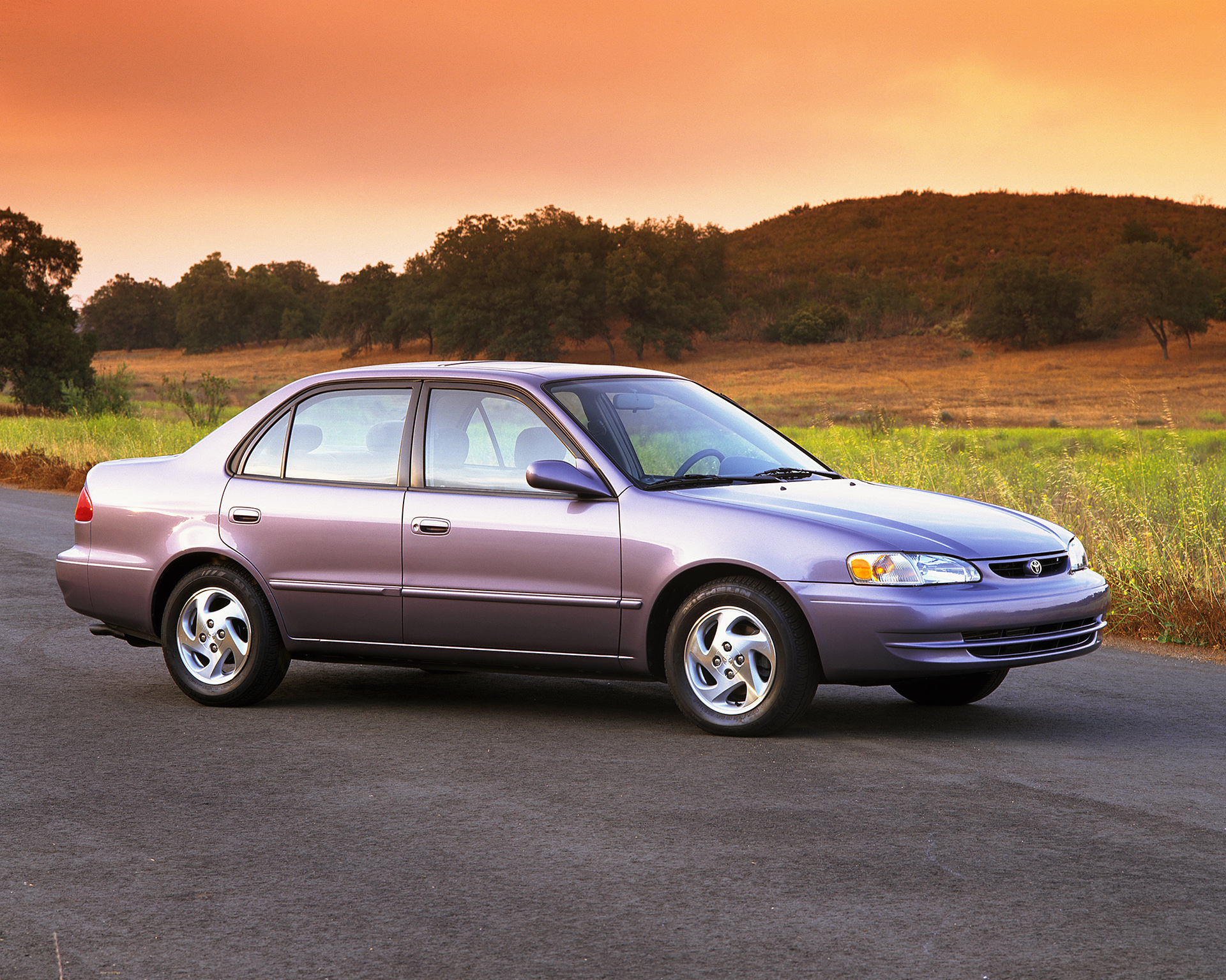
toyota corolla 1998-2002 Spare Parts & Pricing
The 1998–2002 Toyota Corolla, a generation celebrated for its enduring reliability and straightforward engineering, presents owners with a need for dependable parts to maintain its legendary status. Sourcing these components, whether for routine maintenance or unexpected repairs, involves navigating a landscape of original equipment manufacturer (OEM) parts and a vast array of aftermarket options. Owners typically find parts through authorized Toyota dealerships, major online auto parts retailers, and local independent suppliers. When purchasing, understanding the difference between genuine Toyota parts and aftermarket alternatives is key. OEM parts guarantee perfect fitment and quality, aligning with Toyota's original specifications, but often come at a premium price. Aftermarket parts, while generally more affordable, vary significantly in quality and reliability. It is advisable to research reputable aftermarket brands, especially for critical components. For the 1998 Toyota Corolla, the 1999 Toyota Corolla, the 2000 Toyota Corolla, the 2001 Toyota Corolla, and the 2002 Toyota Corolla, owners can expect to find a wide availability of parts due to the model's global popularity. However, vigilance against counterfeit parts is essential, particularly when purchasing from less established online vendors or at unusually low prices. Authentic parts are crucial for ensuring the safety and longevity of your vehicle.
Engine Components
| Part | Price Range | Availability | Interval |
|---|---|---|---|
| Timing Chain Kit (1ZZ-FE) The 1ZZ-FE engine uses a timing chain, which typically lasts the life of the engine. Replacement is rarely needed unless symptoms like rattling or excessive wear appear. Inspection of tensioners and guides is recommended for high-mileage vehicles to prevent premature failure and costly engine damage. OEM kits are preferred for durability and fitment. | $80 – $350 | OEM, Aftermarket | Rarely, inspect on high mileage |
| Valve Cover Gasket Kit A common source of oil leaks, the valve cover gasket deteriorates with age, leading to oil spots and a burning smell. Replacement is a relatively low-difficulty DIY fix, requiring basic tools. Choosing a high-quality aftermarket kit is often sufficient, but OEM ensures exact fit and material quality. Early attention prevents larger issues. | $6 – $40 | OEM, Aftermarket | As needed (when leaks occur) |
| PCV Valve A small but vital component, the PCV (Positive Crankcase Ventilation) valve helps manage engine gases. A clogged PCV valve can contribute to oil leaks, increased oil consumption, and engine sludge buildup. It's an inexpensive part that's easy to replace, making it a good preventive maintenance item. OEM or quality aftermarket is fine. | $5 – $30 | OEM, Aftermarket | Inspect regularly, replace as needed (e.g., every 30,000-50,000 miles) |
Cooling System
| Part | Price Range | Availability | Interval |
|---|---|---|---|
| Water Pump Responsible for circulating coolant, a failing water pump can lead to overheating. Symptoms include leaks, noise, or an engine running hot. While aftermarket options are available, a reliable OEM or high-quality aftermarket pump is crucial for consistent cooling performance. Regular inspection is key to prevent engine damage. | $25 – $180 | OEM, Aftermarket, Used | Inspect at each service; replace as needed |
| Radiator The radiator dissipates heat from the engine's coolant. Leaks or blockages can cause severe overheating. Corrosion, especially in humid or coastal climates, often accelerates its degradation. Aftermarket radiators offer a cost-effective alternative, but ensuring proper fit and cooling capacity is essential for engine longevity. | $90 – $420 | OEM, Aftermarket, Used | Inspect at each service; replace as needed |
| Thermostat A critical component for engine temperature regulation, the thermostat opens and closes to control coolant flow. A stuck-open thermostat can cause the engine to run cold, while a stuck-closed one leads to overheating. It's an inexpensive part, and replacing it promptly can prevent more serious engine problems. OEM quality is recommended. | $5 – $45 | OEM, Aftermarket | Inspect at each service; replace as needed |
Fuel System
| Part | Price Range | Availability | Interval |
|---|---|---|---|
| Fuel Pump (in-tank) The fuel pump delivers fuel from the tank to the engine. Failure can cause starting issues, stalling, or poor engine performance. Symptoms include whining noises from the fuel tank or engine misfires. While used options exist in some markets, a new OEM or reputable aftermarket pump is advised for reliability and safety. | $80 – $380 | OEM, Aftermarket, Used | As needed (when failure symptoms occur) |
Ignition and Electrical
| Part | Price Range | Availability | Interval |
|---|---|---|---|
| Spark Plugs (Iridium set) Essential for ignition, iridium spark plugs offer extended life and consistent performance. Worn plugs can lead to misfires, reduced fuel economy, and poor acceleration. Replacing them within the recommended interval maintains engine efficiency. OEM or equivalent high-quality aftermarket plugs are crucial for optimal combustion. | $10 – $90 | OEM, Aftermarket | 60,000–100,000 miles |
| Ignition Coil (each) Individual coil packs, common in later models of this Corolla generation, provide high voltage to each spark plug. A failing coil can cause misfires, rough idling, and reduced power. Replacing a faulty coil is a common repair. While aftermarket coils are available, OEM or equivalent quality is recommended for consistent engine operation. | $20 – $180 | OEM, Aftermarket | As needed (when failure symptoms occur) |
Electrical
| Part | Price Range | Availability | Interval |
|---|---|---|---|
| Alternator The alternator charges the battery and powers the vehicle's electrical systems. Symptoms of failure include dim lights, battery warning light illumination, or a dead battery. Remanufactured units offer a good balance of cost and reliability, while new OEM ensures peak performance and longevity. Used units vary widely in condition. | $40 – $420 | OEM, Remanufactured, Used | As needed (when failure symptoms occur) |
Suspension
| Part | Price Range | Availability | Interval |
|---|---|---|---|
| Front Strut Assembly (per corner) Worn struts are a common issue, leading to poor ride quality, clunking noises over bumps, and uneven tire wear. Replacing both front struts (and often mounts) restores handling and comfort. Aftermarket options are plentiful and can be cost-effective, but using reputable brands for safety-critical components is advised. Alignment is required after replacement. | $25 – $300 | OEM, Aftermarket, Used | As ride quality degrades or every 80,000-100,000 miles |
| Control Arm with Bushings Front control arm bushings are common wear items, causing loose steering, clunking, and alignment issues. Replacing the entire control arm with pre-installed bushings is often more efficient than just replacing bushings. For safety and performance, investing in OEM or high-quality aftermarket control arms is crucial. An alignment is necessary post-installation. | $20 – $180 | OEM, Aftermarket, Used | As needed (when bushings wear) |
Brake Components
| Part | Price Range | Availability | Interval |
|---|---|---|---|
| Front Brake Pads (set) Brake pads are consumable safety items that require regular inspection and replacement. Worn pads reduce braking efficiency and can damage rotors. While a wide range of aftermarket options exists, OEM or reputable aftermarket pads offer optimal stopping power and durability. Regular checks prevent more costly brake system damage. | $15 – $80 | OEM, Aftermarket | Based on wear (typically 30,000-70,000 miles) |
| Front Brake Rotors (each) Brake rotors provide the surface for pads to grip. Warping or excessive wear leads to vibrations during braking and reduced performance. Rotors should be inspected with every pad change. High-quality aftermarket rotors are generally suitable, but ensure they meet or exceed OEM specifications for optimal safety and longevity. | $30 – $150 | OEM, Aftermarket | Based on wear/warping (often with every other pad change) |
HVAC
| Part | Price Range | Availability | Interval |
|---|---|---|---|
| A/C Compressor A/C compressor failure is common on older vehicles, resulting in weak or no cold air. Symptoms include noise or the clutch not engaging. Replacement often includes other A/C system components like the receiver/drier. A new OEM or quality aftermarket unit is recommended over used for long-term reliability due to the complexity of the AC system. | $70 – $600 | OEM, Aftermarket, Used | As needed (when failure symptoms occur) |
| Cabin Air Filter The cabin air filter cleans the air entering the vehicle's interior, improving air quality and HVAC efficiency. A clogged filter can reduce airflow and introduce odors. Replacement is typically a simple DIY task. Aftermarket filters are widely available and cost-effective, making this an easy and impactful maintenance item. | $10 – $30 | Aftermarket | Every 15,000-30,000 miles or annually |
Transmission
| Part | Price Range | Availability | Interval |
|---|---|---|---|
| Transmission Filter and Gasket For automatic transmissions, changing the fluid and filter (if applicable) is crucial for longevity. This kit ensures proper filtration and sealing. Neglecting fluid changes can lead to hard shifts and premature transmission wear. High-quality aftermarket filters and gaskets are widely available and effective for routine maintenance. | $20 – $80 | Aftermarket | With ATF service (60,000-100,000 miles) |
Body and Interior
| Part | Price Range | Availability | Interval |
|---|---|---|---|
| Window Regulator (per door) Power window failures are common on older vehicles due to aging motors or regulator mechanisms. Symptoms include intermittent operation or the window getting stuck. While replacing the regulator/motor can be a moderate DIY task, selecting a reliable aftermarket unit offers a good balance of cost and functionality. Used parts can also be a viable option. | $20 – $200 | OEM, Aftermarket, Used | As needed (when failure symptoms occur) |
Electrical / Safety
| Part | Price Range | Availability | Interval |
|---|---|---|---|
| Clock Spring (SRS System) The clock spring connects the steering wheel's electrical components (airbag, horn, cruise control) to the rest of the car. Failure often triggers the SRS (airbag) warning light, disabling safety features. Due to its safety-critical nature, replacement should be handled by professionals, and an OEM part is highly recommended for reliability and proper system function. | $80 – $200 | OEM | As needed (when SRS light illuminates) |
Service Items
| Part | Price Range | Availability | Interval |
|---|---|---|---|
| Air Filter (Engine) The engine air filter prevents dirt and debris from entering the engine, ensuring clean combustion. A clogged filter can reduce engine performance and fuel efficiency. It's a quick and easy DIY replacement. High-quality aftermarket air filters are widely available and perform just as well as OEM, making them a cost-effective maintenance item. | $5 – $20 | Aftermarket | Every 15,000–30,000 miles |
Buying Guide
Sourcing and purchasing spare parts for your 1998, 1999, 2000, 2001, and 2002 Toyota Corolla requires a strategic approach to ensure you get quality components at a fair price. This generation of Corolla, known globally for its durability, can benefit immensely from diligent parts selection. Owners have several avenues for acquiring parts, each with its own advantages and considerations.
OEM vs. Aftermarket Parts: The fundamental choice lies between Original Equipment Manufacturer (OEM) parts and aftermarket alternatives. OEM parts are genuine Toyota components, designed and manufactured to the exact specifications of your Corolla. They offer guaranteed fit, performance, and reliability, often coming with a manufacturer's warranty. For critical systems like brakes, steering, or the SRS (airbag) system, opting for OEM parts, especially for components like the clock spring, is highly recommended for safety and peace of mind. However, OEM parts are generally more expensive. Aftermarket parts are produced by third-party companies. The quality of these parts varies significantly. Reputable aftermarket brands can offer excellent value, with parts that meet or exceed OEM standards, often at a lower cost. For items like air filters, cabin filters, or spark plugs, high-quality aftermarket options are widely available and perform reliably. It is crucial to research brands and read reviews, especially for suspension components like front strut assemblies and control arms, or engine parts like water pumps and alternators.
Global Parts Sourcing Channels: Authorized Toyota Dealerships: These are the primary source for guaranteed OEM parts. Dealerships can often identify the exact part needed using your vehicle's VIN, minimizing the risk of incorrect fitment. While this is typically the most expensive option, it ensures authenticity and warranty support. Online Retailers: Websites such as RockAuto, PartsGeek, eBay Motors, and Amazon Automotive have become indispensable resources for Corolla owners worldwide. They offer an extensive selection of both OEM and aftermarket parts, often at competitive prices. When shopping online, always verify compatibility by entering your vehicle's year (e.g., 1998 Toyota Corolla, 2001 Toyota Corolla) and model details. Customer reviews can provide valuable insights into the quality and fit of specific parts. Local Independent Auto Parts Stores: In many regions, physical auto parts stores provide immediate access to common aftermarket parts. Staff can often offer quick assistance, and many stores carry a range of brands and price points. This is convenient for urgent repairs or routine maintenance items. Specialty Salvage Yards and Used Parts Dealers: In markets where used vehicle imports are common, such as parts of Africa or Asia, sourcing used engines, transmissions, body panels, and even components like A/C compressors or window regulators from salvaged vehicles is a prevalent and cost-effective strategy. For example, many owners source Japanese-imported used engines. While this can significantly reduce costs, the condition of used parts varies greatly, necessitating thorough inspection before purchase. It's also wise to verify the Vehicle Identification Number (VIN) of major components if possible.
Counterfeit Parts Awareness: A significant concern, especially when buying online or from unofficial sources, is the risk of counterfeit parts. These can be particularly dangerous when they are safety-critical components like brake pads or rotors, or airbag system components. Always purchase from reputable vendors and be skeptical of prices that seem too good to be true. Inspect packaging and part markings for signs of authenticity.
DIY vs. Professional Installation: Many maintenance tasks on the 1998-2002 Corolla, such as replacing spark plugs, filters, or valve cover gaskets, are within the reach of a DIY enthusiast with basic tools and access to online guides. However, for complex repairs involving the braking system, suspension, or electrical systems (especially the SRS system), professional installation is strongly recommended. A qualified mechanic ensures correct fitment, calibration, and safety, often backing their work with a labor warranty.
Warranty and Shipping Considerations: Always clarify the warranty terms for any part you purchase, whether OEM or aftermarket. Shipping costs and delivery times, particularly for international orders, should be factored into your budget and repair timeline. For owners of a 2002 Toyota Corolla, understanding these factors ensures a smoother ownership experience.
Common Accessories
OBD-II Scanner
A diagnostic tool to read trouble codes from your car's computer, helping to identify issues with engine, transmission, ABS, and other systems. Essential for DIY troubleshooting.
Shop on AmazonCar Cover
Protects your 1998-2002 Toyota Corolla from dust, dirt, UV rays, and weather elements, preserving its paint and finish. Available in various materials for indoor or outdoor use.
Shop on AmazonJump Starter Pack
A portable battery pack that can jump-start your car without another vehicle. Useful for emergencies and ensuring you can start your Corolla even with a weak battery.
Shop on AmazonDash Cam
Records your driving activity for safety, security, or insurance purposes. Many models offer features like loop recording, G-sensors, and wide-angle lenses.
Shop on AmazonFloor Mats
Custom-fit or all-weather floor mats protect your Corolla's interior carpet from dirt, spills, and wear. Available in durable rubber or plush carpet materials.
Shop on AmazonPhone Mount
Securely holds your smartphone for easy navigation and hands-free use while driving your 1998-2002 Toyota Corolla. Mounts vary from windshield to dashboard and vent types.
Shop on AmazonWhere to Buy Parts
Frequently Asked Questions
What are the most common problems for the 1998–2002 Toyota Corolla?+
Owners frequently report several age-related issues with the 1998–2002 Toyota Corolla. These include suspension wear, particularly involving front control arm bushings and strut mounts, leading to clunking noises and poor ride quality. A/C cooling inefficiency and compressor failures are also common due to age. Higher-mileage examples may exhibit oil leaks and increased oil consumption, often due to deteriorating valve cover gaskets or PCV valve issues. Minor electrical gremlins, such as power window failures, can also occur. Prompt diagnosis and repair usually keep these issues manageable.
How reliable is the 1998–2002 Toyota Corolla?+
The 1998–2002 Toyota Corolla maintains an excellent reputation for reliability and longevity, often exceeding 200,000 to 300,000 miles with consistent maintenance. Its durable engines, simple mechanicals, and robust build quality contribute to its high durability ratings in owner surveys and reliability studies. While some age-related wear items are expected, the vehicle generally proves to be a dependable choice, making it a popular option for those seeking a long-term, economical compact car. Regular upkeep is key to unlocking its full potential.
What engines were available in the 1998–2002 Toyota Corolla?+
This generation of the Corolla featured several engine options depending on the market. The most common in North America was the 1.8L 1ZZ-FE inline-4, known for its aluminum block, timing chain, and good fuel economy, producing 120–125 hp. Other markets saw 1.6L 4A/4A-FE and 1.3L 4E-FE variants, particularly in developing regions. The 1.5L 1NZ-FE appeared in later models in markets like Japan and Southeast Asia. Diesel options, such as 2.0L diesels, were available in Europe but not in North America, offering a wider range of choices globally.
How often should I change the engine oil in my 1998–2002 Toyota Corolla?+
For conventional oil, it's recommended to change the engine oil and filter every 5,000–7,500 miles (8,000–12,000 km). If using high-quality synthetic oil and under light-duty driving conditions, this interval can extend to 10,000–12,000 miles (16,000–19,000 km). It's crucial to regularly monitor your oil level between changes, especially in higher-mileage vehicles, as some oil consumption can occur. Consistent oil changes are the single most important factor in preventing expensive engine repairs and extending the life of your Corolla's engine.
What are the key preventive maintenance tips for this Corolla generation?+
To ensure your 1998–2002 Toyota Corolla lasts, maintain accurate service records and adhere to regular oil and filter changes, as oil neglect is a major cause of engine issues. Use OEM or high-quality aftermarket parts for critical safety items like brakes and suspension. In humid or coastal climates, frequently inspect the A/C condenser, fuel lines, and underbody for corrosion. If sourcing used imported parts, verify engine and transmission VINs and perform rust and frame inspections to ensure quality and compatibility, especially in markets where used components are common.
Where can I source spare parts for my Corolla globally?+
Globally, spare parts can be sourced from various channels. Authorized Toyota dealerships offer genuine OEM parts with warranty. Online retailers such as RockAuto, PartsGeek, eBay Motors, and Amazon Automotive provide a wide range of both OEM and aftermarket options at competitive prices. Local independent auto parts stores are convenient for common consumables. In markets with strong used import economies, specialty salvage yards are excellent sources for used engines, transmissions, and body panels, offering cost-effective alternatives, though careful inspection is vital.
Are there any recalls or TSBs for the 1998–2002 Toyota Corolla?+
Owners should always check VIN-specific recall records with regional authorities like NHTSA or official Toyota archives before purchasing or servicing. Historically, various Corolla years have seen recall activity, particularly for SRS/airbag systems and seatbelt pretensioners, so it's important to verify for your specific vehicle. Additionally, Technical Service Bulletins (TSBs) exist for issues like A/C performance, engine mounts, and transmission shift programming in certain markets. Consult your local Toyota dealer for TSBs relevant to your model year and region to ensure all recommended updates are applied.
How much should I budget for a major engine or transmission repair?+
For a major engine or transmission repair, such as a complete engine rebuild, head gasket job, or transmission rebuild, you should budget between $1,200–$4,000 USD (₦1,800,000–₦6,000,000) in many developed markets. These are typically the highest-cost repairs you might encounter. In regions where importing used parts is common, like some parts of Africa, owners often opt for a used engine or remanufactured transmission swap, which can significantly reduce costs, potentially ranging from $400–$2,000 USD (₦600,000–₦3,000,000) depending on the part's condition and local labor rates.
Also worth reading
toyota corolla 1998-2002 Common Issues