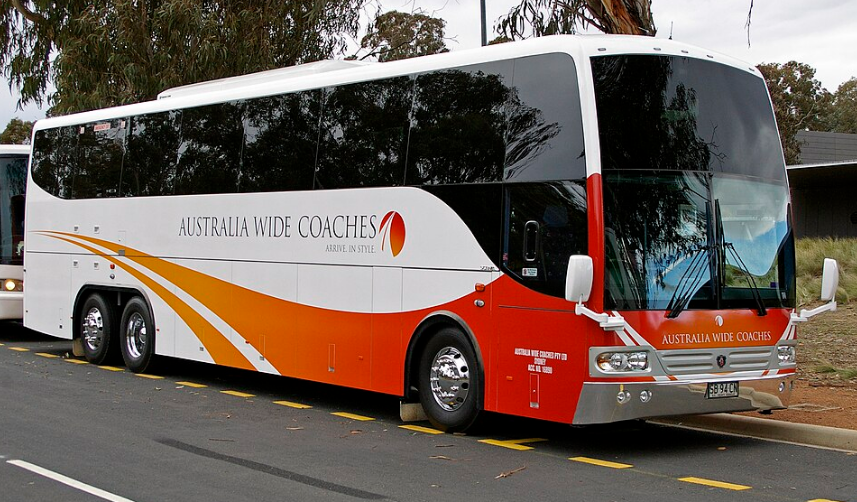
scania k 2006-2020 Common Problems & Issues
The Scania K series represents a robust line of rear-engine bus and coach chassis, first introduced in 2006 and continuing in production. This report focuses on the major chassis generations produced between 2006 and 2020. These versatile chassis are designed for a wide range of applications, including urban city buses, intercity transport, long-distance coaches, articulated buses, and double-decker configurations. Replacing the older 4-series K/N/L family, the K series chassis features a longitudinally mounted engine at the rear, offering a well-balanced platform for various body types. Engine options primarily include the DC9/DC09 (9.3L, 5-cylinder) and the larger DC12/DC13 (11.7–12.7L, 6-cylinder) engines, with variations for Euro III through Euro VI emissions standards. Specialized engines like the OC9 (CNG) and DC9 E02 (Ethanol) were also available for specific markets. Transmission choices are equally diverse, encompassing ZF Ecomat and EcoLife automatics, Voith DIWA units, and Scania's own ComfortShift and Opticruise automated manual transmissions, catering to different operational needs. Key chassis variants include the K UB (rigid low-entry city bus), K UA/K CA (articulated city bus), K IB (intercity bus/coach), K EB (long-distance coach), and K UD (double-decker city bus). The K series shares powertrain architecture with Scania truck platforms, ensuring a degree of commonality in parts and service. This comprehensive research report delves into the common problems, parts pricing, maintenance schedules, and ownership insights for the 2006–2020 Scania K Series bus, providing essential information for operators and owners globally.
1
Critical
4
Moderate
0
Minor
Known Issues
Electrical Harness Overheat / Fire Risk
CriticalA critical issue affecting 2019–2020 Scania K Series models (K310–K490 variants) involves electrical harness overheating, leading to a potential fire risk. Symptoms include intermittent electrical faults displayed on the instrument panel or chassis control modules. In severe cases, heat or smoke may be visible originating from the wiring connected to a circuit board. The root cause is an incorrectly manufactured cable harness that creates high-resistance joints, generating excessive heat. Diagnosis involves a visual inspection of the harness and its connections to the main circuit board, potentially using thermal imaging under load. Due to the significant fire hazard, this repair is not recommended for DIY and requires a qualified technician to replace the entire cable harness assembly and inspect the associated circuit board. Estimated repair costs range from $3,100 to $5,200 USD, including parts and labor. This is classified as a critical, high-severity issue and was subject to recall in regions like Australia.
DC09/DC9 Engine Fuel Injection / Control Unit Issues
ModerateProblems with the DC09/DC9 engine's fuel injection system, particularly the control unit (ECU), are frequently reported across various Scania K Series bus models from 2006–2020. Symptoms can range from engine no-start conditions, intermittent starting issues, loss of power, rough running, and unexpected engine shutdowns. Diagnostic trouble codes often relate to injector control circuits or communication errors within the ECU. The cause can be a faulty or 'stuck' ECU requiring reset or reinitialization, or issues within the fuel system itself, such as contamination, sensor failures (pressure, temperature), or clogged injectors. Diagnosis involves using a Scania diagnostic tool to read fault codes, checking fuel pressure, filter condition, and injector operation. A professional repair may involve ECU reinitialization or replacement, fuel system cleaning, and injector testing or replacement. Costs for a simple ECU reset are minimal, but ECU replacement can range from $1,800 to $3,000 USD. Fuel system work adds another $400 to $1,200 USD. This issue is classified as widespread and can significantly impact operability, making it a medium-to-high severity concern.
Suspension & Air System Leaks
ModerateScania K Series city bus variants (K UB/UA) are prone to suspension and air system leaks, particularly as they age or operate in demanding conditions. Symptoms include the bus sagging on one side, an uneven ride height, continuous running of the air compressor, low air pressure warnings, and audible hissing noises from air springs or lines. The primary causes are worn air spring bellows, cracked or leaking air lines, and faulty leveling valves. Corrosion in air lines can also be an issue in humid environments. Diagnosis involves a thorough visual inspection of all suspension components and air lines, followed by an air pressure test and leak detection using soapy water. While minor air line replacements might be DIY-possible for skilled technicians, professional repair typically involves replacing air spring bellows, leveling valves, and any damaged lines, followed by recalibration of the Electronic Leveling Control (ELC) system. Repair costs per side can range from $730 to $1,500 USD, making this a moderate severity issue impacting ride comfort and potentially safety at higher speeds.
Brake System Wear & EBS/ABS Sensor Failures
ModerateBrake system wear is a common concern across all Scania K Series bus variants, especially those used in frequent stop-and-go city operations. Symptoms include reduced braking performance, longer stopping distances, illuminated ABS/EBS warning lights, and intermittent fault codes related to wheel speed sensors. Uneven brake pad wear can also be an indicator. The causes are typically normal wear and tear on brake discs and pads, exacerbated by heavy use. Additionally, ABS/EBS wheel speed sensors can become corroded or damaged, leading to system malfunctions. Diagnosis requires measuring brake disc and pad thickness and scanning the ABS/EBS system for specific sensor faults. While brake pad replacement might be a DIY task for experienced individuals, a full brake service, including disc replacement and sensor checks/replacement, is often best left to professionals. A complete brake service per axle can cost between $770 and $1,600 USD, including parts and labor, classifying this as a medium-to-high severity issue directly impacting vehicle safety.
Cooling System Leaks and Pump Failures
ModerateIssues within the cooling system, such as leaks and water pump failures, are frequently encountered on Scania K Series buses, particularly in hot climates or during heavy use. Symptoms include engine overheating, noticeable drops in coolant level, and visible leaks around hoses, the water pump, or the radiator. These problems often stem from age-related degradation of coolant hoses, failure of water pump seals, or corrosion within the radiator core. Diagnosis involves pressure testing the cooling system to identify leaks, inspecting the water pump for operational issues, and checking the overall condition of components. While replacing hoses might be feasible for a DIYer, significant repairs like water pump or radiator replacement are typically handled by professionals. The total cost for replacing the water pump, radiator, and hoses can range from $1,500 to $3,000 USD. This is a medium-severity issue, as ignoring cooling system problems can lead to severe engine damage.
What to Check Before Buying
The Scania K series bus chassis, produced from 2006 to 2020, is generally regarded as a durable and reliable platform, particularly favored by fleet operators for its robust engineering and long service life potential. However, like any complex vehicle, it is susceptible to specific issues that owners and operators should be aware of. Proactive maintenance and timely repairs are paramount to maximizing the lifespan and minimizing downtime of these vehicles.
The electrical system, especially on later models like the 2019–2020 Scania K Series, has seen a critical issue with the electrical harness overheating, posing a fire risk. This was a documented recall in some regions. Owners should be vigilant for any intermittent electrical faults or signs of heat around wiring looms connected to control modules. If such symptoms appear, immediate professional inspection and repair are necessary. This issue underscores the importance of ensuring all recalls are addressed by previous owners, and using a VIN checker can help confirm this.
Engine-related problems, particularly concerning the DC09 and DC9 engines' fuel injection and control units (ECUs), are also common. Symptoms can range from difficult starting to complete engine failure. Regular diagnostic checks using Scania-specific tools can help identify potential ECU or fuel system issues early. Keeping fuel systems clean and filters replaced at recommended intervals is crucial, especially in areas with variable fuel quality. For operators in tropical climates, specific attention to cooling systems is vital. Overheating can quickly lead to severe engine damage. Regular coolant flushes, inspection of hoses and the water pump, and using the correct coolant type are essential. In hot regions, many operators opt for more frequent coolant servicing than the standard schedule suggests.
Suspension and brake systems are subject to wear, especially on city bus variants (K UB/UA) that endure constant stop-start operation. Air suspension leaks can lead to an uneven ride and put extra strain on the compressor. Regular checks of air bellows, lines, and leveling valves are recommended. Similarly, brake systems require consistent monitoring; worn discs and pads reduce safety, and ABS/EBS sensor issues can disable crucial safety features. Early detection of brake wear and cleaning of sensors can prevent more costly repairs and ensure vehicle safety.
When purchasing a used Scania K Series bus, a thorough inspection is indispensable. Focus on the maintenance history – a well-documented service record, especially one that includes adherence to the factory schedule and prompt resolution of any recalls or known issues, is a strong indicator of a well-cared-for vehicle. Pay close attention to the condition of the engine, transmission, suspension, and electrical systems. For models within the 2006–2020 range, be aware of the specific problem areas mentioned in this report.
Long-term ownership of a Scania K Series bus can be very rewarding, with many units exceeding 1 million kilometers with proper care. The availability of parts, both OEM and aftermarket, is generally good globally, though local availability and pricing can vary significantly. Operators should establish relationships with reputable parts suppliers and qualified service centers. Utilizing diagnostic tools and understanding the common failure points will empower owners to maintain their buses efficiently and cost-effectively, ensuring continued reliable service for many years.
Where to Buy Parts
Frequently Asked Questions
Is the 2008 Scania K250UB reliable for city bus operations?+
The 2008 Scania K250UB (K UB variant) is generally considered reliable for city bus use, with a robust DC9 engine and ZF transmission. Operators report long service lives (600,000–1,000,000 km) when maintenance is strictly followed. Common issues include air suspension leaks and brake wear in stop–go service, but these are typical for city buses and manageable with regular inspections.
What are the most common problems with the 2012 Scania K320IB on intercity routes?+
For the 2012 Scania K320IB (K IB intercity variant), the most frequent problems are related to the DC09/DC9 fuel system (ECU/injector faults), suspension air leaks, and brake component wear over high mileage. Electrical issues are less common than in newer 2019–2020 models, but wiring corrosion can occur in humid environments. Regular ECU diagnostics and suspension checks help prevent major failures.
How often should the coolant be flushed on a Scania K Series bus?+
Scania recommends a coolant flush every 60,000 km or 2 years, depending on duty cycle. In hot, tropical climates, many operators shorten this to 1–1.5 years to prevent corrosion and overheating. Use Scania-approved coolant and flush the entire system, including the radiator and heater core, to avoid blockages.
Are Scania K Series buses suitable for challenging road and climate conditions?+
Yes, Scania K Series buses can perform well in demanding conditions if properly maintained and protected. Key considerations include frequent fuel and air filter changes in dusty environments, enhanced cooling system maintenance in hot climates, and extra protection for electrical wiring and connectors against moisture. Buses with full service records and documented recall fixes are more reliable long-term.
What is the expected lifespan of a Scania K Series bus with proper maintenance?+
With regular maintenance and reasonable operating conditions, Scania K Series buses commonly reach 800,000–1,200,000 km before major engine or transmission work is needed. Chassis and suspension components may require multiple replacement cycles over this period. Lifespan is heavily dependent on maintenance quality, duty cycle, and environmental factors.
Also worth reading
scania k 2006-2020 Spare Parts & Pricing