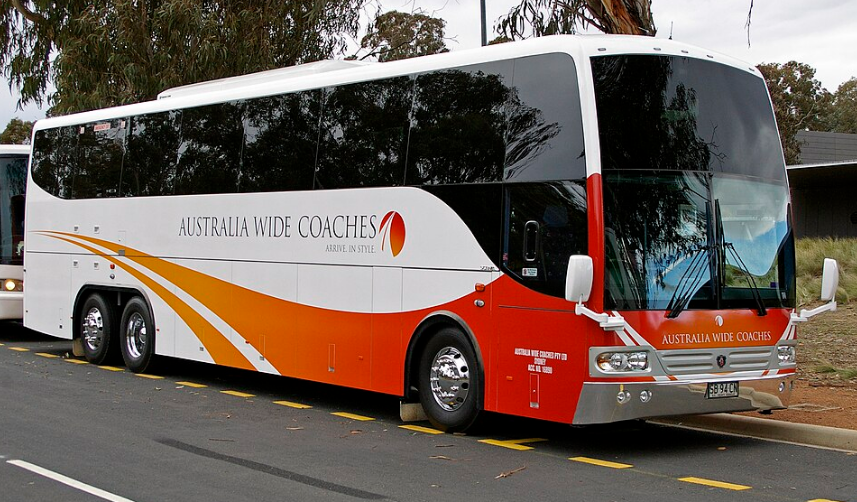
scania k 2006-2020 Spare Parts & Pricing
The Scania K series represents a robust family of rear-engine bus and coach chassis, first introduced in 2006 as a successor to the Scania 4-series K/N/L lineup. These chassis are engineered for versatility, accommodating various applications including urban transit, intercity travel, long-distance coaching, articulated configurations, and double-decker buses. The K series features a longitudinally mounted engine positioned at the rear, contributing to its balanced weight distribution and operational efficiency. This report focuses on the major chassis generations produced between 2006 and 2020, examining their technical specifications, common issues, parts availability, and maintenance requirements. Engine options for the 2006–2020 Scania K Series include the DC9 (9.3 L, 5-cylinder) and DC13 (11.7–12.7 L, 6-cylinder) series, with power outputs ranging from 230 to 490 horsepower, catering to diverse performance demands. Alternative fuel options like Compressed Natural Gas (CNG) under the OC9 family and Ethanol-powered DC9 E02 engines were also available for specific markets. Transmission choices are equally varied, featuring ZF Ecomat and EcoLife automatic gearboxes for urban and intercity buses, Voith DIWA units in some city bus builds, and Scania's own ComfortShift and Opticruise automated manual transmissions for long-distance coaches. The chassis is built upon several main variants, including the K UB (rigid low-entry city bus), K UA/CA (articulated city bus), K IB (intercity bus/coach), K EB (high-comfort coach), and K UD (double-decker city bus). These are often built on platforms shared with the Scania N series (transverse engine buses) and share powertrain components with Scania's truck range, underscoring the brand's integrated engineering approach. Understanding the specific variant, engine, and transmission is crucial when sourcing parts and performing maintenance for models like the 2007 Scania K UB or the 2015 Scania K IB.
Electrical
| Part | Price Range | Availability | Interval |
|---|---|---|---|
| Electrical Harness Assembly This part is specifically related to a recall for 2019–2020 models due to overheating and fire risk caused by faulty manufacturing. Replacement is critical for safety and should only be performed by qualified technicians. Cost includes the harness itself. | $2.5k – $4.0k | OEM | As needed (Recall Item) |
| Alternator (150A) The alternator charges the battery and powers the vehicle's electrical systems while the engine is running. Failure leads to battery drain and potential shutdown. A 150A rating is typical for heavy-duty bus applications. | $400 – $700 | OEM | As needed |
| Battery (180Ah, 12V) Heavy-duty batteries are required for bus applications. Lifespan can be reduced in very hot climates. Ensure correct voltage and capacity are selected. Multiple batteries are often used in series or parallel. | $180 – $320 | OEM | 3-5 years |
Engine Control
| Part | Price Range | Availability | Interval |
|---|---|---|---|
| DC09/DC9 Engine Control Unit (ECU) The main engine control unit responsible for fuel injection and engine management. Failures can lead to no-start conditions, loss of power, or rough running. Replacement often requires professional programming and calibration specific to the vehicle's configuration. | $1.8k – $3.0k | OEM | As needed |
Fuel System
| Part | Price Range | Availability | Interval |
|---|---|---|---|
| Fuel Injector (per unit) Individual fuel injectors are critical for precise fuel delivery. Faulty injectors can cause rough idling, misfires, reduced power, and increased fuel consumption. Replacement is typically done on a per-unit basis as diagnosed. | $250 – $450 | OEM | As needed |
Suspension
| Part | Price Range | Availability | Interval |
|---|---|---|---|
| Air Spring Bellow These rubber bellows are part of the air suspension system, maintaining ride height and comfort. Leaks or tears are common issues, especially in harsh climates or with heavy use. Replacement is typically done per axle or per corner as needed. | $250 – $450 | OEM | As needed |
| Air Leveling Valve This valve controls the air pressure within the air springs to maintain a consistent ride height. Malfunctions can lead to sagging suspension, uneven ride, or continuous compressor operation. It's often replaced alongside air spring bellows. | $180 – $350 | OEM | As needed |
Brakes
| Part | Price Range | Availability | Interval |
|---|---|---|---|
| Brake Disc (per wheel) Brake discs are critical safety components that wear over time, especially in stop-and-go city traffic. Replacement frequency depends heavily on usage. Always replace in pairs per axle. Ensure compatibility with ABS/EBS systems. | $250 – $450 | OEM | As needed (Wear Item) |
| Brake Pad Set (per axle) Brake pads are a consumable wear item. Regular inspection and replacement are vital for safety. The cost varies based on material compound and whether OEM or aftermarket parts are chosen. Always replace both pads on an axle simultaneously. | $120 – $250 | OEM | As needed (Wear Item) |
| ABS/EBS Wheel Sensor These sensors provide wheel speed data to the Anti-lock Braking System (ABS) and Electronic Braking System (EBS). Faulty sensors can trigger warning lights and impair braking performance. Corrosion is a common failure cause in humid or salty environments. | $180 – $350 | OEM | As needed |
Cooling System
| Part | Price Range | Availability | Interval |
|---|---|---|---|
| Water Pump The water pump circulates coolant through the engine and radiator. Seal failures or bearing wear can lead to leaks and overheating. It's often replaced as preventative maintenance during major cooling system overhauls. | $300 – $600 | OEM | As needed |
| Radiator The radiator dissipates heat from the engine coolant. Corrosion, leaks, or internal blockages can reduce its efficiency, leading to overheating. Replacement is a significant expense, often performed in conjunction with water pump and hose replacement. | $600 – $1.2k | OEM | As needed |
| Coolant Hoses (set) Rubber coolant hoses degrade over time due to heat and pressure. Cracks or swelling indicate they need replacement to prevent leaks and potential engine damage. A full set replacement is often recommended for preventative maintenance. | $150 – $300 | OEM | As needed (Wear Item) |
Engine
| Part | Price Range | Availability | Interval |
|---|---|---|---|
| Turbocharger (DC09) The turbocharger forces more air into the engine cylinders, increasing power and efficiency. Failures can result from oil starvation, contamination, or wear, leading to loss of power or excessive smoke. Reconditioned units are often available at lower cost. | $1.2k – $2.2k | OEM | As needed |
Steering
| Part | Price Range | Availability | Interval |
|---|---|---|---|
| Steering Rack The steering rack converts steering wheel input into wheel movement. Wear can lead to play in the steering, leaks, or stiffness. Replacement is a significant mechanical repair. | $900 – $1.6k | OEM | As needed |
Drivetrain
| Part | Price Range | Availability | Interval |
|---|---|---|---|
| Transmission Control Module This module controls the automatic transmission's shifting. Failures can cause erratic shifting, no-shift conditions, or transmission warning lights. Requires specialized diagnostics and programming. | $1.0k – $1.8k | OEM | As needed |
| ZF Ecomat Clutch Pack The clutch pack is a wear item within automatic transmissions like the ZF Ecomat. Slipping, harsh shifts, or failure to engage gears indicate wear. Replacement is a major transmission repair. | $1.2k – $2.2k | OEM | As needed |
Sensors
| Part | Price Range | Availability | Interval |
|---|---|---|---|
| Crankshaft Position Sensor This sensor is crucial for engine timing and ignition. A faulty crankshaft position sensor can cause intermittent stalling, no-start conditions, or rough running. It is a relatively common sensor failure. | $120 – $250 | OEM | As needed |
| Oil Pressure Sensor Monitors the engine's oil pressure. A failing sensor can give false readings or fail completely, potentially leading to inaccurate warnings or enabling engine protection modes. Accurate oil pressure is vital for engine longevity. | $90 – $180 | OEM | As needed |
Filters
| Part | Price Range | Availability | Interval |
|---|---|---|---|
| Fuel Filter (chassis-mounted) Crucial for preventing contaminants from reaching the fuel injection system. Frequent replacement is recommended, especially in areas with lower fuel quality. Clogged filters can lead to reduced power and engine issues. | $80 – $180 | OEM | 15,000 km / 6 months |
| Oil Filter Replaced during every oil change service to ensure clean oil circulates through the engine. Using a quality oil filter is essential for engine longevity and performance. | — | OEM | 15,000 km / 6 months |
| Air Filter Filters intake air to protect the engine from dust and debris. In dusty environments, more frequent replacement may be necessary to maintain engine performance and prevent internal wear. | — | OEM | 15,000 km / 6 months |
Buying Guide
When acquiring a Scania K Series bus, particularly models from the 2006 to 2020 production run, a thorough inspection and understanding of common issues are paramount. Operators and owners should consider the intended use – whether for city transit (K UB, K UA variants), intercity routes (K IB), or long-distance coaching (K EB) – as this influences wear patterns and potential problems. The choice of engine (DC9, DC13) and transmission (ZF, Voith, Scania Opticruise) also significantly impacts maintenance needs and costs.
For models like the 2007 Scania K UB or the 2015 Scania K IB, pay close attention to the vehicle's maintenance history. Scania buses are built for durability, often exceeding 800,000 km, but this longevity is directly tied to consistent and high-quality servicing. Look for evidence of regular oil and filter changes, coolant flushes, and brake system inspections. A documented service record from a reputable Scania dealer or fleet operator is a strong indicator of good care.
Given the common issues identified, specific areas require focused scrutiny. Electrical system integrity is crucial; be wary of any signs of intermittent faults, warning lights, or repairs related to the wiring harness, especially on 2019–2020 models which faced a recall for this issue. A failed electrical harness can be a fire hazard and a very expensive repair. Check for signs of overheating or previous fire damage around the main circuit boards.
The DC09 and DC13 engines are generally robust, but fuel system issues, particularly with the ECU or injectors, can occur. Listen for unusual engine noises, check for rough idling, loss of power, or excessive smoke. Inspect fuel filters for signs of contamination, which is more prevalent in areas with variable fuel quality. For 2006 Scania K IB models and similar, ensure the engine management system is functioning correctly.
Suspension problems, especially air leaks in the air springs or leveling valves, are common, particularly on city bus variants (K UB, K UA). Check for sagging on one side, continuous air compressor activity, or audible hissing sounds. Uneven ride height or excessive bouncing can indicate worn components. Inspect air lines for corrosion or physical damage, especially in humid or coastal environments.
Brake system wear is expected, especially in stop-and-go city operations. Inspect brake discs and pads for thickness and even wear. Listen for grinding noises or feel for pulsations through the brake pedal. Also, check the ABS/EBS wheel speed sensors, as corrosion or damage can lead to system faults and warning lights. Ensure the braking performance feels adequate for the vehicle's size and weight.
Cooling system integrity is vital, particularly in hot climates. Look for coolant leaks around hoses, the water pump, or the radiator. Check the coolant level and condition. Overheating is a serious concern that can lead to catastrophic engine damage. Inspect hoses for swelling or cracking and consider their age.
When inspecting older models, such as a 2009 Scania K EB, consider the overall condition of the chassis for rust or corrosion, particularly in the underbody areas and around suspension mounting points. Check the transmission for smooth shifting and any signs of leaks or unusual noises. The steering system should feel responsive with minimal play.
Finally, always factor in the cost of potential repairs. While Scania parts are generally available globally, OEM components can be expensive. Aftermarket options exist and can offer significant savings, but their quality and longevity can vary. For critical safety components like brakes and suspension, investing in quality parts, whether OEM or reputable aftermarket brands, is recommended. The cost of labor for major repairs on a bus can also be substantial, so obtain quotes and verify technician expertise before committing to work.
Common Accessories
Heavy-Duty OBD2 Scanner
Essential for reading engine and chassis fault codes, monitoring live data, and diagnosing issues on Scania K Series buses. Look for models with heavy-duty truck support.
Shop on AmazonMulti-channel Dash Camera
Records driver view, cabin, and potentially road-facing footage for incident evidence and operational monitoring. Choose a system designed for commercial vehicles.
Shop on AmazonHeavy-Duty Floor Mats
Durable rubber mats protect the bus floor from dirt, water, and wear, making cleaning easier and preserving the interior. Ensure they are cut-to-fit or oversized for proper coverage.
Shop on AmazonPortable Air Compressor
A 12V portable compressor is useful for inflating tires and performing quick checks or adjustments on air suspension systems, especially for smaller operators.
Shop on AmazonDigital Multi-meter
A versatile tool for electrical diagnostics, testing voltage, resistance, and continuity. A model with CAN bus interface capabilities is beneficial for modern vehicle electronics.
Shop on AmazonSunshades
Custom or universal sunshades help reduce cabin heat buildup in hot climates, improving driver comfort and reducing air conditioning load. Essential for tropical operations.
Shop on AmazonLED Interior Lighting
Upgrade interior lighting to energy-efficient LED strips for better visibility and ambiance within the passenger cabin or driver's area.
Shop on AmazonWhere to Buy Parts
Frequently Asked Questions
Is the 2008 Scania K250UB reliable for city bus operations?+
The 2008 Scania K250UB (K UB variant) is generally considered reliable for city bus use, with a robust DC9 engine and ZF transmission. Operators report long service lives (600,000–1,000,000 km) when maintenance is strictly followed. Common issues include air suspension leaks and brake wear in stop–go service, but these are typical for city buses and manageable with regular inspections.
What are the most common problems with the 2012 Scania K320IB on intercity routes?+
For the 2012 Scania K320IB (K IB intercity variant), the most frequent problems are related to the DC09/DC9 fuel system (ECU/injector faults), suspension air leaks, and brake component wear over high mileage. Electrical issues are less common than in newer 2019–2020 models, but wiring corrosion can occur in humid environments. Regular ECU diagnostics and suspension checks help prevent major failures.
How often should the coolant be flushed on a Scania K Series bus?+
Scania recommends a coolant flush every 60,000 km or 2 years, depending on duty cycle. In hot, tropical climates, many operators shorten this to 1–1.5 years to prevent corrosion and overheating. Use Scania-approved coolant and flush the entire system, including the radiator and heater core, to avoid blockages.
Are Scania K Series buses suitable for challenging road and climate conditions?+
Yes, Scania K Series buses can perform well in challenging conditions if properly maintained and protected against corrosion. Key considerations include frequent fuel and air filter changes in dusty environments, enhanced cooling system maintenance in hot climates, and extra protection for electrical wiring and connectors against moisture. Buses with full service records and documented recall fixes are more reliable long-term.
What is the expected lifespan of a Scania K Series bus with proper maintenance?+
With regular maintenance and reasonable operating conditions, Scania K Series buses commonly reach 800,000–1,200,000 km before major engine or transmission work is needed. Chassis and suspension components may require multiple replacement cycles over this period. Lifespan is heavily dependent on maintenance quality, duty cycle, and environmental conditions.
What are the primary electrical issues reported on newer Scania K Series models?+
Newer Scania K Series models, particularly 2019–2020 variants, have reported significant electrical harness issues, leading to overheating and a fire risk. This was addressed via a recall. Other electrical problems can include intermittent faults on instrument panels or chassis control modules, often exacerbated by moisture or heat.
How do Scania K Series bus parts pricing compare between OEM and aftermarket?+
OEM parts for Scania K Series buses are generally more expensive but offer guaranteed fit and quality. Aftermarket parts can provide substantial cost savings, especially for wear items like brake pads, filters, and suspension components. However, for critical systems like engine control units or electrical harnesses, OEM parts are often preferred for reliability and safety.
What maintenance considerations are specific to Scania K Series buses in tropical climates?+
In tropical climates, increased attention should be paid to the cooling system due to higher ambient temperatures, requiring more frequent coolant flushes and hose inspections. Fuel and air filters need more frequent replacement in dusty conditions. Electrical connectors and wiring should be protected from humidity and moisture to prevent corrosion and short circuits.
Also worth reading
scania k 2006-2020 Common Issues