Best Cheap Cars to Insure in the USA
The cheapest cars to insure in the USA are often practical compact SUVs, sedans, and family vehicles with strong safety records, moderate repair costs, widely available parts, and relatively low claim rates.
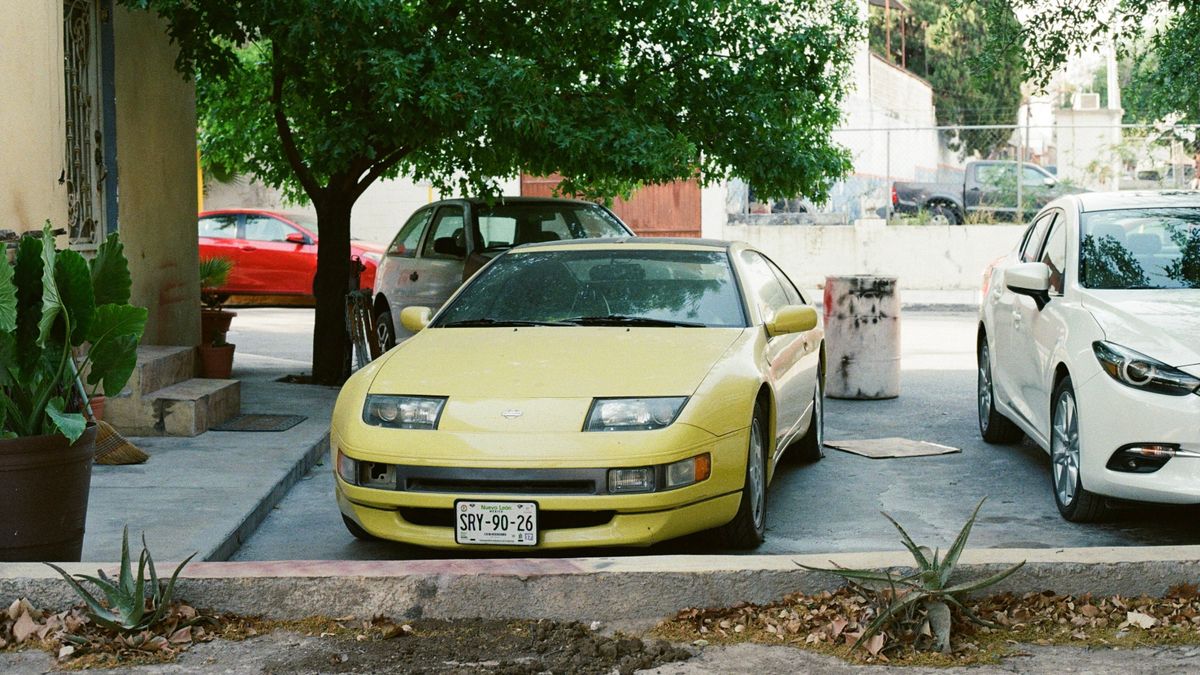
The cheapest cars to insure in the USA are often practical compact SUVs, sedans, and family vehicles with strong safety records, moderate repair costs, widely available parts, and relatively low claim rates. Current insurance comparisons frequently place models such as the Subaru Outback, Honda CR-V, Ford Escape, Honda HR-V, Mazda3, Subaru Forester, and Toyota Corolla among the more affordable vehicles to cover.
However, there is no single nationwide insurance price for any car. Your ZIP code, age, driving record, annual mileage, credit-based insurance score where permitted, selected coverage, deductible, claims history, and insurer can change the quote substantially. The National Association of Insurance Commissioners identifies vehicle type, repair or replacement cost, mileage, use, driving record, claims history, coverage limits, and deductibles as important rating factors.
This guide explains which affordable cars may help reduce insurance costs, why insurers price them differently, and how to compare a vehicle’s total ownership cost before you buy.
Last Updated: September 2026
What Makes a Car Cheap to Insure?
Insurance companies do not price vehicles only according to their purchase price. They analyze historical claims and expected losses associated with a particular model, trim, driver group, location, and use.
Main factors insurers consider
- Crash frequency: A model involved in fewer or less severe crashes may generate fewer claims.
- Repair cost: Affordable body panels, common mechanical parts, and a broad repair network can reduce claim severity.
- Vehicle value: A high-value vehicle generally costs more to replace after a total loss.
- Theft frequency: Vehicles frequently stolen may cost more to insure for comprehensive coverage.
- Safety equipment: Automatic emergency braking, airbags, crash-resistant structures, and effective headlights may reduce injury or collision losses.
- Performance: Sports cars, powerful engines, and vehicles associated with aggressive driving can attract higher premiums.
- Vehicle size: Larger vehicles may cost more to repair and can cause greater damage in a collision. The Insurance Institute for Highway Safety and Highway Loss Data Institute notes that insurance losses generally increase as vehicle size increases.
- Parts and labor: A vehicle with expensive sensors, specialized materials, or limited parts availability may produce higher repair bills.
- Use: A car used for commuting, delivery, rideshare, or business may receive a different rate from one used occasionally.
The NAIC also notes that rates tend to be higher for vehicles that are more expensive to repair or replace, newer cars, frequently stolen models, sports cars, and vehicles with certain expensive technologies.
Cheapest Cars to Insure
Insurance prices vary by insurer and location, so the figures below should be treated as comparison benchmarks rather than quotes. A 2025 Bankrate comparison cited by SoFi placed the Subaru Outback and Honda CR-V among the lowest-cost models in its sample, followed by the Jeep Wrangler, Honda Pilot, Honda Odyssey, Ford Escape, and Acura RDX.
| Model | Vehicle type | Why it may insure well | Indicative annual full-coverage benchmark |
|---|---|---|---|
| Subaru Outback | Midsize wagon/SUV | Strong safety reputation, practical design, moderate performance | About $2,229 |
| Honda CR-V | Compact SUV | Broad parts availability, family-oriented use, strong resale | About $2,258 |
| Jeep Wrangler | Compact SUV | Durable construction and relatively simple configurations | About $2,375 |
| Honda Pilot | Midsize SUV | Family use, safety equipment, established repair network | About $2,417 |
| Honda Odyssey | Minivan | Family-oriented driving profile and practical design | About $2,426 |
| Ford Escape | Compact SUV | Common parts, moderate size, large repair network | About $2,427 |
| Acura RDX | Compact luxury SUV | Safety features and shared Honda engineering | About $2,457 |
These values are not guaranteed prices. A driver in Florida, Michigan, New York, California, Texas, or another high-cost insurance market may receive a substantially different quote from a driver with the same vehicle in a lower-cost ZIP code.
1. Subaru Outback
The Subaru Outback is consistently considered one of the more affordable vehicles to insure in national comparisons. It combines a wagon-like body with SUV ground clearance, standard all-wheel drive on many configurations, and a safety-focused equipment package.
Its relatively moderate performance and family-oriented design may help it avoid the pricing profile associated with sports cars or high-output luxury SUVs. It is also sold in significant numbers, which can support parts availability and technician familiarity.
Before buying, compare the insurance cost of different Outback trims. Turbocharged versions, higher-value packages, larger wheels, and additional technology may not receive the same rate as the base model.
2. Honda CR-V
The Honda CR-V is one of the strongest all-round candidates for buyers seeking a practical vehicle with potentially manageable insurance costs. It is widely used for commuting, family transportation, and light road trips.
The CR-V benefits from a large U.S. service network and broad aftermarket support. Its compact dimensions can also reduce some collision repair exposure compared with larger SUVs, although modern bumpers, cameras, radar sensors, and lighting assemblies can still be expensive to replace.
Hybrid versions may have different insurance prices from gasoline versions. A hybrid can deliver lower fuel consumption, but its battery system and specialized components may affect repair-cost calculations. Obtain a quote for the exact year, trim, and powertrain.
3. Ford Escape
The Ford Escape is another practical compact SUV frequently included in affordable-insurance comparisons. Its large U.S. sales base can make replacement parts and repair knowledge easier to find than for less common models.
The Escape has been offered with gasoline, hybrid, and plug-in hybrid powertrains. Insurance rates can vary among those configurations because insurers consider vehicle value, repair procedures, battery systems, and equipment.
A used Escape may have a lower collision and comprehensive premium than a new one because its insured value is lower. However, dropping coverage without considering the vehicle’s financing requirements or your ability to absorb a loss can create a significant financial gap.
4. Honda HR-V
The Honda HR-V is a smaller crossover designed for buyers who want a higher seating position without moving into a large SUV. Its size, moderate power, and practical purpose can make it a reasonable insurance candidate.
The Insurance Institute for Highway Safety listed the 2025–26 Honda HR-V among its Top Safety Pick vehicles in the small SUV category. Safety recognition does not guarantee a lower premium, but it provides useful evidence when comparing crash protection and driver-assistance performance.
The exact insurance result still depends on trim. A vehicle with more expensive wheels, advanced sensors, or a higher replacement value may cost more to insure than an entry-level version.
5. Mazda3
The Mazda3 sedan and hatchback are worth considering when you prefer a smaller car rather than an SUV. The model has appeared in IIHS safety-award lists, including the 2025–26 Mazda3 four-door hatchback.
A compact sedan may have lower replacement and repair costs than a larger SUV, but the difference depends on the insurer’s claims data. Hatchbacks can also have different body-panel and glass replacement costs from sedans.
The Mazda3 is most attractive for insurance comparison when paired with a clean driving record, moderate annual mileage, and a trim without unusually expensive wheels or optional equipment.
6. Toyota Corolla
The Toyota Corolla is a common compact sedan with a long-running U.S. service and parts network. Its modest engine output, mainstream design, and broad market presence make it a useful model to quote when searching for a low-cost vehicle to insure.
A Corolla is not automatically cheaper to insure than every SUV. Some insurers may price a newer compact SUV competitively because of safety equipment, claim history, or customer demographics. Always compare actual quotes rather than assuming the sedan will win.
For used buyers, condition and history matter. A Corolla with prior collision damage, a branded title, or incomplete repairs may create underwriting or coverage complications.
7. Subaru Forester
The Subaru Forester offers a taller cabin, standard all-wheel drive on many versions, and a strong presence in safety-conscious family markets. It is often included among vehicles with comparatively moderate insurance costs.
Its all-wheel-drive system can improve traction in certain conditions, but it does not make the vehicle immune to crashes or eliminate the need for winter tires where appropriate. Four-wheel drive and all-wheel drive can also affect repair costs and premiums depending on the insurer.
8. Honda Odyssey
The Honda Odyssey may appear surprising on a list of inexpensive vehicles to insure because it is a large minivan. Its family-oriented use, moderate performance, and established parts network may help offset its size.
A minivan can be a cost-effective choice for households that need passenger capacity. However, replacement costs for sliding doors, powered liftgates, cameras, radar sensors, and entertainment equipment can vary significantly by trim.
Vehicle Safety and Insurance
Safety ratings and insurance prices are related but not identical.
The National Highway Traffic Safety Administration’s New Car Assessment Program evaluates frontal, side, and rollover performance and assigns a five-star rating, with five stars representing the highest rating. IIHS testing separately evaluates crashworthiness, crash avoidance, headlights, child-seat anchors, and other areas.
A strong rating may indicate that a vehicle protects occupants well in a crash. Insurers, however, also consider:
- How often the model is involved in claims.
- The average cost of bodily injury and property damage claims.
- How expensive its headlights, sensors, bumpers, and structural parts are.
- Whether the model is frequently stolen.
- The cost of replacing the vehicle after a total loss.
- Driver demographics associated with the model.
For that reason, a vehicle with excellent crash-test results can still have expensive insurance if it is costly to repair, frequently stolen, or commonly driven in high-risk conditions.
Before purchasing a used or new vehicle, check its exact year and configuration through the NHTSA vehicle safety ratings tool. Safety performance and recall status can differ between model years and trims.
Full Coverage Versus Liability
When people compare the cheapest cars to insure, they often mix different coverage types. A liability-only policy is generally less expensive than full coverage because it does not protect your own vehicle from collision or many non-collision losses.
Common coverage types
| Coverage | What it generally pays for |
|---|---|
| Bodily injury liability | Injuries you cause to other people, subject to policy limits |
| Property damage liability | Damage you cause to another person’s vehicle or property |
| Collision | Damage to your vehicle from a crash, subject to a deductible |
| Comprehensive | Theft, weather, vandalism, animal strikes, glass damage, and other non-collision losses |
| Uninsured/underinsured motorist | Certain injuries or losses caused by a driver with insufficient or no insurance |
| Medical payments or personal injury protection | Medical costs, depending on state law and policy structure |
If you finance or lease a vehicle, the lender may require collision and comprehensive coverage. State minimum liability limits also differ, so a policy that satisfies the legal minimum in one state may not satisfy another state’s requirements.
The NAIC recommends comparing policies with equivalent limits, deductibles, and coverage features rather than comparing only the advertised premium.
How to Compare Insurance Before Buying
The most practical way to identify a cheap car to insure is to obtain quotes before signing a purchase agreement.
Use this process
- Select several comparable vehicles. Compare a Corolla, Mazda3, HR-V, CR-V, Forester, and Escape rather than looking at only one model.
- Use the exact vehicle details. Provide the model year, trim, engine, drivetrain, ZIP code, ownership status, and estimated mileage.
- Request the same coverage. Keep liability limits, deductibles, collision, comprehensive, rental reimbursement, and uninsured-motorist coverage consistent.
- Compare at least several insurers. Rates can vary widely because each company weighs risk factors differently.
- Ask about discounts. Inquire about multi-policy, defensive-driving, low-mileage, safe-driver, vehicle-safety, payment, and telematics programs.
- Check the deductible. A higher deductible may reduce the premium, but you must be able to pay it after a covered loss.
- Review exclusions. Personal policies may not cover delivery work, commercial use, or rideshare activity without an endorsement.
- Recheck after purchase. The final vehicle identification number and registration information can alter the quote.
Your annual mileage matters because insurers generally charge more when a vehicle is driven more. Business use can also increase the premium.
Used Cars and Insurance Costs
A used car usually has a lower insured value than a new car, which can reduce collision and comprehensive costs. That does not mean every old vehicle is cheap to insure.
Older vehicles can have:
- Higher theft rates.
- Poorer crash protection.
- Limited safety equipment.
- Difficult-to-source parts.
- More frequent mechanical claims.
- Modified or undocumented repair histories.
If you are purchasing a used vehicle, review its title, accident history, open recalls, maintenance records, and current condition. Naira.autos’ used-car evaluation tool can help organize the inspection and ownership-cost questions you should raise before buying. It is an educational screening tool, not a substitute for an independent inspection or an insurer’s quote.
You can also use the VIN checker to structure a vehicle-history review. A VIN check does not guarantee that every accident, flood event, theft, or repair is recorded.
Example: Comparing Two Buyers
Consider two buyers shopping for a compact vehicle:
| Factor | Buyer A | Buyer B |
|---|---|---|
| Vehicle | 2022 Honda CR-V | 2022 Mazda3 sedan |
| Use | 12,000 miles annually | 7,000 miles annually |
| Coverage | Full coverage | Full coverage |
| Deductible | $500 | $1,000 |
| Driving record | One recent at-fault accident | Clean record |
| Location | High-density metropolitan ZIP code | Lower-density suburban ZIP code |
Buyer B may receive the lower premium even if the Mazda3 is not universally cheaper to insure. The difference would not prove that the Mazda3 is a lower-risk vehicle in every market. It would reflect the combined effect of mileage, location, driving history, deductible, and claims data.
This is why national rankings are useful for creating a shortlist but cannot replace personalized quotations.
Ways to Lower the Premium
You can often reduce the cost of insuring an affordable car by managing factors within your control.
- Maintain a clean driving record.
- Compare quotes before buying the vehicle.
- Ask whether a defensive-driving course qualifies for a discount.
- Consider a telematics program after reviewing its data collection and pricing terms.
- Bundle auto insurance with renters or homeowners coverage where appropriate.
- Choose a realistic annual-mileage estimate.
- Keep comprehensive and collision deductibles affordable but not unnecessarily low.
- Remove optional coverage that no longer provides meaningful value on an older car, after considering lender requirements and your ability to replace it.
- Park in a secure location when possible.
- Avoid undisclosed modifications or commercial use.
- Review the policy after moving, changing jobs, adding a driver, or changing annual mileage.
Insurance rules and rating practices vary by state. Your state insurance department is the appropriate government source for consumer protections, complaint procedures, and local requirements.
How Naira.autos Can Help
Two Naira.autos tools are especially relevant to this decision:
- The car comparison tool can help you compare models by specifications, dimensions, powertrain, safety equipment, and practical ownership factors before requesting insurance quotes.
- The fuel economy converter can help translate fuel-consumption figures into a format you use when comparing gasoline costs with insurance and maintenance expenses.
You should evaluate the total cost of ownership rather than insurance alone. A vehicle with a slightly lower premium may consume more fuel, require more frequent repairs, or cost more to purchase. Conversely, a vehicle with a somewhat higher premium may be cheaper overall if it uses less fuel and has lower routine maintenance costs.
Conclusion
For many U.S. buyers, the Subaru Outback, Honda CR-V, Ford Escape, Honda HR-V, Mazda3, Toyota Corolla, Subaru Forester, and Honda Odyssey are sensible starting points when searching for cheap cars to insure. The best choice depends on the exact model year and trim, your state, ZIP code, driving record, annual mileage, deductible, coverage limits, vehicle value, and insurer.
Request insurance quotes before buying, compare identical policy terms, verify safety and recall information through NHTSA, and examine repair and theft exposure as carefully as the purchase price. This article is for educational purposes only and does not constitute professional, legal, financial, or mechanical advice. Consult a qualified professional for your specific situation.