Private Party Car Sale: Required Documents and How to Avoid Scams in the USA
Selling or buying a car from a private individual can cost less than using a dealership, but the transaction requires careful attention to the title, lien status, odometer disclosure, payment, insurance, and state DMV requirements.
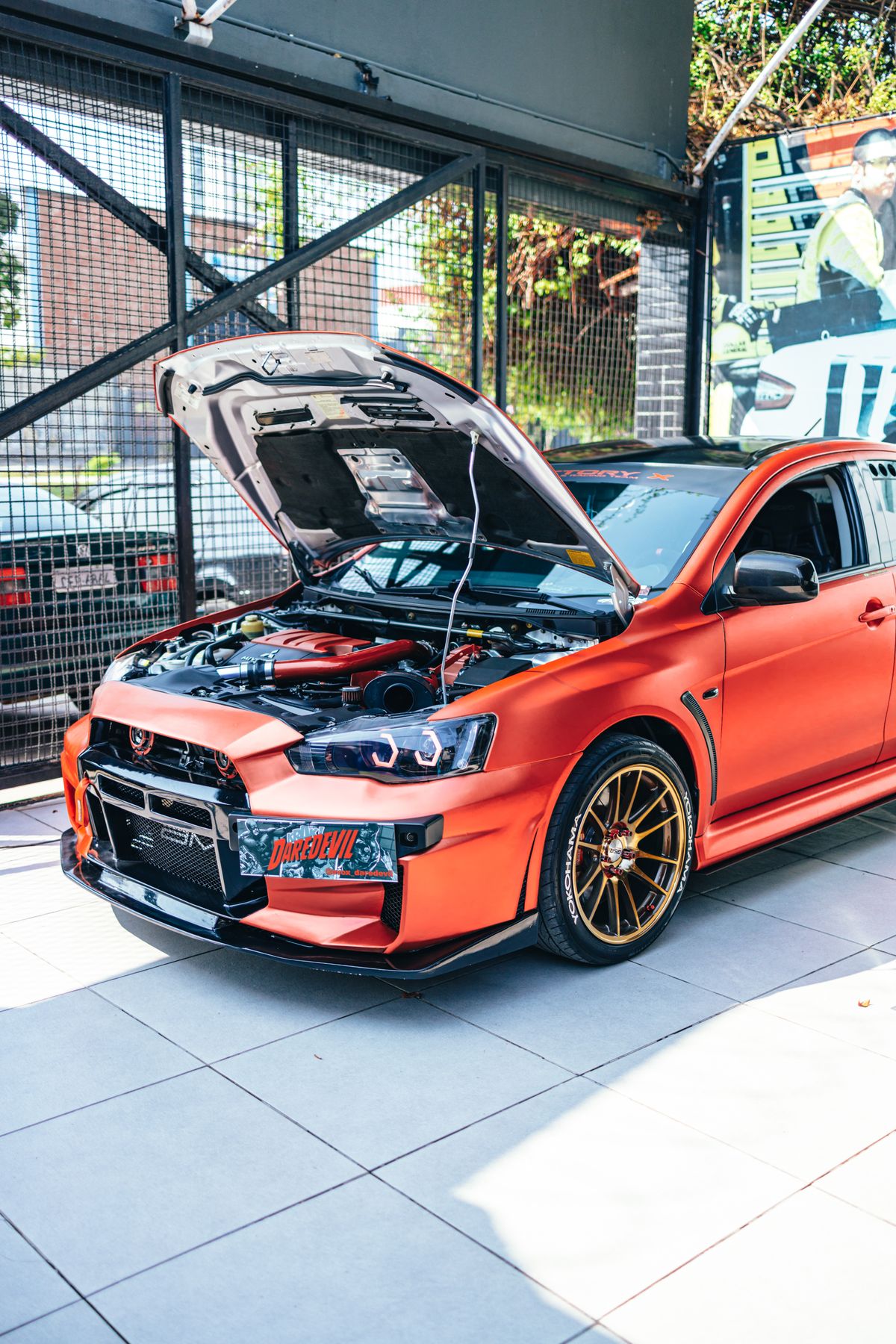
Selling or buying a car from a private individual can cost less than using a dealership, but the transaction requires careful attention to the title, lien status, odometer disclosure, payment, insurance, and state DMV requirements.
In the United States, there is no single nationwide private-sale procedure. Each state’s department of motor vehicles sets its own rules for title transfer, registration deadlines, license plates, emissions testing, sales tax, bills of sale, and seller notifications. The safest approach is to verify the requirements with the DMV in the state where the buyer will title and register the vehicle.
This guide explains the documents normally required for a private party car sale, how buyers and sellers should complete the transaction, and how to identify common scams before money or the vehicle changes hands.
Last Updated: September 2026
Documents Required for a Private Car Sale
The exact paperwork varies by state and vehicle circumstances, but most legitimate private-party transactions involve the following documents.
| Document | Usually prepared by | Purpose |
|---|---|---|
| Certificate of title | Seller | Proves ownership and transfers ownership to the buyer |
| Bill of sale | Buyer and seller | Records the vehicle, price, date, and parties |
| Odometer disclosure | Seller | Documents the mileage at the time of transfer |
| Lien release | Lienholder or seller | Shows that a loan or security interest has been paid |
| Vehicle history report | Buyer, sometimes seller | Checks title brands, theft, salvage, total-loss, and mileage records |
| Registration documents | Seller and buyer | Helps verify the vehicle’s current registration information |
| Emissions or safety inspection certificate | Usually seller or buyer, depending on state | Demonstrates compliance where inspections are required |
| Release-of-liability or transfer notice | Seller | Notifies the DMV that possession and responsibility changed |
| Insurance proof | Buyer | Often required before registration or legal operation |
| Temporary permit or transit document | Buyer or DMV | Allows lawful movement before permanent registration |
1. Certificate of title
The certificate of title is usually the most important document in a private car sale. It identifies the legal owner, vehicle identification number (VIN), title status, and sometimes the recorded lienholder.
The seller should provide the original title or another ownership document accepted by the state DMV. The title should match:
- The seller’s legal name.
- The vehicle’s VIN.
- The make, model, and year.
- The current odometer reading, where required.
- Any lien or brand information.
- The buyer’s name after the transfer is completed.
Do not buy a vehicle based only on a registration card, photocopy, handwritten receipt, or promise that the title will arrive later. Texas DMV guidance, for example, specifically warns buyers not to purchase a private-sale vehicle without receiving the title. Texas also requires buyers to apply for a new title within 30 days of purchase.
If the title is held by a bank or credit union, the seller generally needs to pay off the loan and obtain a lien release before ownership can be transferred. Some states allow a title transfer involving the lienholder, while others require the seller to obtain a clean title first.
2. Bill of sale
A bill of sale creates a written record of the transaction. It is required or strongly recommended in many states, even when the signed title is the primary ownership document.
A useful bill of sale should include:
- Buyer’s full legal name and address.
- Seller’s full legal name and address.
- Vehicle year, make, model, and body style.
- VIN.
- Sale date and exact purchase price.
- Odometer reading.
- Payment method.
- Whether the vehicle is sold “as is” or with a written warranty.
- Known defects or promises made by the seller.
- Buyer and seller signatures.
- Lien information, if applicable.
New York DMV identifies the year, make, VIN, sale date, purchase price, and buyer and seller signatures as key information for an acceptable private-sale bill of sale.
A bill of sale does not replace a title when the state requires a title. It supports the transfer and provides evidence of the agreement, but the DMV may still reject the transaction if the title is missing, improperly assigned, altered, or signed by someone who is not the legal owner.
Naira.autos’ document generator can help organize a sale record, but you should compare the generated document with your state DMV’s official form and requirements.
3. Odometer disclosure
Federal law requires written mileage disclosure when ownership of most vehicles is transferred. The disclosure is commonly completed on the title, although a separate form may be required in some situations.
The seller should record:
- The odometer reading at the time of sale.
- Whether the mileage is actual.
- Whether the mileage exceeds the odometer’s mechanical limits.
- Whether the mileage is not actual because of replacement, damage, or suspected rollback.
NHTSA recommends comparing the odometer reading with the title, maintenance records, inspection records, oil-change stickers, and vehicle-history reports.
The federal odometer disclosure period has changed over time, and state forms may apply different rules based on the vehicle’s model year. Buyers and sellers should use the current state-approved title or odometer form rather than relying on an old template.
4. Lien release
A lien means that another party, usually a lender, may have a legal interest in the vehicle. A buyer should not assume that paying the seller automatically removes the lien.
Ask for:
- The original lien release.
- The lender’s name and contact details.
- Confirmation that the payoff amount is current.
- Instructions for completing the title transfer through the lender or DMV.
A vehicle with an unpaid lien may be repossessed even after a buyer has paid the private seller. If the seller says the bank has the title, consider completing the transaction at the lender’s branch or DMV office so the payoff and ownership documents can be verified.
5. Inspection and emissions documents
Some states, counties, and cities require a safety inspection, emissions test, or both. Responsibility for obtaining the certificate varies.
For example, a jurisdiction may require the seller to provide a recent emissions certificate, while another may make the buyer responsible for inspection after purchase. Some vehicles are exempt because of age, fuel type, mileage, or location.
Check the state DMV, environmental agency, or inspection authority before signing the bill of sale. A car that cannot pass a required emissions test may need expensive repairs or may be difficult to register.
6. Insurance and registration paperwork
The buyer usually needs proof of liability insurance before registering the vehicle or operating it on public roads. The buyer may also need:
- Government-issued identification.
- Proof of residence.
- Application for title and registration.
- Sales-tax documentation.
- Odometer disclosure.
- Bill of sale.
- Proof of inspection.
- Temporary tag or transit permit.
New York requires buyers to provide proof of ownership, insurance, and other registration documents, while Texas DMV requires proof of liability insurance when titling and registering a vehicle.
Because requirements differ substantially, use the official DMV website for the state where the vehicle will be registered.
How Buyers Should Verify the Vehicle
A buyer should separate the mechanical evaluation from the ownership and fraud checks. A clean-looking vehicle can still have a salvage title, a stolen VIN, an unpaid lien, or altered mileage.
Match the VIN in several locations
Locate the VIN on:
- The dashboard near the windshield.
- The driver-side door-jamb label.
- The title.
- Registration documents.
- Insurance records.
- Vehicle-history reports.
The characters should match exactly. Look for damaged rivets, scratched plates, inconsistent fonts, missing labels, or signs that a VIN plate has been moved. Do not proceed if the VIN on the car does not match the title.
You can use Naira.autos’ global VIN checker as an initial information tool, but it should not replace an official state record, a professional inspection, or an approved vehicle-history provider.
Search title and brand history
The U.S. Department of Justice’s National Motor Vehicle Title Information System, or NMVTIS, provides consumer access to key information such as current and previous title data, brand history, recent odometer readings, theft data, salvage records, and total-loss information.
Common title brands include:
- Salvage.
- Rebuilt or reconstructed.
- Flood.
- Junk.
- Fire.
- Hail.
- Lemon law buyback.
- Odometer discrepancy.
A vehicle-history report is not a complete mechanical inspection. It may not contain every accident, repair, flood event, or stolen-part replacement. Use it as one layer of verification.
Confirm the seller’s identity
The seller should be able to show identification that reasonably matches the name on the title. If the seller is acting for the owner, request written authorization and verify the arrangement with the titled owner.
Warning signs include:
- The seller refuses to show identification.
- The name on the title does not match the seller.
- The seller says a relative or friend owns the car but cannot be contacted.
- The seller wants the buyer to sign incomplete documents.
- The seller is selling several unrelated vehicles as a “private individual.”
- The seller insists that the transaction must happen immediately.
Arrange an independent inspection
A private seller may describe a vehicle as “perfect,” but that phrase has no standardized technical meaning. Arrange an inspection by an independent mechanic who is not selected or paid by the seller.
Ask the mechanic to examine:
- Engine and transmission operation.
- Cooling system.
- Brake system.
- Suspension and steering.
- Tires and wheel alignment.
- Frame or unibody damage.
- Airbag and restraint systems.
- Water or flood damage.
- Diagnostic trouble codes.
- Oil and fluid leaks.
- Evidence of recent repairs intended to hide a problem.
If the seller refuses a reasonable inspection, treat that refusal as a transaction risk rather than proof of a mechanical defect.
Common Private Car Sale Scams
The Federal Trade Commission warns that consumers and sellers may encounter fake listings, nonexistent vehicles, fraudulent payments, and requests for unusual payment methods.
Fake vehicle listings
A scammer may copy photographs and vehicle details from a genuine listing, then advertise the car at an unusually low price. The scammer may claim to be overseas, deployed, hospitalized, or unable to meet in person.
The scammer then asks for:
- A wire transfer.
- Cryptocurrency.
- Gift cards.
- A deposit before viewing the vehicle.
- Payment through a fake escrow service.
- Personal information or a copy of your driver’s license.
Do not pay for a vehicle you have not seen and verified. A legitimate private seller should be willing to identify the vehicle, show the title, and arrange an in-person inspection.
Overpayment and fake-check scams
In an overpayment scam, a supposed buyer sends a check for more than the agreed price and asks the seller to refund the difference or pay a shipping company. The original payment may later be reversed.
The FTC advises sellers not to accept a payment from an unknown buyer that exceeds the sale price and not to send money back based on a deposited check.
A bank showing funds in an account does not necessarily mean a check is genuine or permanently cleared. Ask your bank about a secure method of receiving payment before releasing the title or vehicle.
Fake cashier’s checks
Cashier’s checks can be forged. A buyer may present a check that appears official, and the seller may release the vehicle before the bank discovers the fraud.
Safer practices include:
- Meeting at the buyer’s bank.
- Having the bank verify and issue the payment.
- Waiting for confirmation that funds are available and legitimate.
- Using a documented electronic transfer method agreed with the bank.
- Never returning excess funds.
The seller should not rely only on a screenshot, email receipt, or payment notification.
Title washing
Title washing occurs when a vehicle with a serious brand is moved through jurisdictions with different branding rules, potentially resulting in a cleaner-looking title. NMVTIS is designed to help expose title-brand history across states and reduce title fraud.
A buyer should compare the current title with NMVTIS information and any commercial history report. A “clean” current title does not necessarily mean the vehicle has never been totaled or flooded.
Curbstoning
Curbstoning involves an unlicensed dealer posing as a private seller. The person may sell multiple vehicles from a roadside, parking lot, or online account without providing the consumer protections associated with licensed dealers.
Possible signs include:
- Multiple vehicles listed under different names.
- No consistent address.
- Repeatedly changing phone numbers.
- The seller has no maintenance history.
- The title is already signed by someone else.
- The seller asks you to leave the buyer section blank.
- The seller says the title will be mailed later.
A Safer Payment and Handover Process
Use a written process so neither party depends on informal promises.
For the buyer
- Inspect the vehicle and verify the VIN.
- Review the original title and lien status.
- Obtain a vehicle-history report.
- Arrange an independent mechanical inspection.
- Agree on the price and included items in writing.
- Confirm the DMV documents required in your state.
- Arrange insurance before driving the vehicle.
- Meet at a bank, DMV office, or other safe public location.
- Exchange payment and signed documents at the same time.
- Keep copies of the title, bill of sale, payment record, and messages.
- Apply for title and registration within the state deadline.
- Obtain a temporary permit if required before driving.
For the seller
- Confirm the buyer’s identity and contact information.
- Pay off and document any lien.
- Complete every required section of the title.
- Record the odometer reading accurately.
- Prepare a signed bill of sale.
- Remove your personal belongings and connected-device information.
- Accept only a payment method your bank can verify.
- Do not sign over a blank title.
- Remove plates if your state requires it.
- Submit a notice of sale, transfer notification, or release of liability promptly.
- Retain copies of all documents.
- Notify your insurer after the sale, subject to your state’s rules and policy terms.
California DMV, for example, requires a seller to notify the DMV within five calendar days of selling or transferring a vehicle and provide information such as the buyer’s name, sale date, VIN, plate number, and odometer reading. Other states use different deadlines; Texas advises sellers to submit a Vehicle Transfer Notification within 30 days.
State Rules You Must Confirm
The following examples show why a national checklist cannot replace state-specific research.
| Issue | California | New York | Texas |
|---|---|---|---|
| Main ownership document | Signed California title or approved replacement process | Original title or transferable registration for certain older vehicles | Properly signed title |
| Bill of sale | Acceptable document; DMV provides REG 135 | MV-912 or another acceptable bill of sale | Written record and required title forms |
| Buyer deadline | Depends on DMV transaction requirements | Register and title after transfer | Title within 30 days |
| Seller notice | Notice of Transfer and Release of Liability within five calendar days | Follow NY DMV transfer and plate rules | Vehicle Transfer Notification within 30 days |
| Insurance | Confirm California requirements before registration | New York liability insurance is required | Proof of liability insurance required for title and registration |
These examples are not substitutes for current official instructions. County tax offices, emissions districts, lien situations, out-of-state vehicles, inherited vehicles, gifts, and salvage vehicles may require additional forms.
Example: A Safe Private Sale
Suppose a buyer in Texas wants to purchase a used Toyota Camry from an individual seller for $12,500.
Before payment, the buyer should:
- Compare the VIN on the dashboard, door label, title, and history report.
- Confirm that the seller’s name matches the title.
- Check for lien information.
- Review NMVTIS and other available history records.
- Arrange an independent inspection.
- Confirm that the seller will complete the title and Form 130-U correctly.
- Obtain proof of insurance.
- Meet at a bank or county tax assessor-collector’s office.
- Exchange the payment, title, bill of sale, and vehicle at the same time.
- Apply for title and registration within Texas’s 30-day period.
If the seller refuses the inspection, asks the buyer to leave the title blank, or insists on cryptocurrency, the buyer should stop the transaction.
When Naira.autos Tools Can Help
Naira.autos tools can support the research stage of a private vehicle transaction:
- Use the VIN Checker to organize basic VIN-based research before requesting official records.
- Use the Mileage Explainer to understand how mileage should be interpreted alongside maintenance records, odometer disclosures, and history reports.
- Use the Used Car Evaluator to structure questions about condition, mileage, equipment, and asking price.
- Use the AI Mechanic for educational explanations of symptoms or dashboard warnings, not as a substitute for an in-person inspection.
These tools can help you prepare better questions, but they cannot verify ownership, guarantee a vehicle’s condition, replace an official DMV record, or establish legal title.
Conclusion
The essential documents for a U.S. private party car sale are usually the signed certificate of title, accurate odometer disclosure, bill of sale, lien release when applicable, and any state-required inspection, insurance, tax, registration, or transfer forms. Buyers should verify the VIN and title history, inspect the vehicle independently, and complete the transaction through a secure payment and document-exchange process. Sellers should avoid blank title assignments, fake-check schemes, and delays in filing a notice of sale or release of liability.
This article is for educational purposes only and does not constitute professional, legal, financial, or mechanical advice. Consult a qualified professional for your specific situation.