BF XXXVIII Number Plate Price List in Nigeria: Official Fees & Registration Guide
A practical guide to BF XXXVIII number plate price list searches in Nigeria, explaining the latest official plate fees, the June 2025 JTB price changes, and how vehicle owners can confirm what they should actually pay.
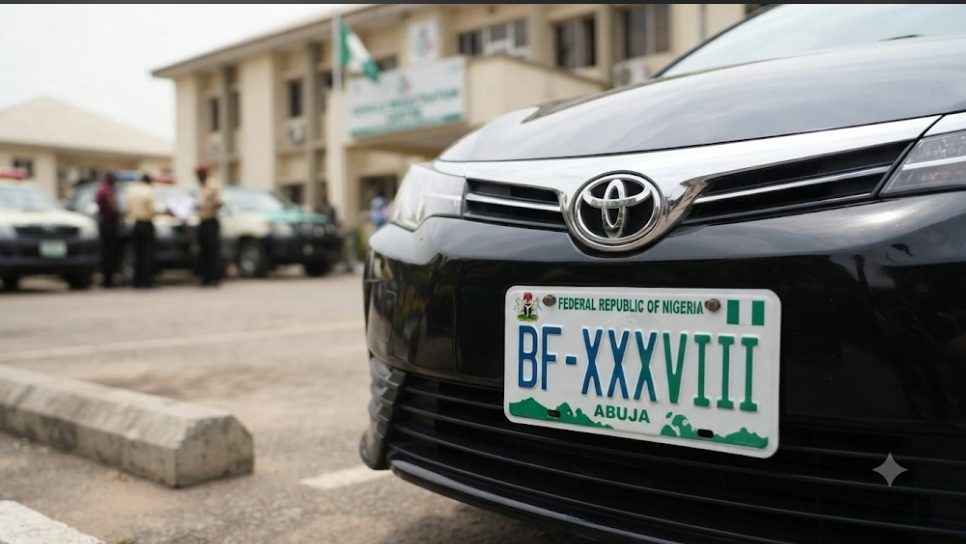
If you are searching for a BF XXXVIII number plate price list, the first thing to know is that number plate pricing in Nigeria is not usually based on the plate sequence itself, but on the plate category, vehicle type, and the official rate approved by the relevant tax authorities. The latest publicly reported national rates for vehicle number plates were approved by the Joint Tax Board (JTB) and took effect from June 8, 2025.
For Naira Autos readers, the most useful way to think about this topic is simple: you are not really buying “BF XXXVIII” as a special product in isolation; you are asking what it costs to register that plate category under the current Nigerian vehicle registration system. Naira Autos is a free information platform for the Nigerian automotive market, with tools and guides for buyers and vehicle owners, so this guide focuses on verified public rates and the legal framework behind them.
What “BF XXXVIII” usually means
In Nigerian plate searches, a term like BF XXXVIII often refers to a particular registration sequence or plate series rather than a separate pricing class. The price you pay depends more on whether the plate is standard private, standard commercial, articulated, dealer, out-of-series, fancy, government standard, or government fancy. The public fee structure reported in 2025 shows clear category-based pricing, which means the sequence alone does not create a different official fee.
That distinction matters because many car buyers and sellers assume a “special” plate number automatically comes with a special government fee. In practice, the official cost structure is category-driven, while any extra money people pay in the market may come from convenience charges, third-party handling, documentation support, or unofficial markups, which should be treated carefully.
Official number plate fees
The most recent publicly reported national rates show the following plate prices in Nigeria:
| Plate category | Official fee |
|---|---|
| Standard private vehicle number plate | ₦30,000 |
| Standard commercial vehicle number plate | ₦30,000 |
| Articulated vehicle number plate | ₦90,000 |
| Dealer vehicle number plate | ₦100,000 |
| Out-of-series number plate | ₦150,000 |
| Fancy vehicle number plate | ₦400,000 |
| Government standard vehicle number plate | ₦80,000 |
| Government fancy vehicle number plate | ₦120,000 |
| Motorcycle number plate | ₦12,000 |
| Fancy motorcycle number plate | ₦50,000 |
| Government standard motorcycle number plate | ₦20,000 |
| Government fancy motorcycle number plate | ₦50,000 |
These figures are useful because they give you the official baseline before any state or processing-related fees are added. The JTB announcement was widely reported as a nationwide pricing update, and the reports say the changes took effect on June 8, 2025.
Why the price changed
The price update was attributed to the Joint Tax Board, the top coordinating body for tax authorities across Nigeria, and the reports say the increase was introduced through an official advertorial and public notice. Media coverage also indicates the changes were presented as part of a broader revision of vehicle-related document fees.
This is important because Nigerians often hear about plate price changes from social media first, then try to confirm later. When that happens, the most reliable approach is to check whether the fee change came from a public authority and whether the rate is national or state-specific. The report from FRSC in 2021 also made a similar point: it said the price increase was from the Joint Tax Board, not from FRSC itself
What was charged before
Earlier public reports show that the same categories were once cheaper. For example, BBC News Pidgin reported in 2021 that standard private and commercial number plates moved from ₦12,500 to ₦18,750, fancy plates moved from ₦80,000 to ₦200,000, motorcycle plates went from ₦3,000 to ₦5,000, and articulated plates changed from ₦20,000 to ₦30,000.
That historical movement is useful because it shows vehicle registration charges in Nigeria are not static. The 2025 update again shifted the national rates upward, with standard private and commercial plates now at ₦30,000, and fancy plates at ₦400,000.
How to read the BF XXXVIII price question
If your actual concern is, “How much should I pay for BF XXXVIII?” the safest answer is: start with the plate category, then add only verified registration charges. If BF XXXVIII is a standard private plate, the official figure reported in 2025 is ₦30,000. If it falls into a fancy, dealer, or out-of-series category, the amount rises sharply.
In other words, the sequence lettering does not override the official category table. This is why many plate buyers should request written clarification of the vehicle class before paying anyone.
Other fees that may appear
Number plate cost is only one part of vehicle registration. Publicly available registration materials from FRSC’s vehicle management system show that vehicle registration is handled through official channels, and Naira Autos also provides a registration fee calculator specifically designed to help users estimate wider registration costs.
Depending on the state and vehicle class, you may also encounter charges linked to:
- Vehicle registration.
- Vehicle licence.
- Proof of ownership.
- Roadworthiness.
- Plate production and processing.
- Agent or service fees, if you use a third party.
Because states can add their own administrative charges, the final amount may be higher than the national plate fee alone. That is why comparing only the plate fee without the full registration breakdown can lead to confusion.
State fees and local variation
Nigeria’s vehicle registration environment is not perfectly uniform because states may have different administrative processes and supporting fees. A state guideline from Niger State, for example, shows that vehicle registration is governed by local procedures and guidelines alongside national rules.
This means a person registering BF XXXVIII in Lagos may not pay the exact same total as someone registering the same category in another state, even if the national plate fee is identical. The best way to handle this is to separate the official national plate charge from any state-level or service-level cost.
Practical example
Suppose you are buying a used car and the seller says the car has a BF XXXVIII plate. Before paying anything, ask three questions:
- Is the plate standard, fancy, dealer, or out-of-series?
- Has the vehicle already been registered fully with the right papers?
- Are you paying only the official fee, or are there extra service charges?
If the answer is standard private vehicle registration, the official plate fee reported in 2025 is ₦30,000. If someone is asking for much more, ask for a breakdown in writing.
How to avoid overpaying
The easiest way to avoid overpaying for a plate like BF XXXVIII is to verify the fee category before making payment. The public reporting around JTB’s 2025 rate update gives you a clear benchmark, and FRSC’s earlier public statement also helps confirm that the pricing decision sits with the tax coordination structure rather than random operators.
A good rule is to insist on:
- The exact plate category.
- The official fee receipt.
- The issuing authority or approved channel.
- A breakdown of every extra charge.
- Confirmation that the amount matches the current national rate.
If any item is missing, pause before paying.
Why this matters to buyers and sellers
For sellers, a correctly registered plate can make a vehicle easier to document and transfer. For buyers, understanding plate pricing helps you spot unrealistic charges quickly. For anyone transferring ownership, registration papers and plate category verification are part of a cleaner transaction.
That is especially important in a market where public sources note that vehicle market data can be difficult to quantify because of grey imports, smuggling, and inconsistent vehicle identification records. The U.S. Trade Guide on Nigeria’s automotive sector highlights these structural issues.
Conclusion
The BF XXXVIII number plate price question is best answered by checking the official plate category rather than the sequence alone. Based on the latest publicly reported JTB rates, standard private and commercial plates are ₦30,000, while fancy, dealer, and out-of-series plates cost much more.
If you are registering, buying, or verifying a vehicle, use the official fee as your baseline, then confirm any extra costs before you pay. That approach protects you from inflated charges and helps you make cleaner vehicle transactions in Nigeria.
FAQs
1. How much is BF XXXVIII number plate in Nigeria?
The exact amount depends on the category of the plate, not only the sequence. If BF XXXVIII is a standard private or commercial plate, the latest publicly reported official fee is ₦30,000. If it is fancy, dealer, or out-of-series, the official price is much higher. The best move is to confirm the category before payment because the sequence alone does not determine the charge.
2. Is BF XXXVIII a special number plate category?
Not necessarily. In Nigeria, a plate sequence like BF XXXVIII usually refers to the registration series or number order, while the official price depends on the plate class. Government notices and media reports on the 2025 update show that pricing is grouped by vehicle type and plate category, such as standard, fancy, dealer, and out-of-series. That means you should not assume a special sequence automatically changes the official fee.
3. Who sets number plate prices in Nigeria?
Public reporting shows that the Joint Tax Board approved the revised rates, and FRSC has previously clarified that pricing changes were from the JTB rather than FRSC itself. That distinction matters because vehicle owners often confuse the agency that issues plates with the body that approves the fee schedule. In practice, you should look for the current public rate notice and confirm the category before paying.
4. Why do number plate prices differ across states?
The national plate fee may be the same, but the total amount you pay can still differ because states may add registration-related administrative charges or have different processing systems. Niger State’s vehicle registration guideline shows that local procedures matter alongside national requirements. So even when the official plate price is fixed nationally, the final out-of-pocket amount may still vary based on location and service structure.
5. How can I avoid scams when paying for a number plate?
Ask for the exact plate category, insist on a receipt, and compare the amount with the published official rate. If someone asks for extra money without a clear breakdown, treat it cautiously. It also helps to use official registration channels or trusted platforms, because public vehicle registration systems exist specifically to reduce confusion and improve traceability.