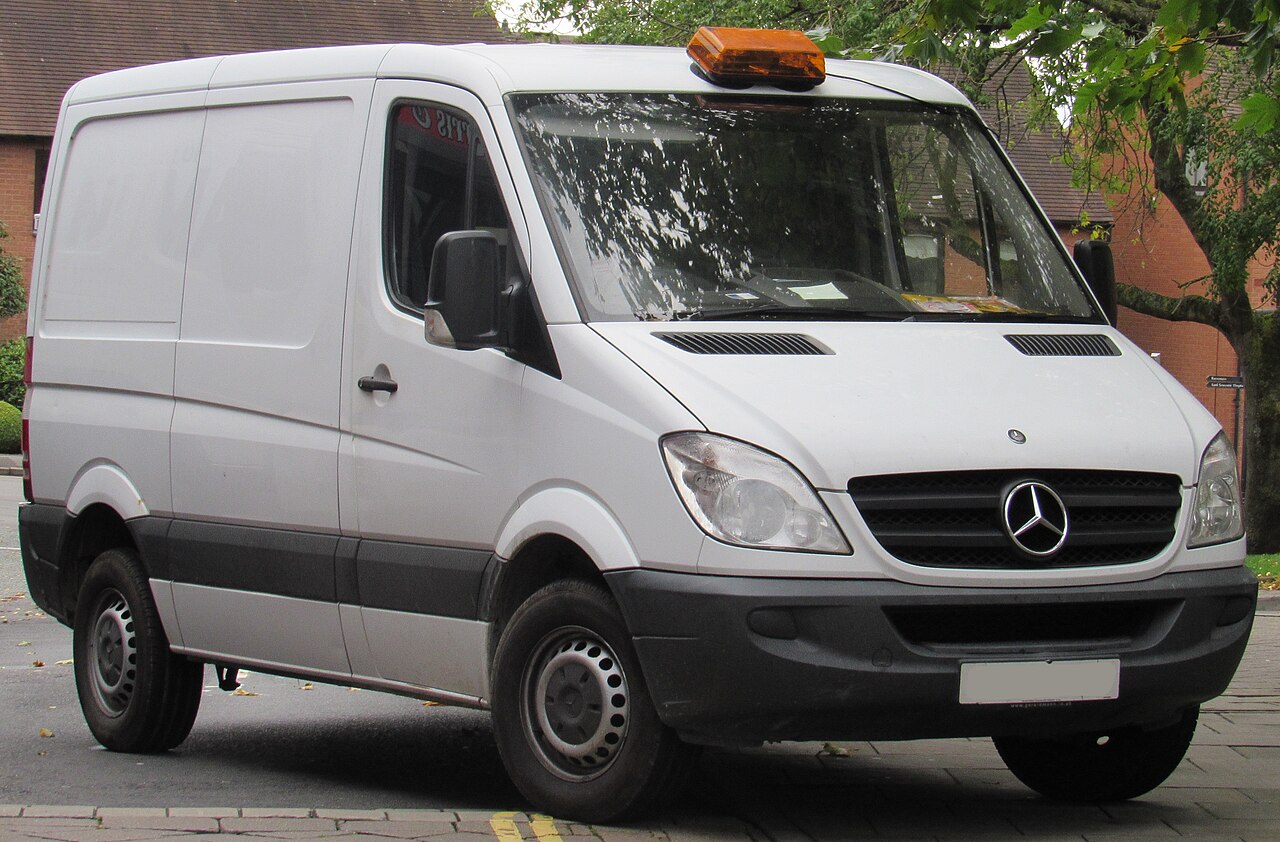
mercedes benz sprinter 2006-2017 Spare Parts & Pricing
The 2006-2017 Mercedes-Benz Sprinter, particularly the robust W906/NCV3 generation, stands as a cornerstone in the commercial van segment. Introduced to global markets starting with the Mercedes-Benz Sprinter 2006 model year, this platform quickly gained acclaim for its exceptional cargo capacity, impressive diesel efficiency, and a wide array of body configurations. From the Mercedes-Benz Sprinter 2007 to the Mercedes-Benz Sprinter 2008, and continuing through the Mercedes-Benz Sprinter 2009 and Mercedes-Benz Sprinter 2010, owners valued its versatility as a cargo van, passenger carrier, or specialized chassis cab. The underlying commercial architecture, shared with other Daimler van variants and even rebadged as Freightliner or Dodge in some regions, underscores its engineering for demanding professional applications. As the years progressed, with models like the Mercedes-Benz Sprinter 2011, Mercedes-Benz Sprinter 2012, and onward to the Mercedes-Benz Sprinter 2013, Mercedes-Benz Sprinter 2014, Mercedes-Benz Sprinter 2015, Mercedes-Benz Sprinter 2016, and Mercedes-Benz Sprinter 2017, the Sprinter maintained its core strengths. However, ownership also highlighted specific areas requiring attention. The sophisticated emissions-system complexity, particularly involving the Diesel Exhaust Fluid (DEF) and Diesel Particulate Filter (DPF) components, emerged as a common concern. Age-related wear on various sensors, the braking system, and suspension components also became more prevalent as these vans accumulated mileage and years of service. For those considering a Mercedes-Benz Sprinter 2006 or any subsequent model up to the Mercedes-Benz Sprinter 2017, understanding these potential issues is key to long-term satisfaction. The W906 generation's diesel engines require a disciplined maintenance schedule, including regular oil service, timely fuel filter replacements, and diligent checks of the DEF and DPF systems. Automatic transmission service, often tied to specific mileage or oil change intervals, is crucial for preserving drivetrain longevity and avoiding costly repairs. Common problems such as wheel sensor failure leading to ABS/ESP lights, DEF heater / DEF pump failure causing limp mode or a no-start countdown, and DPF loading resulting in regen warning lights, are well-documented. Addressing issues like hard starting, rough idle, or power loss, which can stem from fuel filter / water separator issues, is vital. This guide provides practical insights into parts pricing, maintenance intervals, and common issues for this generation of Mercedes-Benz Sprinter vans. Whether you're an existing owner or looking to acquire a used Mercedes-Benz Sprinter 2006, Mercedes-Benz Sprinter 2010, or Mercedes-Benz Sprinter 2015 model, a proactive approach to preventive maintenance and an awareness of potential high-cost ownership risks, especially related to emissions repair, are essential. Neglected service history is a primary driver of problems, so a thorough inspection and adherence to the factory schedule are highly recommended to keep your Sprinter running reliably and efficiently for many years.
Engine and Fuel
| Part | Price Range | Availability | Interval |
|---|---|---|---|
| Air Filter Element Ensures clean air intake for optimal engine performance and fuel economy. Shorter intervals are recommended in dusty climates to prevent restricted airflow and potential engine issues. | $40 – $120 | Widely available | 45,000 miles |
| Engine Oil and Filter Kit Essential for engine longevity, preventing accelerated wear and contamination. Use only specified synthetic oil and filters for diesel engines in the Mercedes-Benz Sprinter 2006-2017. | $90 – $220 | Widely available | 15,000 miles |
| Fuel Injector Vital for precise fuel delivery in diesel engines. Problems can arise from low-quality diesel or contamination, leading to power loss or rough idle. Replacement often requires specialized tools. | $250 – $900 | Specialty parts dealer | As needed, upon failure |
Emissions
| Part | Price Range | Availability | Interval |
|---|---|---|---|
| DEF Tank Module (Heater/Pump/Sensor) A critical component of the emissions-system. Failure can lead to DEF warning lights, limp mode, and even a no-start countdown in the Mercedes-Benz Sprinter 2006-2017. Often expensive to replace. | $350 – $1.2k | Specialty parts dealer | As needed, upon failure |
Cooling
| Part | Price Range | Availability | Interval |
|---|---|---|---|
| Water Pump Circulates coolant to prevent engine overheating. A failing water pump can cause leaks or unusual noises. Important for all Mercedes-Benz Sprinter models, including the Mercedes-Benz Sprinter 2017. | $180 – $500 | Widely available | As needed, inspect regularly |
| Thermostat Housing Regulates engine operating temperature. A faulty housing or thermostat can lead to overheating or the engine running too cold, impacting efficiency and potentially damaging components. | $90 – $250 | Widely available | As needed, inspect regularly |
| Radiator Primary component for dissipating engine heat. Corrosion or damage can lead to leaks and overheating, a serious issue for any Mercedes-Benz Sprinter, especially those under heavy payload use. | $300 – $900 | Widely available | As needed, inspect for leaks |
Drivetrain
| Part | Price Range | Availability | Interval |
|---|---|---|---|
| Automatic Transmission Service Kit Contains fluid and filter for routine automatic transmission service. Crucial for preventing harsh shifts and premature wear, ensuring the longevity of the drivetrain in a Mercedes-Benz Sprinter. | $180 – $450 | Widely available | Every 4th oil change |
Brakes
| Part | Price Range | Availability | Interval |
|---|---|---|---|
| Front Brake Pads and Sensors Essential safety components. Heavy payload use will accelerate wear. Includes wear sensors that trigger dashboard warning lights when replacement is due for your Mercedes-Benz Sprinter. | $120 – $300 | Widely available | As needed, inspect regularly |
| Front Brake Discs (Pair) Work with brake pads to stop the vehicle. Should be replaced when worn beyond specifications or when uneven stopping is observed. Critical for the safety of the Mercedes-Benz Sprinter 2006-2017. | $180 – $500 | Widely available | As needed, inspect regularly |
Electrical / Braking
| Part | Price Range | Availability | Interval |
|---|---|---|---|
| Wheel Speed Sensor Monitors wheel rotation for ABS/ESP and traction control systems. Failure can cause ABS/ESP lights, traction control faults, and speedometer issues in any Mercedes-Benz Sprinter model. | $70 – $180 | Widely available | As needed, upon failure |
Suspension
| Part | Price Range | Availability | Interval |
|---|---|---|---|
| Shock Absorber Dampens suspension movement, crucial for ride comfort and stability, especially under heavy loads. Wear depends heavily on load and road conditions, affecting the handling of your Mercedes-Benz Sprinter. | $150 – $400 | Widely available | As needed, inspect regularly |
Steering / Suspension
| Part | Price Range | Availability | Interval |
|---|---|---|---|
| Tie Rod End Link Connects the steering rack to the wheel hub, enabling steering. Worn tie rod ends can cause loose steering, uneven tire wear, and clunking noises in the Mercedes-Benz Sprinter. | $80 – $220 | Widely available | As needed, inspect regularly |
Electrical
| Part | Price Range | Availability | Interval |
|---|---|---|---|
| Battery Provides power for starting and vehicle electronics. Important to choose a battery suitable for diesel engines and the electrical demands of a commercial van like the Mercedes-Benz Sprinter. | $180 – $400 | Widely available | 3-5 years |
Engine / Sensors
| Part | Price Range | Availability | Interval |
|---|---|---|---|
| MAF/MAP/Boost Sensor These sensors measure airflow and pressure, providing crucial data for engine management. Failure can lead to reduced power, poor fuel economy, and dashboard warning lights in your Mercedes-Benz Sprinter. | $90 – $250 | Widely available | As needed, upon failure |
Electrical / Body
| Part | Price Range | Availability | Interval |
|---|---|---|---|
| Headlamp Assembly Provides illumination for safe driving. Damage can compromise visibility and safety. Ensure proper alignment after replacement for optimal performance on your Mercedes-Benz Sprinter 2006-2017. | $250 – $700 | Widely available | As needed, upon damage |
Body
| Part | Price Range | Availability | Interval |
|---|---|---|---|
| Mirror Assembly Crucial for driver visibility and safety, especially important for a large van like the Mercedes-Benz Sprinter. Often includes power adjustments and heating elements, varying by trim level. | $200 – $600 | Widely available | As needed, upon damage |
Buying Guide
The Mercedes-Benz Sprinter, spanning models from the Mercedes-Benz Sprinter 2006 to the Mercedes-Benz Sprinter 2017, offers robust utility but demands informed ownership. Prospective buyers and current owners of the W906/NCV3 generation should be aware of common issues that can impact reliability and ownership costs. The most frequently reported problems typically revolve around the emissions-system complexity, particularly the Diesel Exhaust Fluid (DEF) and Diesel Particulate Filter (DPF) systems, as well as age-related wear on sensors, brakes, and suspension components. Catastrophic engine failures are less common than these specific wear items.
For example, owners of the Mercedes-Benz Sprinter 2007 and Mercedes-Benz Sprinter 2008 often report issues like wheel sensor failure. This can manifest as ABS/ESP lights, traction control faults, or erratic speedometer behavior. Diagnosis usually involves scanning the ABS module and inspecting wiring, with fixes ranging from cleaning connectors to replacing the sensor. Similarly, the DEF heater / DEF pump failure is a significant concern for later models, including the Mercedes-Benz Sprinter 2012, Mercedes-Benz Sprinter 2013, and Mercedes-Benz Sprinter 2014, leading to DEF warning lights, limp mode, or even a no-start countdown. These emissions-related faults are among the highest-cost ownership risks, especially if the van is used for frequent short-trip use where exhaust temperatures may not reach levels required for proper DPF regeneration.
Fuel filter / water separator issues, which can cause hard starting, rough idle, power loss, or stalling under load, are also prevalent across the Mercedes-Benz Sprinter 2009, Mercedes-Benz Sprinter 2010, and subsequent models. Regular fuel filter service is the cheapest recurring issue if done on time but can become expensive if ignored, potentially straining injectors. DPF loading and other exhaust aftertreatment faults are another common complaint, causing regen warning lights and power loss if the soot load is not managed. This often requires forced regeneration or, in severe cases, DPF replacement, which can be a very expensive repair.
Brake wear and sensor-related warnings are common across all years, including the Mercedes-Benz Sprinter 2015, Mercedes-Benz Sprinter 2016, and Mercedes-Benz Sprinter 2017. Owners may experience brake noise, warning lights, or uneven stopping. Heavy payload use will naturally accelerate the need for front brake pads and sensors and front brake discs replacement. Regular visual inspection and pad thickness checks are vital. Other suspension components like shock absorbers and tie rod / end links also experience wear depending on driving conditions and load.
When considering a used Mercedes-Benz Sprinter from any year in this range, service history matters more than odometer readings alone. A van with neglected service history, particularly regarding engine oil and filter kit changes, fuel filter replacements, or automatic transmission service, is a significant financial risk. The factory schedule dictates specific intervals: engine oil and filter every 15,000 miles, fuel filter every 30,000 miles, air filter every 45,000 miles, and automatic transmission oil/filter every fourth oil change. Brake fluid should be changed every two years, and coolant every six Service B intervals or 15 years.
Real-world weak points for the Mercedes-Benz Sprinter include the impact of dusty climates, which necessitate shorter air filter replacement intervals. Low-quality diesel or water contamination can accelerate fuel filter and injector problems. For a global audience, especially in regions with varying fuel quality, this is a critical consideration. While the engine is generally long-lived, often exceeding 200,000 miles with proper maintenance, the transmission's durability is highly dependent on timely fluid service. Electronics and sensors are prone to mid-life failures, so budgeting for these on an older Mercedes-Benz Sprinter 2006 or Mercedes-Benz Sprinter 2011 is wise. A pre-purchase inspection is essential to scan for stored fault codes, check cold starts, confirm smooth transmission behavior, and inspect for corrosion or signs of overload use. Proactive preventive maintenance is the key to minimizing the high-cost ownership risks associated with these otherwise capable vans.
Common Accessories
MANN-FILTER Fuel Filter
Prevents contamination and injector wear, crucial for diesel engine health. Check engine code and heater/water-drain configuration for correct fitment.
Shop on AmazonAll-Weather Floor Mats
Protects the cabin from mud and spills, keeping the interior clean. Often vehicle-specific by wheelbase and cab layout for optimal fit.
Shop on AmazonDash Cam
Records incidents and provides security for your vehicle. Universal fit, but careful power routing is recommended for professional installation.
Shop on AmazonOBD2 Scanner
Reads ABS, engine, and DEF fault codes for quick diagnosis. Prefer scanners with specific Mercedes diesel coverage for comprehensive diagnostics.
Shop on AmazonSeat Covers
Protects upholstery from wear, tear, and spills, extending seat life. Available in universal or semi-custom fits to match your Sprinter's interior.
Shop on AmazonCargo Organizer/Net
Keeps your load secure and organized during transit, preventing damage. Cargo-van specific fit varies, so check dimensions carefully.
Shop on AmazonRoof Rack/Crossbars
Adds extra cargo storage capacity for oversized items. Fitment is typically year and roof-type specific, ensuring secure attachment.
Shop on AmazonReplacement Wiper Blades
Ensures clear visibility and safety in all weather conditions. Match the exact blade length for your Mercedes-Benz Sprinter model.
Shop on AmazonWhere to Buy Parts
Frequently Asked Questions
Is the Mercedes-Benz Sprinter (2006-2017) considered reliable?+
The Mercedes-Benz Sprinter, including models like the Mercedes-Benz Sprinter 2006, Mercedes-Benz Sprinter 2010, and Mercedes-Benz Sprinter 2015, is reliable when maintained meticulously according to its factory schedule. However, it is not a low-maintenance vehicle. Owners should anticipate diesel-specific repairs, especially concerning filters, sensors, and the complex aftertreatment system if the van has been subjected to short trips or poor-quality fuel. For any Mercedes-Benz Sprinter from 2006 through 2017, a comprehensive service history is far more critical than cosmetic condition alone, influencing its long-term dependability and ownership costs.
Why do Mercedes-Benz Sprinter models from 2011 and 2012 often display warning lights?+
For Mercedes-Benz Sprinter 2011 and Mercedes-Benz Sprinter 2012 models, dashboard warning lights frequently indicate issues with the emissions-system or various sensors, rather than immediate engine failure. Common culprits include wheel sensor failure, DEF system faults like DEF heater / DEF pump failure, DPF loading, or fuel-system contamination leading to fuel filter / water separator issues. These problems often begin with subtle symptoms such as rough idle, reduced power, or intermittent lights before escalating into more expensive repairs. Regular maintenance and prompt diagnosis of fault codes are essential to prevent severity.
What are the typical ownership costs for a Mercedes-Benz Sprinter in a market like Nigeria?+
Imported used Mercedes-Benz Sprinters, including models like the Mercedes-Benz Sprinter 2007 and Mercedes-Benz Sprinter 2014, can be affordable to acquire but potentially costly to maintain in markets like Nigeria. Diesel emissions parts, complex sensors, and genuine filtration items are not inexpensive. A single DEF or DPF-related repair can easily outweigh the cost of several routine services. The local climate, with its heat and dust, combined with potential fuel-quality variation, adds extra stress to components. Buyers should prioritize preventive maintenance and budget accordingly, rather than waiting for emergency fixes, to ensure the longevity of their Mercedes-Benz Sprinter.
What key areas should be inspected before purchasing a used Mercedes-Benz Sprinter W906?+
Before buying a used Mercedes-Benz Sprinter, such as a Mercedes-Benz Sprinter 2009 or Mercedes-Benz Sprinter 2016, it is crucial to check all available service records thoroughly. Scan for stored fault codes using an OBD2 scanner, test cold starts, and confirm smooth automatic transmission behavior. Inspect brake wear, including front brake pads and sensors and front brake discs, and verify that the DPF/DEF system is not showing repeated warnings. Also, examine the underside for corrosion, suspension wear (e.g., shock absorber, tie rod / end link), and any evidence of overload use, as many Sprinters have lived demanding commercial lives. A professional pre-purchase inspection is indispensable for this generation.
Do the Mercedes-Benz Sprinter 2007 and 2012 models have significantly different maintenance requirements?+
While both the Mercedes-Benz Sprinter 2007 and Mercedes-Benz Sprinter 2012 models require disciplined routine service, their maintenance needs differ modestly, primarily due to evolving emissions-system complexity. Both need consistent oil service, fuel filter replacements, brake maintenance, and cooling-system care. However, later 2012 examples are more likely to feature the more intricate emissions equipment characteristic of newer W906 setups. This means increased attention to DEF and DPF behavior, as these systems can be prone to high-cost ownership risks. For both years, neglecting service intervals quickly leads to expensive repairs and reduced reliability.