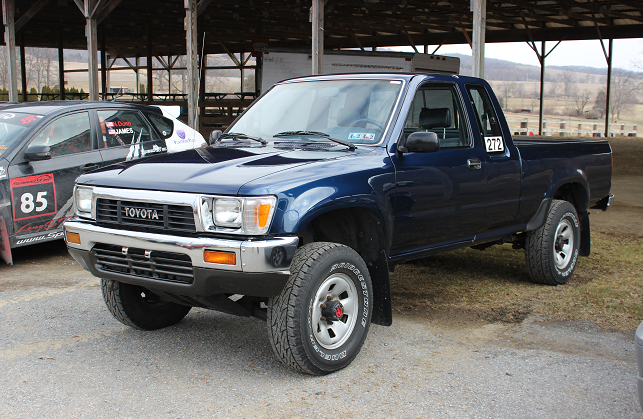
toyota hilux 1988-1991 Common Problems & Issues
The 5th-generation Toyota Hilux, produced from 1988 to 1997, is renowned globally as a resilient mid-size pickup truck built for heavy-duty work, off-road use, and general utility. This guide focuses specifically on the early models of this generation, including the Toyota Hilux 1988, Toyota Hilux 1989, Toyota Hilux 1990, and Toyota Hilux 1991. These trucks were designed with simple, robust mechanics, making them highly tolerant of harsh conditions and demanding tasks. In many international markets, this same dependable platform was also sold as the Volkswagen Taro, further testament to its widespread acceptance and capability. Under the hood, these early 5th-generation Hilux models offered a range of engine options tailored to various global markets. Petrol engines included the 1.8 L 2Y I4, 2.0 L 3Y I4, the more powerful 2.4 L 22R-E SOHC EFI I4, and even a 3.0 L 3VZ-E V6 for higher performance variants. For diesel enthusiasts, the 2.4 L 2L / 2L-II indirect injection I4 and the 2.8 L 3L indirect injection I4 were popular choices, known for their torque and fuel efficiency, especially in the Toyota Hilux 1988 and Toyota Hilux 1989 models. Transmission choices included 4-speed and 5-speed manuals, with a 4-speed automatic available on some higher-spec petrol and diesel variants. The durability of the Toyota Hilux 1990 and Toyota Hilux 1991 models has made them enduring favorites for both commercial and personal use worldwide. They were available in various body styles, including Single Cab and Double Cab (with the Double Cab becoming more common in later years of the generation), and offered both 2WD and 4WD configurations. Trims like Base, SR, and SR5 provided different levels of features and off-road capability. While these trucks are celebrated for their longevity, like any vehicle of their age, they have common issues that owners should be aware of. Understanding these potential problems, from diesel engine overheating to suspension and leaf spring fatigue, is key to maintaining the exceptional reliability these vehicles are known for.
1
Critical
4
Moderate
0
Minor
Known Issues
Diesel Engine Overheating / Coolant System Issues
ModerateOwners of the 5th-generation Toyota Hilux, particularly those with the 2L/3L diesel engines found in models like the Toyota Hilux 1988 and Toyota Hilux 1989, frequently report issues related to the cooling system. Symptoms include the temperature gauge climbing under load or in hot conditions, a noticeable steam or coolant smell, and unexplained loss of coolant. The root causes are typically age-related, such as degraded rubber hoses and gaskets, a failing water pump due to bearing wear or seal leakage, or a corroded and clogged radiator, especially common in dusty or humid environments. Head gasket aging is also a significant concern for these diesel engines. Diagnosis involves pressure testing the cooling system, checking the water pump for noise and leaks, inspecting the radiator for blockages, and testing for exhaust gases in the coolant, which indicates a head gasket failure. DIY fixes include replacing hoses, the thermostat, and radiator cap, along with flushing and refilling the coolant. Professional repairs may involve water pump replacement, radiator replacement, or a comprehensive head gasket replacement if severe. Addressing these coolant system issues promptly is crucial for the longevity of the 2L/3L diesel engines.
Clutch and Transmission Wear (Manual)
ModerateThe manual transmissions in the Toyota Hilux 1990 and Toyota Hilux 1991, like other models of this generation, are known for their durability, but sustained heavy-duty work can lead to clutch and transmission wear. Common symptoms include clutch slipping under load, difficulty shifting gears (particularly from 1st to 2nd), grinding noises, a high clutch pedal, or inconsistent engagement. These issues are often caused by a worn clutch disc and pressure plate, a weak or failing clutch release bearing, or misadjusted clutch linkage with worn bushings. Transmission bushing wear and old fluid can also contribute to poor shifting. Diagnosis involves checking clutch pedal free play, inspecting for oil leaks around the transmission, and a road test to identify slipping or gear engagement problems. DIY solutions include adjusting the clutch linkage, replacing clutch fluid, and lubricating linkage points. Professional repairs often require a full clutch kit replacement, including the disc, pressure plate, and release bearing, or a transmission inspection if internal damage is suspected. Addressing clutch and transmission wear ensures safe and effective drivability.
Suspension and Leaf Spring Fatigue
ModerateOwners of the 5th-generation Toyota Hilux, including the Toyota Hilux 1988 through the Toyota Hilux 1991, often report issues with suspension and leaf spring fatigue, especially if the truck is regularly used for heavy hauling or off-road use. Symptoms manifest as a sagging rear end, an excessively bouncy or harsh ride, uneven tire wear, and clunking or knocking sounds from the rear suspension. The primary causes are fatigued or broken leaf springs, which are common on work trucks subjected to constant heavy loads. Worn shackles and bushings, along with corrosion or fatigue in the rear axle mounts, also contribute significantly. Shock absorber wear further exacerbates ride quality problems. Diagnosis involves a visual inspection of the leaf springs for cracks or breaks, checking the condition of shackles, bushings, and shock mounts, and measuring ride height. DIY fixes include replacing worn bushings and individual shocks. Professional repairs typically involve a full leaf spring set replacement, rear axle mount repair, and a suspension alignment to restore proper handling and load capacity. This is a common wear item for a truck built for heavy-duty work.
Electrical System and Starter/Alternator Issues
ModerateElectrical system issues are common in older vehicles, and the Toyota Hilux 1990 and Toyota Hilux 1991 are no exception. Owners may experience a slow or no-crank condition, particularly in hot weather, dimming lights under load, a repeatedly dying battery, or intermittent gauge and warning light problems. These issues often stem from an aging starter motor with worn brushes or bushings, alternator diode or regulator failure, or corroded wiring connections, which are particularly prevalent in humid or tropical climates. Battery aging is also a frequent culprit. Diagnosis involves battery voltage and load tests, an alternator output test, and a starter draw test, along with a thorough inspection of wiring for corrosion and loose connections. DIY fixes include cleaning battery terminals and ground points, and replacing the battery. Professional repairs often involve replacing the starter or alternator, along with comprehensive wiring repair and corrosion treatment. Addressing these electrical system problems is essential to prevent unexpected breakdowns and ensure reliable starting.
Brake System Wear (Drum Rear, Disc Front)
CriticalBrake system wear is a critical safety concern for any vehicle, including the Toyota Hilux 1988 through the Toyota Hilux 1991. Common symptoms of brake issues include long pedal travel or a low pedal, squealing or grinding noises during braking, the vehicle pulling to one side, or vibration under braking. These problems are typically caused by worn front disc pads, worn rear drum shoes and drums, leaking brake cylinders, a worn master cylinder, or corroded/stuck brake lines, especially in humid or tropical environments. Diagnosis involves measuring pad and shoe thickness, inspecting drums for scoring and wear, checking for fluid leaks, and testing brake pedal feel and pressure. DIY fixes include replacing front pads and rear shoes, and cleaning/lubricating parking brake mechanisms. Professional repairs often require a full brake system inspection, component replacement, drum reconditioning, or master cylinder/hydraulic repairs. Timely brake service is paramount for ensuring the safety and reliability of these work trucks.
What to Check Before Buying
Owning a 5th-generation Toyota Hilux, especially models from 1988 to 1991, means investing in a vehicle with a legendary reputation for reliability and durability. These trucks, including the Toyota Hilux 1988 and Toyota Hilux 1989, are known for their long life and simple mechanics, capable of tolerating harsh conditions. However, to truly maximize their lifespan and maintain their robust performance, consistent and proactive maintenance is absolutely critical.
For diesel engines, particularly the 2L/3L variants common in the Toyota Hilux 1990, vigilance over the cooling system is paramount. These engines are prone to aging-related issues, and in tropical or dusty climates, frequent coolant flushes every two years and regular radiator cleaning are non-negotiable to prevent costly head gasket failure. Similarly, oil changes for diesel engines should be performed every 5,000 km, or even sooner under severe conditions, using high-quality diesel oil. Petrol engines, like the 22R-E in the Toyota Hilux 1991, can often go 7,500–10,000 km between oil changes, but regular monitoring is still advised.
Clutch life in manual transmissions is highly dependent on usage. Work trucks that constantly carry heavy loads or are used for frequent towing may require clutch kit replacement every 80,000–120,000 km, rather than the theoretical longer lifespan. Suspension components, especially leaf springs and bushings, will also wear faster in challenging environments. Regular lubrication of shackles every 10,000–20,000 km and early replacement of worn bushings can significantly extend suspension life and maintain the truck's load capacity.
Electrical system issues, such as those affecting the starter or alternator, are often corrosion-related in humid conditions. Regular cleaning of battery terminals, ground points, and main electrical connectors every six months can prevent many common electrical gremlins. Brake system wear, with front disc pads and rear drum shoes, requires routine inspection. Periodic drum inspection and shoe adjustments for the rear drum brakes prevent long brake pedal travel and ensure safety.
When considering a used Toyota Hilux 1988, Toyota Hilux 1989, Toyota Hilux 1990, or Toyota Hilux 1991, a thorough maintenance history is invaluable. Vehicles with documented service records, especially those showing no major overheating or head gasket issues, command significantly higher value. Rust and corrosion on the chassis and body panels can become a major concern in coastal or humid areas, so regular inspections and rust prevention treatments are recommended. With diligent care, these 5th-generation Hilux models can easily exceed 300,000–500,000 km, proving their reputation as incredibly reliable work trucks that continue to serve their owners for many years.
Where to Buy Parts
Frequently Asked Questions
Is the 1990 Toyota Hilux reliable for long-term use?+
The 1990 Toyota Hilux, part of the 5th-generation N80/N90 series, is generally considered very reliable, especially with its 2L/3L diesel engines. Its simple mechanical design and robust chassis make it a common choice for work trucks globally. Long-term reliability depends heavily on maintenance history: regular oil changes, cooling system care, and suspension checks are critical. With proper care, these trucks can easily exceed 300,000 km and remain operational for many years, even in demanding conditions.
What are the most common problems on an early 5th-gen Toyota Hilux 2.4 diesel?+
Early 5th-generation Toyota Hilux models, including the Toyota Hilux 1988 through 1991, with the 2.4L (2L/2L-II) diesel often report cooling system issues, such as radiator corrosion, water pump failure, and potential head gasket leaks under heavy load. Clutch wear is another frequent problem, especially on trucks used for constant towing or hauling. Suspension components like leaf springs and shocks also degrade faster in rough road and dusty environments. Regular coolant flushes, timely clutch replacement, and suspension inspections can significantly reduce these issues.
How often should I change the oil on a 1988–1991 Toyota Hilux diesel?+
For 2L/3L diesel engines in the 1988–1991 Toyota Hilux, the typical recommendation is every 5,000 km (about 3,000 miles) or every 6 months, whichever comes first. In very dusty or heavy-load conditions, some owners shorten this to 3,000–4,000 km. Using quality diesel oil and replacing the oil filter each time is essential. Delaying oil changes accelerates engine wear and can lead to reduced performance and higher long-term repair costs.
Are parts for the 1988-1991 Toyota Hilux still available?+
Yes, parts for the Toyota Hilux 1988 through 1991 (early 5th generation) remain widely available in many global markets. Common items such as brake pads, filters, clutches, leaf springs, and electrical components are regularly stocked by aftermarket suppliers and used-parts dealers. More specialized parts like injectors or timing components may require sourcing from dedicated importers, but overall availability is good for a vehicle still widely used as a reliable work truck.
What is the expected lifespan of a 1991 Toyota Hilux if well maintained?+
A well-maintained 1991 Toyota Hilux (5th gen) with a 2L/3L diesel or 22R-E petrol engine can realistically reach 300,000–500,000 km before major engine work is needed. The transmission and suspension typically last 150,000–250,000 km before significant components like clutches, leaf springs, or shocks need replacement. Corrosion and suspension wear are often the main limiting factors rather than engine life. Consistent maintenance, rust protection, and careful load management can extend the useful life of these trucks well beyond 10–15 years.
Also worth reading
toyota hilux 1988-1991 Spare Parts & Pricing