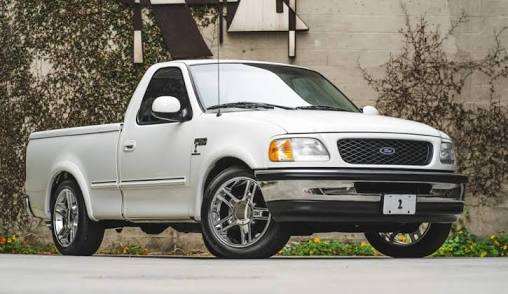
ford f-150 1997-2003 Spare Parts & Pricing
This generation F-150 is old enough that most owners lean on the US aftermarket rather than genuine Ford stock, which keeps prices reasonable except for transmission solenoid packs and the fuel pump module. Suspension control arms wear predictably on Nigerian roads and are worth budgeting for early.
Engine
| Part | Price Range | Availability | Interval |
|---|---|---|---|
| Spark plugs set Aftermarket spark plugs are significantly cheaper than OEM. Essential for Triton V8 engines due to known thread issues; ensure proper torque and consider repair inserts if threads are damaged. This is a critical part for maintaining engine performance and preventing costly head damage. | $35 – $180 | Widely available | 60,000–100,000 miles |
| Ignition coil pack Faulty ignition coils can cause misfires and poor performance. Aftermarket options offer substantial savings over OEM. Replacing these is often part of addressing engine misfire codes and ensuring smooth operation. | $55 – $260 | Widely available | As needed |
Suspension
| Part | Price Range | Availability | Interval |
|---|---|---|---|
| Upper/lower ball joint Wear is common due to vehicle weight and age. These are critical for steering and suspension integrity. Replacing worn ball joints is essential for safety and proper alignment, often done in conjunction with control arm replacement. | $35 – $220 | Widely available | As needed |
| Control arm assembly Often replaced with ball joints due to wear. Aftermarket assemblies provide a cost-effective solution for restoring front-end geometry and improving handling. Regular inspection is key to avoiding safety issues. | $90 – $450 | Widely available | As needed |
Brakes
| Part | Price Range | Availability | Interval |
|---|---|---|---|
| Front brake pads Aftermarket brake pads offer significant cost savings. Essential for safe operation, especially given the truck's weight. Regular checks prevent rotor damage and ensure optimal braking performance. | $25 – $160 | Widely available | 30,000–70,000 miles |
| Brake rotor Rotors wear over time and with heat cycles. Aftermarket options are readily available and more affordable. Always replace rotors when replacing pads if they are worn or warped to ensure proper braking. | $35 – $180 | Widely available | 60,000–100,000 miles |
Steering
| Part | Price Range | Availability | Interval |
|---|---|---|---|
| Tie rod end Wear affects steering precision and tire wear. Aftermarket tie rod ends are cost-effective. Crucial for maintaining safe steering control and proper wheel alignment. Inspect regularly as part of front-end checks. | $18 – $120 | Widely available | As needed |
| Power steering pump Failure leads to loss of power steering assist. Aftermarket pumps are available and cheaper than OEM. Listen for whining noises and check fluid levels regularly to preempt failure. | $75 – $420 | Widely available | As needed |
Electrical
| Part | Price Range | Availability | Interval |
|---|---|---|---|
| Alternator Essential for charging the battery and powering vehicle electronics. Aftermarket alternators offer significant savings. Symptoms of failure include dimming lights, battery warning lights, and electrical system malfunctions. | $90 – $360 | Widely available | As needed |
| Starter motor A failing starter will cause slow cranking or complete failure to start. Aftermarket options are cost-effective. Ensure battery and connections are sound before replacing the starter. | $80 – $320 | Widely available | As needed |
Cooling
| Part | Price Range | Availability | Interval |
|---|---|---|---|
| Radiator Crucial for engine temperature regulation. Aftermarket radiators are a common and affordable replacement. Leaks or reduced cooling efficiency indicate a need for replacement. Regular coolant flushes help extend its life. | $75 – $380 | Widely available | As needed |
| Water pump Failure can lead to rapid overheating. Aftermarket pumps are widely available and cost-effective. Often replaced concurrently with the timing belt or serpentine belt for labor efficiency. | $40 – $220 | Widely available | As needed |
Fuel
| Part | Price Range | Availability | Interval |
|---|---|---|---|
| Fuel pump module A common failure point, especially on older vehicles. Aftermarket modules are significantly cheaper than OEM. Symptoms include hard starting, stalling, and loss of power. This is a critical component for engine operation. | $90 – $520 | Widely available | As needed |
| Fuel tank straps Subject to corrosion, especially in rust-prone areas, leading to potential fuel tank sagging or detachment. This is a known safety issue and recall item. Regular inspection is vital for safety. | $35 – $180 | Widely available | As needed |
Transmission
| Part | Price Range | Availability | Interval |
|---|---|---|---|
| Transmission filter kit Part of routine transmission maintenance. Replacing the filter and fluid helps prevent wear and overheating. Crucial for extending the life of the transmission, especially under heavy use. | $18 – $90 | Widely available | 30,000–50,000 miles |
| Solenoid pack / valve body parts Commonly replaced when transmission shifting issues arise. These electronic components control fluid flow for gear changes. Aftermarket kits are available and offer a more affordable repair than a full transmission rebuild. | $70 – $450 | Widely available | As needed |
Sensors
| Part | Price Range | Availability | Interval |
|---|---|---|---|
| O2 sensor Faulty O2 sensors impact fuel economy and emissions. Aftermarket sensors are cost-effective. Replacing them promptly can improve engine performance and prevent check engine light illumination. | $25 – $160 | Widely available | As needed |
| MAF sensor Measures airflow into the engine, critical for fuel mixture. Aftermarket MAF sensors offer savings. A dirty or failing MAF sensor can cause rough idling, poor acceleration, and reduced fuel economy. | $50 – $280 | Widely available | As needed |
Body
| Part | Price Range | Availability | Interval |
|---|---|---|---|
| Headlight assembly Headlights can become yellowed, cracked, or fogged with age, reducing visibility. Aftermarket assemblies are a cost-effective way to restore appearance and safety. Ensure proper fitment for optimal beam pattern. | $35 – $220 | Widely available | As needed |
| Tail light assembly Cracked or faded tail lights compromise safety and appearance. Aftermarket replacements are readily available and affordable. Essential for signaling turns and braking, ensuring road safety. | $25 – $180 | Widely available | As needed |
Service items
| Part | Price Range | Availability | Interval |
|---|---|---|---|
| Oil filter A basic but essential maintenance item for engine longevity. Always use a quality filter to ensure proper oil filtration and prevent engine wear. Cheap filters can lead to premature engine damage. | $5 – $20 | Widely available | 3,000–5,000 miles |
| Engine oil Regular oil changes with the correct viscosity are vital for engine health. Use synthetic blends or full synthetic for better protection, especially in demanding conditions. Neglecting oil changes is a primary cause of engine failure. | $30 – $70 | Widely available | 3,000–5,000 miles |
Buying Guide
When considering a 1997-2003 Ford F-150, particularly for long-term ownership, a thorough inspection focusing on common issues and overall condition is paramount. The 10th generation F-150 offers a compelling mix of comfort and utility, but its age means certain components are prone to wear and failure. Prioritize a pre-purchase inspection by a trusted mechanic who can specifically check for the known problems detailed in this guide. For example, owners of the Ford F-150 1997 should pay close attention to potential underbody rust, while those looking at a Ford F-150 1999 might want to be extra vigilant due to reported higher complaint volumes for that model year. Key areas to scrutinize include the fuel tank straps; corrosion is a significant safety concern for any Ford F-150 from 1997 through 2003, and sagging straps indicate a need for immediate replacement. Inspect them carefully for rust and ensure the fuel tank is securely mounted. The Triton V8 engines, particularly in the Ford F-150 2001 and Ford F-150 2002, are known for spark plug ejection issues due to weak threads in the aluminum cylinder heads. Listen for any popping sounds or misfires, and if possible, have a compression test performed. A mechanic can also check for signs of improper repairs or thread damage. Transmission health is another critical factor for all models, including the Ford F-150 2000. Check for smooth shifting, proper engagement, and any signs of fluid leaks or discoloration. Slipping, harsh shifts, or delayed engagement can point to internal wear, which can lead to expensive rebuilds. Look for evidence of regular transmission fluid and filter changes. The front suspension, including ball joints and control arms, is another common wear item on these trucks. Test for clunking noises, wandering steering, or uneven tire wear, which all suggest suspension issues. Worn ball joints are a serious safety hazard. Cooling system components like the radiator and water pump should be inspected for leaks or signs of corrosion across all model years, including the Ford F-150 2003. Overheating can lead to severe engine damage, so ensure the cooling system is in good order and coolant appears clean. Check the heater core for leaks, which can manifest as a sweet smell inside the cabin or fogging on the windshield. Electrical systems on older vehicles can be temperamental. Test all lights, power windows, locks, and the infotainment system. Check the battery terminals for corrosion and ensure the alternator is charging correctly. Look for any signs of wiring damage or previous amateur repairs. Body condition is also important. While rust may not be as pervasive as on some other trucks of this era, check common areas like wheel wells, cab corners, and frame sections, especially if the truck has lived in a salt-belt region. Pay attention to the condition of the bed and tailgate, as these are work areas. For buyers, understanding the local parts availability and labor costs is crucial. While many 1997-2003 Ford F-150 parts are available globally, sourcing specific components quickly can be a challenge in some regions. Therefore, a truck that has been well-maintained with documented service records, especially for critical systems like the transmission and cooling, will be a much safer investment. Avoid trucks with a history of neglect, as the cost of rectifying deferred maintenance can quickly outweigh the initial savings. Ultimately, a well-inspected, well-maintained 10th gen Ford F-150 can be a reliable and capable truck, but diligence is key.
Common Accessories
All-Weather Floor Mats
Protect your truck's interior from dirt, mud, and spills, preserving the carpet and making cleanup easier. Custom-fit options are available for the 1997-2003 Ford F-150.
Shop on AmazonTruck Bed Liner
A durable bed liner protects the truck bed from scratches, dents, and corrosion, essential for owners who frequently haul cargo. Both drop-in and spray-on options are popular choices.
Shop on AmazonTowing Mirrors
Extend your field of vision when towing trailers, improving safety and compliance. These can be particularly useful for owners of the Ford F-150 2003 who use their truck for heavy hauling.
Shop on AmazonTool Box for Truck Bed
Securely store tools and equipment in the truck bed, keeping them organized and protected from weather and theft. Various styles and sizes are available to fit the F-150 bed.
Shop on AmazonDash Cam
Record your journeys for safety, insurance purposes, or capturing scenic drives. Easy to install and provides an extra layer of security for your Ford F-150.
Shop on AmazonWhere to Buy Parts
Frequently Asked Questions
What are the typical replacement part costs for common 1999 Ford F-150 problems like spark plug ejection or heater core failures?+
For a Ford F-150 1999, spark plug replacement for Triton V8 engines, especially if thread repair is needed, can range from $35-$180 (₦56,000-₦288,000) for a set, with repair inserts adding to the cost. Heater core replacement, while not listed as a specific part, is labor-intensive and parts can vary from $50-$200 (₦80,000-₦300,000) for the core itself, depending on OEM versus aftermarket availability.
What are the best replacement spark plugs for the Ford F-150 2001 and what is the cost difference between OEM and aftermarket?+
For the Ford F-150 2001, particularly models with Triton V8 engines, high-quality aftermarket spark plugs are often recommended, with some brands offering improved designs to mitigate thread issues. Aftermarket sets typically cost $35-$180 (₦56,000-₦288,000), while OEM spark plugs can be significantly more expensive, often 50-100% higher per plug, making aftermarket a popular cost-effective choice.
How much do replacement fuel tank straps for a Ford F-150 2003 cost and where can I find genuine parts?+
Replacement fuel tank straps for a Ford F-150 2003 typically range from $35-$180 (₦60,000-₦160,000). Genuine OEM parts can be sourced from Ford dealerships or authorized parts distributors. Reputable aftermarket straps are also widely available from auto parts stores and online retailers, often offering a more budget-friendly option while still meeting safety standards.
What are the challenges and costs of sourcing Ford F-150 parts in regions like Nigeria?+
Sourcing Ford F-150 parts in some global regions, including Nigeria, can involve challenges such as longer lead times for specific components and potentially higher shipping costs. While common wear items like brake pads, oil filters, and spark plugs are generally available from local aftermarket suppliers, specialized parts or OEM components might require importation, impacting both availability and overall cost. Buyers should factor in these potential delays and increased labor costs.
Are replacement parts for the Ford F-150 1997 readily available and affordable?+
Yes, replacement parts for the Ford F-150 1997 are widely available, thanks to the vehicle's popularity and long production run. Most components, from engine parts like ignition coils to suspension elements such as ball joints, can be found at various price points from both OEM and aftermarket suppliers. Aftermarket options generally offer more affordable pricing, making maintenance relatively economical.
Which high-cost replacement parts should I budget for on a 10th Gen Ford F-150?+
For a 10th Gen Ford F-150 (1997-2003), owners should budget for potential high-cost replacements such as a fuel pump module ($90-$520 / ₦160,000-₦420,000), a control arm assembly ($90-$450 / ₦150,000-₦420,000), or transmission solenoid pack parts ($70-$450 / ₦100,000-₦360,000). While less frequent, these failures can significantly impact your maintenance budget compared to routine service items.
Also worth reading
ford f-150 1997-2003 Common Issues