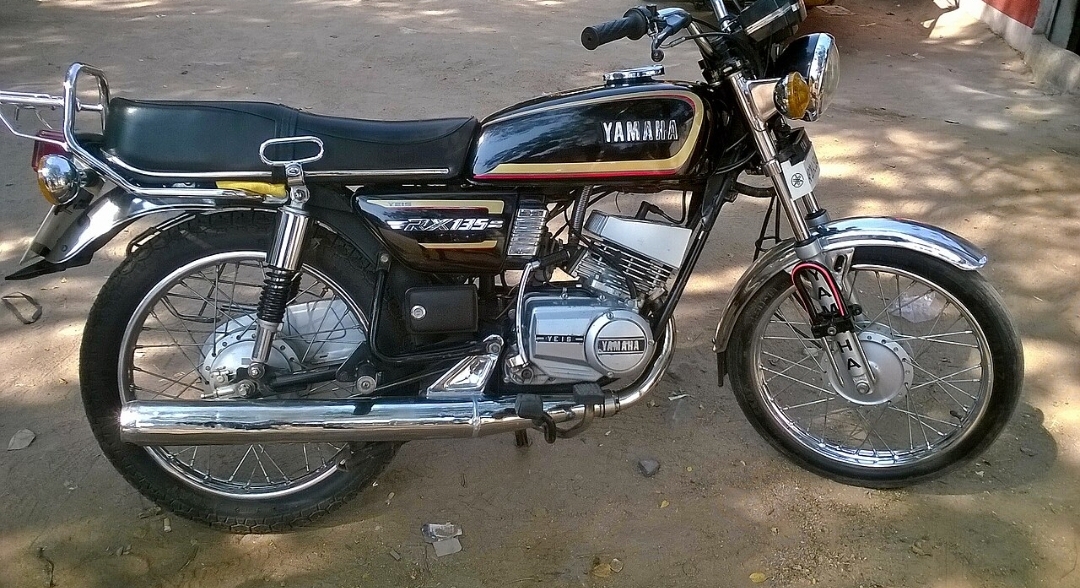
yamaha rx135 1980-2009 Maintenance Schedule
The Yamaha RX135, also known as the RX-King or RX-K in Southeast Asia, is a celebrated lightweight, 2-stroke, single-cylinder motorcycle that has maintained a strong enthusiast following, particularly in South Asia. Production of the original RX-series began in the 1980s and 1990s, with RX135 variants continuing in various markets through the 2000s and into the early 2010s in select regions. By the 2010–2020 period, most RX135s in India were pre-owned units rather than new factory models. This motorcycle is renowned for its high-revving 2-stroke character and mechanically simple design. The typical engine is a 132cc air-cooled, 2-stroke, reed-valve single-cylinder, producing around 12–14 PS and 11–13 Nm of torque, depending on the 4-speed or 5-speed transmission variant and the specific state of tune. Late models often feature kick starters and CDI ignition systems, with carburetion handled by pilot and main jets. While RXG, RX-S, and RX-K trims offered minor styling and exhaust differences, the RX135 shares significant architecture and parts compatibility with earlier RX100 models and other RX-series bikes. This interchangeability, including components like the clutch, gearbox internals, and wheel hubs, greatly supports the availability of replacement and aftermarket parts, making ownership and maintenance more accessible for models like the Yamaha RX135 1980, Yamaha RX135 1995, Yamaha RX135 2005, and Yamaha RX135 2010.
Fluids
| Service | Interval | Notes |
|---|---|---|
| 2-Stroke Oil Mix / Injection Check Critical | 1,000 km 500 km if severe use | Ensure the correct ratio of 2-stroke oil is mixed with fuel or that the oil injection system is functioning properly. Insufficient lubrication is the primary cause of engine seizure and scoring in 2-stroke engines. Monitor for blue smoke or increased oil consumption as warning signs. |
| Gearbox Oil Check/Change | 12,000 km 6,000 km if severe use | Check the gearbox oil level and condition. While many 2-strokes use mixed oil for lubrication, some gearbox lubrication is separate. Change oil if contamination or degradation is noted. Proper gearbox lubrication prevents wear on gears and bearings. |
Inspection
| Service | Interval | Notes |
|---|---|---|
| General Inspection (Chain, Brakes, Controls, Lights) | 1,000 km 500 km if severe use | Perform a visual and functional check of the drive chain for tension and lubrication, brake lever and pedal free play, handlebar controls, and all lights. This ensures basic safety and operational readiness. Minor adjustments and lubrication are typically needed. |
Filters
| Service | Interval | Notes |
|---|---|---|
| Carburetor Float Bowl Cleaning & Jet Check Critical | 3,000 km 1,500 km if severe use | Clean the carburetor's float bowl and inspect the pilot and main jets for clogging. Old fuel can leave varnish, causing poor idle, inconsistent throttle response, or flooding. This is crucial for maintaining optimal fuel delivery and engine performance. |
| Air Filter Cleaning | 3,000 km 1,500 km if severe use | Clean or replace the air filter element to ensure adequate airflow to the engine. A clogged filter restricts air, leading to a rich fuel mixture, reduced power, and increased fuel consumption. This is especially important in dusty environments. |
Electrical
| Service | Interval | Notes |
|---|---|---|
| Spark Plug Replacement Critical | 6,000 km 3,000 km if severe use | Replace the spark plug to ensure a strong, consistent spark for reliable starting and combustion. A fouled or worn plug can cause misfires, hard starting, and poor performance. Check plug condition for any signs of engine issues. |
| CDI/Stator Electrical System Test Critical | 12,000 km 6,000 km if severe use | Test the CDI unit and stator output, especially if experiencing intermittent spark or charging issues. Aged electrical components can fail due to heat cycles or corrosion. Ensure all electrical connectors are clean and secure. |
Engine
| Service | Interval | Notes |
|---|---|---|
| Reed Valve and Intake Manifold Inspection Critical | 6,000 km 3,000 km if severe use | Inspect the reed valves and intake manifold rubbers for damage, wear, or leaks. Damaged reeds or intake leaks can cause poor performance, air leaks leading to lean conditions, and potential engine damage. This check is vital for 2-stroke engine health. |
| Top-End Inspection (Piston/Rings) Critical | 12,000 km 6,000 km if severe use | Inspect the cylinder and piston for wear, scoring, or damage, and check piston ring condition. Loss of compression is a key indicator of wear. This interval, or sooner if symptoms appear, is crucial for preventing catastrophic engine failure. |
| Full Engine Rebuild (Major Overhaul) | 120,000 km 60,000 km if severe use | A comprehensive engine overhaul may be necessary after extensive mileage. This can include crankshaft bearing replacement, cylinder rebore or replacement, and a full set of gaskets and seals. It addresses wear on major internal components. |
Drivetrain
| Service | Interval | Notes |
|---|---|---|
| Clutch Inspection and Adjustment | 6,000 km 3,000 km if severe use | Check the clutch for proper operation, wear on friction plates, and correct cable free play. A slipping clutch leads to power loss and accelerated wear. Adjust cable free play to the specified range for optimal engagement. |
Tyres
| Service | Interval | Notes |
|---|---|---|
| Tire Inspection Critical | 6,000 km 3,000 km if severe use | Inspect tires for tread depth, wear patterns, and any signs of damage such as cuts or bulges. Proper tire condition is critical for safety, handling, and braking performance. Replace tires if tread is worn below legal limits or if damage is present. |
Brakes
| Service | Interval | Notes |
|---|---|---|
| Brake Shoe Replacement Critical | 12,000 km 6,000 km if severe use | Inspect and replace brake shoes if worn below their service limit. Worn brake shoes significantly reduce braking effectiveness, compromising safety. Check brake drums for scoring or damage at the same time. |
Suspension
| Service | Interval | Notes |
|---|---|---|
| Fork Seal Inspection/Replacement | 12,000 km 6,000 km if severe use | Check front fork seals for leaks. Leaking seals can lead to oil loss, reducing damping performance and potentially damaging fork internals. Replace seals and oil if leaks are detected or damping feels compromised. |
Upkeep Tips
Maintaining a Yamaha RX135, especially older models like the Yamaha RX135 1980, Yamaha RX135 1990, or Yamaha RX135 2005, requires diligent attention to its 2-stroke nature. The most critical aspect is consistent and correct 2-stroke oil lubrication. Owners consistently recommend using quality 2T oil (such as Motul or Maxima) and adhering to a premix ratio of approximately 30–40 ml of oil per liter of fuel. Deviating from this can lead to engine seizure or scoring, a common and costly problem. For 2010 RX135 variants and later models, ensure the oil injection system, if equipped, is functioning correctly, or switch to premixing if reliability is a concern. Regular carburetor maintenance is also paramount. Due to the propensity for varnish buildup from stale fuel or ethanol blends, cleaning the carburetor's float bowl and jets every 3,000–6,000 km is advisable. Symptoms of a dirty carburetor include hard starting, poor idle, inconsistent throttle response, or fuel leaks. Using a fuel stabilizer, especially during periods of extended storage, can help mitigate these issues. The exhaust system, often a steel silencer, is prone to rust and corrosion, leading to loud noise, rattling, and a loss of low-end torque. Inspect the exhaust annually and perform patch repairs or consider replacing it with an aftermarket stainless steel silencer to prolong its life and maintain performance. Electrical systems on older motorcycles like the Yamaha RX135 2000 or Yamaha RX135 2010 can degrade over time. Keep electrical connectors clean and apply dielectric grease to prevent corrosion, which can lead to intermittent spark or charging problems. Regularly test the CDI unit and stator output, especially if experiencing starting difficulties. Given the shared parts architecture with other RX series bikes, many components are interchangeable. This is beneficial for sourcing parts, but also means that aftermarket performance modifications like bore kits or tuned exhausts are common. While these can enhance power, they often increase wear and shorten the lifespan of components like piston rings, necessitating more frequent top-end inspections and rebuilds. For owners in tropical or dusty climates, like those often experienced in Nigeria, increased maintenance frequency is key. Keep the air filter exceptionally clean due to dust ingress, and consider using corrosion-resistant coatings on the exhaust and chrome parts. Regularly cleaning electrical connections is vital to combat humidity-related corrosion. When purchasing a used RX135, such as a 2007 Yamaha RX135 or a 2015 model if available, conduct thorough checks. Prioritize a compression test to gauge engine health, inspect the clutch for slippage, verify smooth gear changes, check the carburetor for cleanliness and proper operation, examine the exhaust for rust, and test the ignition spark and charging system. Always factor in the potential cost of a top-end rebuild or carburetor service when negotiating the purchase price. Proper maintenance not only ensures reliability but also significantly impacts the resale value of these classic 2-stroke machines.
Add-ons & Upgrades
2T Engine Oil (e.g., Motul 710 2T)
Essential for lubricating the 2-stroke engine, either through premixing with fuel or via an oil injection system. Crucial for preventing engine seizure and wear.
Shop on AmazonYamaha RX135 Carburetor Rebuild Kit
Contains gaskets, O-rings, and needles to restore carburetor function. Addresses issues like fuel leaks, flooding, or poor idle caused by wear or varnish buildup.
Shop on AmazonPiston and Piston Ring Kit (Standard or Oversize)
Used for engine top-end rebuilds or performance enhancements. Essential for restoring compression and power after wear or damage to the cylinder and piston.
Shop on AmazonAftermarket Exhaust Silencer
Replaces rusted or damaged original silencers, restoring exhaust integrity, sound, and back pressure. Available in various styles and materials.
Shop on AmazonBasic Multimeter
A vital tool for diagnosing electrical issues, including checking CDI output, stator voltage, and battery charging. Essential for troubleshooting electrical gremlins.
Shop on AmazonChain and Sprocket Kit
Replaces the worn drive chain and sprockets, ensuring efficient power transfer from the engine to the rear wheel. Crucial for drivetrain performance and safety.
Shop on AmazonSeat Cover and Foam Kit
Restores the comfort and appearance of the seat by replacing worn or damaged foam and the outer cover. Improves rider comfort and aesthetics.
Shop on AmazonWhere to Buy Parts
Frequently Asked Questions
Is the 2007 Yamaha RX135 reliable for daily commuting?+
The 2007 RX135 can be a reliable daily rider if you consistently follow strict 2-stroke lubrication protocols, perform regular carburetor maintenance, and periodically inspect the ignition system. Many owners keep their RX135s running daily by premixing oil and cleaning jets every 3,000–6,000 km, while also addressing exhaust corrosion proactively. However, expect occasional top-end servicing depending on your riding style and local climate conditions.
What are the common causes of engine seizure on 2010 RX135 variants?+
Engine seizure on 2010 RX135 models and other RX-series bikes is most frequently caused by insufficient 2-stroke oil in the fuel mixture, lean carburetion settings, or prolonged overheating. Diagnosis typically involves inspecting the cylinder and piston and performing a compression test. Prevention relies on maintaining the correct premix oil ratio, using quality 2T oil, and routine carburetor and jet maintenance.
How much does a carburetor rebuild typically cost for an RX135?+
A standard carburetor rebuild, including parts like gaskets, float needle, and jet cleaning or replacement, generally costs between $6 and $25 for parts. Professional labor for this service can range from $10 to $60, depending on the service provider and region. If a complete carburetor replacement is needed, costs can range from $60 to $180 for OEM units.
Are RX135 parts still readily available in India and Nigeria?+
Many RX135 parts remain accessible through specialist suppliers, aftermarket vendors, and used-parts marketplaces in India. While new OEM parts are becoming scarcer, they can still be sourced via Yamaha spare networks or specialist retailers. In Nigeria, expect higher prices from importers and second-hand markets, often with a 30–60% markup. Planning your sourcing strategy may involve exploring used-parts networks or considering direct imports.
What pre-purchase maintenance checks are crucial for a used 2005–2010 RX135?+
Before buying a used RX135, it's vital to check for good compression, confirm smooth gear shifting and clutch function, inspect the carburetor for cleanliness and proper operation, examine the exhaust for rust holes, and test the ignition spark and charging system. Always factor in the potential cost of a top-end rebuild or carburetor service when negotiating the purchase price.
Also worth reading
yamaha rx135 1980-2009 Common Issues