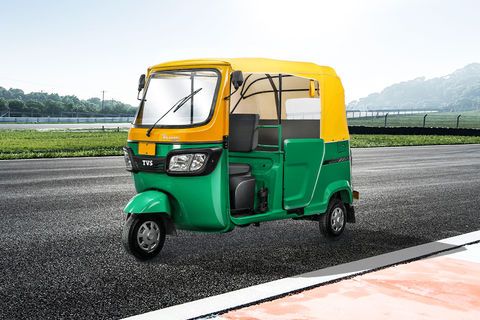
tvs king 2010-2020 Common Problems & Issues
Brake fade from worn shoes and clutch cable or plate wear are the two issues TVS King operators report most -- both typical wear items on a tricycle used for daily commercial runs.
2
Critical
2
Moderate
1
Minor
Known Issues
Clutch cable / clutch plate wear
ModerateOwners of the TVS King, including models like the TVS King 2010 and TVS King 2015, frequently report issues related to clutch cable and clutch plate wear. Symptoms often include hard gear engagement, clutch slip under load, jerky takeoff, incomplete disengagement, or the vehicle creeping while in gear even when the clutch is pressed. The root causes typically stem from worn clutch plates, misadjusted clutch free play, a stretched clutch cable, or contamination within the clutch assembly. Frequent heavy-load city use significantly accelerates this wear. The factory manual emphasizes maintaining clutch free play of 10–20 mm at the lever to prevent damage. Diagnosis involves checking the lever free play, inspecting the cable routing for binding, and road-testing the vehicle for clutch slip, especially when the engine revs rise without a corresponding increase in vehicle speed. DIY fixes include adjusting the cable free play to specification, lubricating the clutch cable, and inspecting the lever pivot. Professional repair usually involves clutch cable replacement, clutch plate replacement, and inspection of the pressure plate and clutch basket. Addressing these TVS King clutch problems promptly is essential for drivability.
Brake fade / weak brake shoe wear
CriticalBrake fade and premature brake shoe wear are common TVS King problems, particularly for models like the TVS King 2012 and TVS King 2018 that operate under heavy loads. Symptoms manifest as longer stopping distances, a soft pedal feel, brake fade under load, dragging brakes, or uneven braking performance. These issues are typically caused by worn brake shoes, glazed brake drums, contaminated linings, degradation of brake fluid, or neglected brake adjustment. The factory service schedule for the TVS King 2016 and other models repeatedly calls for checks of brake fluid, brake effectiveness, and brake shoe condition. Diagnosis involves inspecting the shoe thickness, drum condition, fluid level, and pedal free play, followed by a road test to confirm fade when the vehicle is loaded. Simple DIY fixes include topping up brake fluid with the specified grade, cleaning drum surfaces, and adjusting the linkage. Professional repair often entails brake shoe replacement, drum machining or replacement, hydraulic cylinder service, and bleeding the brake system. Given the commercial nature of the TVS King, addressing brake problems is critical for safety.
Air filter clogging / intake restriction
ModerateAir filter clogging and intake restriction are frequently reported TVS King problems, especially for models like the TVS King 2010 and TVS King 2017 operating in dusty or polluted environments. Symptoms include weak acceleration, poor fuel economy, a rough idle, and higher smoke or soot emissions. The primary cause is the accumulation of dust, mud, and debris from commercial stop-start use, which significantly shortens the service life of the air filter. The owner manual for the TVS King 2014 specifies that the paper filter should be cleaned every 5,000 km and replaced at 40,000 km or sooner if damaged. Neglecting this can lead to dust ingestion and engine wear. Diagnosis involves inspecting the filter for restriction and discoloration, and checking if performance improves after cleaning. DIY fixes include cleaning the filter element with compressed air from the inside out if it is still serviceable, or replacing it if it is heavily loaded or damaged. Professional repair might involve an airbox inspection, intake hose replacement if cracked, and a full tune-up if prolonged restriction has caused fuel mixture issues. Regular air filter service is a key part of TVS King maintenance.
Speedometer / cable / gear failures
MinorSpeedometer, cable, and gear failures are common wear-related TVS King problems affecting models across the 2010–2020 range, including the TVS King 2011 and TVS King 2019. Owners may experience a dead or erratic speedometer, no odometer movement, or noisy operation from the instrument drive. These issues are typically caused by wear in the speedometer cable, the pinion gear, contamination within the drive mechanism, or damage to the drive components. The TVS King maintenance schedule explicitly lists the speedo gear and pinion, as well as the speedo cable inner, as periodic inspection items, indicating they are known wear points. Diagnosis involves inspecting the cable for continuity and the wheel-drive gear for proper engagement, to determine if the fault is mechanical or within the instrument cluster. DIY fixes include lubricating or replacing the speedometer cable, re-seating the drive gear, and checking its routing. Professional repair may involve instrument cluster repair or replacement if the fault is electrical, or wheel-hub drive repair if the issue is mechanical. While not affecting vehicle motion, accurate speed monitoring is important.
Cooling-system leaks and water-pump service
CriticalCooling-system leaks and the need for water-pump service are significant TVS King problems, particularly prevalent in liquid-cooled cargo variants like the King Duramax across the 2010–2020 model years, including the TVS King 2020. Symptoms include a rising engine temperature, visible coolant loss, external leaks, or engine overheating during heavy-duty use. The causes are often linked to hose aging, radiator clogging, neglected coolant changes, water-pump wear, or severe operating conditions. The factory maintenance schedule for the King Duramax variants specifically emphasizes coolant level checks, circuit leak checks, radiator cleaning, radiator replacement, and water-pump coupler or assembly replacement on complaint, highlighting this as a known maintenance-prone area. Diagnosis involves pressure testing the system, inspecting hoses, the radiator cap, radiator fins, and the water pump area for seepage. DIY fixes can include topping up coolant, cleaning radiator fins, and replacing visibly damaged hoses. Professional repair typically involves radiator replacement, water pump or coupler replacement, and a complete coolant flush with system bleed. Addressing cooling-system issues, including any TVS King overheating symptoms, is crucial to prevent severe engine damage.
What to Check Before Buying
Maintaining a TVS King, spanning model years from the TVS King 2010 to the TVS King 2020, is crucial for its longevity and performance, especially given its role as a commercial three-wheeler. The factory maintenance manual provides clear guidance, emphasizing frequent service intervals to address the commercial-duty wear points these vehicles experience. For all TVS King models, including the TVS King 2011, TVS King 2012, and TVS King 2013, engine oil and differential oil changes are recommended every 5,000 km. Skipping these can lead to faster wear, overheating, low oil pressure, and potential engine damage. Similarly, air filter cleaning is critical every 5,000 km, with replacement at 40,000 km for paper elements or sooner in dusty environments. This proactive approach helps prevent power loss, poor fuel economy, and dust ingestion, which are common TVS King problems in challenging operating conditions.
Spark plug replacement is scheduled every 10,000 km for models like the TVS King 2014, ensuring easy starting and optimal engine performance. Regular inspection of the spark plug is also advised. Tyre rotation every 5,000 km helps balance wear and extend tyre life across the entire range, from the TVS King 2015 to the TVS King 2018. Brake fluid checks and clutch free play adjustment are essential at every periodic service, directly impacting safety and drivetrain health. Owners of the TVS King 2016 and TVS King 2017 should pay close attention to the steering friction plate and general steering wear, as looseness can compromise handling.
In real-world tropical and dusty operating conditions, such as those often faced by the TVS King 2019, the air filter may require attention much more frequently than the standard schedule suggests. For load-heavy operation, brake shoe wear and clutch cable wear can accelerate, necessitating inspections before the recommended intervals. This is particularly true for models like the TVS King 2020. Liquid-cooled cargo variants, such as the King Duramax, demand extra scrutiny of their cooling system components. Regular coolant level checks, circuit leak checks, and radiator cleaning prevent overheating symptoms, which can lead to expensive engine damage. Proper cable routing and precise clutch free play adjustments, as detailed in the owner manual, are vital for smooth operation and preventing issues like hard gear engagement or clutch slip.
Component lifespan expectations suggest engines can last 80,000–150,000+ km with diligent oil changes and air-filter care. Transmissions and clutches typically last 30,000–80,000 km, heavily dependent on load and driving style. Suspension components might last 40,000–100,000 km, but this is shortened by bad roads or overloading. Batteries usually last 1.5–3 years in hot climates. Cooling system hoses and radiators may need service around 40,000–80,000 km under heavy duty. To maximize longevity, especially for the TVS King 2010 and subsequent models, always replace air filters early in dusty seasons and use only the recommended oil grade, strictly adhering to oil intervals. Greasing exposed linkages and inspecting fasteners after rough-road use or heavy rain is also beneficial. Promptly washing mud from the underbody and cooling fins helps avoid heat retention. For fleet use, maintaining a detailed log of clutch adjustment, brake shoe wear, and coolant top-ups is more effective than relying solely on mileage. These practices will significantly reduce TVS King problems and overall TVS King repair costs.
Where to Buy Parts
Frequently Asked Questions
Is the 2010 TVS King reliable?+
The TVS King 2010 can be reliable if it has been serviced regularly, but its reliability is strongly tied to consistent maintenance rather than age alone. The factory schedule emphasizes frequent engine oil changes, differential oil changes, air-filter service, clutch adjustment, and brake checks at short intervals. This indicates that the platform rewards disciplined upkeep. Owners who follow the recommended TVS King maintenance schedule are more likely to experience consistent performance and fewer TVS King problems with their 2010 model.
What are the most common problems on the 2015 TVS King?+
The most common issues reported on the TVS King 2015, and indeed across the model range, are typically wear-related. These include clutch wear or misadjustment, which can lead to hard gear engagement or clutch slip. Brake fade or premature brake shoe wear is also common, especially under heavy loads. Clogged air filters, impacting fuel economy and power, and various cable-related faults such as speedometer or control-cable issues are also frequently encountered. These are generally considered commercial-duty wear points rather than unusual factory-wide defects, becoming evident with heavy use or delayed maintenance.
How expensive is a 2020 TVS King to keep on the road?+
Routine maintenance costs for a TVS King 2020 are generally modest, but the total TVS King repair costs can rise quickly if major components like the clutch, brakes, cooling parts, or battery require replacement. The cheapest recurring service items are typically an engine oil change or air-filter service. Conversely, the most expensive single repairs often involve a cooling-system overhaul, especially on liquid-cooled cargo variants, or a clutch pack replacement on hard-used vehicles. Proactive TVS King maintenance is key to managing overall ownership expenses.
Does maintenance history really affect resale value?+
Yes, for a commercial three-wheeler like the TVS King, maintenance history significantly affects its resale value. Buyers prioritize uptime and visible care more than mileage alone, as these vehicles are often used for income generation. Records of regular engine oil changes, brake work, clutch adjustments, and coolant service signal a well-maintained vehicle, which materially improves resale confidence. A clean service history indicates less hidden wear and lowers the risk of immediate downtime after purchase, making the vehicle more appealing to prospective buyers of any TVS King model from the TVS King 2010 to the TVS King 2020.
What kind of fuel does the TVS King use?+
The TVS King, across its 2010–2020 model years, is available in multiple fuel variants to suit different markets and operational needs. Depending on the specific variant, you can find models that run on petrol, Compressed Natural Gas (CNG), or Liquefied Petroleum Gas (LPG). This versatility allows owners to choose the most economical or readily available fuel type for their region, contributing to the TVS King's widespread adoption as a commercial three-wheeler. This adaptability helps address varying fuel availability and cost considerations.
Are parts for the TVS King readily available?+
Yes, parts availability for the TVS King is generally very strong. Given that TVS sells and services these three-wheelers extensively across various global markets, genuine OEM parts are widely accessible. Additionally, many generic three-wheeler consumables are interchangeable through aftermarket channels, offering owners more options. This robust parts ecosystem makes maintaining models from the TVS King 2010 to the TVS King 2020 relatively straightforward, helping to manage TVS King repair costs effectively and ensuring the vehicle remains operational.
What are the typical service intervals for a TVS King?+
The TVS King has clear and frequent service intervals outlined in its factory maintenance manual, which are crucial for its durability as a commercial vehicle. Key services include engine oil and differential oil changes every 5,000 km, and air filter cleaning at the same interval, with replacement every 40,000 km. Spark plug replacement is recommended every 10,000 km. Additionally, periodic services include important checks and adjustments for brake fluid, clutch free play, and steering components, ensuring the TVS King remains reliable and safe for operation.