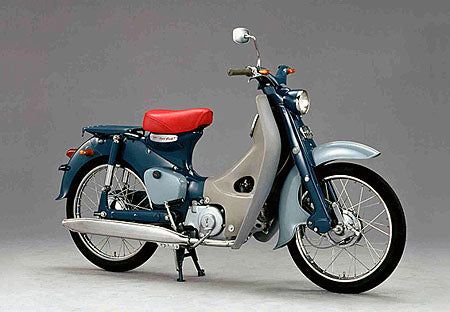
honda super 1958-2007 Maintenance Schedule
The Super Cub's maintenance needs are minimal -- regular oil and filter changes cover nearly everything this engine needs to keep running for decades.
Fluids
| Service | Interval | Notes |
|---|---|---|
| Engine Oil Change Critical | 2,000 km / 6 mo 1,500 km if severe use | Regular engine oil changes are critical for lubricating moving parts, preventing wear, and keeping the engine cool. For the Honda Super Cub, especially when used in demanding conditions like hot climates or for frequent short trips, more frequent changes might be necessary. Look for signs like dark or gritty oil, or a drop in oil pressure. |
| Carburetor Cleaning and Adjustment Critical | 6,000 km / 12 mo 4,000 km if severe use | The carbureted fuel system on the Honda Super Cub is prone to varnish and clogging, especially with infrequent use or poor fuel quality. Regular cleaning ensures proper fuel-air mixture for optimal performance and starting. Symptoms of a dirty carb include rough idling, hesitation, or difficulty starting. |
Filters
| Service | Interval | Notes |
|---|---|---|
| Oil Filter Replacement Critical | 4,000 km / 12 mo 3,000 km if severe use | While some early Super Cub models may not have had a replaceable oil filter element, those that do should have it changed concurrently with the engine oil, or at least every other oil change. A clean filter ensures that contaminants are removed from the circulating oil, protecting engine components. |
Inspection
| Service | Interval | Notes |
|---|---|---|
| Valve Clearance Check and Adjustment Critical | 8,000 km / 24 mo 6,000 km if severe use | Valve clearances can change over time due to wear. Incorrect clearances can lead to poor engine performance, noise, or even damage. This check is essential for maintaining engine health on your classic Honda Super Cub. Listen for ticking noises from the engine. |
| Cable Lubrication | 5,000 km / 12 mo | Throttle, clutch, and brake cables can become stiff or seize over time due to dirt and corrosion. Lubricating them ensures smooth operation and prevents premature wear or failure. Check for smooth operation of all controls. |
Drivetrain
| Service | Interval | Notes |
|---|---|---|
| Chain and Sprocket Inspection/Lubrication Critical | 1,000 km / 1 mo | The chain final drive requires regular cleaning, lubrication, and tension adjustment. Worn chains and sprockets can lead to poor power transfer, noise, and potential failure. Inspect for tight spots, excessive slack, or hooked teeth on sprockets. |
Brakes
| Service | Interval | Notes |
|---|---|---|
| Brake Adjustment and Inspection Critical | 3,000 km / 6 mo 2,000 km if severe use | Drum brakes require periodic adjustment to maintain proper stopping power. Inspect brake shoes for wear and drums for scoring or glazing. Brake fade and reduced effectiveness can occur, especially in humid or wet conditions. Ensure smooth lever action and adequate stopping force. |
Electrical
| Service | Interval | Notes |
|---|---|---|
| Spark Plug Replacement | 10,000 km / 24 mo 8,000 km if severe use | A fouled or worn spark plug can cause misfires, hard starting, and poor fuel economy. Replacing the spark plug is a simple maintenance task that ensures a strong spark for efficient combustion. Check the plug's condition during routine checks. |
| Electrical System Check | 5,000 km / 12 mo | Older electrical systems, especially 6V systems, are prone to corrosion and weak charging. Check battery terminals, wiring connections, and the charging system output. Ensure all lights and signals function correctly. |
Suspension
| Service | Interval | Notes |
|---|---|---|
| Suspension Check | 10,000 km / 24 mo | Inspect suspension components, including bushings and linkages, for wear or damage. Worn suspension can affect handling and ride comfort. Check for excessive play in the front leading-link and rear swingarm. |
Tyres
| Service | Interval | Notes |
|---|---|---|
| Tyre Inspection Critical | 3 mo | Regularly check tyre pressure and inspect for wear, cracks, or damage. Properly inflated and sound tyres are essential for safety and handling. Ensure tread depth is adequate and sidewalls are free from damage. |
Upkeep Tips
Owning a classic Honda Super Cub, especially models from the early production years like the Honda Super Cub 1958, offers a unique connection to motorcycling history. These machines are celebrated for their mechanical simplicity, making them relatively straightforward to maintain compared to modern motorcycles. However, their age necessitates diligent care to ensure continued reliability and enjoyment. A key aspect of Honda Super Cub maintenance revolves around the fuel system. Because these bikes are carbureted, stale fuel can quickly lead to varnish buildup and clogging, causing starting issues and poor running. It is highly recommended to use a fuel stabilizer if the bike will be stored for any length of time, and to drain the carburetor bowl or run the engine dry before extended periods of inactivity. Regular oil changes are paramount. The 49 cc engine in models like the Honda Super Cub C100/C102 requires clean lubrication to prevent wear, especially in hot and humid climates often encountered in tropical regions. Adhering to a schedule of every 6 months or 2,000 km is a good baseline for any Honda Super Cub, but more frequent changes may be beneficial if the bike is used for short trips where the engine doesn't reach optimal operating temperature, or if it's subjected to heavy loads. The chain drive system, common across the 1958-2007 Super Cub range, demands consistent attention. Regular cleaning and lubrication of the chain and sprockets will extend their life and ensure efficient power delivery. Check chain tension frequently, as a loose chain can be noisy and potentially derail, while a tight chain puts undue stress on the drivetrain components. Brake maintenance is also critical. The drum brakes used on most classic Super Cubs require periodic adjustment to maintain effective stopping power. Inspect the brake shoes for wear and ensure the drums are not glazed or excessively worn. Given their design, drum brakes can be susceptible to reduced performance when wet or overheated, so regular checks are essential for safety. For owners in challenging environments, such as those with high humidity, dust, or frequent rain, consider refreshing consumable parts like brake shoes, cables, and spark plugs more often than a standard schedule might suggest. Anti-corrosion treatments for fasteners, wheel rims, and control cables can also help mitigate the effects of harsh conditions. The electrical system, particularly on older 6-volt models, can be a source of frustration. Keep battery terminals clean and ensure all connections are secure to prevent corrosion. Regularly check the operation of lights and signals. While the Super Cub is known for its reliability, proactive maintenance is key. When sourcing parts for a classic Honda Super Cub, especially for a model like the 1958 Honda Super Cub, it's important to be aware that some specific trim or body pieces might be harder to find. However, core engine, brake, and drivetrain components are generally available through specialized classic motorcycle parts suppliers. Ultimately, the best advice for owning a classic Super Cub is to be observant. Listen for unusual noises, feel for changes in handling or braking, and perform regular visual inspections. A well-maintained Honda Super Cub is a joy to ride and a testament to enduring design.
Where to Buy Parts
Frequently Asked Questions
How often should I change the engine oil on my Honda Super Cub?+
For most Honda Super Cub models, including the 1958 through 2007 range, it's recommended to change the engine oil every 2,000 km or 6 months, whichever comes first. If you ride in severe conditions like heavy traffic, frequent short trips, or hot climates, consider changing it more frequently, perhaps every 1,500 km.
What maintenance is crucial for the fuel system on a Honda Super Cub?+
The carbureted fuel system on the Honda Super Cub needs regular attention. Carburetor cleaning and adjustment are recommended every 6,000 km or 12 months. Stale fuel can cause varnish and clogging, leading to starting issues. Using a fuel stabilizer for storage and draining the carb bowl before long periods of inactivity are also important steps.
How often should I check the valve clearance on my Honda Super Cub?+
Valve clearance checks and adjustments are essential for engine health and should be performed every 8,000 km or 24 months. Incorrect valve clearances can lead to poor performance or even engine damage. Listen for ticking noises from the engine, which can indicate a need for adjustment.
What is the recommended maintenance for the chain and sprockets on a Honda Super Cub?+
The chain and sprockets on your Honda Super Cub require frequent attention. It's advised to inspect and lubricate the chain every 1,000 km or 1 month. Regular cleaning and proper lubrication will extend the life of the drivetrain components and ensure efficient power transfer. Always check for correct chain tension.
How often should I inspect the brakes on my Honda Super Cub?+
Brake adjustment and inspection are critical for safety and should be done every 3,000 km or 6 months. This includes checking brake shoes for wear and ensuring the drum brakes are properly adjusted for optimal stopping power. Reduced effectiveness can occur in wet or humid conditions.
Are there specific maintenance concerns for older Honda Super Cub electrical systems?+
Yes, older electrical systems, particularly 6-volt systems found on some classic Honda Super Cubs, can be prone to corrosion and charging issues. It's recommended to perform an electrical system check every 5,000 km or 12 months. This involves cleaning battery terminals, checking wiring connections, and verifying charging system output.