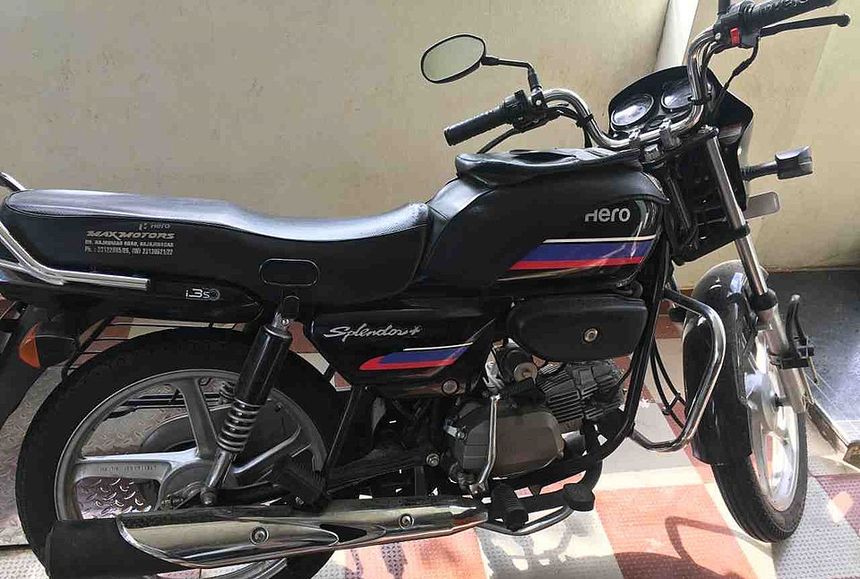
hero splendor 1994-2010 Spare Parts & Pricing
The Hero Splendor, a celebrated commuter motorcycle, first launched in India in April 1994, succeeding the popular Hero Honda CD100. This guide focuses on the early and dominant run of the Splendor family, covering models produced from 1994 through 2010. The Hero Splendor 1994 quickly established itself as a best-seller due to its exceptionally low running cost and high fuel efficiency, making it an ideal choice for daily commuters. Throughout its production, including models like the Hero Splendor 1995 and Hero Splendor 1996, the motorcycle maintained its reputation for reliability and economical operation. The typical engine for the Hero Splendor 1997 and subsequent early models, up to the Hero Splendor 2010, was a 97.2 cc (often cited as ~97–100 cc) air-cooled, single-cylinder, OHC, 4-stroke unit. This robust engine commonly reported power output between 7.4 and 8.2 bhp, varying slightly with model year and tune. Power was delivered through a reliable 4-speed constant-mesh gearbox. Early variants, such as the Hero Splendor 1998, primarily featured kick-start, with electric-start becoming an option on some later variants of the Hero Splendor 1999 and beyond. The fuel system across most of the 1994–2010 range, including the Hero Splendor 2000, remained carbureted, contributing to its straightforward maintenance and repair. Later models in the broader Splendor family introduced more advanced fuel injection systems, but these fall outside the strict 1994–2010 early carbureted run. Braking on models like the Hero Splendor 2001 and Hero Splendor 2002 was handled by front and rear drum brakes, with the front drum typically measuring around 130 mm. The suspension system was designed for comfort and durability on varied road conditions, featuring telescopic front forks and a swingarm rear paired with adjustable hydraulic shocks. This setup, consistent across the Hero Splendor 2003 and Hero Splendor 2004, provided a stable and comfortable ride. The motorcycle rode on common 2.75-18 wheel and tire sizes. The Hero Splendor platform was derived from Hero Honda's successful small commuter family, sharing many frame and drivetrain components with closely related models such as the CD100, Passion, and CD Dawn lineage. This shared platform meant that parts were widely available and often interchangeable, simplifying repairs for owners of the Hero Splendor 2005, Hero Splendor 2006, and other models in the series. Owners of the Hero Splendor 2007, Hero Splendor 2008, Hero Splendor 2009, and Hero Splendor 2010 continued to benefit from this extensive parts commonality. While known for its reliability, owners should be aware of a few higher-cost repairs that may arise over the motorcycle's lifespan, particularly with high mileage. These can include an engine rebore and piston/ring replacement, stator/regulator replacement, and a clutch rebuild. More frequently replaced parts, essential for maintaining the motorcycle's performance, include the spark plug, air filter, engine oil, chain & sprocket kit, brake shoes, carburetor components, and battery. Regular carburetor cleaning/tuning and valve adjustments are critical for sustained optimal performance. Owners in humid or coastal areas should also anticipate potential silencer corrosion and address charging issues promptly to ensure the longevity of their Hero Splendor. A documented service history materially improves buyer confidence and resale price, making well-maintained Splendors command higher values.
Engine
| Part | Price Range | Availability | Interval |
|---|---|---|---|
| Piston kit (standard) A complete piston kit includes the piston, rings, and piston pin. Aftermarket kits offer a cost-effective alternative for engine overhauls. Replacement is often part of a cylinder re-bore process when compression is low due to wear, crucial for restoring engine power and efficiency. | $20 – $90 | Widely available | 60,000-150,000 km (major overhaul) |
| Piston rings (set) Piston rings are vital for sealing the combustion chamber and regulating oil. Worn rings lead to loss of compression, increased oil consumption, and reduced engine performance. Replacing them is a common step during a top-end engine rebuild to restore power. | $4 – $20 | Widely available | 60,000-150,000 km (major overhaul) |
| Gasket kit (full engine) A full engine gasket kit is essential whenever the engine is opened for major repairs like a cylinder re-bore or valve work. It ensures a proper seal for all engine components, preventing oil leaks and maintaining compression. Both OEM and aftermarket options are available. | $6 – $35 | Readily available | As needed during engine disassembly |
Suspension
| Part | Price Range | Availability | Interval |
|---|---|---|---|
| Front fork seal (pair) Fork seals prevent oil leakage from the front telescopic forks, maintaining suspension damping. Leaking seals can lead to poor handling and brake contamination. Replacement typically involves draining the fork oil and disassembling the fork legs, often done in pairs. | $5 – $20 | Commonly found | Variable (inspect every 10,000-20,000 km) |
| Rear shock absorber (single) The rear shock absorber provides crucial damping for a comfortable ride and stable handling, especially over uneven terrain. Worn shocks can cause a bouncy ride, poor stability, and reduced comfort. Both OEM and various aftermarket units are available, often sold individually. | $8 – $60 | Widely available | 20,000-50,000 km |
Brake
| Part | Price Range | Availability | Interval |
|---|---|---|---|
| Front drum brake shoes (pair) Brake shoes are friction components essential for stopping power in the drum brake system. Regular inspection and timely replacement of worn shoes ensure effective braking and rider safety. They are typically sold as a pair for one wheel, fitting both front and rear drums. | $3 – $18 | Readily available | 10,000-20,000 km (inspect every 6,000 km) |
| Brake cable (front/rear) Brake cables transmit the rider's input from the lever to the drum brake mechanism. Frayed or stiff cables can compromise braking effectiveness and safety. Replacement is straightforward and ensures smooth, responsive braking for both front and rear wheels. | $4 – $15 | Widely available | As needed (inspect regularly) |
Steering
| Part | Price Range | Availability | Interval |
|---|---|---|---|
| Steering head bearings (kit) Steering head bearings allow the handlebars to turn smoothly. Worn or notched bearings can cause vague steering, wobbling, and reduced control, particularly at low speeds. A full kit includes all necessary bearings and races for a complete replacement. | $4 – $18 | Commonly found | Variable (inspect every 10,000-20,000 km) |
Electrical
| Part | Price Range | Availability | Interval |
|---|---|---|---|
| Spark plug (NGK/Champion) The spark plug is crucial for igniting the air-fuel mixture in the engine. A fouled or worn spark plug can lead to misfires, hard starting, and poor fuel economy. Regular replacement is a simple and inexpensive maintenance task that significantly impacts engine performance. | $1.5 – $4 | Readily available | 6,000-8,000 km |
| Regulator/rectifier The regulator/rectifier converts AC voltage from the stator to DC for the battery and electrical system, while regulating voltage output. Failure leads to battery not charging or overcharging, damaging the battery and other electronics. Replacement is critical for a healthy charging system. | $18 – $60 | Commonly found | Variable (expect 5-10 years) |
| Stator/alternator assembly The stator is a key component of the charging system, generating AC current for the motorcycle's electrical needs. A faulty stator results in weak charging system output, leading to battery drain and electrical issues. It is often replaced in conjunction with the regulator/rectifier. | $25 – $120 | Widely available | Variable (inspect if charging issues persist) |
Fuel System
| Part | Price Range | Availability | Interval |
|---|---|---|---|
| Carburetor (complete replacement) A complete carburetor replacement is an option if cleaning or rebuild kits cannot resolve persistent carburetor flooding or cold starting issues. Aftermarket units are often available at a lower cost than OEM, providing a fresh start for the fuel system. | $15 – $90 | Widely available | As needed (if rebuild is insufficient) |
| Float needle/seat assembly This assembly regulates the fuel level in the carburetor float bowl. A worn needle valve seal or stuck/incorrectly indexed float pin is a common cause of carburetor flooding / fuel overflow. Replacing this small part can resolve significant fuel system problems. | $2 – $10 | Commonly found | As needed (inspect during carb cleaning) |
| Petcock/fuel tap The petcock, or fuel tap, controls fuel flow from the tank to the carburetor. A faulty unit can leak fuel or restrict fuel flow, leading to performance issues. Replacement is usually straightforward and helps prevent fuel overflow or starvation problems. | $6 – $18 | Readily available | As needed (inspect for leaks/flow) |
Transmission
| Part | Price Range | Availability | Interval |
|---|---|---|---|
| Clutch plate set (friction + steel) The clutch plate set, comprising friction and steel plates, is crucial for transmitting power from the engine to the gearbox. Worn clutch plates lead to clutch slip after engine work / wear, poor acceleration, and loss of power. A clutch rebuild kit provides all necessary components. | $18 – $65 | Widely available | 40,000-100,000 km (inspect at 30,000-50,000 km) |
Service Items
| Part | Price Range | Availability | Interval |
|---|---|---|---|
| Air filter element The air filter protects the engine from dust and debris, ensuring clean air for combustion. A clogged air filter reduces engine performance and fuel efficiency. Frequent air filter replacement is vital, especially in dusty environments, to prevent premature engine wear. | $1.5 – $6 | Readily available | 6,000-8,000 km (3,000-6,000 km in dusty climates) |
| Chain & sprocket kit The chain and sprocket kit is the primary component of the drivetrain, transferring power to the rear wheel. Worn chains and sprockets lead to poor power transfer, noise, and potential failure. Regular grease chain maintenance and timely replacement ensure smooth and efficient power delivery. | $18 – $60 | Widely available | 20,000-30,000 km (inspect every 1,000 km) |
| Engine oil (per change) Engine oil lubricates, cools, and cleans engine components. Using good-quality engine oil (10W30 semi-synthetic recommended) and adhering to the oil change interval is the single most critical maintenance task for preventing accelerated engine wear and ensuring longevity. | $6 – $12 | Readily available | 3,000-4,000 km or 6 months |
Buying Guide
The Hero Splendor, particularly models from 1994 through 2010, is renowned for its durability, but like any long-produced commuter motorcycle, it has a few common issues that owners frequently encounter. Understanding these problems, their symptoms, and solutions can significantly extend the life and improve the reliability of your Hero Splendor 1994, Hero Splendor 1995, or any other model in this range.
One of the most widespread complaints across the Hero Splendor 1996 and subsequent models is cold / morning starting and stalling. Owners often report difficult cold starts, where the engine stalls shortly after starting until it has warmed up, frequently requiring choking or accelerator blipping. Intermittent failure to restart after parking is also common. The primary causes often revolve around the carburetor idle/air–fuel mixture being out of adjustment, float/needle valve leakage, or clogged jets. Incorrect choke usage, weak compression (especially after high wear), or a fouled spark plug can also contribute. For a Hero Splendor 1997, diagnosis typically involves inspecting the spark plug condition and gap, verifying the carb float/needle valve, cleaning the jets, checking choke operation, and adjusting the idle mixture setting. A compression test is recommended if engine wear is suspected. DIY fixes include cleaning the carburetor and jets, replacing or cleaning the spark plug, and resetting idle/mixture screws to factory specifications. Professional repairs for a Hero Splendor 1998 might involve a carburetor overhaul with float/needle replacement and tuning, or even valve adjustment or a cylinder re-bore if compression is low. The estimated cost for a DIY carb clean and plug replacement is around $5–$25 (₦7,500–₦37,500), while a professional carb rebuild and tune can range from $20–$60 (₦30,000–₦90,000). Compression-related repairs are significantly more expensive, from $150–$450 (₦225,000–₦675,000). This issue is widespread and affects usability and fuel economy.
Another frequent problem, particularly noted in forums for the Hero Splendor 1999 and Hero Splendor 2000, is carburetor flooding / fuel overflow. Symptoms include a strong fuel smell, black smoke on start-up, high fuel consumption, engine flooding, and a wet spark plug. This is usually caused by a stuck/incorrectly indexed float pin, a worn needle valve seal, incorrect float height, or a clogged overflow/drain. Diagnosing this on a Hero Splendor 2001 involves removing the float bowl to check the float needle/seat and float action, and inspecting for fuel trickle when the petcock/fuel tap is open. DIY fixes often involve replacing the float needle/seat, cleaning the float bowl, setting the float height, and ensuring the petcock is functioning correctly. Professional repairs for a Hero Splendor 2002 might include replacing the entire float assembly or a full carburetor rebuild. Costs range from $3–$12 (₦4,500–₦18,000) for DIY parts, up to $20–$70 (₦30,000–₦105,000) for professional work.
Owners of older units, including the Hero Splendor 2003 and Hero Splendor 2004, often report battery not charging / weak charging system issues. Symptoms include a draining battery, dimming headlights, slow cranking, or a complete loss of electric start function on variants equipped with a starter. The causes typically involve weak stator/alternator output, rectifier/regulator failure, loose wiring, poor ground connections, or an aged battery. Diagnosis for a Hero Splendor 2005 involves checking the charging voltage at the battery with the engine running (expecting ~13–14 V for a 12V system), visual wiring inspection, and testing the stator and rectifier. DIY fixes include cleaning earth/ground terminals and replacing the battery if it's aged. Professional repairs for a Hero Splendor 2006 involve replacing the regulator/rectifier or stator/alternator assembly. Battery replacement costs $25–$45 (₦37,500–₦67,500), while a regulator/rectifier can be $20–$60 (₦30,000–₦90,000).
The exhaust/silencer rust and leak problem is frequent on older bikes, including the Hero Splendor 2007 and Hero Splendor 2008, often due to thin early-era silencers, exposure to humid environments, and poor paint/coating. Symptoms include a loud exhaust, visible rust, and reduced performance. A visual inspection or tap tests can diagnose this. DIY fixes involve sanding surface rust and applying high-temp paint, or patching small holes. Professional repairs for a Hero Splendor 2009 often mean replacing the aftermarket silencer or OEM unit, costing $25–$140 (₦37,500–₦210,000).
Finally, clutch slip after engine work / wear is a periodic issue for the Hero Splendor 2010 and other models, especially after a cylinder re-bore or heavy use. Symptoms include poor drive, inability to accelerate under load, and the clutch slipping. Causes are usually worn clutch plates, incorrect assembly, or weakened springs. DIY replacement of clutch plates and springs is possible with moderate mechanical skill. A clutch rebuild or full replacement costs $30–$90 (₦45,000–₦135,000) for parts, plus labor. Proactive maintenance and correct assembly after any engine work are key to preventing this.
Common Accessories
Clip-on phone mount (universal)
Securely attach your smartphone to the handlebars for navigation or ride-tracking apps. This universal mount fits handlebars between 22-28 mm, making it suitable for most Hero Splendor models.
Shop on AmazonUniversal dash-cam / helmet-cam (small action cam)
Capture your rides for security or incident recording with a compact action camera. These versatile cameras can be mounted on your helmet or handlebars for clear footage.
Shop on AmazonAftermarket exhaust silencer (OEM-fit replacement)
Replace a rusty or damaged original silencer with an aftermarket unit designed for your Hero Splendor. This helps restore proper noise levels, reduce emissions, and improve the bike's appearance.
Shop on AmazonSeat cover / foam upgrade kit
Enhance rider comfort for daily commutes or longer rides with a new seat cover or foam upgrade. Specific kits are available to fit 1994–2010 Hero Splendor models, improving ergonomics.
Shop on AmazonCarburetor rebuild kit (jets, needles, gaskets)
Address common fuel system issues like flooding or poor starting with a comprehensive carburetor rebuild kit. These kits contain essential components such as jets, needles, and gaskets for a thorough overhaul.
Shop on AmazonHeavy-duty chain & sprocket kit (520/420 spec matching Splendor)
Upgrade your drivetrain for improved longevity and reliable power transfer with a heavy-duty chain and sprocket kit. Ensure correct sprocket tooth count for your specific Hero Splendor model year.
Shop on AmazonWhere to Buy Parts
Frequently Asked Questions
Is the 1998 Hero Splendor reliable for daily city use?+
The 1998 Hero Splendor is widely regarded as very reliable for daily urban commuting when maintained regularly. Owners report excellent fuel economy and simple mechanics that local technicians can service easily. Routine items include engine oil changes every 3–4k km, carburetor cleaning every 6–12k km, and valve checks. Neglecting these essential tasks accelerates wear and can lead to more expensive repairs like a cylinder re-bore or clutch replacement, so consistent maintenance is key to its long-term dependability for daily use.
Why does my 2004 Splendor stall after cold starts and how much to fix it?+
Cold-start stalling on 2004 Splendors is typically due to carburetor mixture or float issues, a fouled spark plug, or incorrect choke technique. A carburetor clean and basic tune usually resolves it, costing $20–$60 (₦30,000–₦90,000) if done professionally, or $5–$30 (₦7,500–₦45,000) for DIY parts and cleaning supplies. If symptoms persist and the motorcycle has high mileage, weak compression due to engine wear might necessitate more expensive top-end repairs, such as a piston kit replacement, to fully address the issue.
How often should I replace the clutch plates on a 2007 Splendor?+
Clutch plate lifespan for a 2007 Splendor varies significantly with riding style and conditions. It's advisable to inspect the clutch at 30,000–50,000 km, and you can generally expect replacement to be necessary between 40,000–100,000 km. Heavy stop-and-go city riding or carrying heavy loads can shorten this lifespan. Replacing worn clutch plates proactively prevents clutch slip after engine work / wear and potential stress on the gearbox. Parts and labor for a clutch rebuild typically cost between $60–$160 (₦90,000–₦240,000).
Can I fit a modern replacement silencer on an older Splendor, and cost?+
Yes, it is generally possible to fit a modern aftermarket silencer on an older Hero Splendor, including models from the early 2000s. Many aftermarket units are designed to match the original mount points, making installation straightforward. Expect to pay $30–$80 (₦45,000–₦120,000) for a replacement, depending on the brand and whether it's an OEM-fit or universal design. Labor for installation, if a minor mount modification is required, could add $15–$40 (₦22,500–₦60,000). This can address exhaust/silencer rust and leak issues.
What preventive steps should owners take for Splendor longevity in challenging climates?+
Owners in tropical or dusty climates should prioritize frequent air filter replacement, ideally every 3,000–6,000 km, to combat dust ingestion. Using good-quality engine oil and changing it every 3–4k km is also crucial for bore wear prevention. Protecting the bike from high humidity, by parking undercover, helps reduce silencer/metal corrosion and frame rust. Regular grease chain maintenance and tension checks extend its life in wet or dusty conditions. Additionally, using OEM or high-quality carburetor rebuild parts helps prevent common fuel overflow issues, significantly extending engine life and preventing frequent carburetor/charging faults.
What is the expected lifespan of a Hero Splendor engine with regular maintenance?+
With diligent and regular maintenance, the Hero Splendor engine, including models like the Hero Splendor 2000 and Hero Splendor 2005, is known for exceptional longevity. The top-end of the engine can typically last anywhere from 60,000 to over 150,000 km before requiring a major overhaul such as an engine rebore and piston/ring replacement. Consistent oil change interval, timely valve adjustments, and carburetor cleaning are paramount to achieving these high mileage figures, ensuring your Hero Splendor 2010 remains a reliable commuter for many years to come.