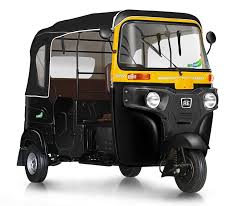
bajaj re 2008-2018 Common Problems & Issues
The Bajaj RE, often recognized globally as a versatile three-wheeled auto-rickshaw or motorized tricycle, has served as a cornerstone of low-cost urban and semi-urban transport across many emerging markets since its inception. This guide focuses specifically on the 2008–2018 Bajaj RE models, a period that encompasses the reliable 4-stroke petrol, diesel, CNG, and LPG variants. While known as 'Keke Napep' or simply 'Keke' in some regions, its fundamental design and utility remain consistent worldwide, providing essential last-mile public transportation. Throughout its production span from 2008 to 2018, the Bajaj RE has been available in several configurations, including the RE 4S (featuring a 236 cc single-cylinder petrol engine), the RE Compact (with 199 cc or 236 cc variants), and the RE Diesel (powered by a 470 cc single-cylinder engine). Additionally, the Bajaj RE CNG and Bajaj RE LPG models utilize the 236 cc petrol base engine with alternative fuel systems, offering flexibility and efficiency. Each of these Bajaj auto rickshaw models, from the Bajaj RE 2008 to the Bajaj RE 2018, shares a common platform renowned for its simplicity and robustness. Owners of the Bajaj RE 2009, Bajaj RE 2010, and subsequent models up to the Bajaj RE 2018 appreciate its straightforward 4-speed manual transmission, often featuring handlebar steering with a foot clutch and foot brake. The petrol variants typically produce around 9–10.5 hp and 18–19 Nm of torque, while the diesel version offers 8.3 hp and a higher 24 Nm of torque, making it suitable for heavier loads. The core design ensures that Bajaj RE parts are generally accessible and repairs are manageable, contributing to the vehicle's widespread appeal. Understanding the common Bajaj RE problems and adhering to a diligent Bajaj RE maintenance schedule are key to maximizing the lifespan and reliability of these workhorse vehicles across all model years, including the Bajaj RE 2011, Bajaj RE 2012, Bajaj RE 2013, Bajaj RE 2014, Bajaj RE 2015, Bajaj RE 2016, and Bajaj RE 2017.
0
Critical
4
Moderate
1
Minor
Known Issues
Front Shock Pivot Pin / Front Suspension Wear
ModerateOwners of the Bajaj RE, particularly models like the Bajaj RE 2010, often report issues with the front suspension. Symptoms typically include a noticeable clunking or knocking sound when the vehicle travels over bumps, a loose or wandering sensation in the front end, and uneven tire wear on the front wheel. These problems are primarily caused by the high load and frequent stop-start operation characteristic of public transport usage, which places significant stress on the front suspension components. Over time, the pivot pin, bushings, and shock mounting points wear down or corrode. Diagnosing this involves a visual inspection of the front shock pivot area and checking for play by rocking the front wheel while the vehicle is on the ground. You should also inspect the bushings and pivot pins for any signs of wear or cracks. DIY fixes include replacing worn pivot pins and bushings, cleaning and lubricating the pivot points, and tightening all front suspension bolts. For more severe cases, professional repair may involve a full front suspension service, including replacing the shock, pivot, and bushings, and possibly realigning the front fork if it has become bent.
Headlight Bulb Failure / Wiring Issues
ModerateA common electrical problem reported across various Bajaj RE models, including the Bajaj RE 2015, is frequent headlight bulb failure or intermittent headlight operation. Owners may experience dim headlights or bulbs blowing out repeatedly, sometimes accompanied by a repeatedly blowing fuse. The root causes often include voltage spikes originating from a poor-quality alternator or generator, corrosion within the headlight wiring connectors, or the use of bulbs not adequately rated for local voltage fluctuations. To diagnose this, inspect the headlight wiring and connectors for any signs of corrosion. You should also check the voltage at the headlight socket with the engine running and observe if the issue recurs after replacing the bulb. Simple DIY fixes involve replacing the bulb with an appropriately rated version, cleaning and reseating corroded connectors, and potentially adding basic fuse protection if it's missing. For persistent issues, professional repair might be necessary to rewire the headlight circuit or replace faulty alternator or generator components.
Speedometer / Odometer Cable Failure
MinorMany Bajaj RE owners, including those with a Bajaj RE 2012, encounter issues with the speedometer and odometer ceasing to function. Common symptoms include the speedometer being stuck or not moving at all, and the odometer stopping its increase, often observed around the 16,000 km mark. The primary cause of this problem is cable wear resulting from friction and constant vibration during operation. Poor routing of the cable or a lack of lubrication can accelerate this wear, leading to cable fatigue and eventual breakage. Diagnosis involves removing the speedometer cable from both the wheel and the instrument cluster to check for visible signs of breakage or fraying. You can also manually spin the wheel to see if the cable turns. The most common DIY fix is to simply replace the speedometer/odometer cable, ensuring proper lubrication of the new cable before installation. If replacing the cable doesn't resolve the issue, a professional may need to inspect the full instrument cluster.
Muffler / Exhaust Rust-Out
ModerateThe exhaust system, particularly the muffler, is a frequent point of concern for Bajaj RE models from 2008 to 2018. Owners often observe visible rust holes in the muffler, accompanied by increased exhaust noise and a distinct smell of exhaust near the vehicle. This issue is primarily attributed to the factory paint on the muffler not being durable enough for humid and tropical conditions, which are common in many markets where the Bajaj RE operates. Water accumulation and general corrosion over time, exacerbated by high operating temperatures, accelerate the rust-out process. To diagnose, visually inspect the muffler for rust holes and listen for any unusual exhaust noise or leaks near the joints. DIY fixes include applying high-temperature exhaust paint to new or existing mufflers and regularly cleaning and repainting the exhaust to slow down corrosion. For significant damage, professional repair typically involves replacing the muffler or exhaust pipe, though minor holes can sometimes be welded.
Bolt Loosening / Body Mounting Issues
ModerateMany Bajaj RE owners, including those with a Bajaj RE 2008, report issues with bolts loosening and general body mounting problems. Symptoms include loose body panels, seats, or the entire cabin, often accompanied by rattling noises emanating from the cabin or framework. Visible gaps between panels can also indicate this problem. The primary causes are repeated vibration and load cycles during daily operation, inadequate initial torque applied to bolts during assembly, and corrosion weakening bolt threads over time. To diagnose, systematically check all body and cabin bolts for looseness and inspect mounting points for any cracks or stretching. DIY fixes involve re-torquing all critical bolts, applying thread-locking compound where appropriate to prevent future loosening, and replacing any severely corroded bolts. In cases where structural fatigue is evident, professional repair might be needed to replace damaged mounting brackets or reinforce the body and frame.
What to Check Before Buying
The Bajaj RE has earned a reputation as a robust and simple workhorse, particularly for commercial public transport. Its low-tech mechanical design is straightforward to maintain, contributing to its global appeal. Many Bajaj RE units, including the Bajaj RE 2008, Bajaj RE 2009, and later models like the Bajaj RE 2018, are known to run for over 100,000 km when properly maintained. Owners should be aware of a few key considerations to ensure the longevity and reliability of their Bajaj auto rickshaw.
Regular and thorough Bajaj RE maintenance is paramount. Owners in hot and dusty tropical climates, such as those operating a Bajaj RE 2014, should consider more frequent engine oil changes, ideally every 2,000–3,000 km, rather than the standard 3,000–4,000 km interval. This helps to counteract the accelerated oil degradation caused by heat and dust. Protecting the muffler and body from rust is also critical; applying high-temperature exhaust paint early and inspecting the muffler every six months can significantly extend its life, preventing common Bajaj RE exhaust problems.
Another frequently encountered issue for Bajaj RE models, including the Bajaj RE 2011 and Bajaj RE 2016, is wear in the front suspension pivot pin and bushings. Due to heavy passenger loads and rough road conditions, these components can wear prematurely. Owners should inspect the pivot pin and bushings every 3,000–6,000 km to catch wear early and prevent more severe Bajaj RE suspension problems. The electrical system also demands attention; poor-quality generators or alternators can lead to recurring headlight and sensor issues. Regular voltage checks on the battery and wiring every six months are recommended for all models, from the Bajaj RE 2008 to the Bajaj RE 2018.
Bolt loosening is a common complaint across various Bajaj RE models, including the Bajaj RE 2017, due to constant vibrations. Re-torquing all body and cabin bolts every 6,000 km should be part of the routine Bajaj RE maintenance schedule. Owners should also be prepared for high-cost repairs such as a full engine overhaul, which can range from $200–$300 or ₦320,000–₦480,000, including cylinder, piston, rings, and gaskets. A full suspension overhaul, including shocks, springs, pivot, and trailing arms, might cost $80–$150 or ₦128,000–₦240,000. Starter motor and other electrical system repairs can also be significant, costing $80–$120 or ₦128,000–₦192,000.
Frequently replaced Bajaj RE parts include engine oil and filters, brake shoes and cables, spark plugs, headlight bulbs, speedometer/odometer cables, mufflers (due to rust), and pivot pins and bushings. Long-term ownership considerations for the Bajaj RE 2013 and other models emphasize the critical role of maintenance history; poorly maintained units show rapid wear. Load management is crucial to prevent accelerated suspension and engine wear. Furthermore, the quality of the electrical system can significantly impact long-term reliability. A well-maintained Bajaj RE with documented service records commands a higher resale price, reflecting its continued reliability and operational efficiency.
Where to Buy Parts
Frequently Asked Questions
Is the 2010 Bajaj RE reliable for daily commercial use?+
The 2010 Bajaj RE is generally considered reliable for daily commercial use if it has been regularly maintained. Its simple 4-stroke engine and mechanical systems are easy to service, and many units operate for 100,000+ km. However, Bajaj RE reliability heavily depends on maintenance history, load management, and protection against rust and electrical issues common in tropical climates.
What are the most common problems with the 2015 Bajaj RE?+
Owners of 2015 Bajaj RE models frequently report front suspension pivot pin wear, frequent headlight bulb failures, speedometer/odometer cable breakage, and muffler rust-out. These Bajaj RE common issues are typically related to heavy usage, vibration, and humid conditions rather than design defects. Regular inspection and protective coatings can significantly reduce their frequency.
How often should I change the engine oil in a 2008–2018 Bajaj RE in tropical climates?+
In hot and dusty tropical conditions, such as those found in Nigeria, it is advisable to change engine oil every 2,000–3,000 km rather than the standard 3,000–4,000 km intervals. This frequent Bajaj RE oil change interval helps prevent engine wear, overheating, and reduced performance, especially when the vehicle is used for continuous public transport service.
What is the approximate cost of a full engine overhaul for a Bajaj RE?+
A full engine overhaul for a Bajaj RE (including cylinder, piston, rings, gaskets, and related components) typically costs around $200–$300 (₦320,000–₦480,000), including parts and labor in local workshops. This Bajaj RE engine overhaul cost is one of the most expensive single repairs owners may face, so early detection of engine wear and regular maintenance can help extend engine life.
Are 2018 Bajaj RE models better than earlier 2008–2015 versions?+
Later 2018 Bajaj RE models often have slightly improved build quality, updated emissions compliance, and minor refinements in components like the instrument cluster and electrical systems. However, the core mechanical design remains similar, so long-term Bajaj RE reliability still depends more on maintenance and usage conditions than on the specific year within the 2008–2018 range.