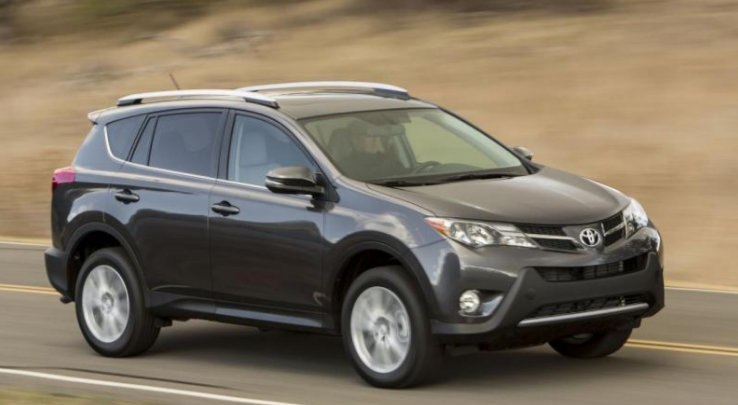
toyota rav4 2013-2018 Maintenance Schedule
The 2013-2018 Toyota RAV4, internationally known by its chassis code XA40, represents the fourth generation of Toyota's popular compact SUV. It made its global debut between 2012 and 2013, quickly establishing its presence across major markets including North America, Europe, Asia, and Africa. Positioned strategically within Toyota's diverse SUV lineup, between the more compact Corolla and the larger Highlander, the RAV4 XA40 was engineered with a strong emphasis on practicality, commendable fuel economy, and Toyota's hallmark reliability, rather than extensive off-road prowess. Production for the XA40 generation spanned from 2012 to 2018, covering model years 2013 through 2018. During this period, particularly in certain markets, the XA40 was sold concurrently with other RAV4 variants, such as the RAV4 EV (available from 2012 to 2014, featuring Tesla-derived technology) and later, the hybrid models introduced from 2016 to 2018. In the U.S. market, which serves as a primary data source for understanding this generation, the most prevalent gasoline engine was the 2.5L 2AR-FE I4, delivering 176 horsepower and 172 lb-ft of torque. A 2.0L 3ZR-FAE I4 engine, producing 146–151 hp, was also available in certain markets from 2013 to 2015, though it was less common in the U.S. For the 2016–2018 model years, a hybrid option became available, combining a 2.5L 2AR-FXE I4 engine with electric motors to achieve a total system output of 194–197 horsepower, paired with an e-CVT and AWD-i system that included a rear electric motor. Transmission options varied, including a 6-speed manual for early 2.0L models in limited markets, a 6-speed automatic for the 2.5L gasoline variants, and an e-CVT for the hybrid models. Drivetrain configurations typically included front-wheel drive (FWD) as standard, with an optional Dynamic Torque Control AWD system capable of directing up to 50% of power to the rear wheels. Common trim levels in the U.S. included LE, XLE, and Limited for gasoline models, with Hybrid LE, XLE, and Limited joining the lineup from 2016. European and Asian markets also offered additional engine choices, such as 2.0L petrol, 2.2D diesel, and 150D AWD variants. The RAV4 XA40 utilizes Toyota’s global compact SUV architecture. While not directly sharing a one-to-one platform with a single passenger car, it is related to Toyota’s broader “DA” family of compact platforms, which underpins various models like the Corolla and other RAV4 siblings in different regions, cementing its position as a robust, standalone compact SUV platform.
Fluids
| Service | Interval | Notes |
|---|---|---|
| Engine Oil & Filter Change Critical | 8,000 km / 6 mo 5,000 km if severe use | Regularly changing your engine oil and oil filter is crucial for engine health. Old, dirty oil loses its lubricating properties, leading to increased friction and wear, which can severely reduce engine lifespan or even cause failure. Warning signs include dark, sludgy oil, unusual engine noises, or a noticeable increase in oil consumption. |
| Brake Fluid Flush/Replacement Critical | 48,000 km / 36 mo 32,000 km if severe use | Brake fluid absorbs moisture over time, which can lead to corrosion in the brake system and a spongy pedal feel. Flushing and replacing the brake fluid every few years maintains braking efficiency and prevents costly ABS component failures. A spongy pedal or ABS warnings can indicate a need for this service. |
Tyres
| Service | Interval | Notes |
|---|---|---|
| Tire Rotation & Inspection | 16,000 km / 12 mo | Rotating your tires ensures even wear, extending their lifespan and maintaining balanced handling. During this service, tires, wheels, and tire pressure are also inspected for damage, abnormal wear patterns, and correct inflation, which is vital for safety and fuel efficiency. |
Inspection
| Service | Interval | Notes |
|---|---|---|
| Multi-Point Vehicle Inspection | 8,000 km / 6 mo | A comprehensive inspection involves checking various components including all fluid levels (brake, coolant, power steering, washer fluid), brakes, lights, belts, hoses, and general vehicle condition. This proactive check helps identify potential issues early, preventing costly repairs and ensuring overall safety. |
Brakes
| Service | Interval | Notes |
|---|---|---|
| Brake System Inspection Critical | 8,000 km / 6 mo 5,000 km if severe use | Regular inspection of brake pads, rotors, calipers, and brake lines is essential for safe operation. Excessive wear or damage can lead to reduced braking performance, increased stopping distances, or complete brake failure. Warning signs include squealing, grinding noises, vibrations, or a spongy brake pedal. |
Filters
| Service | Interval | Notes |
|---|---|---|
| Engine Air Filter Replacement | 48,000 km / 24 mo 24,000 km if severe use | The engine air filter prevents dirt and debris from entering the engine. A clogged filter restricts airflow, leading to reduced engine performance, decreased fuel economy, and potentially increased emissions. Replace it more frequently in dusty environments or under severe driving conditions. |
Cooling
| Service | Interval | Notes |
|---|---|---|
| Coolant System Flush & Replacement Critical | 96,000 km / 60 mo 72,000 km if severe use | Engine coolant prevents overheating and protects against corrosion. Over time, coolant degrades and loses its effectiveness, potentially causing engine overheating, water pump failure, and radiator damage. Discolored coolant or a sweet odor can be warning signs. A flush replaces old coolant with fresh fluid. |
| Water Pump Inspection Critical | 144,000 km | The water pump circulates coolant through the engine. While designed for long life, it should be inspected around 90,000–120,000 miles for leaks or unusual noises, which can indicate impending failure. A failing water pump can lead to rapid engine overheating and severe damage. |
| Hybrid System Cooling Vents Cleaning (Hybrid Models) Critical | 24,000 km / 24 mo 16,000 km if severe use | For hybrid RAV4s, keeping the cooling vents for the hybrid battery and power electronics clean is vital. Blocked vents can lead to the hybrid system overheating, resulting in reduced power, warning messages, and potential damage to expensive components. Clean them more frequently in dusty or hot climates. |
Drivetrain
| Service | Interval | Notes |
|---|---|---|
| Automatic Transmission Fluid (ATF) Replacement Critical | 96,000 km / 60 mo 72,000 km if severe use | Transmission fluid lubricates and cools the transmission components. Skipping fluid changes can lead to premature transmission wear, harsh shifting, slipping, and eventually, transmission failure. Many owners and mechanics recommend this service around 60,000 to 90,000 miles, especially under heavy use. |
| AWD Transfer Case & Rear Differential Fluid Replacement Critical | 96,000 km / 60 mo 72,000 km if severe use | For AWD models, the transfer case and rear differential fluids lubricate critical components that distribute power to all wheels. Neglecting these fluids can lead to increased wear, noise, and ultimately, costly failure of the AWD system, especially under heavy or off-road conditions. |
Electrical
| Service | Interval | Notes |
|---|---|---|
| Spark Plug Replacement (2.5L Gasoline) | 96,000 km | Spark plugs ignite the air-fuel mixture in the engine. Worn spark plugs can cause misfires, rough idling, reduced engine power, and decreased fuel efficiency. Replacing them at the recommended interval ensures optimal engine performance and prevents potential damage to other components. |
| Oxygen Sensor Inspection/Replacement | 144,000 km | Oxygen sensors monitor exhaust gases to help the engine's computer optimize fuel mixture. Degraded or failing sensors can lead to reduced fuel economy, increased emissions, and illuminated check engine lights. They are typically inspected and replaced as needed around 90,000–120,000 miles. |
| 12V Auxiliary Battery Health Check & Replacement Critical | 60 mo | The 12V battery is crucial for starting the vehicle and powering its electrical systems. Regular health checks are recommended every 2-3 years, with replacement typically suggested every 5-7 years, even without symptoms. A weak battery can cause intermittent electrical gremlins, starting problems, or leave you stranded. |
Belts
| Service | Interval | Notes |
|---|---|---|
| Timing Chain Inspection (2.5L Gasoline) Critical | 144,000 km | The 2.5L engine uses a timing chain, which is typically designed to last the life of the vehicle. However, it's prudent to inspect its condition for excessive slack or noise around 90,000–120,000 miles. A failing timing chain can cause catastrophic engine damage. |
Suspension
| Service | Interval | Notes |
|---|---|---|
| Suspension & Steering Components Detailed Inspection | 96,000 km 48,000 km if severe use | A detailed inspection of struts, shocks, control arms, bushings, and tie rod ends is important for ride comfort, handling, and safety. Wear from potholes and rough roads can lead to poor handling, excessive noise, and accelerated tire wear. Inspect after major impacts or every 60,000 miles. |
Upkeep Tips
Owning a 2013-2018 Toyota RAV4 (XA40) means investing in a generally reliable vehicle, but proactive maintenance and awareness of common issues can significantly enhance your ownership experience and the vehicle's longevity. Here are some practical tips to keep your RAV4 running smoothly.
First and foremost, maintain vigilance over the electrical system. Given the higher incidence of electrical complaints for this generation, it's wise to inspect your 12V auxiliary battery, its terminals, and grounding points every 2 to 3 years. Consider replacing the battery every 5 to 7 years, even if you haven't experienced any symptoms, as a weak battery is often the root cause of many 'electrical gremlins.' Also, ensure that critical safety recalls, specifically 23V734000 (battery hold-down) and 17V-526 (seatbelt webbing), have been completed. These recalls address serious safety risks and their completion is paramount for your safety and the vehicle's integrity.
For hybrid RAV4 owners, specific attention to the hybrid cooling system is essential. Regularly clean the hybrid cooling vents to prevent blockages that can lead to overheating. Avoid prolonged high-load driving in extreme heat conditions. If you receive a 'hybrid system overheated' warning, it's crucial to safely stop the vehicle and allow it to cool down to prevent potential damage to expensive hybrid components.
Brake service frequency may need adjustment based on your driving environment. In hot, humid, or dusty conditions, such as those often found in tropical climates, brake pads and rotors can experience accelerated wear. It is advisable to inspect your brakes every 15,000 to 20,000 miles, rather than waiting for the standard 30,000-mile interval, to catch wear early and avoid more costly repairs.
While the RAV4's suspension components (struts, shocks, control arms) are generally robust, they are not immune to damage from severe impacts like potholes. After encountering significant road hazards, it's a good practice to have your suspension inspected for any signs of damage or premature wear. Addressing these issues promptly helps maintain ride quality and safety.
Regarding transmission fluid, while Toyota might suggest a 'sealed for life' approach for some models, many owners and independent mechanics recommend an automatic transmission fluid (ATF) and transfer case fluid flush every 60,000 to 90,000 miles. This is particularly important under heavy urban or intercity use, as fresh fluid helps preserve the longevity and smooth operation of the transmission.
For overall longevity, especially in demanding environments, consistent use of high-quality engine oil (0W-20 for the 2.5L engine) and adherence to a 5,000-mile or 6-month oil change interval is critical. Regularly replace air filters, as dust and debris can quickly clog them, hindering engine performance. Routinely cleaning the underbody and air intakes helps minimize dust accumulation, which is especially beneficial in dusty climates. Parking in shaded or covered areas whenever possible can reduce heat stress on the vehicle's electronics and battery. Avoid frequent short trips that do not allow the engine to reach its optimal operating temperature; try to combine these with longer drives when possible. Finally, always maintain proper tire pressures and inspect for tread wear and damage, particularly if you frequently drive on rough roads. Adhering to these practices will significantly contribute to your RAV4's reliability and resale value over the long term.
Add-ons & Upgrades
NOCO GENIUS2 Smart Battery Charger & Maintainer
Directly addresses the auxiliary battery weakness this schedule flags as critical — keeps it topped up between drives and extends its life past the typical 5-7 years.
Shop on AmazonCabin & Engine Air Filter Combo (2013-2018 RAV4 2.5L fit)
Purpose-fit combo kit matching the recommended air filter interval — handy to have on hand rather than sourcing one each time, especially in dusty conditions.
Shop on AmazonAuto Detailing & Air Vent Brush Set
For hybrid trims specifically — this schedule lists vent cleaning as a critical, recurring task to prevent hybrid system overheating.
Shop on AmazonMAXLINER All-Weather Cargo Liner (2013-2018 RAV4 fit)
Purpose-fit trunk liner — protective, low-cost upkeep pick that fits daily driving on rough or dusty roads, as called out in the maintenance tips.
Shop on AmazonAstroAI Digital Tire Pressure Gauge & Inflator
Complements the scheduled tire rotation and inspection interval — catch pressure or wear issues between visits.
Shop on AmazonFluid Film Rust & Corrosion Protection Spray
Extra protection for suspension and underbody components against the rough-road wear this record's tips section specifically warns about.
Shop on AmazonWhere to Buy Parts
Frequently Asked Questions
Is the 2014 Toyota RAV4 reliable compared to other years in the 2013–2018 generation?+
The 2014 RAV4 is broadly as reliable as other gasoline models in the 2013–2018 generation, with its 2.5L 2AR-FE engine being particularly robust. NHTSA data indicates electrical system issues are the most common complaint across all years, not specific to 2014. Key year-specific concerns revolve around recalls: all 2013–2018 models share the 17V-526 seatbelt recall, and many share the 23V734000 battery hold-down recall. For a 2014 model, ensuring both recalls are completed and confirming a strong maintenance history are essential. In global markets, and specifically in Nigeria, a well-maintained 2014 model with low mileage and full service records can command a good price, typically ranging from $5,000 to $8,000 USD (₦8,250,000 – ₦13,200,000 NGN).
What are the most common problems on a 2016 Toyota RAV4, especially the hybrid?+
The 2016 RAV4 introduced the hybrid variant, which can experience hybrid system overheating warnings during hot weather or mountain driving, along with general 12V battery weaknesses and other electrical gremlins. Gasoline 2016 models primarily exhibit standard brake wear, 12V battery issues, and occasional sensor failures. A specific 2016 recall (16V198000) addresses ABS actuator O-ring defects that could impair ABS/traction/stability performance; it is crucial to verify its completion for any 2016 model. For hybrids, always inspect for 'Hybrid system overheated' messages and ensure cooling vents are kept clean. Overall, the 2016 is considered reliable if recalls are addressed and hybrid cooling is properly maintained.
What is the expected lifespan of a 2013–2018 Toyota RAV4 with proper maintenance?+
With consistent and proper maintenance, a 2.5L gasoline RAV4 from 2013–2018 can reliably reach 250,000–350,000 miles (approximately 400,000–560,000 kilometers). Hybrid models often exceed 250,000 miles if the hybrid system is well-maintained and not subjected to abuse. The 6-speed automatic transmission typically lasts 200,000–300,000 miles (320,000–480,000 kilometers), especially if the fluid is flushed at recommended intervals (e.g., 60,000–90,000 miles). In challenging environments with rough roads, such as Nigeria, realistic long-term expectations are 150,000–250,000 km (93,000–155,000 miles) with careful maintenance, though many units can exceed this with diligent care.
How do recalls like 23V734000 (battery) and 17V-526 (seatbelt) affect buying a used 2013–2018 RAV4?+
Recalls 23V734000 (battery hold-down) and 17V-526 (seatbelt webbing) are critical safety concerns. The battery recall prevents under-hood fires caused by short circuits, while the seatbelt recall ensures the webbing is not compromised during a side impact. If these recalls have not been completed, the vehicle poses tangible safety risks and may be difficult to sell. For any used RAV4 buyer, it is imperative to check the VIN on official recall databases (like NHTSA or Toyota's website) and request completion receipts. Completed recalls significantly boost buyer confidence and can justify a higher price, particularly in markets where buyers prioritize safety and peace of mind.
Where in Nigeria can I buy a used 2013–2018 Toyota RAV4, and what price range should I expect?+
In Nigeria, particularly in Lagos, used 2013–2018 Toyota RAV4s can be found through various channels. Online platforms like Autochek Nigeria offer verified local listings, while aggregators like Mitula Cars Nigeria feature both 'tokunbo' (imported used) and local cars. Traditional used-car markets in areas like Oshodi and Ilupeju, along with some dealerships in Victoria Island and Lekki, also offer options. Price ranges (as of 2025–2026, using ~1650 NGN/USD) typically vary: high-mileage 2013 models might range from ₦7.8M–₦10M ($4,727–$6,060 USD); 2014–2016 models with moderate mileage from ₦10M–₦12.5M ($6,060–$7,575 USD); and low-mileage 2017–2018 or hybrid models from ₦12M–₦13.5M+ ($7,272–$8,181+ USD). Always verify recall completion, service history, and conduct a physical inspection.
Are electrical system problems common for the 2013–2018 Toyota RAV4, and how can they be mitigated?+
Yes, electrical system failures are a dominant complaint category for the 2013–2018 Toyota RAV4, affecting both gasoline and hybrid models. Symptoms can range from random dash lights, infotainment issues, and battery drain to intermittent starting problems. The primary cause is often a weak 12V auxiliary battery or poor connections, though wiring or sensor faults can also occur. To mitigate these issues, regularly inspect the 12V battery health and terminals, replacing the battery every 5–7 years as a preventative measure. For minor glitches, try resetting the infotainment system. For persistent problems, professional diagnosis with a scan tool for fault codes is recommended, as it may indicate faulty sensors or control modules.