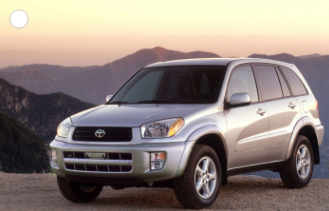
toyota rav4 2001-2005 Common Problems & Issues
The 2001–2005 Toyota RAV4, designated as the XA20 generation, represents the second iteration of Toyota's highly popular compact crossover SUV. Launched globally in 2000 as a 2001 model year vehicle, it successfully built upon the original RAV4's winning formula. This generation maintained the core philosophy of a small, car-based SUV, prioritizing fuel efficiency, practical urban dimensions, and offering reasonable off-road capability, particularly in its all-wheel-drive configurations. These models were produced from 2000 to 2003 for the pre-facelift versions, and from 2003 to 2005 for the refreshed XA20 platform, marketed across many regions as 2001–2005 models. Under the hood, the XA20 RAV4 offered a selection of engines designed for various global markets. Common gasoline options included the efficient 1.8L 1ZZ-FE VVT-i four-cylinder engine, producing 125 horsepower (92 kW), and the more powerful 2.0L 1AZ-FE four-cylinder engine, which delivered 150 horsepower (110 kW). In some markets, a 2.0L 1AZ-FSE D-4D direct injection diesel engine, offering 116 horsepower, was also available, catering to different fuel preferences and regulations. Transmission choices included a standard 5-speed manual gearbox, known for its robustness, and a 4-speed automatic transmission. It is important to note that the automatic transmissions produced between 2001 and 2003, particularly those paired with early Engine Control Modules (ECMs), have been identified as having a higher incidence of reliability issues. The RAV4 XA20 came in both Front-Wheel Drive (FWD) and All-Wheel Drive (AWD) or 4WD configurations, with many 4WD versions featuring a locked center differential for enhanced traction. Trim levels varied by market but typically included a Base or Standard model, a Sport or S variant, and in some regions, an XLE or Limited trim, each offering different levels of equipment and features. The XA20 platform itself was specifically developed for Toyota's compact SUV range, but it significantly leveraged engineering and components from the broader Toyota Corolla and Carina family, sharing engine designs and various suspension and electrical parts. This strategic use of proven components contributed to the RAV4's general reputation for reliability, despite some specific weaknesses that emerged over time.
3
Critical
3
Moderate
0
Minor
Known Issues
Transmission Shifting Issues and Failure in Automatic Models (2001-2003)
CriticalOwners of 2001-2003 Toyota RAV4 automatic models frequently report significant transmission problems. Symptoms typically include harsh shifts, particularly when moving from second to third gear or engaging reverse. Drivers may experience hesitation between gears, jerking, or a feeling of the vehicle 'jumping' during shifts. If left unaddressed, these issues can escalate to complete transmission failure, rendering the vehicle undrivable. The primary cause is a faulty Engine Control Module (ECM) that sends incorrect signals to the shift solenoids, leading to improper gear engagement. In some prolonged cases, the ECM's incorrect signaling can cause physical damage to the transmission itself. Diagnosing this problem involves scanning for specific trouble codes such as P0750, P0753, P0755, P0758, P0770, and P1760. It is crucial to determine if these are 'false' codes, meaning there are no mechanical solenoid issues, but rather an ECM malfunction. Professional repair typically involves replacing or repairing the ECM, often followed by transmission repair or a complete rebuild if mechanical damage has occurred. Addressing the ECM issue promptly is vital to prevent more costly transmission damage.
Excessive Engine Oil Consumption (Early 1.8L & Some 2.0L Engines)
CriticalMany 2001-2005 RAV4s, particularly those equipped with the early 1.8L 1ZZ-FE and some 2.0L 1AZ-FE engines, are known to consume engine oil at an unusually high rate. Owners often report needing to add a quart of oil every 1,000 to 2,000 miles, necessitating frequent top-ups. In severe instances, this can lead to oil-fouled spark plugs or oxygen sensors, potentially triggering a check engine light or causing rough running. The root cause is primarily attributed to piston ring design flaws and premature wear in these early engine variants, compounded by eventual valve seal wear. Diagnosis involves meticulously monitoring oil levels over a specific mileage, inspecting for any external oil leaks, and checking for tell-tale blue exhaust smoke or carbon buildup on spark plugs. While a temporary DIY fix might involve switching to a higher-viscosity oil (e.g., 10W-30 or 10W-40 if within manufacturer specifications) and diligent monitoring, the professional solution involves a more extensive engine overhaul, including the replacement of piston rings and valve seals, and potentially cylinder honing or reconditioning to restore proper oil retention.
Engine Control Module (ECM) and Electrical System Failures
ModerateBeyond the specific transmission issues, the Engine Control Module (ECM) in 2001-2003 RAV4s can suffer from general internal failures, leading to a range of electrical problems. Symptoms include the illumination of the check engine light without a clear mechanical fault, erratic behavior of dashboard gauges, and in some extreme cases, intermittent start or no-start conditions. These failures are often attributed to degraded internal components within the ECM, such as capacitors, or trace corrosion within the circuit board, particularly in humid environments. Diagnosis typically involves scanning for diagnostic trouble codes and carefully correlating them with technical service bulletins issued by Toyota. Technicians will also inspect ECM connectors and wiring for signs of corrosion or damage and test ECM signal outputs against factory specifications. While some savvy owners might attempt to clean connectors or check ground points, professional ECM replacement or specialized repair is generally recommended. Wiring repairs may also be necessary if corrosion or physical damage is identified.
Premature Suspension and Steering Component Wear
ModerateAs the 2001-2005 RAV4 ages and accumulates mileage, various suspension and steering components are prone to wear, leading to noticeable performance degradation. Common symptoms include clunking or knocking noises when driving over bumps, a sensation of vague or wandering steering, uneven tire wear patterns, and excessive body roll during cornering. This wear primarily affects bushings (control arm, sway bar), struts, ball joints, and tie rod ends. Challenging road conditions, such as those with potholes or rough surfaces, can significantly accelerate this wear. Diagnosis involves a thorough visual inspection of all suspension and steering components for signs of cracking, tearing, or looseness. Mechanics will also test for play in the steering and suspension under load and analyze tire wear patterns for clues. While experienced DIYers can replace individual worn components like bushings or struts, ensuring proper torque specifications, professional repairs often entail a comprehensive front and/or rear suspension refresh. In cases of internal wear, steering rack service or replacement may also be required to restore precise steering.
Cooling System Leaks and Component Failures
CriticalThe cooling system in older 2001-2005 Toyota RAV4s is susceptible to leaks and component failures due to age and environmental factors. Common symptoms include engine overheating, especially during heavy traffic or in hot climates, a consistently low coolant level, and visible drips or puddles of coolant under the vehicle. Leaks often manifest at aged rubber hoses, the thermostat housing gasket, or from a worn water pump bearing and seal. Radiator corrosion can also contribute to leaks in some regions. To diagnose, a mechanic will typically perform a pressure test on the cooling system, visually inspect all hoses, the thermostat, water pump, and radiator for any signs of leakage or deterioration. They will also check for internal leaks, indicated by a milky appearance in the oil or coolant. For DIY repairs, replacing hoses, the thermostat, or the water pump is feasible for those with mechanical skills, followed by a proper coolant flush and refill. Professional service often involves a full cooling system overhaul, replacing all critical components to prevent catastrophic engine damage from overheating.
Brake System Wear and Deterioration
ModerateLike all vehicles, the 2001-2005 Toyota RAV4 experiences wear in its braking system, which can be accelerated by driving style, environmental conditions, and part quality. Symptoms of worn brakes include squealing or grinding noises when applying the brakes, a pulsing sensation in the brake pedal, reduced braking performance, or increased stopping distances. The primary causes are the natural wear of brake pads and rotors over time. Aggressive driving habits or frequent stops can hasten this wear. In humid climates, moisture absorption in brake fluid can also reduce its effectiveness, leading to a spongy pedal feel. Diagnosis involves a visual inspection of the brake pads for thickness and rotors for excessive wear, scoring, or warping. Professional technicians will also check for proper caliper function and brake fluid condition. The typical fix involves replacing worn brake pads, and if rotors are beyond specification or severely warped, they will also need replacement. A brake fluid flush and bleed may also be performed to ensure optimal hydraulic performance. Addressing brake wear promptly is crucial for vehicle safety.
What to Check Before Buying
Owning a 2001–2005 Toyota RAV4 (XA20) can be a rewarding experience, as these vehicles generally boast a strong reliability reputation, particularly models equipped with the 2.0L petrol engine and a manual transmission. However, prospective and current owners should be aware of specific areas that require diligent attention to ensure longevity and minimize unexpected repair costs.
For vehicles with the early 1.8L and some 2.0L engines, monitoring oil consumption is paramount. These engines are known to use oil at a higher rate than typical, often requiring a quart of oil every 1,000 to 2,000 miles. It is advisable to check your oil level every 1,000 miles and top up as needed. Some owners find that using a slightly higher-viscosity oil, such as 10W-30 or 10W-40, can help reduce consumption, provided it falls within manufacturer specifications for your climate. Neglecting oil levels can lead to severe engine damage.
Crucially, for 2001–2003 automatic transmission models, immediate attention to any unusual shifting behavior is essential. Harsh shifts, hesitation, or false diagnostic codes (P0750, P0753, etc.) are strong indicators of a problematic Engine Control Module (ECM). Ignoring these symptoms can lead to irreversible damage to the transmission itself, turning a potentially manageable ECM repair into a very costly transmission rebuild or replacement. Proactive ECM evaluation and replacement, if necessary, can save significant expense.
Given the age of these vehicles, the cooling system is another critical area. In hot and humid climates, coolant and brake fluid can degrade faster. It is highly recommended to replace coolant every 2-3 years and brake fluid every 1-2 years, rather than waiting for longer factory intervals. Regularly inspect all rubber hoses for cracks or swelling, and check the thermostat and water pump for any signs of leaks or malfunction. Overheating can quickly lead to catastrophic engine damage.
Suspension components are also subject to wear, especially on challenging roads. Expect to inspect suspension components such as bushings, struts, and ball joints every 10,000–15,000 km (6,000–9,000 miles). If you notice clunking sounds, vague steering, or uneven tire wear, consider a proactive suspension refresh. Replacing worn components can significantly improve ride comfort, handling, and safety.
To maximize the lifespan of your RAV4, consistent and quality maintenance is key. Use high-quality engine oil and adhere to frequent oil changes, ideally every 5,000 km (3,000-3,500 miles). Protect wiring and ECM connectors from moisture and corrosion, which can cause electrical gremlins. Avoid overloading the vehicle and maintain proper tire pressures, especially when driving in hot conditions. Addressing even minor issues like oil leaks or slight overheating quickly can prevent them from escalating into major, expensive failures.
With proper and proactive care, the petrol XA20 RAV4s are known to be durable, often reaching 200,000–300,000 km (125,000–185,000 miles) or more. The 4-speed automatic transmission, if its ECM issues are addressed early, can last 150,000–250,000 km (93,000–155,000 miles), while manual transmissions often exceed this. Suspension components typically last 80,000–150,000 km (50,000–93,000 miles) before needing significant attention. Maintaining a comprehensive service record not only aids in ensuring the vehicle's health but also significantly enhances its resale value and buyer confidence.
Where to Buy Parts
Frequently Asked Questions
Is the 2002 Toyota RAV4 reliable?+
The 2002 Toyota RAV4 (XA20) is generally considered reliable, especially models equipped with the 2.0L petrol engine and a manual transmission. However, 2002 automatic models are particularly susceptible to the same ECM-related transmission issues seen in 2001 and 2003 models. Symptoms like harsh shifts, hesitation, and false transmission codes (e.g., P0750, P0753) are common. If the ECM has been professionally addressed and the transmission operates smoothly, a 2002 RAV4 can still be a durable choice. Always test-drive for smooth shifting and request service records for any ECM or transmission work.
Which model years of the 2001-2005 RAV4 should be avoided?+
Within the 2001–2005 XA20 generation, the 2001 and 2002 automatic models carry the highest risk due to widespread ECM-related transmission failures. The 2003 automatic models also share some of this vulnerability. If you are specifically looking for an automatic XA20 RAV4, a 2004 or 2005 model is generally a safer bet, as many of the ECM issues were addressed in later production runs. For manual transmission variants, the entire 2001–2005 range is broadly acceptable, with the 2.0L petrol engine being the most robust choice.
Does the 2001-2005 Toyota RAV4 have known oil consumption problems?+
Yes, early 1.8L (1ZZ-FE) and some 2.0L (1AZ-FE) engines in the 2001–2005 RAV4 are known for excessive oil consumption. Owners frequently report needing to add oil every 1,000–2,000 miles. This is primarily attributed to piston ring and valve seal wear that occurs over time. Regular oil level monitoring, using a slightly higher-viscosity oil if within manufacturer specifications, and eventually an engine overhaul (piston rings, valve seals) are the main solutions. In regions with high heat and dusty conditions, this issue can become more pronounced if routine maintenance is overlooked.
What is the typical cost to repair transmission problems on a 2001-2005 RAV4?+
For 2001–2003 RAV4s experiencing ECM-related transmission issues, fixing the ECM alone can cost approximately $950–$1,500 (₦1,425,000–₦2,250,000). If the transmission has also suffered damage, a full repair or rebuild can add another $2,100–$3,800 (₦3,150,000–₦5,700,000), bringing the total repair cost to roughly $3,100–$5,700 (₦4,650,000–₦8,550,000). Exact prices vary based on the workshop, the quality of parts used (OEM vs. aftermarket), and regional labor rates. For 2004–2005 models, transmission issues are less common but can still occur due to age, with similar repair costs.
What critical maintenance is recommended for a 2001-2005 Toyota RAV4?+
Critical maintenance for a 2001-2005 Toyota RAV4 includes frequent oil changes (every 3,000–5,000 miles), regular coolant and brake fluid replacements (every 1–2 years, especially in hot or humid climates), and proactive suspension refreshes due to wear from challenging road conditions. For 2001–2003 automatic models, monitoring shifting behavior and addressing ECM issues early is vital to prevent transmission failure. It's also important to inspect wiring and ECM connectors for corrosion and replace rubber hoses (cooling, fuel) more frequently. A well-maintained RAV4 XA20 can provide durable and economical service.
What is the overall reliability reputation of the 2001-2005 Toyota RAV4?+
The 2001-2005 Toyota RAV4 (XA20 generation) generally holds a strong reliability reputation, often scoring well in various reliability reports. It is particularly praised for its robust petrol engines, especially when paired with a manual transmission. However, its reliability is significantly impacted by a notable weakness: the automatic transmission models produced between 2001 and 2003, which are prone to ECM-related shifting issues and potential transmission failure. Aside from this specific concern, and with proper maintenance, the XA20 RAV4 is considered a dependable and long-lasting vehicle.
What are the most frequently replaced parts on this generation RAV4?+
Beyond routine service items like oil filters, engine oil, and spark plugs, several parts are frequently replaced on the 2001-2005 Toyota RAV4 due to wear or known issues. These commonly include brake pads and rotors, which are wear-and-tear items. Suspension components such as struts, shocks, and various bushings also see frequent replacement, especially in vehicles driven on challenging roads. For 2001-2003 automatic models, the Engine Control Module (ECM) is a common replacement part. Additionally, cooling system components like the thermostat, water pump, and hoses are often replaced as they age.
Also worth reading
toyota rav4 2001-2005 Spare Parts & Pricing