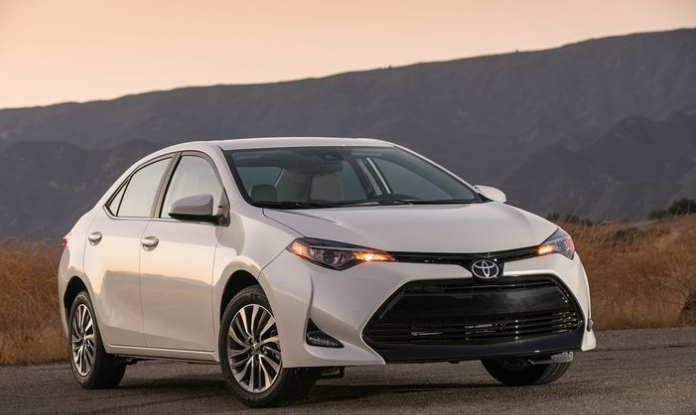
toyota corolla 2014-2019 Maintenance Schedule
Corolla maintenance here is genuinely simple -- oil and air filter changes cover the bulk of what keeps this generation reliable, matching its reputation as one of the easiest cars to own in Nigeria.
Fluids
| Service | Interval | Notes |
|---|---|---|
| Engine Oil & Filter Change Critical | 16,000 km / 12 mo 8,000 km if severe use | Regularly changing your engine oil and oil filter is fundamental to engine longevity. It ensures proper lubrication, reduces friction, and removes contaminants. Use SAE 0W-20 oil, as recommended by Toyota, with a capacity of approximately 4.2 liters. Neglecting this service can lead to accelerated engine wear, reduced fuel efficiency, and potential engine damage. Watch for low oil levels or dark, sludgy oil. |
| CVT Transmission Fluid Inspection/Change Critical | — 96,000 km if severe use | For normal driving conditions, many Toyota Corollas with CVT transmissions do not have a scheduled fluid change, only an inspection. However, under severe conditions like heavy towing, extensive idling, or frequent stop-and-go traffic, changing the CVT fluid every 96,000 km is crucial. This maintains the transmission's smooth operation and extends its lifespan. Watch for hesitant shifting or unusual noises. |
| Brake Fluid Flush/Replacement Critical | 48,000 km / 24 mo | Brake fluid is hygroscopic, meaning it absorbs moisture over time, which can reduce its boiling point and lead to a spongy brake pedal or compromised braking performance. Replacing the brake fluid every 2-3 years or 48,000-72,000 km ensures optimal braking efficiency and prevents corrosion within the brake system. This is a critical safety component that should not be overlooked. |
Filters
| Service | Interval | Notes |
|---|---|---|
| Engine Air Filter Replacement Critical | 48,000 km | The engine air filter prevents dust, dirt, and debris from entering your engine's combustion chamber. A clogged filter restricts airflow, leading to decreased engine performance, reduced fuel economy, and increased emissions. Replace it every 48,000 km or sooner if you frequently drive in dusty conditions. Inspecting it regularly can help you determine if an earlier replacement is needed. |
| Cabin Air Filter Replacement | 24,000 km | The cabin air filter cleans the air entering your vehicle's interior, improving air quality and protecting the HVAC system. A dirty filter can cause reduced airflow from the vents, musty odors, and can exacerbate allergies. Replace it every 24,000 to 48,000 km, or more frequently if you drive in polluted or dusty environments. This helps maintain a pleasant cabin atmosphere. |
| Fuel Filter Replacement (Diesel Engines) Critical | 40,000 km / 24 mo | For diesel-powered Corolla variants, the fuel filter is crucial for removing impurities and water from the diesel fuel before it reaches the engine's sensitive injection system. A clogged or compromised fuel filter can lead to reduced engine performance, rough idling, starting issues, and potential damage to the fuel injectors and turbocharger. Replace it regularly as per manufacturer guidelines. |
Electrical
| Service | Interval | Notes |
|---|---|---|
| Spark Plugs Replacement Critical | 190,000 km | Spark plugs are vital for igniting the air-fuel mixture in your engine. Over time, they wear down, leading to misfires, reduced fuel efficiency, and poor engine performance. Replacing them every 190,000 km ensures optimal combustion and reduces stress on ignition coils. Ignoring worn spark plugs can cause rough idling, acceleration issues, and trigger a Check Engine light. |
Belts
| Service | Interval | Notes |
|---|---|---|
| Drive (Serpentine) Belt Inspection Critical | 96,000 km | The serpentine belt powers essential accessories like the alternator, power steering pump (if applicable), and air conditioning compressor. Inspect the belt every 96,000 km for cracks, fraying, or excessive wear. A failing belt can lead to loss of power to these components, potentially causing overheating or battery drain. Replace it if any signs of degradation are present. |
Cooling
| Service | Interval | Notes |
|---|---|---|
| Coolant Replacement Critical | 96,000 km / 60 mo | Engine coolant prevents your engine from overheating and freezing, while also protecting against corrosion. Over time, its protective additives degrade. Replace the coolant every 5 years or 96,000-160,000 km, depending on the type and market recommendations. Neglecting this can lead to corrosion, blockages, and severe engine damage from overheating. Always use the specified coolant type. |
Suspension
| Service | Interval | Notes |
|---|---|---|
| Wheel Bearing & CV Boot Inspection Critical | 100,000 km | Regularly inspect wheel bearings and CV boots, especially after 100,000 km. Worn wheel bearings can cause humming or growling noises from the wheels, increasing with speed, and potential steering vibrations. Cracked CV boots allow grease to escape and contaminants to enter, leading to premature CV joint failure. Early detection can prevent more costly repairs and maintain safety. |
Tyres
| Service | Interval | Notes |
|---|---|---|
| Tire Rotation & Inspection | 10,000 km / 6 mo | Rotating your tires regularly helps ensure even wear across all four wheels, extending their lifespan and maintaining optimal traction and handling. During this service, technicians should inspect tire pressure, tread depth, and for any signs of damage or uneven wear patterns. Proper tire maintenance is essential for safety, fuel efficiency, and ride comfort. |
Brakes
| Service | Interval | Notes |
|---|---|---|
| Brake System Inspection Critical | 10,000 km / 6 mo | A thorough brake system inspection involves checking brake pads, rotors, calipers, and brake lines for wear, damage, or leaks. This regular check-up ensures your braking system is functioning optimally, providing reliable stopping power. Pay attention to any squealing, grinding, or a soft brake pedal, which are signs of potential issues requiring immediate attention. |
Inspection
| Service | Interval | Notes |
|---|---|---|
| General Vehicle Inspection Critical | 8,000 km / 6 mo | A comprehensive general vehicle inspection should be performed every 8,000 km or 6 months. This includes checking fluid levels (washer fluid), inspecting lights, wipers, battery terminals, exhaust system, and suspension components for wear or damage. This proactive approach helps identify minor issues before they escalate into major, costly repairs, ensuring overall vehicle health and safety. |
Upkeep Tips
Maintaining your 2014-2019 Toyota Corolla E170 properly will ensure its legendary reliability continues for many years. This applies whether you own a Toyota Corolla 2014, a Toyota Corolla 2017, or the final Toyota Corolla 2019 model of this generation. One of the most important preventive measures is to consistently check your engine oil level, especially once your vehicle has accumulated over 80,000 kilometers. Some engines may consume a small amount of oil between changes, and regular top-ups with the specified SAE 0W-20 oil can prevent low oil conditions that lead to severe engine wear. Keeping the cooling system clean and properly maintained is also crucial; use the correct type of engine coolant and adhere to the recommended flush intervals to prevent corrosion and overheating. The Toyota Corolla 2015, for instance, benefits greatly from diligent coolant checks to maintain optimal engine temperature.
Replacing spark plugs at the recommended 190,000 km interval is not just about maintaining engine performance; it also significantly reduces stress on your ignition coils, extending their lifespan and preventing misfires. During routine general vehicle inspections, pay close attention to the CV boots and wheel bearings, particularly as the odometer climbs past 100,000 km. Early detection of cracks in CV boots or noise from wheel bearings can save you from more expensive drivetrain or suspension repairs down the line. Owners of the Toyota Corolla 2016 should be mindful of these high-mileage wear items. If you own a diesel variant of the Corolla, the quality of your fuel and the regular replacement of the fuel filter are paramount to protect the sensitive turbocharger and fuel injectors from contamination.
For vehicles equipped with the infotainment system, make it a habit to keep the software updated if new firmware is available. If the system ever freezes or acts erratically, a simple reset (often by disconnecting the battery for a few minutes) can resolve many infotainment screen glitches. As your Corolla ages, whether it's a Toyota Corolla 2018 or an earlier model, it is wise to anticipate and budget for potential suspension components and cooling system maintenance. Items like struts, shock absorbers, and water pumps are wear items that will eventually require attention. Regular inspections of these areas can help you plan for replacements.
When purchasing parts, always ensure you source them from reputable dealers or trusted suppliers. This is particularly important for critical electronic components and sensors like oxygen sensors or MAF sensors, as substandard parts can lead to recurring issues or even damage other systems, potentially triggering a Check Engine light. If you are considering buying a used E170 Corolla, perform a thorough pre-purchase inspection. Specifically, test the touchscreen responsiveness, check for any active or pending misfire codes (using an OBD-II scanner), and meticulously inspect the cooling system for any signs of leaks or corrosion. By following these practical tips, you can maximize the lifespan and enjoyment of your Toyota Corolla.
Add-ons & Upgrades
OBD-II Scanner
An essential tool for diagnosing engine issues and reading diagnostic trouble codes (DTCs) that trigger the Check Engine light. It helps you understand potential problems early.
Shop on AmazonCar Battery Charger/Maintainer
Helps keep your car battery charged, especially if the vehicle is parked for extended periods. Prevents unexpected breakdowns due to a dead battery.
Shop on AmazonDigital Tire Pressure Gauge
Ensures accurate tire pressure readings, crucial for safety, fuel efficiency, and extending tire lifespan. Regular checks prevent uneven tire wear.
Shop on AmazonCar Detailing Kit
Includes products for cleaning and protecting your car's interior and exterior. Regular cleaning helps preserve the finish and maintain resale value.
Shop on AmazonAll-Weather Floor Mats
Protects your vehicle's carpet from dirt, spills, and wear, especially in harsh weather conditions. Easy to clean and maintain the interior's appearance.
Shop on AmazonDash Cam
Records footage while driving, providing valuable evidence in case of accidents or incidents. Offers peace of mind and can help with insurance claims.
Shop on AmazonWhere to Buy Parts
Frequently Asked Questions
What is the recommended engine oil for the Toyota Corolla 2014-2019 and how often should it be changed?+
For all 2014-2019 Toyota Corolla models, Toyota recommends using SAE 0W-20 synthetic engine oil. The standard interval for an engine oil and oil filter change is every 16,000 km (12 months) under normal driving conditions. However, if you frequently drive in severe conditions, such as extensive idling, towing, or very dusty environments, it is advisable to change the oil and filter every 8,000 km (6 months) to ensure optimal engine protection and longevity.
How often should I change the CVT transmission fluid in my Toyota Corolla E170?+
For the Toyota Corolla E170, particularly models like the Toyota Corolla 2015 and 2016 equipped with CVT transmissions, a scheduled fluid change is not always recommended under normal driving conditions; often, only an inspection is needed. However, under severe operating conditions such as heavy towing, frequent stop-and-go traffic, or driving in extreme temperatures, a CVT transmission fluid change is crucial every 96,000 km. This helps maintain smooth operation and extends the transmission's lifespan, preventing costly repairs.
What are the typical annual maintenance costs for a Toyota Corolla 2017?+
Annual maintenance costs for a Toyota Corolla 2017 are generally low, ranging from approximately $200 to $400 USD (₦300,000 to ₦600,000 NGN) for routine services like engine oil and filter changes, tire rotations, and general vehicle inspections. These estimates can vary based on your location, specific service provider, and whether you perform some DIY tasks. While the Toyota Corolla 2017 is known for its reliability, budgeting for these routine services is key to preventing larger expenses down the line.
Can I perform basic maintenance tasks like cabin air filter replacement on my Toyota Corolla 2018 myself?+
Yes, many basic maintenance tasks on a Toyota Corolla 2018, such as replacing the cabin air filter or engine air filter, are relatively simple and can be performed by a DIY enthusiast. Replacing the cabin air filter typically involves accessing it behind the glove compartment. Other tasks like checking fluid levels, inspecting tire pressure and tread depth, or even performing a tire rotation with the right tools, are also within the scope of a capable owner, helping to reduce overall low maintenance costs.
What are the warning signs that my Toyota Corolla 2019 needs brake service?+
If your Toyota Corolla 2019 exhibits symptoms such as squealing or grinding noises when braking, a soft or spongy brake pedal, vibrations through the steering wheel during braking, or if the vehicle pulls to one side, these are strong indicators that brake service is needed. A thorough brake system inspection should be performed promptly to check brake pads, rotors, calipers, and brake lines for wear or damage. Neglecting these signs can compromise safety and lead to more extensive repairs.
How important is coolant replacement for the longevity of the Toyota Corolla 2015's engine?+
Coolant replacement is critically important for the longevity of your Toyota Corolla 2015's engine. Over time, the protective additives in the engine coolant degrade, reducing its ability to prevent overheating, freezing, and internal corrosion. Neglecting to replace the coolant at the recommended interval (typically every 5 years or 96,000-160,000 km) can lead to corrosion, blockages within the cooling system, and potentially severe engine damage from overheating. Always use the specified coolant type for your E170 Corolla.
What common issues might trigger a Check Engine light on a Toyota Corolla E170, and what maintenance can prevent them?+
For the Toyota Corolla E170, including models like the Toyota Corolla 2014 and 2019, a Check Engine light can be triggered by issues such as faulty oxygen sensors (P0138, P0171), ignition coil failures leading to misfires (P0301-P0304), or evaporative emission system leaks (P0455, P0456). Regular maintenance like spark plugs replacement at recommended intervals, ensuring proper engine oil and filter changes, and addressing any fuel system concerns, especially for diesel variants with fuel filter replacement, can help prevent these common triggers.