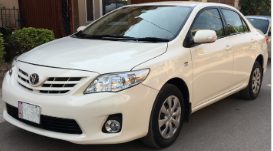
toyota corolla 2009-2013 Spare Parts & Pricing
Corolla parts from this era are about as easy to source as any vehicle in Nigeria, with alternators and starters stocked everywhere. A full headlight assembly is the one line item that costs more than you'd expect for a car this common.
Electrical
| Part | Price Range | Availability | Interval |
|---|---|---|---|
| Starter A critical component for starting your vehicle, a failing starter can leave you stranded. While OEM options offer guaranteed fit and quality, reputable aftermarket brands provide a more economical choice. Used starters are available but come with inherent risks regarding their remaining lifespan. Always consider the warranty when purchasing. | $198.99 – $366.91 | Widespread | Typically 100,000-150,000 miles or by failure |
| Alternator The alternator charges the battery and powers the electrical system when the engine is running. A failing alternator can lead to battery drain and electrical issues. OEM alternators are reliable, but quality remanufactured or new aftermarket units often provide excellent value. Always check for a warranty on replacement alternators. | $180 – $420 | Widespread | Typically 100,000-150,000 miles or by failure |
| Battery The battery provides power to start the engine and run accessories when the engine is off. Its lifespan is affected by extreme temperatures and driving habits. While Toyota OEM batteries are good, many reputable aftermarket brands offer excellent performance and warranties. Used batteries are generally not recommended due to uncertain lifespan. | $90 – $200 | Widespread | 3-5 years, depending on climate and usage |
Cooling System
| Part | Price Range | Availability | Interval |
|---|---|---|---|
| Radiator Essential for engine cooling, a leaking or clogged radiator can lead to overheating. OEM radiators ensure direct fit and performance, but quality aftermarket units are a viable alternative. Inspect regularly for cracks, especially on plastic end tanks. Timely replacement is crucial to prevent more severe engine damage. | $143.96 | Widespread | By failure, typically 80,000-120,000 miles |
| Water Pump The water pump circulates coolant through the engine and radiator. A failing pump can lead to overheating. OEM pumps are designed for longevity, but quality aftermarket options are widely available. Look for signs of leakage or noise as indicators of failure. Often replaced during major timing belt service, if applicable. | $70 – $220 | Widespread | Typically 60,000-100,000 miles or by failure/leak |
Exterior Trim
| Part | Price Range | Availability | Interval |
|---|---|---|---|
| Front Grille Emblem This emblem is primarily for aesthetic purposes and brand identification. OEM emblems provide the exact factory look and finish. Aftermarket alternatives may vary in quality and fit, but can be much cheaper. Used emblems are an option for budget-conscious owners, but check for fading or damage before purchase. | $37.6 | Good | By damage or aesthetic preference |
Body Panel
| Part | Price Range | Availability | Interval |
|---|---|---|---|
| Passenger Fender A body panel like the fender is typically replaced after collision damage. OEM fenders ensure perfect fitment and alignment with adjacent panels. Aftermarket fenders can be significantly cheaper but may require extra work during installation to achieve a factory-like fit and finish. Used parts are also an option, but matching color can be difficult. | $244.99 | Good | By collision damage |
Lighting
| Part | Price Range | Availability | Interval |
|---|---|---|---|
| Headlight Assembly Critical for visibility and safety, headlight assemblies can degrade over time due to UV exposure (hazing) or damage. OEM units offer superior light output and durability. Aftermarket options vary widely in quality and beam pattern. Ensure any replacement meets local regulations for safety and visibility. | $120 – $350 | Widespread | By damage, hazing, or electrical failure |
Brakes
| Part | Price Range | Availability | Interval |
|---|---|---|---|
| Brake Pads, Front Brake pads are wear items essential for safe stopping. OEM pads offer balanced performance and longevity. High-quality aftermarket pads can provide similar or even improved performance (e.g., lower dust, less noise). Used brake pads are never recommended due to safety concerns and unknown wear levels. | $45 – $120 | Widespread | 25,000-70,000 miles, depending on driving style |
| Brake Rotors, Front Brake rotors work with pads to stop the vehicle. They can wear thin or warp, causing vibration during braking. OEM rotors meet factory specifications for durability. Aftermarket options, including slotted or drilled variants, offer choices for performance or budget. Used rotors are not recommended for safety reasons. | $70 – $180 | Widespread | 50,000-100,000 miles or when worn/warped |
Engine Management
| Part | Price Range | Availability | Interval |
|---|---|---|---|
| Oxygen Sensor Oxygen sensors monitor exhaust gases to optimize fuel mixture and emissions. A faulty sensor can cause reduced fuel economy, increased emissions, and a check engine light. OEM sensors are recommended for precise readings, though quality aftermarket units from brands like Denso or Bosch are reliable. Consider replacing in pairs if multiple sensors are present. | $70 – $180 | Good | 60,000-100,000 miles or when check engine light illuminates |
| Mass Airflow Sensor (MAF) The MAF sensor measures the amount of air entering the engine, crucial for fuel calculation. A dirty or faulty MAF can cause rough idling, poor acceleration, and decreased fuel economy. Cleaning can sometimes resolve issues, but replacement with an OEM or high-quality aftermarket sensor is often necessary. Avoid cheap generic sensors. | $80 – $240 | Good | By failure, often 100,000+ miles |
Drivetrain
| Part | Price Range | Availability | Interval |
|---|---|---|---|
| CV Axle The CV axle transmits power from the transmission to the wheels. Torn boots allow dirt and moisture in, leading to joint failure, often indicated by clicking noises during turns. OEM or remanufactured axles with new boots are preferred. Aftermarket options are available, but ensure a good warranty is provided. | $90 – $240 | Widespread | By failure (torn boots, clicking noise during turns) |
Suspension
| Part | Price Range | Availability | Interval |
|---|---|---|---|
| Shock Absorber, each Shocks are vital for ride comfort and handling, dampening suspension movement. Worn shocks can lead to a bouncy ride, poor handling, and increased braking distance. OEM-grade shocks restore original ride characteristics. Quality aftermarket brands like KYB or Monroe offer excellent replacements. Consider replacing in pairs for balanced performance. | $60 – $180 | Widespread | 50,000-100,000 miles, depending on road conditions |
| Control Arm Control arms connect the wheel hub to the vehicle frame, allowing suspension movement. Worn bushings or ball joints can cause clunking noises, poor alignment, and uneven tire wear. Replacing the entire control arm is often easier and more cost-effective than replacing individual bushings or ball joints. OEM or reputable aftermarket brands are recommended. | $70 – $200 | Widespread | By failure (worn bushings, ball joint play) |
Ignition
| Part | Price Range | Availability | Interval |
|---|---|---|---|
| Spark Plug Set Spark plugs ignite the air-fuel mixture in the engine. Worn plugs can lead to misfires, reduced fuel economy, and poor engine performance. Always use the correct type of spark plug specified by Toyota (e.g., iridium). Used spark plugs are not recommended, as their lifespan and condition are unknown. Replace as a full set. | $25 – $90 | Widespread | 60,000-100,000 miles, depending on plug type |
Filters
| Part | Price Range | Availability | Interval |
|---|---|---|---|
| Cabin Air Filter The cabin air filter cleans the air entering the vehicle's interior, improving air quality and HVAC performance. A clogged filter can reduce airflow and introduce allergens. This is an inexpensive and easy-to-replace item. Used filters are not recommended as they are designed for single-use filtration and quickly become saturated with contaminants. | $10 – $30 | Widespread | 15,000-20,000 miles or annually |
| Engine Air Filter The engine air filter protects the engine from dust and debris, ensuring proper airflow for combustion. A dirty filter can reduce engine performance and fuel efficiency. This is a simple, affordable maintenance item. Regularly inspect and replace as recommended. Used filters are not recommended for effective engine protection. | $10 – $25 | Widespread | 15,000-30,000 miles |
Fuel System
| Part | Price Range | Availability | Interval |
|---|---|---|---|
| Fuel Pump The fuel pump delivers fuel from the tank to the engine. Symptoms of a failing pump include difficulty starting, stalling, or loss of power. OEM fuel pumps are known for reliability, but quality aftermarket units are common. Ensure professional installation, as this involves working with the fuel system. Used fuel pumps carry significant risk. | $90 – $260 | Good | By failure, often 100,000+ miles |
Buying Guide
When considering a used 2009–2013 Toyota Corolla, prospective buyers should be aware of common issues that can affect reliability and ownership costs. While the Toyota Corolla 2009 is generally a dependable vehicle, certain mechanical and electrical components may require attention as the car ages. The E140/E150 generation, encompassing these model years, has seen recurring complaints regarding excessive oil consumption, which can be particularly pronounced in the earlier models like the Toyota Corolla 2009 and Toyota Corolla 2010. This issue, often linked to internal engine wear or piston ring problems, can lead to significant oil level drops and potential engine damage if not monitored and addressed. Many owners report needing to frequently check and top up the engine oil between scheduled services. Transmission problems, especially with automatic gearboxes, are another area of concern for the Toyota Corolla 2011 and subsequent years. Issues can range from hesitant engagement and slipping to more severe failures requiring costly repairs or replacement. Regular maintenance of the transmission fluid is crucial to mitigate these risks. Cooling system failures, including radiator leaks, thermostat issues, and water pump wear, are also frequently reported across the 2009-2013 range. Overheating can quickly lead to severe engine damage, making regular inspection of hoses, the radiator, and coolant levels a priority. Safety recalls, such as the one affecting the airbag system on certain 2009–2010 Toyota Corolla vehicles due to a faulty steering column spiral cable, must be verified and addressed by Toyota at no cost. Neglecting these recalls can compromise vehicle safety. When inspecting a potential purchase, pay close attention to the vehicle's maintenance history. A well-documented service record indicating regular oil changes, fluid flushes, and timely replacement of wear items like brake pads and rotors, suspension components, and spark plugs will significantly increase the likelihood of a reliable ownership experience. For the Toyota Corolla 2012 and Toyota Corolla 2013 models, while potentially having fewer miles or being in slightly better condition, the same core mechanicals and potential issues apply. Always insist on a pre-purchase inspection by an independent mechanic who is familiar with Toyota vehicles. They can identify existing problems and potential future issues, providing a clearer picture of the vehicle's true condition and any immediate or upcoming repair needs. Understanding the cost of ownership, including potential repair expenses for common issues like oil consumption or transmission work, is vital for making an informed decision. Sourcing parts for potential repairs, such as a replacement starter or alternator, should be considered within the overall budget for any used vehicle. The availability of affordable aftermarket brake pads and rotors can help manage maintenance costs, but critical components like the fuel pump or water pump may warrant a closer look at OEM or premium aftermarket options for reliability.
Common Accessories
OBD-II Scanner
A crucial tool for diagnosing check engine lights and other vehicle issues. It allows you to read trouble codes and monitor live sensor data, helping to pinpoint problems quickly.
Shop on AmazonCar Cover
Protects your vehicle's exterior from dust, dirt, sun damage, and light scratches when parked outdoors or in storage.
Shop on AmazonJumper Cables
Essential for jump-starting a dead battery. Ensure you have a quality set with sufficient gauge wire for reliable performance.
Shop on AmazonTire Pressure Gauge
Helps maintain optimal tire pressure, which is crucial for safety, fuel efficiency, and tire longevity. Regular checks are recommended.
Shop on AmazonBasic Tool Kit
A fundamental set of tools for minor repairs and maintenance tasks, such as changing a battery or replacing filters. Should include wrenches, screwdrivers, and pliers.
Shop on AmazonWindshield Wipers
Replacement wiper blades ensure clear visibility during rain or snow. It's recommended to replace them annually or when they show signs of wear.
Shop on AmazonWhere to Buy Parts
Frequently Asked Questions
What are the most common replacement parts for a 2009-2013 Toyota Corolla?+
Common replacement parts for the 2009-2013 Toyota Corolla include brake pads and rotors, battery, alternator, starter, CV axles, shock absorbers, oxygen sensors, and various filters like the engine air and cabin air filters. Due to known issues, owners may also frequently need parts related to the cooling system (radiator, water pump) and potentially engine components if oil consumption is severe. Regular maintenance items like spark plugs and fluids are also essential.
Where can I buy genuine Toyota Corolla parts?+
Genuine Toyota parts can be purchased from authorized Toyota dealerships. Many dealerships also have an online presence where you can order parts. For convenience and potentially competitive pricing, reputable online OEM parts suppliers specializing in Toyota vehicles are also a good option. Always ensure you are buying from a trusted source to guarantee authenticity.
How do I know if an aftermarket part will fit my 2011 Toyota Corolla?+
To ensure an aftermarket part fits your 2011 Toyota Corolla, always check the part's compatibility information provided by the manufacturer or seller. This usually involves matching the year, make, model, and sometimes specific engine or transmission codes. Providing your vehicle's VIN to the seller can also help confirm fitment. Reading customer reviews can offer insights into the actual fit and quality of aftermarket parts.
What is the price range for common maintenance parts like brake pads or filters for a 2012 Toyota Corolla?+
For a 2012 Toyota Corolla, front brake pads typically range from $45 to $120 USD, while brake rotors can cost between $70 and $180 USD. Engine air filters are usually $10-$25 USD, and cabin air filters are similarly priced at $10-$30 USD. Prices can vary based on brand, quality, and supplier, with aftermarket options generally being more affordable than OEM parts.
Are there any specific parts I should inspect on a 2013 Toyota Corolla before buying?+
Before buying a 2013 Toyota Corolla, pay special attention to the cooling system components (radiator, hoses, water pump) for any signs of leaks or degradation. Check for oil consumption by looking at exhaust smoke and verifying oil levels. Inspect the transmission for smooth shifting and listen for any unusual noises. Also, confirm that any safety recalls, particularly for the airbag system on earlier models, have been addressed.
How does the cost of OEM vs. aftermarket parts compare for a 2009 Toyota Corolla?+
OEM parts for a 2009 Toyota Corolla generally cost more than aftermarket alternatives. For instance, an OEM starter might be at the higher end of the $200-$370 USD range, while a quality aftermarket unit could be found towards the lower end. Similarly, brake components, filters, and other wear items often present significant cost savings with aftermarket options, though it's essential to balance price with quality and warranty.
What is the typical lifespan of a battery for a 2010 Toyota Corolla?+
The typical lifespan of a battery for a 2010 Toyota Corolla is generally between 3 to 5 years. This can be influenced by factors such as climate (extreme heat or cold can shorten battery life), driving habits, and the quality of the battery itself. Regular checks and replacement when performance declines are recommended.
Also worth reading
toyota corolla 2009-2013 Common Issues