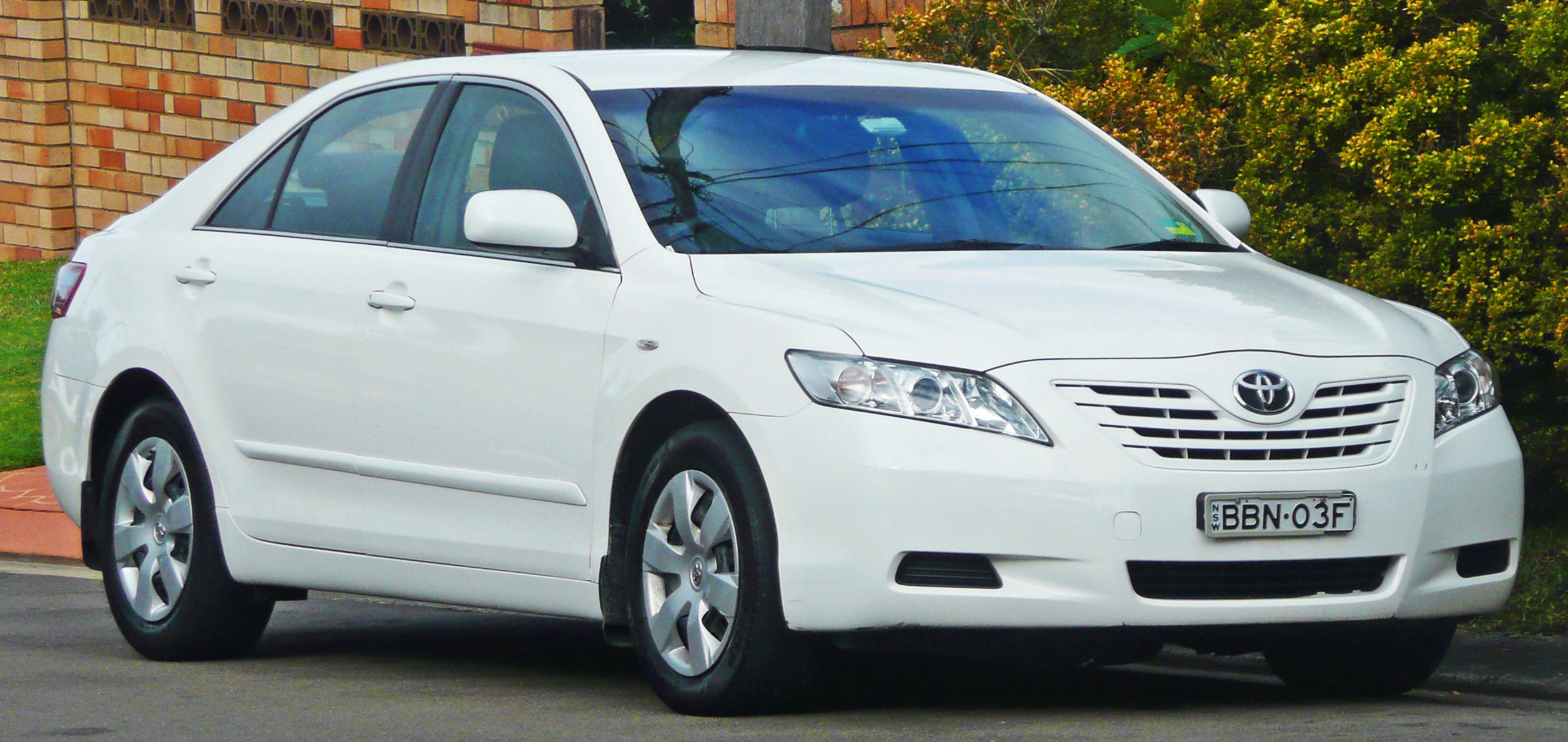
toyota camry 2007-2011 Spare Parts & Pricing
The sixth-generation Toyota Camry, codenamed XV40, arrived for the 2007 model year, marking a significant evolution for Toyota's popular mid-size sedan. While designed with the North American market as a primary focus, its global production and sales footprint extended across Japan, China, Australia, Russia, and other regions. This generation represented a bolder design language, featuring a more assertive exterior styling, an increased wheelbase for enhanced interior space and ride comfort, and an overall uplift in cabin materials and perceived quality compared to its predecessor, the XV30. The XV40 Camry aimed to blend comfort, reliability, and a touch of sportiness, particularly in its SE trims, while continuing to appeal to a broad demographic seeking dependable transportation. Globally, production of the XV40 generation spanned from 2006 to 2011, with vehicles sold as 2007 through 2011 models. While the core markets saw these model years, some regions continued production or sales beyond 2011. This generation offered a range of powertrain options to suit different needs and preferences. The most common engine globally was the reliable 2.4-liter 2AZ-FE inline-four, available with either a 5-speed automatic or a 5-speed manual transmission. For those seeking more power, a potent 3.5-liter 2GR-FE V6 engine was offered, paired exclusively with a 6-speed automatic transmission. A more eco-conscious option was the 2.4-liter hybrid variant, the 2AZ-FXE, which combined the gasoline engine with an electric motor and a continuously variable transmission (CVT) for improved fuel efficiency. In terms of market positioning and trims, the XV40 Camry was offered in various configurations. In the United States, for example, the 2.4L engine was available in CE, LE, SE, and XLE trims, while the V6 was offered in SE V6 and XLE V6 variants. The hybrid model was typically found in the well-appointed XLE Hybrid trim. The Camry's platform was shared with other notable Toyota and Lexus models, including the second-generation Toyota RAV4, the Lexus ES330/ES350 (though with different tuning), and the Toyota Aurion in specific international markets. This shared architecture contributed to its robust build and predictable handling characteristics. Despite its generally strong reputation for reliability, like any vehicle, the XV40 Camry has specific common issues that owners and prospective buyers should be aware of, particularly concerning the 2.4L engine's oil consumption and potential dashboard degradation.
Engine Components
| Part | Price Range | Availability | Interval |
|---|---|---|---|
| Piston Ring Set (2AZ-FE) Essential for addressing excessive oil consumption in the 2AZ-FE engine. OEM parts offer guaranteed fit and performance, while aftermarket options can provide cost savings. Used sets are available but carry risk of premature wear. | $40 – $125 | Widely available | N/A (repair item) |
| Full Piston Set Often replaced alongside piston rings if significant cylinder wall damage or wear is detected. OEM sets are more expensive but ensure optimal engine performance and longevity. | $150 – $400 | Available | N/A (repair item) |
| Cylinder Head (complete) Required for severe engine damage, such as blown head gaskets or valve issues. Aftermarket heads can be significantly cheaper than OEM, but quality varies. Used heads are a budget option but require thorough inspection. | $800 – $1.8k | Available | N/A (repair item) |
| Timing Chain Kit (V6) Includes tensioners, guides, and chain for the 2GR-FE V6 engine. Addressing timing chain rattle early is crucial to prevent catastrophic engine failure. OEM kits are pricier but recommended for critical components. | $150 – $500 | Available | N/A (repair item) |
Suspension Parts
| Part | Price Range | Availability | Interval |
|---|---|---|---|
| Front Strut Replace in pairs for balanced handling. Aftermarket struts offer significant cost savings. Worn struts impact ride comfort, handling, and tire wear. Used parts are an option for budget-conscious repairs. | $80 – $250 | Widely available | 80,000 - 120,000 miles |
| Rear Shock Similar to front struts, replacing rear shocks in pairs ensures consistent ride quality and stability. Aftermarket options are plentiful. Consider used parts for temporary fixes or very tight budgets. | $30 – $200 | Widely available | 80,000 - 120,000 miles |
| Control Arm (front) Integral to suspension geometry and wheel alignment. Worn control arms lead to poor handling and tire wear. Aftermarket parts are common and often more affordable. Used parts should be carefully inspected for damage. | $100 – $280 | Available | 100,000 - 150,000 miles |
| Ball Joint A critical pivot point in the suspension. Failure can be dangerous. Often replaced as part of a control arm assembly, but individual replacements are possible. Aftermarket and used options are readily available. | $15 – $120 | Widely available | 70,000 - 100,000 miles |
Brake Components
| Part | Price Range | Availability | Interval |
|---|---|---|---|
| Front Brake Pads Standard wear item. OEM pads offer a balance of performance and longevity. Aftermarket options range from budget-friendly to high-performance. Used pads are generally not recommended due to unknown wear. | $15 – $150 | Widely available | 30,000 - 50,000 miles |
| Rear Brake Pads Similar to front pads, these are routine wear items. Consider replacing rotors if they are significantly worn or grooved when changing pads. Aftermarket pads are a common and cost-effective choice. | $15 – $130 | Widely available | 30,000 - 50,000 miles |
| Front Brake Disc Rotors should be inspected for thickness and runout when replacing pads. OEM rotors are durable, while aftermarket options offer good value. Used rotors are generally not recommended due to potential warping. | $60 – $200 | Widely available | 60,000 - 100,000 miles |
| Rear Brake Disc Rear rotors experience less stress than front ones but still require attention. Check for excessive wear or warping. Aftermarket rotors are common. Used parts are an option if in excellent condition. | $50 – $180 | Widely available | 60,000 - 100,000 miles |
Steering Components
| Part | Price Range | Availability | Interval |
|---|---|---|---|
| Steering Rack A complex and expensive component. Leaks or play in the steering rack require prompt attention. Reconditioned or remanufactured units can offer significant savings over new OEM. Used racks are a gamble. | $300 – $900 | Available | 150,000+ miles (or when faulty) |
| Tie Rod End Connects the steering rack to the steering knuckle. Worn tie rod ends affect alignment and steering precision. Often replaced in pairs. Aftermarket options are readily available and affordable. Used parts are less common. | $20 – $150 | Widely available | 70,000 - 100,000 miles |
| Steering Shaft Transmits steering input from the column to the rack. Issues usually involve U-joint wear causing clunks or stiffness. Aftermarket and used parts are available, but OEM is preferred for critical steering components. | $120 – $350 | Available | 150,000+ miles (or when faulty) |
Electrical Parts
| Part | Price Range | Availability | Interval |
|---|---|---|---|
| Alternator Crucial for charging the battery and powering electrical systems. Failure leads to battery drain and potential stalling. Remanufactured alternators offer a good balance of cost and reliability. Used units are common. | $120 – $400 | Widely available | 100,000 - 150,000 miles (or when faulty) |
| Starter Motor Engages the engine to start. Symptoms of failure include clicking noises or no response when turning the key. Remanufactured starters are a popular cost-effective choice. Used starters are also available. | $100 – $350 | Widely available | 100,000 - 150,000 miles (or when faulty) |
| ECU (Engine Control Unit) The 'brain' of the engine. Replacement is rare and usually due to electrical damage or specific failures. Often requires programming to the vehicle. Used ECUs are available but may need re-flashing. | $300 – $1.0k | Available | N/A (repair item) |
Sensors
| Part | Price Range | Availability | Interval |
|---|---|---|---|
| Sensor Set (O2, MAF, TPS, etc.) Includes various sensors critical for engine management. Failures can cause check engine lights, poor performance, and reduced fuel economy. Aftermarket sensors are common and often much cheaper than OEM. | $50 – $300 | Widely available | 100,000 - 150,000 miles (or when faulty) |
| O2 Sensor Monitors exhaust gases to optimize fuel mixture. Failure impacts fuel economy and emissions. Aftermarket sensors are common and generally reliable. Replace as needed, usually one at a time. | $60 – $200 | Widely available | 100,000 - 150,000 miles (or when faulty) |
| MAF Sensor Measures airflow into the engine. A dirty or faulty MAF sensor can cause rough idling, stalling, and poor acceleration. Cleaning might work temporarily, but replacement is often necessary. Aftermarket sensors are affordable. | $80 – $250 | Widely available | 100,000 - 150,000 miles (or when faulty) |
| TPS (Throttle Position Sensor) Reports throttle opening to the ECU. A faulty TPS can cause erratic acceleration, stalling, and transmission shifting issues. Aftermarket TPS sensors are widely available and cost-effective. | $50 – $180 | Widely available | 100,000 - 150,000 miles (or when faulty) |
Cooling System
| Part | Price Range | Availability | Interval |
|---|---|---|---|
| Water Pump Essential for engine cooling. Leaks or bearing failure requires replacement. Often replaced concurrently with the timing belt on other models, but on the XV40, it's typically an independent service. Aftermarket options are good. | $80 – $250 | Widely available | 90,000 - 120,000 miles |
| Radiator Dissipates heat from the coolant. Leaks or blockages can lead to overheating. Aftermarket radiators offer significant cost savings over OEM units. Used radiators are an option if in good condition. | $100 – $350 | Available | 100,000 - 150,000 miles (or when leaking) |
| Thermostat Regulates engine operating temperature. A stuck thermostat (open or closed) can cause overheating or poor heating. Relatively inexpensive and easy to replace. Aftermarket brands are reliable. | $30 – $120 | Widely available | 60,000 - 90,000 miles |
Fuel System
| Part | Price Range | Availability | Interval |
|---|---|---|---|
| Fuel Pump Delivers fuel from the tank to the engine. Failure causes starting issues or stalling. Often replaced as an assembly including the sending unit. Aftermarket pumps are significantly cheaper than OEM. | $120 – $400 | Available | 100,000 - 150,000 miles (or when faulty) |
| Fuel Filter Prevents contaminants from reaching the injectors. Clogged filters can cause poor acceleration and starting problems. Relatively inexpensive and straightforward to replace on most models. OEM and aftermarket are equally viable. | $10 – $80 | Widely available | 30,000 - 60,000 miles |
| Fuel Injectors (set) Spray fuel into the combustion chamber. Clogged or faulty injectors affect performance and fuel economy. Replacement is often done as a set. Aftermarket injectors can save money, but ensure compatibility and quality. | $200 – $700 | Available | 150,000+ miles (or when faulty) |
Transmission Components
| Part | Price Range | Availability | Interval |
|---|---|---|---|
| Transmission Fluid Crucial for transmission longevity and smooth operation. Use only the specified fluid type (e.g., Toyota WS). Regular changes are vital, especially for the automatic transmissions. Price is per liter. | $8 – $25 | Widely available | 60,000 - 100,000 miles |
| Solenoid Pack Controls fluid flow within the automatic transmission. Faulty solenoids cause shifting problems. Aftermarket options are significantly cheaper than OEM. Used units are available but carry risk. | $150 – $600 | Available | N/A (repair item) |
| Full Transmission (rebuilt) A major repair for severe transmission issues. Rebuilt units offer a cost-effective alternative to new OEM transmissions. Ensure the rebuild comes with a warranty. Used transmissions are the cheapest but riskiest option. | $1.2k – $3.5k | Available | N/A (repair item) |
Body Components
| Part | Price Range | Availability | Interval |
|---|---|---|---|
| Front Bumper Cover Primarily replaced after accidents. Aftermarket covers are significantly cheaper than OEM and often come unpainted, requiring professional bodywork. Used covers are an option if undamaged. | $200 – $700 | Available | N/A (accident repair) |
| Headlight (pair) Replace due to accidents or UV degradation/hazing. Aftermarket headlights are much more affordable than OEM. Ensure they meet local lighting regulations. Used headlights are common. | $250 – $900 | Available | N/A (accident repair or degradation) |
| Tail Light (pair) Typically replaced after rear-end collisions or if lenses become brittle and crack. Aftermarket options provide cost savings. Used tail lights are readily available. | $200 – $700 | Available | N/A (accident repair or degradation) |
| Door (with trim) Major body panel replacement, usually due to severe damage. Aftermarket doors are available but costly; used doors from salvage yards are the most common and economical choice. Ensure proper fit and color match. | $400 – $1.4k | Available | N/A (accident repair) |
Service Items
| Part | Price Range | Availability | Interval |
|---|---|---|---|
| Oil (5L, 5W-30) Use high-quality synthetic or semi-synthetic oil. The 5W-30 viscosity is common, but 10W-30 might be considered for hotter climates or to mitigate oil consumption. Price is for a typical 5-liter container. | $25 – $60 | Widely available | 3,000 - 5,000 miles (recommended for 2AZ-FE) |
| Oil Filter Replace with every oil change. OEM filters offer proven quality, but reputable aftermarket brands are equally effective and more affordable. Essential for keeping engine oil clean. | $8 – $25 | Widely available | 3,000 - 5,000 miles (with oil change) |
| Air Filter Keeps dust and debris out of the engine intake. Clogged filters reduce performance and fuel economy. Easy to replace DIY. Aftermarket options are plentiful and inexpensive. | $12 – $45 | Widely available | 15,000 - 30,000 miles |
Ignition
| Part | Price Range | Availability | Interval |
|---|---|---|---|
| Spark Plugs (set) Iridium spark plugs are standard and long-lasting. Worn plugs cause misfires, rough idle, and poor fuel economy. Replace as a set. OEM plugs are recommended for optimal performance. | $30 – $100 | Widely available | 90,000 - 120,000 miles |
Buying Guide
When considering a used 2007-2011 Toyota Camry (XV40), particularly in markets like Nigeria where it's a popular choice, a thorough inspection and understanding of its common issues are paramount. While generally lauded for reliability, this generation has specific weak points that can significantly impact ownership costs and satisfaction. The most critical area to scrutinize is the 2.4-liter 2AZ-FE engine, which is notorious for excessive oil consumption. This issue stems from faulty piston rings that allow oil to seep into the combustion chamber. Symptoms include a rapidly dropping oil level, the need to frequently top up oil (sometimes a quart every 1,000-1,500 miles), and in severe cases, engine knocking or blue smoke from the exhaust. Toyota acknowledged this with Technical Service Bulletins (TSBs), but not a full recall. If a car exhibits this problem, budget for a costly repair, such as piston ring replacement (around $2,400-$2,700 or ₦3.5M-₦4.5M for parts and labor). When inspecting a 2.4L model, check the oil level immediately, ask about oil consumption history, and listen for any unusual engine noises. Ideally, look for a vehicle with a documented history of frequent oil changes (every 3,000-5,000 miles) and possibly an oil consumption test. The 3.5L V6 (2GR-FE) engine is generally more robust and avoids the oil consumption issue, though it can suffer from timing chain rattle on cold starts, requiring a potentially expensive timing chain and tensioner replacement ($1,200-$2,000 or ₦1.8M-₦3.0M). The hybrid variant offers great fuel economy but introduces complexity; battery health is a major long-term concern, and replacement can be very costly ($2,000-$4,000+).
Beyond the engine, other common issues include the dashboard material degrading, becoming sticky, cracked, or chalky, especially in hot climates. This is primarily an aesthetic and comfort issue, addressed by replacing the dashboard pad (around $500-$700 or ₦750k-₦1.1M with labor). Transmission problems can also arise, manifesting as hesitation, harsh shifts, or slipping. This could be due to worn internal components, solenoid issues, or simply old, contaminated fluid. A fluid and filter change might help, but a full rebuild can cost $1,500-$2,500 (₦2.2M-₦3.5M). Inspect transmission fluid condition and check for smooth operation across all gears. The air conditioning system is another area to check; poor cooling or leaks from the evaporator ($600-$1,200 or ₦900k-₦1.8M for repair) can be a significant comfort issue, especially in tropical weather.
When evaluating a specific car, pay close attention to the suspension and brakes. Worn front struts ($300-$500 or ₦450k-₦750k for a pair with installation) are common, leading to a bouncy ride and poor handling. Check for clunks, rattles, or uneven tire wear. Brake pads and rotors are wear items, but ensure they haven't been excessively worn or damaged ($300-$500 or ₦450k-₦750k for front pads and discs with labor). Electrical components like the alternator and starter motor typically last well over 100,000 miles but can eventually need replacement ($350-$550 or ₦525k-₦825k for alternator with install; $250-$450 or ₦375k-₦675k for starter with install). Always verify the functionality of lights, power windows, locks, and the infotainment system.
Maintenance history is absolutely critical for the XV40 Camry. A car with a comprehensive service record, especially one that addresses the 2.4L oil consumption proactively or demonstrates diligent oil level monitoring, is far more desirable. In Nigeria, where road conditions can be harsh and repairs can be expensive, prioritizing a well-maintained vehicle with fewer signs of the common issues is key. Look for cars that have had regular fluid changes (oil, transmission, coolant) and component inspections. Consider the total cost of ownership, factoring in potential repairs. While the Camry is known for its longevity, neglecting known problems, especially the oil consumption issue, can quickly turn a seemingly good deal into a financial burden. Buyers should also be aware of the price differences between OEM, aftermarket, and used parts. While OEM parts offer peace of mind, quality aftermarket components can provide substantial savings. Used parts are the cheapest but carry the highest risk. Always aim for a pre-purchase inspection by a trusted mechanic who is familiar with Toyota vehicles.
Where to Buy Parts
Frequently Asked Questions
Is the 2007 Toyota Camry 2.4L reliable in Nigeria?+
The 2007 Toyota Camry with the 2.4L 2AZ-FE engine has a reliability concern regarding excessive oil consumption due to defective piston rings. This requires vigilant monitoring of oil levels and more frequent oil changes (every 3,000-5,000 miles) in hot climates like Nigeria. While the core mechanics are solid, this specific issue can lead to significant repair costs if neglected. Buyers should carefully inspect for signs of oil consumption and prioritize vehicles with a documented maintenance history addressing this potential problem.
What is the most common problem with the 2008 Toyota Camry?+
The most prevalent issue reported for the 2008 Toyota Camry, particularly models with the 2.4L 2AZ-FE engine, is excessive oil consumption. This is attributed to faulty piston rings that allow oil to enter the combustion chamber. Owners may need to add a quart of oil every 1,000 to 1,500 miles. While not a safety recall, it's a known defect that can lead to severe engine damage if unaddressed. Repairing this often involves replacing piston rings or, in worst-case scenarios, the entire engine, making it a costly repair.
How reliable is the 2010 Toyota Camry V6 compared to the 2.4L?+
The 2010 Toyota Camry V6 (2GR-FE engine) is generally considered more reliable than the 2.4L (2AZ-FE) variant, primarily because it does not suffer from the widespread oil consumption issue. While the V6 can develop timing chain rattle on cold starts, it's typically less problematic than the 2AZ-FE's piston ring defect. The V6 offers stronger performance but consumes more fuel. For long-term engine durability, the V6 is often preferred, provided it has been maintained correctly and doesn't exhibit signs of the timing chain issue.
What are the typical repair costs for a used Toyota Camry in Nigeria?+
Repair costs for a used 2007-2011 Toyota Camry in Nigeria can vary significantly. Major engine repairs like fixing oil consumption (piston rings) can range from ₦3.5M to ₦4.5M. Transmission rebuilds might cost between ₦2.2M and ₦3.5M. For the V6, timing chain repairs can be ₦1.8M to ₦3.0M. Dashboard replacement is around ₦750k to ₦1.1M. Routine maintenance like oil changes is much more affordable, typically ₦60k to ₦120k. Budgeting an extra ₦500k to ₦1M for initial repairs and inspections on a used Camry is advisable, especially if its maintenance history is unknown.
How often should I service a 2007–2011 Toyota Camry in Nigeria?+
Given Nigeria's hot climate and potential for dust and poor fuel quality, it's recommended to service the 2007–2011 Toyota Camry more frequently than the standard schedule. Oil and filter changes should ideally occur every 3,000–5,000 miles or 3–4 months, rather than the longer intervals suggested for milder climates. Transmission fluid should be replaced around every 40,000–60,000 miles. Coolant flushes every 4 years and regular inspections of brakes, suspension, and filters are also crucial to ensure longevity and prevent issues like oil consumption.
Also worth reading
toyota camry 2007-2011 Common Issues