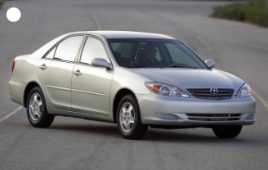
toyota camry 2002-2006 Spare Parts & Pricing
One of the most common Camry generations on Nigerian roads, so parts supply here is about as good as it gets -- alternators, fuel pumps, and radiators are stocked by nearly every serious parts dealer.
Engine Components
| Part | Price Range | Availability | Interval |
|---|---|---|---|
| Valve cover gasket A common source of oil leaks on both 2.4L and 3.0L engines due to gasket hardening over time. Replacement is a moderate DIY job. OEM or quality aftermarket gaskets are recommended. | $60 – $100 | Widely available (OEM, aftermarket, used) | Inspected every 10,000 miles |
| Head gasket Specifically problematic on the 2.4L 2AZ-FE engine, leading to coolant loss and overheating. Repair can be complex, especially if cylinder head bolt threads are stripped. OEM quality is crucial for reliability. | $120 – $200 | Widely available (OEM, aftermarket) | As needed (critical failure) |
| Timing belt Applicable to V6 engines only. This is a critical maintenance item; failure can cause severe engine damage. Always use high-quality OEM or reputable aftermarket parts. | $120 – $180 | Widely available (OEM, aftermarket) | 60,000 miles (V6) |
| Water pump Part of the cooling system, often replaced when the timing belt is serviced on V6 models. A failing water pump can lead to overheating. OEM or high-quality aftermarket is recommended. | $150 – $250 | Widely available (OEM, aftermarket) | Typically with timing belt (V6), or as needed |
| Serpentine belt Also known as the accessory drive belt. Squealing noises, especially on cold starts, often indicate a worn belt or tensioner. Relatively inexpensive and straightforward to replace. | $60 – $100 | Widely available (OEM, aftermarket) | Inspected every 60,000 miles |
Sensors
| Part | Price Range | Availability | Interval |
|---|---|---|---|
| Oxygen sensor Essential for emission control and fuel efficiency. A failing oxygen sensor can cause a check engine light and poor fuel economy. OEM or reputable aftermarket brands are preferred. | $120 – $200 | Widely available (OEM, aftermarket) | As needed (check engine light) |
Suspension
| Part | Price Range | Availability | Interval |
|---|---|---|---|
| Front strut Affects ride comfort, handling, and tire wear. Worn struts can lead to a bouncy ride and reduced control. Aftermarket options often provide good value. | $150 – $250 | Widely available (OEM, aftermarket) | 100,000-150,000 miles |
| Rear strut Similar to front struts, worn rear struts impact ride quality and stability. Replacing them can significantly improve the vehicle's feel and handling. | $120 – $200 | Widely available (OEM, aftermarket) | 100,000-150,000 miles |
| Control arm (front) Critical for wheel alignment and steering stability. Worn bushings or ball joints in the control arm can cause clunking noises and uneven tire wear. | $150 – $250 | Widely available (OEM, aftermarket) | As needed (wear/damage) |
| Coil spring (rear) Supports the vehicle's weight. Some 2006 Camry models have reported coil spring breakage. Replacing a broken spring is essential for safety and ride height. | $100 – $180 | Widely available (OEM, aftermarket) | As needed (breakage/sagging) |
| Sway bar link Connects the sway bar to the suspension. Worn links can cause clunking noises over bumps and reduced handling stability. Relatively inexpensive to replace. | $40 – $80 | Widely available (OEM, aftermarket) | As needed (noise/looseness) |
Brakes
| Part | Price Range | Availability | Interval |
|---|---|---|---|
| Front brake pads Wear item crucial for stopping power. Regular inspection and replacement are vital for safety. Quality aftermarket pads often offer good performance and value. | $60 – $100 | Widely available (OEM, aftermarket) | 30,000-70,000 miles |
| Front brake rotor Should be inspected with every pad replacement. Can be resurfaced if within minimum thickness, but often replaced for optimal braking performance. Aftermarket options are plentiful. | $80 – $150 | Widely available (OEM, aftermarket) | 70,000-100,000+ miles |
Electrical Parts
| Part | Price Range | Availability | Interval |
|---|---|---|---|
| Headlamp switch Known issue with corrosion causing flickering or intermittent headlight operation. An Australian recall addressed this. Replacing the switch is the recommended fix for safety. | $80 – $150 | Widely available (OEM, aftermarket) | As needed (flickering/failure) |
| Alternator Responsible for charging the battery and powering the vehicle's electrical systems when the engine is running. A failing alternator can lead to battery drain and electrical issues. OEM or quality rebuilt units are best. | $250 – $400 | Widely available (OEM, aftermarket, rebuilt) | As needed (charging system failure) |
Cooling System
| Part | Price Range | Availability | Interval |
|---|---|---|---|
| Radiator Key component in the cooling system, dissipating heat from the engine coolant. Leaks or blockages can lead to overheating. OEM or high-quality aftermarket radiators are recommended. | $200 – $350 | Widely available (OEM, aftermarket) | As needed (leakage/damage) |
Fuel System
| Part | Price Range | Availability | Interval |
|---|---|---|---|
| Fuel pump Delivers fuel from the tank to the engine. A failing fuel pump can cause starting difficulties or engine stalling. OEM or high-quality aftermarket units are recommended for reliability. | $250 – $400 | Widely available (OEM, aftermarket) | As needed (starting/fuel delivery issues) |
Transmission
| Part | Price Range | Availability | Interval |
|---|---|---|---|
| Transmission fluid (4L) Crucial for transmission lubrication and operation. Using the correct type of fluid (Toyota Type IV or equivalent) and adhering to change intervals is vital for transmission longevity. | $60 – $100 | Widely available (OEM, aftermarket) | 60,000-100,000 miles |
Service Items
| Part | Price Range | Availability | Interval |
|---|---|---|---|
| Engine oil (5L) Regular oil changes are the most critical maintenance item for engine longevity. Use recommended viscosity and quality oil. More frequent changes may be advisable in harsh conditions. | $40 – $70 | Widely available (OEM, aftermarket) | 5,000 miles (8,000 km) or 6 months |
| Oil filter Filters contaminants from engine oil. Always replace with every oil change to maintain engine health. OEM or reputable aftermarket filters are recommended. | $15 – $30 | Widely available (OEM, aftermarket) | With every oil change |
Buying Guide
The 2002-2006 Toyota Camry, known internally as the XV30, represents a significant chapter in the model's history, offering a blend of comfort, reliability, and refined driving dynamics that made it a benchmark in the mid-size sedan segment. When considering a purchase, understanding the nuances of each model year and its specific components is crucial for any potential owner or enthusiast.
The engine lineup for the XV30 generation primarily featured the 2.4-liter 2AZ-FE four-cylinder engine, known for its fuel efficiency and VVT-i technology, producing around 152-157 horsepower. While generally dependable, this engine is susceptible to head gasket failures and stripped cylinder head bolt threads, issues that owners of the Toyota Camry 2002 through Toyota Camry 2006 should be aware of. These problems can lead to significant coolant loss and overheating, making regular coolant level checks and prompt attention to any temperature anomalies vital.
For those seeking more power, the 3.0-liter 1MZ-FE V6 engine was available, delivering 186-210 horsepower. This V6 is typically robust but requires diligent maintenance, particularly regarding the timing belt, which is a critical component that must be replaced at recommended intervals to prevent catastrophic engine damage. Owners of the Toyota Camry 2003 and later V6 models might also encounter oil leaks, often originating from the valve cover gaskets, a common wear item that requires replacement to maintain engine integrity.
Transmission choices included a 4-speed automatic, which was standard on most models, and a 5-speed manual offered in select markets. Later V6 variants, especially in certain regions, benefited from a more advanced 5-speed automatic transmission that enhanced both performance and fuel economy. Early models, including the Toyota Camry 2002, 2003, and 2004, sometimes exhibited less-than-smooth shifting, which could be addressed by software updates or, in more severe cases, internal transmission repairs.
Trim levels for the XV30 Camry varied, commonly including the CE, LE, SE, and XLE. The CE served as the base model, while the LE added more comfort-oriented features. The SE trim offered a sportier feel with firmer suspension and distinct styling, appealing to those who preferred a more engaging driving experience. The XLE represented the pinnacle of luxury, often equipped with leather upholstery and premium amenities. Regardless of the trim, the core mechanical components across the Toyota Camry 2005 and Toyota Camry 2006, for example, share many similarities, simplifying parts sourcing.
Beyond engine and transmission, several other components warrant attention. The suspension system, comprising struts, control arms, and sway bar links, is designed for comfort but can wear over time, especially with higher mileage. Owners may experience a less refined ride or notice clunking noises over bumps, indicating the need for replacement. For example, some 2006 Camry models have been noted for coil spring issues. The braking system, consisting of pads and rotors, is a wear item critical for safety; regular inspections and timely replacements are standard maintenance. Electrical components, such as the headlamp switch, have been known to develop corrosion, leading to flickering headlights, a concern that was even addressed by recalls in some markets.
Maintenance for the XV30 Camry is straightforward but essential. Adhering to the recommended oil and filter change intervals, typically every 5,000 miles or 6 months, is paramount for engine longevity. Other vital maintenance items include replacing air filters, spark plugs at appropriate mileage intervals, and regularly checking and replacing coolant and transmission fluid, especially under demanding driving conditions. Proactive maintenance is the most effective strategy to prevent costly repairs and ensure the continued reliability that the Toyota Camry is celebrated for.
Common Accessories
Cabin Air Filter
Replaces the filter for your HVAC system, improving interior air quality by trapping dust, pollen, and other airborne particles. Essential for a fresh-smelling cabin.
Shop on AmazonEngine Air Filter
Ensures that only clean air enters your engine for optimal combustion and performance. A clogged filter can reduce power and fuel efficiency.
Shop on AmazonSpark Plugs
Crucial for igniting the fuel-air mixture in your engine's cylinders. Replacing them at recommended intervals ensures smooth engine operation and fuel economy.
Shop on AmazonWiper Blades
Essential for maintaining visibility in inclement weather. Replace worn blades to ensure clear vision and safe driving.
Shop on AmazonCoolant (Antifreeze)
Protects your engine from overheating in the summer and freezing in the winter. Always use the correct type specified for your Toyota Camry.
Shop on AmazonBrake Fluid
Hydraulic fluid for your braking system. Maintaining the correct level and condition is vital for effective stopping power.
Shop on AmazonOBD-II Scanner
A diagnostic tool that reads trouble codes from your car's computer, helping to identify potential issues before they become major problems.
Shop on AmazonWhere to Buy Parts
Frequently Asked Questions
Is the 2002 Toyota Camry reliable?+
The 2002 Toyota Camry (XV30) is generally considered reliable, with many owners achieving over 200,000 miles with regular maintenance. However, the 2.4-liter 2AZ-FE engine has a known issue with head gasket failure and stripped cylinder head bolt threads, which can lead to coolant loss and overheating. The 3.0-liter V6 is generally more robust but may develop oil leaks and requires timing belt maintenance. With proper care and attention to these specific areas, the 2002 Camry can be a dependable long-term vehicle, offering a strong balance of comfort and durability.
What are the most common problems with the 2004 Toyota Camry?+
The 2004 Toyota Camry (XV30) shares common issues with other years in its generation. These include head gasket failure and stripped head bolt threads on 2.4L engines, as well as valve cover gasket oil leaks for both 2.4L and 3.0L engines. Owners might also encounter accessory drive belt squeal and tensioner rattle, particularly on cold starts. Early automatic transmissions in some 2004 models could exhibit harsh or delayed shifts. Headlamp flicker due to switch contact corrosion is another documented concern. Regular monitoring of coolant levels and prompt attention to oil leaks and transmission fluid condition are recommended.
Is the 2006 Toyota Camry reliable?+
The 2006 Toyota Camry, the final year of the XV30 generation, is generally reliable, with many vehicles proving durable well beyond 200,000 miles. However, the 2.4L 2AZ-FE engine still carries the risk of head gasket failure and stripped head bolt threads, making coolant monitoring essential. The 3.0L V6 remains robust but requires attention to potential oil leaks and timing belt service. Some 2006 models have reported issues like coil spring breaks or minor interior accessory malfunctions, though these are typically less severe than major engine or transmission concerns. With proper maintenance, the 2006 Camry remains a dependable choice.
How much does it cost to fix a head gasket on a 2002–2006 Camry?+
The cost to fix a head gasket on a 2002–2006 Camry with the 2.4L 2AZ-FE engine varies significantly. If only the head gasket needs replacement, costs typically range from $1,500 to $2,500 USD. However, if the cylinder head bolt threads are stripped and require specialized Time Sert thread inserts, the repair cost usually increases to $2,500–$3,500 USD. In severe cases where front or rear head bolts are damaged, necessitating a cylinder block replacement, costs can exceed $3,500–$5,000+ USD. Early detection of coolant loss or temperature anomalies can help mitigate the most expensive repairs.
Where can I buy 2002–2006 Toyota Camry parts?+
For 2002–2006 Toyota Camry parts, owners can find a wide range of options through various channels globally. Major automotive parts hubs in many countries often stock numerous shops specializing in Japanese vehicles, including Camry parts. Many parts are available as used imports, particularly from Japan and the U.S., alongside new aftermarket options from international suppliers. For critical components such as head gaskets, valve cover gaskets, and transmission parts, it is highly recommended to source OEM or high-quality aftermarket brands to ensure reliability and proper function. Always verify part compatibility with your specific model year and engine before purchasing.
Also worth reading
toyota camry 2002-2006 Common Issues