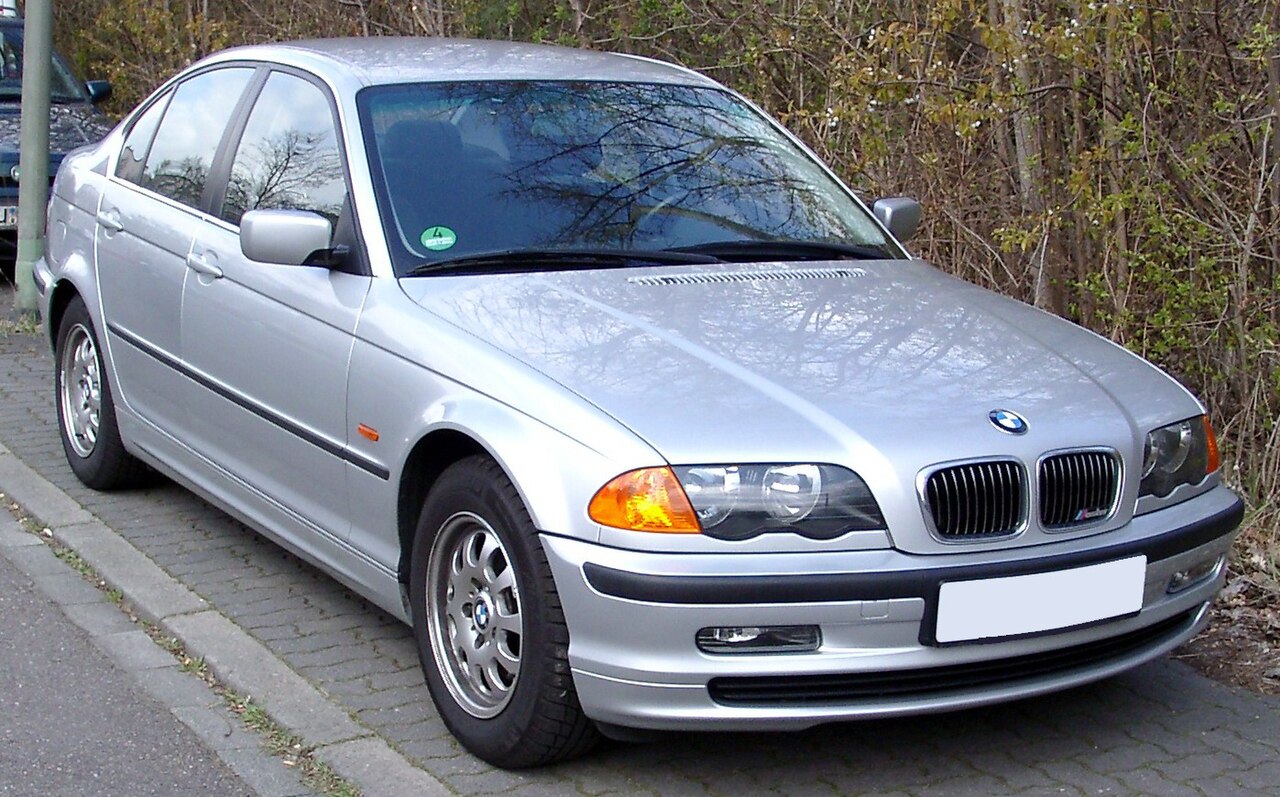
bmw 3 1999-2006 Common Problems & Issues
The BMW 3 Series (E46), a globally recognized fourth-generation 3 Series, was produced from 1998 to 2006, with model year availability spanning 1999 through 2006 in many markets. This iconic car was offered in a variety of body styles, including sedan, coupe, convertible, wagon, and compact, making it a versatile choice for many drivers. The BMW 3 Series (E46) 1999 set the stage for a generation known for its engaging front-engine, rear-wheel-drive layout, with some regions also receiving all-wheel-drive xi models for enhanced traction. Its common suspension architecture features a MacPherson strut front and a multi-link rear, contributing to its renowned driving dynamics. Throughout its production run, the BMW 3 Series (E46) offered a range of core trims and engines. Common gasoline variants included the 318i/ci, 320i/ci, 323i/ci, 325i/ci, 328i/ci, and 330i/ci, with the high-performance M3 topping the lineup. Both Inline-4 and inline-6 engines were available, depending on the specific market and model year, providing power outputs from approximately 105 hp to 343 hp across the various models. For instance, a BMW 3 Series (E46) 2000 might feature a different engine configuration than a BMW 3 Series (E46) 2003, reflecting market demands and updates. While not a platform-sharing car in the modern modular sense, the E46 shares BMW engineering philosophy and numerous component families with late E36 and early E39-era BMWs. This commonality is particularly evident in its cooling, suspension, and electrical architecture, which is beneficial for sourcing aftermarket and OEM parts. Owners of a BMW 3 Series (E46) 2001 or a BMW 3 Series (E46) 2002 will find that many suppliers catalog E46 parts alongside those for the E39, simplifying repairs and maintenance. The BMW 3 Series (E46) 2004, for example, benefited from the continuous refinement of these shared component families. However, despite its strong build quality, the E46 is known for a few common problems that prospective owners should be aware of, such as cooling-system failures, rear subframe/trunk-floor cracking, oil leaks, and Takata airbag issues. These recurring themes are consistently highlighted in owner forums and recall activities, prompting buyers of a BMW 3 Series (E46) 2005 or a BMW 3 Series (E46) 2006 to pay close attention to these areas during pre-purchase inspections. Understanding these potential issues is key to enjoying the excellent driving experience offered by any BMW 3 Series (E46) model.
3
Critical
2
Moderate
0
Minor
Known Issues
Cooling System Failure
CriticalThe cooling system failure is the single most repeated E46 problem pattern. Owners commonly experience gradual coolant loss, which can lead to sudden overheating if not addressed. The root causes typically involve the aging of plastic radiator tanks, expansion tank cracking, thermostat failure, and general wear of the water pump and hoses. To diagnose, perform a pressure test and visually inspect for seepage, ensuring the fan clutch and thermostat operate correctly. Many owners opt for a preventive replacement of the entire cooling system, including the expansion tank, hoses, thermostat, water pump, and radiator. Professional repair involves a full cooling refresh and meticulous system bleeding to prevent air pockets.
Rear Subframe/Trunk Floor Cracking
CriticalRear subframe/trunk floor cracking is a high-severity structural issue that demands immediate attention. Symptoms include clunking noises from the rear, noticeable rear-end movement, alignment drift, and visible deformation of the trunk floor. This problem stems from fatigue at the subframe mounting points, particularly in hard-driven or high-mileage cars. Diagnosis requires a thorough visual inspection from below the vehicle and inside the trunk, focusing on the mount points and spot welds. DIY fixes are limited; reinforcement plates are only viable if cracking is caught very early. Professional repair typically involves extensive weld repair and reinforcement, often requiring body repair and repainting, which can be quite costly.
Oil Leaks
ModerateOil leaks are a common but usually manageable issue for the E46 if caught early. Owners often notice a burning oil smell, oil spots on the driveway, or smoke emanating from the exhaust manifold area. The most frequent leak points are the valve cover gasket and the oil filter housing gasket. Oil pan gasket leaks and crankcase ventilation (CCV) system-related seepage are also common on higher-mileage vehicles. Diagnosis can involve using UV dye in the oil, followed by an inspection under the engine to track residue. DIY fixes can include replacing the valve cover gasket and some associated hoses. Professional repair typically involves a full gasket service, addressing the CCV system, and thorough cleaning of the affected areas.
Takata Airbag Inflator Risk
CriticalThe Takata airbag inflator risk is a critical safety concern for certain BMW 3 Series (E46) vehicles manufactured between 2000 and 2006. While an airbag warning light may or may not appear, the underlying issue is defective inflators that can deploy improperly in a crash, potentially causing serious injury or death. The only diagnostic step is a VIN lookup through official recall systems to determine if your vehicle is affected. There are no DIY fixes for this safety defect; owners should not attempt to repair it themselves. Professional repair is free under recall programs, with BMW and NHTSA issuing "Do Not Drive" warnings for specific 2000–2006 BMW 3 Series (E46) vehicles, offering complimentary replacement and even towing.
Window Regulator / Electrical Faults
ModerateOwners of the BMW 3 Series (E46) may encounter various window regulator and electrical faults as the car ages. Common symptoms include windows dropping unexpectedly, slow window movement, central locking issues, and pixels failing in the instrument cluster display. These problems are typically caused by wear in the window regulators, degraded wiring, or aging of control modules like the General Module 5 (GM5) or Central Body Electronics (ZKE). To diagnose, try operating the window under load, test the switches, and use a diagnostic scanner to check for fault codes in relevant modules. DIY fixes often involve replacing the window regulator itself or cleaning faulty switches. Professional repair focuses on module diagnosis and replacement, which can range in complexity and cost.
What to Check Before Buying
Owning a BMW 3 Series (E46) from 1999 to 2006 can be a rewarding experience, offering exceptional driving dynamics and durable engines, but it comes with a good-but-not-cheap reliability reputation. The key to long-term satisfaction and managing ownership costs lies in understanding and addressing the predictable age-related failures. Owners generally report that once the cooling system and common leak points are proactively sorted, the BMW 3 Series (E46) 2000 can be very dependable. However, neglect, especially on a BMW 3 Series (E46) 2001, can quickly lead to expensive repairs.
Prospective buyers and current owners should be particularly aware of high-cost risks. The rear subframe/trunk-floor repair is perhaps the most significant, as it involves structural bodywork. Overheating damage resulting from ignored cooling system failure can lead to catastrophic engine damage. Ensuring Takata airbag recall completion is also critical, especially for a BMW 3 Series (E46) 2002 or later models within the affected VIN range. Furthermore, electrical/module aging, affecting components like window regulators and instrument cluster pixels, can be a concern on higher-mileage examples like a BMW 3 Series (E46) 2003.
The most frequently replaced parts on the E46 typically include cooling-system plastics and hoses, which are prone to degradation over time. Owners will also commonly replace the valve cover gasket and oil filter housing gasket to address oil leaks. Suspension components such as control arms and bushings are frequent wear items, impacting ride quality and handling. Window regulators are known to fail, and various sensors and ignition items like coils and spark plugs also require periodic replacement to maintain performance. A BMW 3 Series (E46) 2004, for instance, will likely have had many of these items addressed if it has been well-maintained.
Real-world E46 best practices emphasize proactive maintenance. It is strongly recommended to proactively replace cooling-system plastics and associated components rather than waiting for them to fail, which can lead to costly engine damage. Regular inspection of rear subframe mounts is crucial, ideally before purchase and at every major service interval. For vehicles operating in hot, humid, or dusty environments, such as a BMW 3 Series (E46) 2005 in certain regions, shortening filter intervals and checking coolant levels more often is a prudent measure. Climate can accelerate the degradation of components, and even Takata airbag inflator risk has been noted to be influenced by humidity.
A documented maintenance history materially improves resale value for any BMW 3 Series (E46), including the later BMW 3 Series (E46) 2006 models. Buyers are keen to know if the critical cooling, suspension, and subframe issues have been addressed. A car with proof of a preventive cooling refresh, a thorough subframe inspection, and clean recall status is perceived as a much lower risk investment compared to a cheaper car with no service records. This meticulous approach to maintenance ensures that the engine lifespan, typically 180k–250k+ miles with proper care, and transmission lifespan, 120k–200k miles depending on fluid service, can be maximized. Suspension wear components usually last 50k–100k miles, while the battery typically needs replacement every 3–5 years. Electronics, however, are highly variable, with components like window regulators and various modules often aging out before the drivetrain.
Where to Buy Parts
Frequently Asked Questions
Is the 1999 BMW E46 reliable?+
The 1999 BMW 3 Series (E46) can indeed be reliable if it has received proper maintenance throughout its life. The main concerns for a 1999 E46 stem from age-related wear rather than fundamental design flaws. Prospective buyers should prioritize checking the cooling system components, inspecting for oil leaks, evaluating suspension bushings, and verifying the completion of any recall-related airbag work. A low-priced 1999 example could quickly become expensive if critical areas like the cooling system and rear subframe mounting points have been neglected over the years.
Is the 2001 BMW E46 a better buy than the 1999 model?+
A 2001 BMW 3 Series (E46) is often considered a better buy than a 1999 model, but this largely depends on the individual car's service history and structural integrity. The specific model year is less critical than ensuring the cooling system has been renewed, the rear subframe area thoroughly inspected for cracking, and all electrical systems tested. For a 2001 BMW 3 Series (E46), potential owners should pay close attention to its recall status, especially for Takata airbags, and be mindful of age-related rubber and plastic component failures.
What are the biggest repair risks on a 2004 BMW E46?+
For a 2004 BMW 3 Series (E46), the biggest repair risks typically involve cooling system failure, various oil leaks, and wear in the suspension components. Critically, the rear subframe/trunk-floor area should be meticulously inspected for any signs of cracking. Depending on the VIN and market history, a 2004 BMW 3 Series (E46) may also still be part of the Takata airbag recall population, making recall verification essential. While a well-maintained 2004 model can be a solid vehicle, it should never be purchased without a comprehensive pre-purchase inspection.
How expensive is an E46 to keep on the road?+
Keeping a BMW 3 Series (E46) on the road can range from moderate for routine maintenance to expensive for major fixes, especially if the car has been neglected. The good news is that many common replacement parts are widely available and reasonably priced through aftermarket and OEM-equivalent suppliers. However, labor costs and the potential for cascading failures, particularly with cooling system or structural repairs like rear subframe cracking, can quickly drive up overall expenses. Owners who prioritize preventive maintenance tend to spend significantly less over the car's lifespan than those who only address problems as they arise.
Are 2006 BMW E46 models safer or more reliable than earlier years?+
A 2006 BMW 3 Series (E46) is not inherently safer or more reliable than earlier model years within the generation; the individual vehicle's condition and maintenance history are far more important. While some 2006 models might have benefited from minor later-production updates, the critical Takata airbag recall population still includes 2000–2006 BMW 3 Series (E46) vehicles. Age-related wear and tear on components like cooling system plastics, gaskets, and suspension parts are unavoidable regardless of the specific year. Buyers should treat any 2006 example as a used performance-luxury car that necessitates a full, thorough inspection.
What are the common engine types for the BMW E46?+
The BMW 3 Series (E46) offered a variety of gasoline engine types across its model years, from the 1999 BMW 3 Series (E46) to the 2006 BMW 3 Series (E46). The lineup predominantly featured both Inline-4 and inline-6 engines, depending on the specific model and market. Common variants included the 318i/ci, 320i/ci, 323i/ci, 325i/ci, 328i/ci, and 330i/ci, alongside the high-performance M3. These engines provided power outputs ranging from approximately 105 hp to 343 hp, catering to a wide spectrum of performance preferences.
What is the expected lifespan of a BMW E46?+
With proper cooling system maintenance and regular oil service, the engine of a BMW 3 Series (E46) can reliably last between 180,000 to over 250,000 miles. The transmission typically endures 120,000 to 200,000 miles, with its longevity heavily dependent on consistent fluid care. Suspension wear components usually require replacement every 50,000 to 100,000 miles, especially with mixed road use. The battery generally lasts 3 to 5 years. While the drivetrain is robust, electronics, window regulators, and various modules often show signs of aging before the engine or transmission, regardless if it's a 1999 or 2006 BMW 3 Series (E46).
Also worth reading
bmw 3 1999-2006 Maintenance Schedule