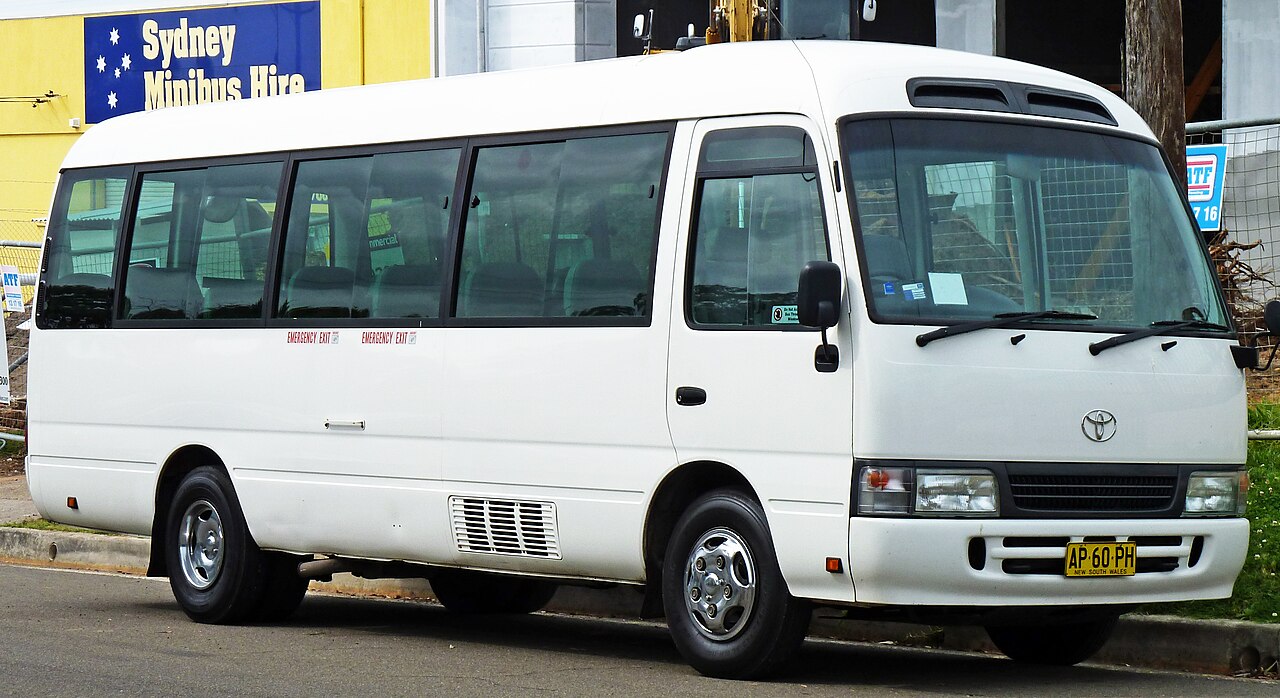
toyota coaster 2005-2015 Maintenance Schedule
The Toyota Coaster is a reliable light to medium-duty minibus designed for passenger and commercial transport. This report focuses on the third-generation and closely related derivatives manufactured and sold internationally from approximately 2002 through the 2015 model years. These models are predominantly diesel-powered and available in various wheelbase configurations, offering seating capacities for up to around 30 passengers. Engines commonly found include the 3B (3.4L), 14B series (3.7L), 15B/15B-FTE (4.1L), and the 1BZ/1HD/1HD-T/1HZ/1HD variants (4.1–4.2L inline-6 diesel, both naturally aspirated and turbocharged), with power outputs typically ranging from 98 to 170 horsepower and torque from 250 to 400 Nm. Most models utilize a 5- or 6-speed manual transmission, though some markets offer automatics. The Coaster is built on a dedicated Toyota commercial bus chassis, sharing many engine and driveline components with Toyota's light-truck lines like the Land Cruiser and heavy-duty Hiace, which aids in parts cross-referencing. This guide covers common issues, maintenance schedules, parts pricing, and accessory recommendations relevant to owners of the 2005 Toyota Coaster and its successors up to the 2015 model year, providing insights into ownership costs and reliability.
Fluids
| Service | Interval | Notes |
|---|---|---|
| Engine Oil and Filter Change Critical | 10,000 km / 6 mo 8,000 km if severe use | Replace engine oil and oil filter using heavy-duty diesel engine oil. This is crucial for lubricating engine components, removing contaminants, and preventing premature wear. Neglecting oil changes can lead to increased engine temperature, sludge formation, and significant internal damage, especially in turbocharged engines. |
| Transmission Fluid Service (Manual) | 96,000 km 60,000 km if severe use | Change transmission fluid. Proper lubrication is vital for gearbox longevity, especially under heavy loads. Worn fluid can lead to gear grinding and premature wear of internal components. This service is critical for ensuring smooth gear changes and extending the life of the transmission. |
Filters
| Service | Interval | Notes |
|---|---|---|
| Fuel Filter and Water Separator Service Critical | 20,000 km / 12 mo 16,000 km if severe use | Inspect and replace the fuel filter, and drain the water separator. Diesel fuel contamination, especially water, is a primary cause of injector and injection pump failures. Frequent servicing is vital, particularly in regions with lower fuel quality. Signs of a clogged filter include loss of power and rough idling. |
| Air Filter Replacement | 48,000 km / 24 mo 32,000 km if severe use | Replace the engine air filter. A clean air filter ensures proper air-fuel mixture for optimal engine performance and fuel efficiency. A clogged filter can lead to reduced power, increased fuel consumption, and potential engine strain. Inspect more frequently in dusty conditions. |
Cooling
| Service | Interval | Notes |
|---|---|---|
| Coolant and Hose Inspection Critical | 64,000 km / 24 mo 40,000 km if severe use | Flush and replace engine coolant, and inspect all cooling system hoses and clamps. Overheating can cause severe engine damage, including head gasket failure. Aging rubber hoses are prone to leaks. Regular inspection and replacement of hoses and thermostat prevent overheating issues, especially in hot climates. |
Brakes
| Service | Interval | Notes |
|---|---|---|
| Brake System Inspection Critical | 16,000 km / 12 mo 8,000 km if severe use | Inspect brake pads, rotors, drums, shoes, and hydraulic lines. For heavy-load operations, rear drum wear and brake fade can be significant issues. Regular checks ensure optimal stopping power and safety, especially when the vehicle is heavily loaded. Listen for squealing or grinding noises and feel for pedal pulsation. |
Drivetrain
| Service | Interval | Notes |
|---|---|---|
| Clutch System Check (Manual Transmission) | — | Inspect clutch operation, pedal feel, and listen for noises. Clutch wear is heavily dependent on usage. Signs of wear include slipping under load, difficulty shifting gears, or a spongy pedal. Early detection can prevent more costly transmission damage. For commercial use, expect replacement every 80,000-160,000 km. |
Electrical
| Service | Interval | Notes |
|---|---|---|
| Battery and Electrical System Check | 24,000 km / 12 mo | Test battery health, clean terminals and grounds, and check alternator output. Electrical gremlins, often caused by corrosion or worn components, can lead to no-start conditions or intermittent failures. Regular checks prevent unexpected breakdowns and ensure reliable operation. |
Suspension
| Service | Interval | Notes |
|---|---|---|
| Suspension and Steering Inspection | 48,000 km / 24 mo 32,000 km if severe use | Inspect leaf springs, shock absorbers, bushings, and steering components for wear or damage. Worn suspension affects ride comfort and handling, while steering issues compromise safety. Regular checks are essential, especially given the heavy-duty nature of the Coaster and varying road conditions. |
Inspection
| Service | Interval | Notes |
|---|---|---|
| Valve Clearance Adjustment (if applicable) | 60,000 km 30,000 km if severe use | Check and adjust valve clearance for engines with non-hydraulic tappets. Incorrect valve clearance can lead to reduced engine performance, increased fuel consumption, and potential valve damage over time. This is a more involved check typically part of major service intervals. |
| Injector and Injection Pump Check Critical | 96,000 km | Listen for unusual noises and check for fuel leaks around injectors and the injection pump. Monitor for symptoms like hard starting, loss of power, or excessive smoke. These are critical components for diesel engine operation, and their failure can be very costly. Early diagnosis is key. |
Belts
| Service | Interval | Notes |
|---|---|---|
| Drive Belt Inspection/Replacement Critical | 144,000 km 96,000 km if severe use | Inspect drive belts for cracks, fraying, or excessive wear. Replace if any signs of damage are present. A broken drive belt can disable essential systems like the alternator, water pump, and power steering, leading to rapid overheating or battery discharge. |
Upkeep Tips
Maintaining a Toyota Coaster, especially models from the 2005 to 2015 range, requires a proactive approach focused on its diesel powertrain and heavy-duty chassis. Given its commercial nature, consistent and thorough maintenance is paramount to longevity and avoiding costly repairs. Prioritize fuel system integrity by regularly servicing fuel filters and diligently draining water separators, particularly in environments with variable fuel quality. This single practice significantly reduces the risk of injector pump failures, a common and expensive issue. For the cooling system, annual inspection of hoses, clamps, and thermostat is highly recommended, especially in hot climates, to prevent overheating and potential head gasket damage. Pay close attention to the clutch system in manual transmission models; its lifespan is heavily influenced by driving style and load. Expect clutch replacements within the 80,000 to 160,000 km range for heavy-duty applications. Electrical system checks, including battery terminals and grounding points, are low-cost preventive measures that can avert inconvenient no-start situations. For owners of a 2007 Toyota Coaster or any model in this generation, understanding these key areas will contribute to its reliable service. Similarly, for those considering a 2010 Toyota Coaster, be aware that major drivetrain repairs like injection pump overhauls or gearbox rebuilds represent the highest potential costs. Routine checks of brakes, suspension components, and drive belts should be integrated into the service schedule to ensure safety and operational efficiency. Documentation of maintenance history, especially for fuel system and cooling system services, is invaluable for resale value and demonstrates a commitment to the vehicle's upkeep. For buyers evaluating a used 2005–2015 Toyota Coaster, a thorough pre-purchase inspection focusing on these critical systems, along with a review of service records, is strongly advised. This diligent approach will help ensure that your Coaster continues to serve reliably for many years and miles.
Add-ons & Upgrades
Heavy-Duty Floor Mats
Durable rubber floor mats designed to protect the vehicle's interior from dirt, wear, and spills. Custom or universal cut-to-fit options are available for driver and passenger areas.
Shop on AmazonHeavy Duty Dash Cam (Dual Channel)
Records front and interior views for incident documentation and security. Essential for commercial vehicles to capture events on the road and within the cabin.
Shop on AmazonHeavy-Duty OBD2 Scanner with Diesel Support
A diagnostic tool capable of reading fault codes and live data from diesel engines. Crucial for troubleshooting engine issues and monitoring sensor performance.
Shop on AmazonSeat Covers (Vinyl Heavy-Duty)
Protective covers for passenger seats that simplify cleaning and guard against wear and tear. Available in universal or model-specific fits.
Shop on AmazonHeavy Duty Battery Isolator / Cut-Off Switch
Prevents battery drain during extended periods of inactivity and serves as an anti-theft measure. Recommended for fleet management and long-term storage.
Shop on AmazonPortable Diesel Fuel Heater
A kit that helps improve cold starts in temperate climates and manages fuel viscosity. While less critical in tropical regions, it can be beneficial in certain operating environments.
Shop on AmazonWhere to Buy Parts
Frequently Asked Questions
Is the 2007 Toyota Coaster reliable for passenger transport?+
The 2007 Toyota Coaster is generally considered reliable for passenger transport, provided it receives consistent maintenance. Key areas to focus on are the fuel system, including frequent filter changes and draining water separators, regular clutch service for manual transmissions, and diligent coolant system checks. Neglecting these can lead to expensive failures such as injector or injection pump issues, or head gasket repairs, impacting overall dependability.
What are the most expensive repairs for a 2010 Toyota Coaster?+
The most costly repairs for a 2010 Toyota Coaster typically involve major engine work, such as head gasket replacement, turbocharger rebuilds, or a full engine overhaul. Injection pump replacement and comprehensive gearbox rebuilds also represent significant expenses. Depending on the extent of the issue and labor rates, these major repairs can range from $2,000 to $6,000 or more.
How often should I change fuel filters on a Coaster operating in Nigeria?+
Given the typical fuel quality in Nigeria, it is advisable to replace the primary fuel filter and drain the water separator every 8,000 to 16,000 kilometers, or at least every 3 to 6 months. If you suspect poor fuel quality, inspect and service these components even more frequently. Consistent fuel filter maintenance is crucial for preventing damage to injectors and the injection pump.
Can I use aftermarket injectors and turbo parts without major risk?+
Using quality aftermarket or professionally rebuilt injectors and turbocharger parts can be a cost-effective solution for the Toyota Coaster. However, it is critical to ensure proper fitment, calibration, and cleanliness during installation. Poorly calibrated injectors can lead to rough running and potential engine damage. Always source these components from reputable suppliers and consider having injectors flow-tested before installation to mitigate risks.
What routine checks should a buyer inspect before purchasing a used 2005–2015 Coaster?+
Before purchasing a used 2005–2015 Toyota Coaster, thoroughly inspect its service history, paying close attention to fuel system and coolant maintenance records. Conduct a test drive to observe engine performance, listen for unusual noises, check clutch operation, and monitor for any signs of overheating. Examine the brakes, suspension, and steering for wear or play. For diesel models, consider a compression test or an injector leakage test to assess the engine's internal condition.