What Is a Good Mileage for a Used Car in India? Age, km & Condition Guide (2026)
There's no single "perfect" kilometre reading for a used car in India. What matters most is whether the odometer figure matches the car's age, maintenance history, and how it was driven.
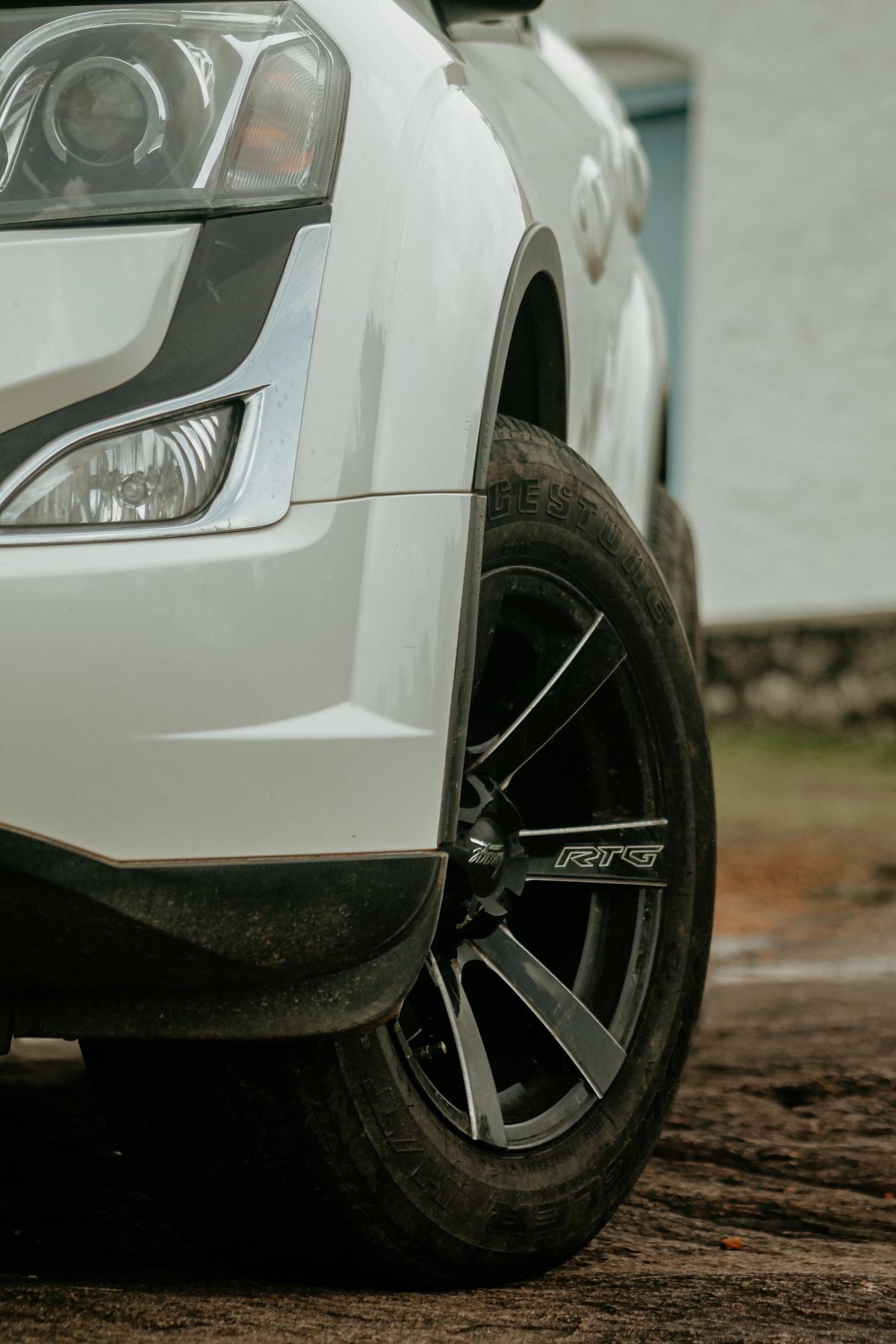
There's no single "perfect" kilometre reading for a used car in India. What matters most is whether the odometer figure matches the car's age, maintenance history, and how it was driven.
In this guide, I'll show you realistic mileage benchmarks by age and fuel type, explain why condition often matters more than km, and share practical inspection tips so you don't overpay for a tired car or walk away from a well-kept one.
Why Mileage Alone Doesn't Tell the Full Story
Mileage is important, but it's only one piece of the puzzle. A 5-year-old Maruti Suzuki Swift with 45,000 km that's been serviced on time and driven mostly on highways can be in better shape than a 3-year-old Hyundai i20 with 28,000 km that's done hard city commuting with delayed oil changes.
Here's what actually determines whether a used car's mileage is "good":
- Annual km driven: In India, most private cars average 10,000–15,000 km per year. Anything significantly above or below this needs explanation.
- Service history: Regular servicing at authorised centres (or trusted local garages with bills) is a stronger indicator of health than low km alone.
- Driving conditions: Highway km are gentler on engines and suspensions than stop-and-go city traffic, especially in congested metros like Mumbai, Delhi, or Bengaluru.
- Fuel type: Petrol, diesel, and CNG engines age differently. Diesel cars can handle higher km if maintained, while CNG kits add wear points that need inspection.
- Ownership pattern: Single-owner cars with complete paperwork usually have more trustworthy odometer readings than multi-owner vehicles with gaps in service records.
Realistic Mileage Benchmarks by Age (India-Specific)
Based on industry data and typical Indian usage patterns, here's what you should expect for different age groups. These are guidelines, not hard rules—always cross-check with service books and a physical inspection.
Petrol Cars (Most Common in India)
| Car Age | Ideal Mileage Range | What It Means |
|---|---|---|
| 1–2 years | 10,000–25,000 km | Light to moderate use; likely under warranty |
| 3–5 years | 30,000–60,000 km | Regular daily commuting; sweet spot for value |
| 6–8 years | 60,000–90,000 km | Higher use; may need clutch, suspension, or timing belt work |
| 8+ years | 80,000+ km | Focus on overall condition; parts availability starts to matter |
For a 5-year-old petrol car, anything between 50,000–75,000 km is considered normal. Below 40,000 km is "low mileage" (great if verified), while above 90,000 km needs a detailed mechanical check.
Diesel Cars (Declining but Still Popular)
Diesel engines are built for higher km, but with the 10-year ban on older diesel vehicles in Delhi-NCR and similar restrictions in other cities, age now matters more than km for resale.
| Car Age | Ideal Mileage Range | Notes |
|---|---|---|
| 3–5 years | 45,000–80,000 km | Diesel engines handle km well if serviced |
| 6–8 years | 70,000–1,20,000 km | Check turbo, injectors, EGR valve condition |
| 8–10 years | 90,000–1,50,000 km | Avoid in cities with diesel age bans; better for rural/intercity use |
A 5-year-old diesel sedan like a Honda City or Hyundai Verna with 60,000–75,000 km is a solid buy if the service history is complete.
CNG Cars (Maruti Suzuki, Hyundai, Tata)
CNG kits add complexity. Look for factory-fitted CNG (from Maruti, Hyundai, Tata) rather than aftermarket kits, which can cause engine wear if poorly installed.
| Car Age | Ideal Mileage Range | CNG-Specific Checks |
|---|---|---|
| 3–5 years | 40,000–70,000 km | Check spark plugs, ignition coils, CNG filter |
| 6–8 years | 60,000–1,00,000 km | Inspect CNG cylinder validity, leak tests, engine compression |
CNG cars often show higher km because fuel is cheaper, but the engine endures more heat cycles. A 4-year-old Maruti Wagon R CNG with 55,000 km is typical; above 80,000 km, budget for ignition system refresh.
Red Flags: When Mileage Doesn't Add Up
Odometer tampering is unfortunately common in India's used car market. Here's how to spot it:
- Too-good-to-be-true km: A 7-year-old car with only 25,000 km needs proof (service bills, insurance claims, RC transfer records).
- Wear vs. km mismatch: Worn brake pedals, shiny steering wheels, or faded seat bolsters on a "low-km" car suggest higher actual use.
- Service book gaps: Missing stamps or inconsistent km entries between services are warning signs. Cross-check with digital records on the manufacturer's app if available.
- Tyre age vs. km: Tyres older than 5 years on a 30,000 km car mean it sat unused (good) or the km are rolled back (bad). Check DOT codes on tyre sidewalls.
If you're unsure, use Naira.autos's VIN Checker Global or Chassis Number Check to pull available history reports before you negotiate.
Popular Used Cars in India: What Mileage to Expect
Different models attract different buyers and usage patterns. Here's what's typical for India's best-selling used cars:
Maruti Suzuki Swift / Dzire
- Typical 5-year km: 45,000–70,000 km (petrol), 60,000–85,000 km (diesel, pre-2020)
- Common issues at high km: Clutch wear (60,000–80,000 km on manual), AC condenser clogging in dusty cities, suspension bush wear
- Verdict: Excellent reliability; parts cheap and available everywhere. A 5-year Swift with 55,000 km and full service history is a safe buy.
Maruti Suzuki Wagon R
- Typical 5-year km: 40,000–65,000 km (petrol/CNG)
- Common issues: CNG throttle body cleaning needed after 30,000 km, steering column noise, headlamp bulb failures
- Verdict: One of India's most reliable hatchbacks. Avoid CNG models above 80,000 km unless the ignition system has been refreshed.
Hyundai i20 / Creta
- Typical 5-year km: 35,000–60,000 km (petrol), 50,000–80,000 km (diesel)
- Common issues: Infotainment glitches, DCT gearbox software updates needed, suspension noise on rough roads
- Verdict: Premium feel but costlier to maintain than Maruti. Stick to under 70,000 km for petrol automatics.
Tata Nexon / Mahindra Scorpio
- Typical 5-year km: 40,000–70,000 km (petrol/diesel)
- Common issues: Turbo lag on early Nexon diesels, Scorpio suspension wear after 80,000 km on bad roads
- Verdict: Rugged but demand thorough suspension and turbo checks above 75,000 km.
For detailed specs, common problems, and maintenance schedules for these models, visit the Naira.autos Vehicles section and search by model name.
How to Inspect a Used Car Beyond the Odometer
Mileage is just the starting point. Here's a practical inspection checklist I recommend for any used car in India:
1. Engine & Transmission
- Start the engine cold. Listen for knocking, tapping, or excessive vibration.
- Check exhaust smoke: Blue smoke = oil burning (engine wear), black smoke = rich fuel mix (injector/turbo issues), white smoke (when warm) = coolant leak.
- Test drive in city and highway conditions. Gearbox should shift smoothly; no slipping in automatics.
2. Suspension & Steering
- Drive over speed breakers. Listen for clunks (worn bushings, shock absorbers).
- Steering should be tight with no play. Pulling to one side means alignment or suspension issues.
3. Brakes & Tyres
- Brake pedal should feel firm, not spongy. Vibrations under braking = warped discs.
- Tyre tread depth should be above 1.6 mm (legal minimum). Uneven wear = alignment or suspension problems.
4. Interior & Electronics
- Test all power windows, AC, infotainment, and lights. Electrical gremlins are expensive to fix.
- Check seat belts, airbags (if equipped), and dashboard warning lights.
5. Documentation
- RC (Registration Certificate): Verify owner name, fuel type, and hypothecation status (loan closure).
- Service history: Look for consistent km entries and authorised service centre stamps.
- Insurance: Check claim history; multiple claims suggest accident involvement.
- PUC (Pollution Under Control): Mandatory for RC transfer; expired PUC = fine risk.
For document templates (sale agreement, RC transfer checklist), use Naira.autos's Document Generator to create legally sound paperwork.
Fuel Economy Reality Check: What to Expect
"Good mileage" also means fuel efficiency. Here's what real-world figures look like for popular used cars in India:
| Car Model | Fuel Type | Real-World Mileage (km/l) |
|---|---|---|
| Maruti Swift 1.2 | Petrol | 16–19 km/l (city), 20–22 km/l (highway) |
| Maruti Dzire 1.2 | Petrol | 17–20 km/l (city), 21–24 km/l (highway) |
| Hyundai i20 1.2 | Petrol | 14–17 km/l (city), 18–20 km/l (highway) |
| Tata Nexon 1.2 Turbo | Petrol | 12–14 km/l (city), 16–18 km/l (highway) |
| Maruti Wagon R 1.0 CNG | CNG | 26–28 km/kg (CNG) |
If a seller claims a petrol hatchback gives 25 km/l in city traffic, be skeptical. Use Naira.autos's Fuel Economy Converter to compare claimed vs. real-world figures across units (km/l, mpg, l/100km).
Legal & Regulatory Context: Age Limits & Fitness Rules
India's Motor Vehicles Act, 1988 and Central Motor Vehicles Rules, 1989 govern vehicle registration, fitness, and age-related restrictions.
- Private petrol cars: Can be used for up to 15 years from first registration, after which re-registration is possible in some states with a fitness certificate.
- Private diesel cars: Banned after 10 years in Delhi-NCR and a few other regulated regions (NGT orders). Other states may allow 15 years, but resale value drops sharply after 10 years.
- Fitness certificates: Required for commercial/transport vehicles, not private cars (unless re-registering after 15 years).
- RC transfer: Mandatory within 14 days of sale; submit Form 29/30, NOC (if loan), insurance, and PUC at the local RTO.
Always verify the RC online via the Parivahan Sewa (Vahan) portal or mParivahan app before payment.
Price Impact: How Mileage Affects Resale Value
Mileage directly impacts what you pay and what you'll get when you sell:
- Low mileage (under 10,000 km/year): Commands 10–15% premium over average-km cars of the same age.
- Average mileage (10,000–15,000 km/year): Standard market pricing; easiest to resell.
- High mileage (above 15,000 km/year): 10–20% discount; buyers expect upcoming maintenance costs.
Example: A 2021 Maruti Swift VXi (petrol) with 35,000 km may sell for ₹5.8–6.2 lakh, while the same model with 75,000 km might fetch ₹5.0–5.4 lakh, depending on condition and location.
Smart Buying Strategy: My Recommendation
Here's the approach I suggest for most buyers in India:
- Target 3–5-year-old cars: They've absorbed the steepest depreciation but still have 8–10 years of usable life left.
- Aim for 40,000–60,000 km on petrol cars: This range balances price, reliability, and upcoming maintenance needs.
- Prioritise service history over low km: A well-maintained 60,000 km car is better than a neglected 30,000 km one.
- Get a pre-purchase inspection: Spend ₹1,500–₹3,000 on a trusted mechanic or platform inspection (Cars24, Spinny, etc.) before finalising.
- Use tools to verify: Run a VIN check, cross-check service records, and compare prices across platforms.
If you're torn between two models, Naira.autos's Car Comparison tool helps you evaluate specs, running costs, and reliability side-by-side.
Final Thoughts
A "good" mileage for a used car in India depends on age, fuel type, maintenance, and how the car was driven. Use the benchmarks in this guide as a starting point, but always verify with service records, a physical inspection, and document checks.
Remember: The cheapest car by km isn't always the best value. A slightly higher-km car with complete service history and no accident damage will save you money (and stress) in the long run.
This article is for educational purposes only and does not constitute professional, legal, financial, or mechanical advice. Consult a qualified professional for your specific situation.
Last Updated: October 2026