How to Avoid Buying a Cloned Car: The Ultimate Buyer’s Guide
Don't fall victim to car cloning scams. Learn how to identify a cloned vehicle, verify history, and protect your investment with our comprehensive guide.
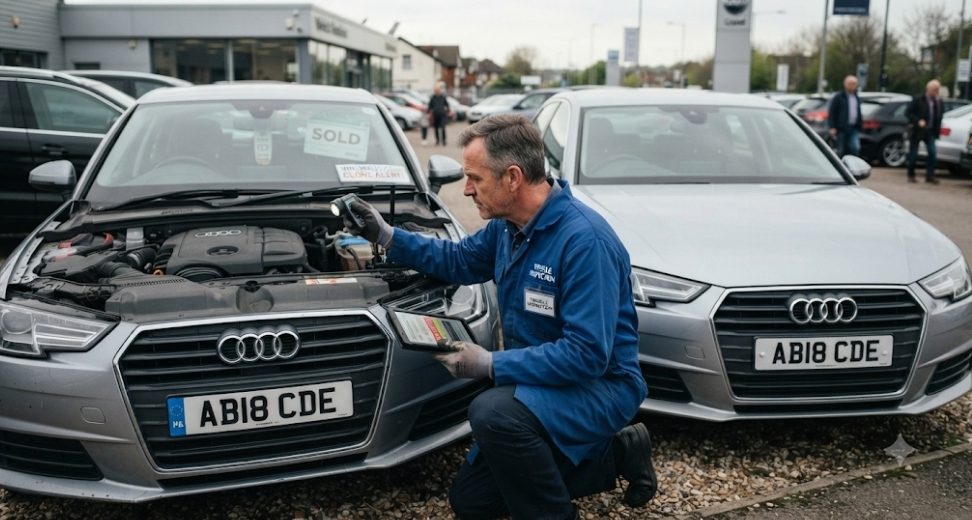
Buying a vehicle is one of the most significant investments you will ever make. Whether you are looking for a reliable daily driver or a luxury dream car, the process should be exciting. However, the rise of sophisticated criminal activities, particularly "car cloning," has turned the market into a minefield for unsuspecting buyers.
Understanding the Car Cloning Menace
Car cloning—sometimes referred to as "re-tagging"—is a type of identity theft for vehicles. Criminals take the identity of a legally owned, legitimate car and copy it onto another vehicle, usually one that is stolen or written off due to severe accidents. They then create fake documentation and license plates to match the victim vehicle’s details.
By doing this, the stolen or damaged car appears legitimate in official databases. When a buyer checks the records, everything seems to match, making the scam incredibly difficult to detect without a keen eye and the right verification tools.
Why Do Criminals Clone Cars?
The primary motivation is profit. By giving a stolen car a new, clean identity, thieves can sell it on the open market at a price that seems like a good deal. Because the stolen car is being sold as a genuine, legally owned vehicle, unsuspecting buyers often pay market value, unaware that the car they just bought could be confiscated by authorities the moment the true history is discovered.
The Financial and Legal Risks
When you purchase a cloned car, you are not just losing your money; you are inheriting a massive legal and financial nightmare.
- Total Asset Loss: If the police recover a stolen, cloned vehicle, it will be returned to the rightful owner or the insurance company. You will not be reimbursed by the seller, who has likely vanished.
- Legal Complications: You could be investigated for handling stolen goods. Proving your innocence requires time, money, and intense stress.
- Safety Hazards: Often, cloned cars are built from salvaged parts or damaged frames that were "written off." These vehicles are structurally unsound and may fail during a high-speed accident.
- Uninsurable Assets: If you manage to register the car, your insurance provider might void your policy the moment they discover the VIN discrepancy, leaving you exposed.
Risk Summary Table
| Risk Factor | Consequence | Impact Level |
|---|---|---|
| Police Discovery | Immediate seizure of the vehicle without compensation. | Critical |
| Safety Integrity | Potential for mechanical failure or lack of airbag deployment. | High |
| Legal Standing | Risk of criminal charges for possession of stolen property. | High |
| Resale Value | The car becomes worthless and illegal to sell. | Critical |
How to Spot a Cloned Vehicle
You don’t have to be a detective to spot the red flags. While scammers are getting better, they rarely get every detail perfectly right. Here is what you must check before signing any paperwork.
1. The VIN Discrepancy
The Vehicle Identification Number (VIN) is the most critical piece of data on any car. It should be consistent across several locations on the vehicle. If you see signs of tampering—scratches, loose plates, or mismatching numbers—walk away immediately. Always compare the VIN on the dashboard with the one on the engine block and the chassis.
2. Physical Inspection
Look for "lazy" cloning. Check the vehicle's paintwork, panel gaps, and tire wear. Does the condition of the car match its claimed mileage? A car with low mileage should not have heavily worn pedals, seats, or steering wheel grips.
3. Documentation Checks
Request the original title, registration, and service history. Scammers often provide poor-quality photocopies or documents that look like they have been tampered with. If the seller seems hesitant to share these documents or tries to rush the sale, it is a massive warning sign.
4. Market Price Check
If a deal looks too good to be true, it almost certainly is. Cloned cars are often priced slightly below market value to ensure a quick sale. If you find a luxury vehicle selling for a fraction of its estimated worth, you must be extremely skeptical. For an accurate valuation, you can consult reputable car valuation guides to see the true market average.
Using Technology to Protect Yourself
In the digital age, you need digital tools. Relying on your intuition alone is a recipe for disaster. This is where professional vehicle history platforms become indispensable. By utilizing our VIN checker, you can instantly access comprehensive data about a vehicle's past.
What a VIN Check Reveals:
- Accident History: Has the car ever been declared a total loss?
- Theft Reports: Is the car currently flagged as stolen?
- Service Records: Do the maintenance logs align with the reported odometer reading?
- Recall Status: Are there unaddressed safety recalls associated with this specific VIN?
Comparison: Legitimate vs. Cloned Documents
| Feature | Legitimate Car | Cloned Car |
|---|---|---|
| VIN Plate | Secure, clean, factory-sealed. | Scratched, loose, or glued on. |
| Title Document | Watermarked, original paper quality. | Photocopies or blurred text. |
| Logbook (V5C) | Matches the VIN on the car chassis. | VIN may match, but document serial is fake. |
| Seller’s Address | Matches the address on the registration. | Seller insists on meeting in a public lot. |
Frequently Asked Questions
Can a cloned car pass a state inspection?
Unfortunately, yes. Because scammers use real VINs from legally registered vehicles, the identity of the car might pass initial database checks. However, a deep, professional inspection that includes checking secondary, hidden VINs often reveals the scam. Always insist on a professional mechanical inspection before finalizing any car purchase, as this adds an essential layer of security.
What should I do if I suspect I've bought a cloned car?
If you believe your vehicle is cloned, do not try to sell it, as this makes you liable for the fraud. Contact your local law enforcement agency immediately and provide them with all the details, including the seller's information and the documentation you received. Furthermore, notify your insurance provider. You must cooperate fully with authorities to clear your name and resolve the legal status of the vehicle.
Are certain vehicle models more likely to be cloned?
High-end luxury vehicles and popular, mass-market SUVs are the primary targets for cloners. These cars have high resale values and are often in high demand, making them easier for criminals to offload quickly. However, no vehicle is immune. Regardless of the make or model you are buying, you should always perform a thorough VIN check and verification process to protect your investment.
How often should I check my car's VIN?
You should verify the VIN before you even test drive a vehicle. It is the very first step in the due diligence process. If the seller refuses to provide the VIN before the meeting, do not waste your time going to see the car. Always use a reputable service like our Naira Autos VIN checker to ensure the vehicle’s history matches its current status.
Is it safer to buy from a dealership or a private seller?
While authorized dealerships generally offer more security and vetting, fraud can still occur anywhere. Buying from a private seller requires significantly more due diligence on your part. Regardless of where you buy, always maintain a skeptical approach, demand transparent documentation, and use third-party verification tools.
Conclusion
Buying a car is a significant milestone, but it should not be tainted by the risk of fraud. By staying vigilant, conducting physical inspections, and utilizing trusted resources like our VIN checker, you can significantly reduce the risk of falling victim to a cloning scam.
Remember, a "good deal" is only a good deal if the car is legitimate, safe, and legally yours. Trust the process, do your research, and let Naira Autos help you navigate the road to your next vehicle safely.